Two weeks of buses, motorbikes, waterfalls, cooking classes and a much slower pace.
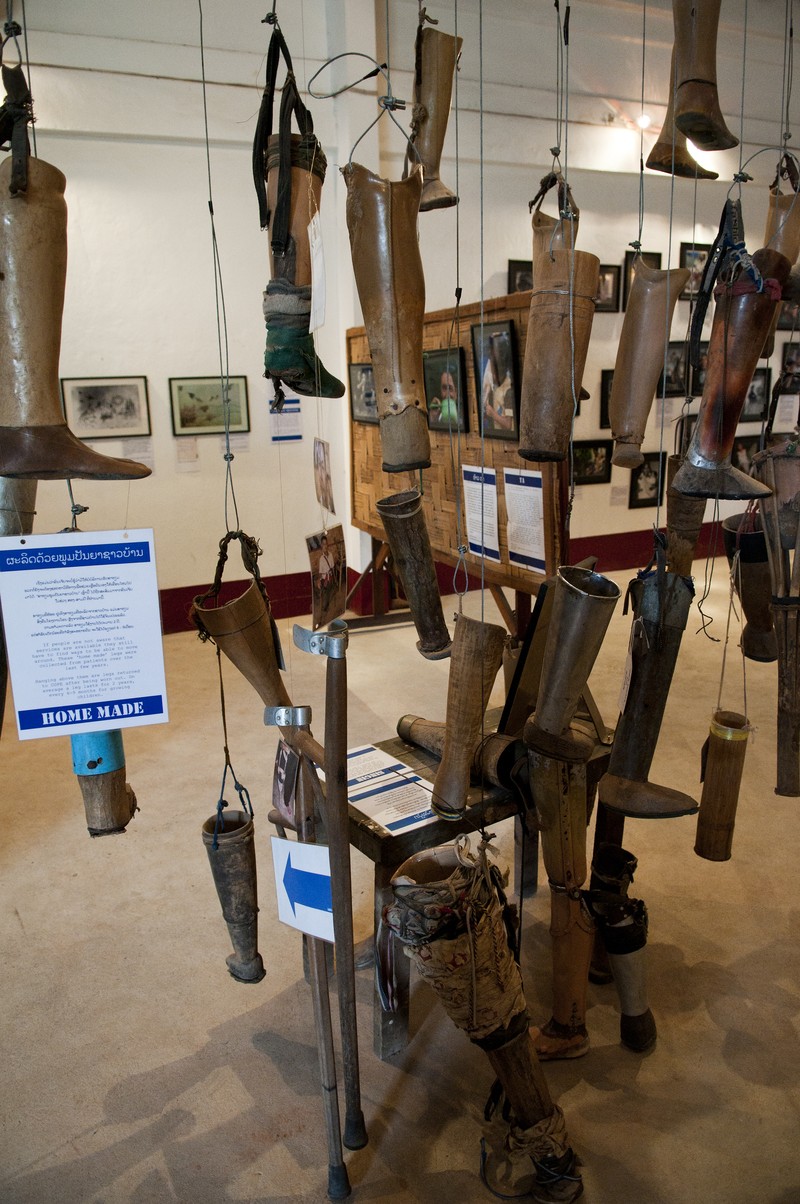
The COPE Centre is free to visit but donations are encouraged. It is a worthwhile cause. During my visit I meet a young man, Peter Lyk – a victim of unexploded ordnance. Both his hands are missing and he is virtually blind. We speak for a little while as I try to repair the voice recognition on his computer. He asks me about Australia and my girlfriend and then explains that as a nineteen-year-old he should be settling down and getting married. He seems too young, but I can't help but recall that life expectancy in Laos is 62 years.
His every action is so difficult, so much effort to achieve the simplest of tasks. His plight is so unfair, so arbitrary. Iniquity. Random. It would be challenging beyond comprehension in a Western nation. In Laos, overcoming adversity is so much harder making his patience and persistence all the more remarkable.
Spending time with Peter transforms everything I’d been reading in the Centre. The stories and facts – of so many faceless victims – are suddenly real.
Some statistics:
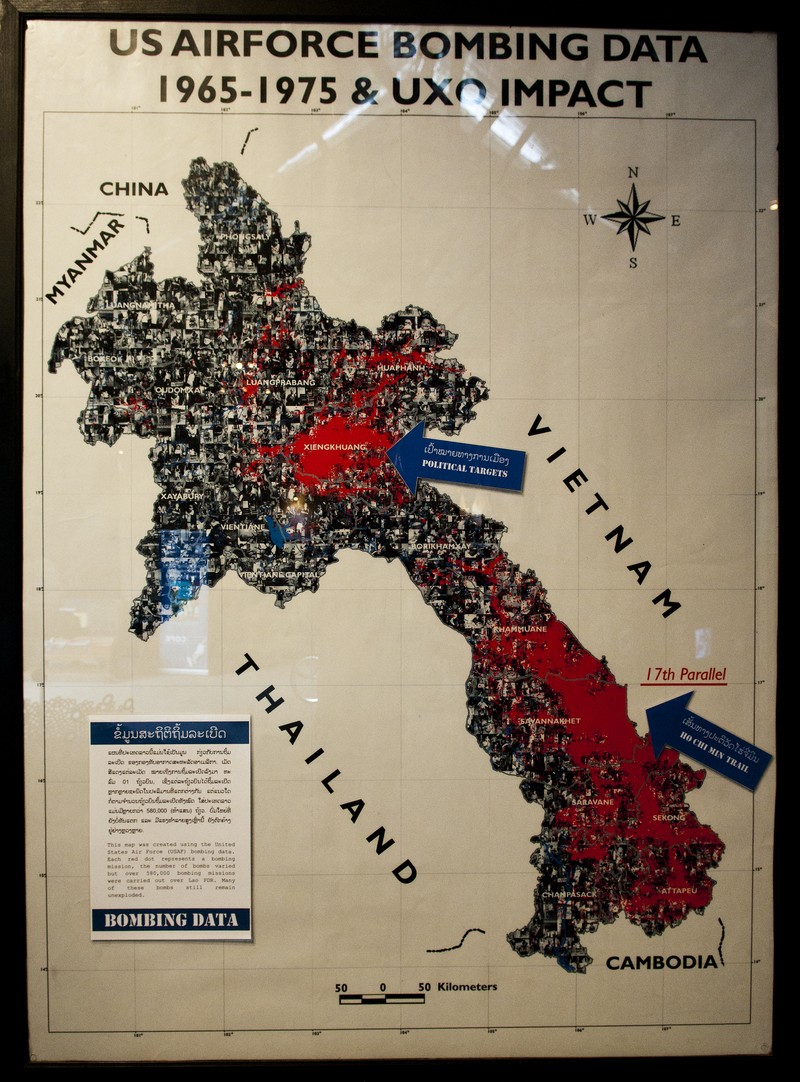
Lao PDR is the most heavily bombed country in the world (per capita).
More than 580,000 bombing missions were conducted over Lao PDR, that is one bombing mission every 8 minutes, 24 hours a day, for 9 years.
Over 2 millions tons of ordnance were dropped on Lao PDR during the Vietnam War between 1964 and 1973.
More than 270 million bombies were dropped on Lao PDR.
Up to 30% failed to detonate and remained in Lao PDR after the war.
Approximately 80 million unexploded bombies remained throughout the country after the war.
Approximately 25% of villages in Lao PDR are still contaminated with UXO.
All 17 provinces of Lao PDR suffer from UXO contamination.
41 out of the 46 poorest districts have UXO contamination.
More than 50,000 people have been killed or injured as a result of UXO incidents in the period 1964 to 2011.
More than 20,000 people have been killed or injured as a result of UXO incidences in the post-war period 1974 to 2011.
Usual activities causing UXO-related accidents: handling of UXO and searching for scrap metal, farming, forest products collection, lighting fires, cooking and other domestic activities, playing with UXO.
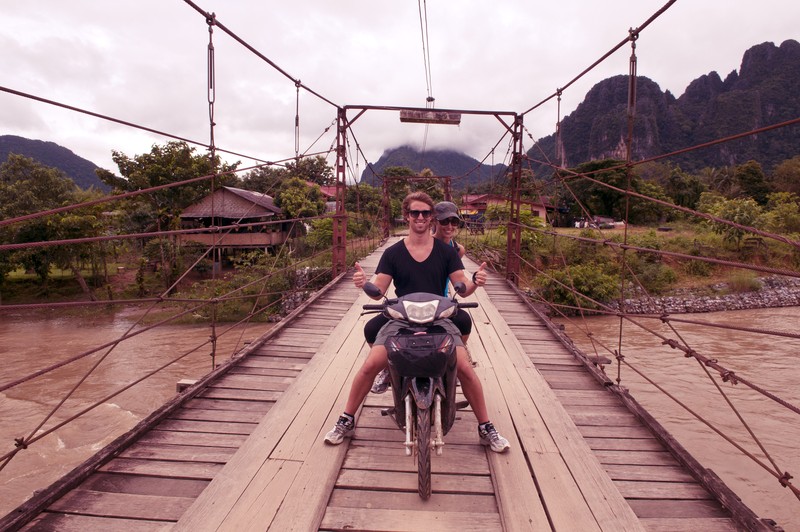
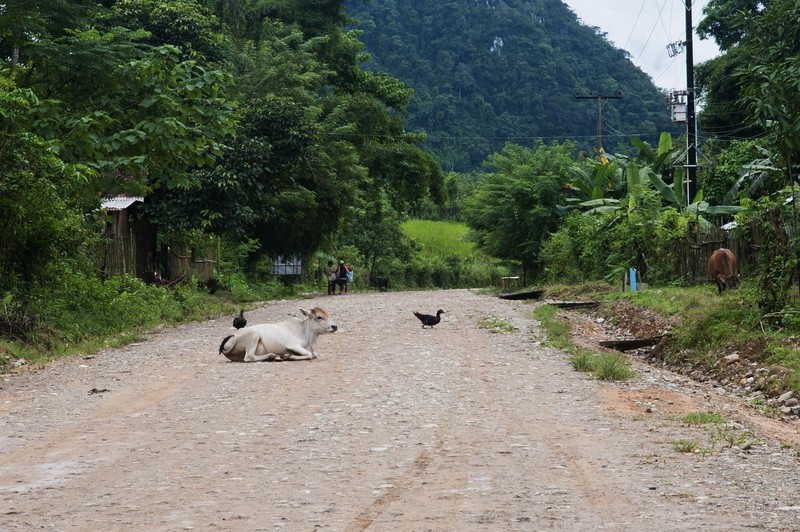
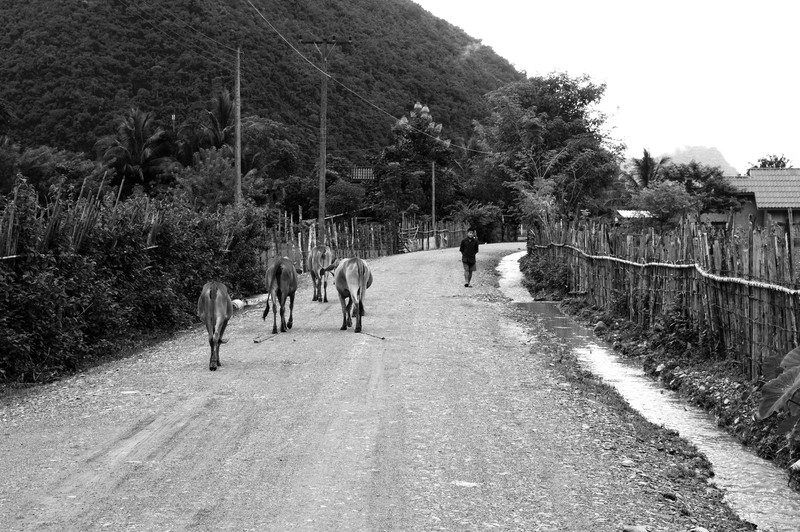
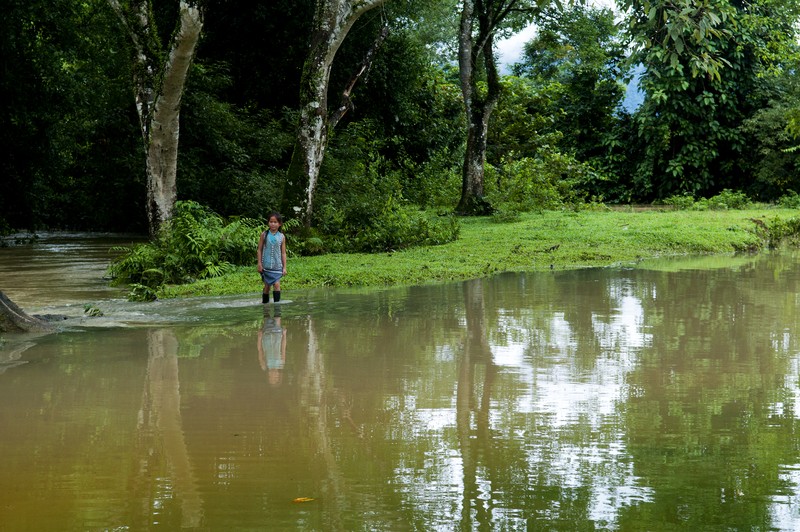
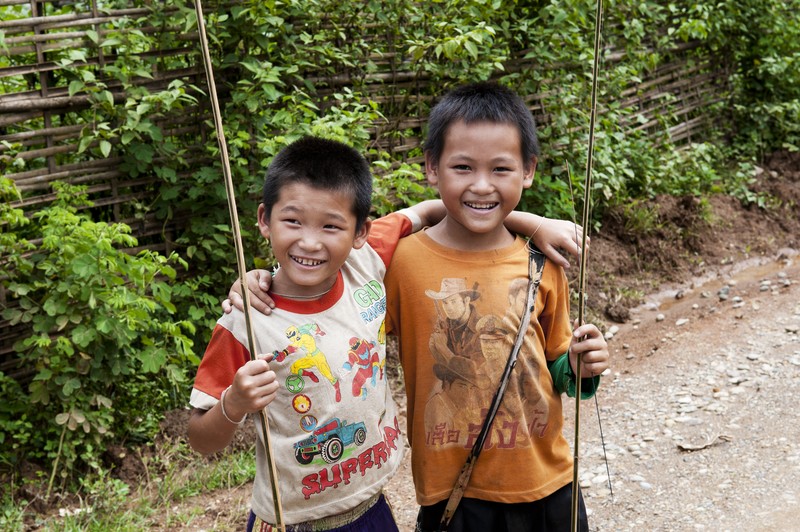
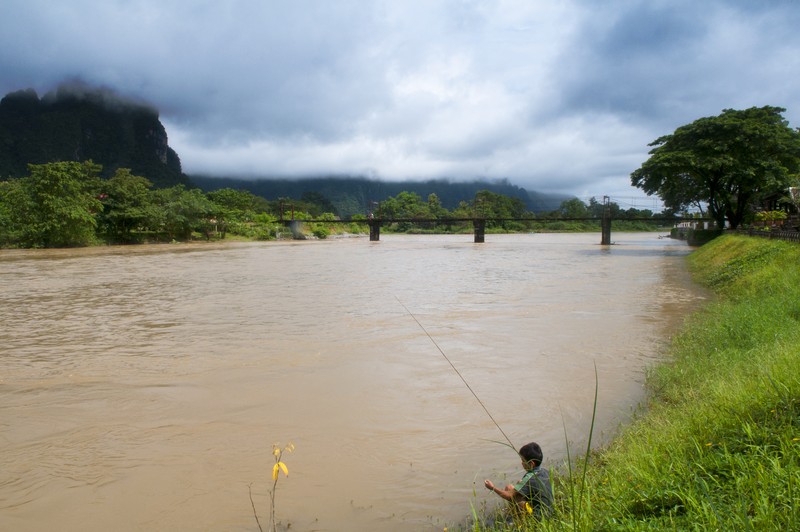
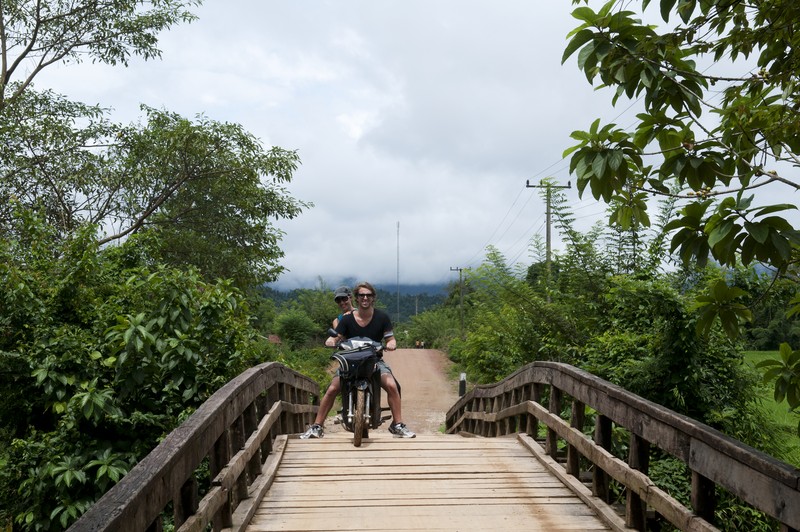
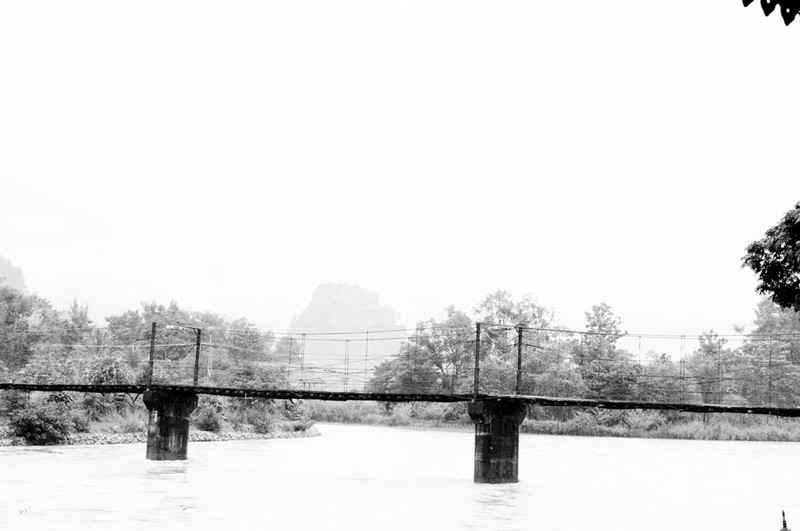
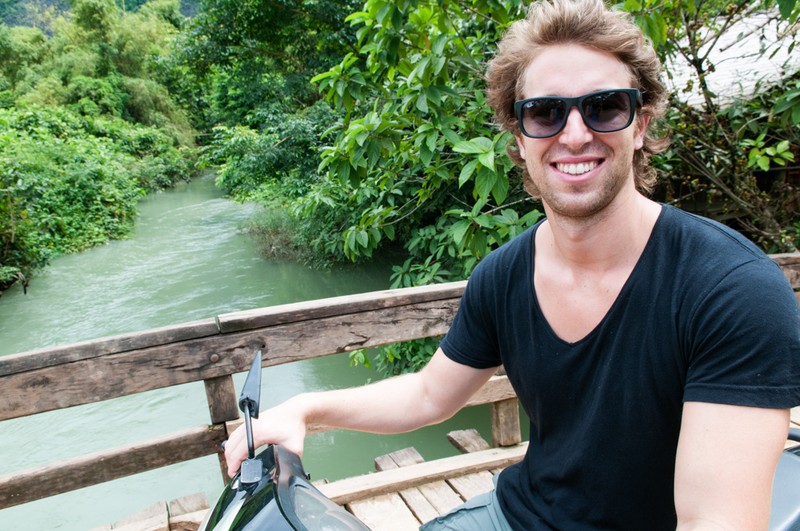
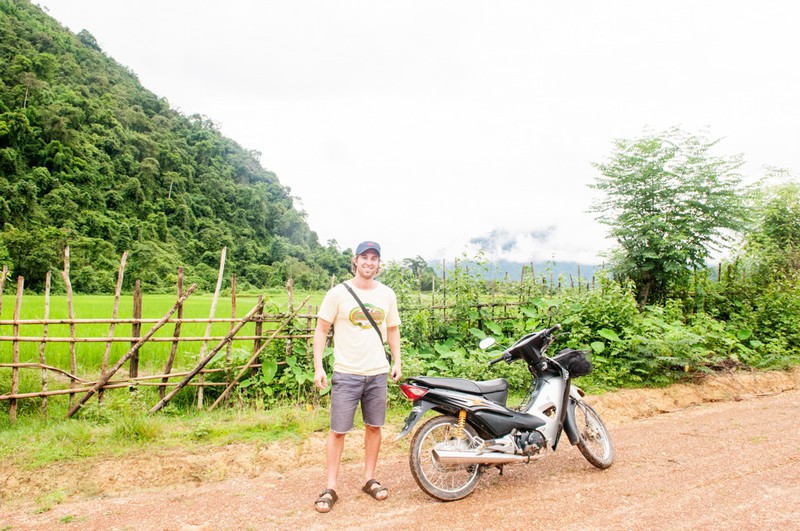
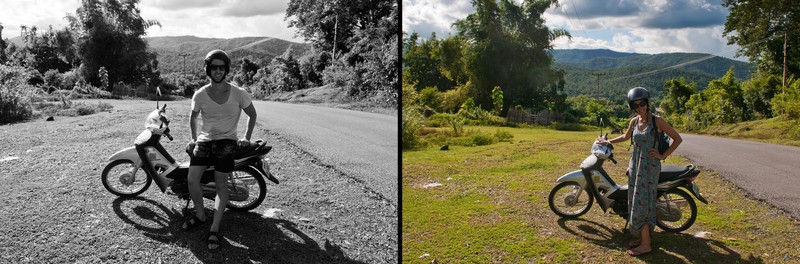
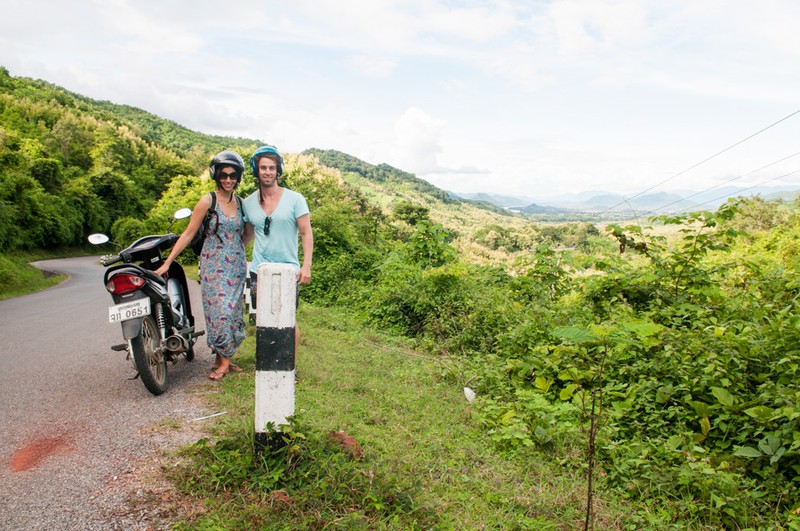
Exploring the outer areas and villages of Vang Vien by motorbike.
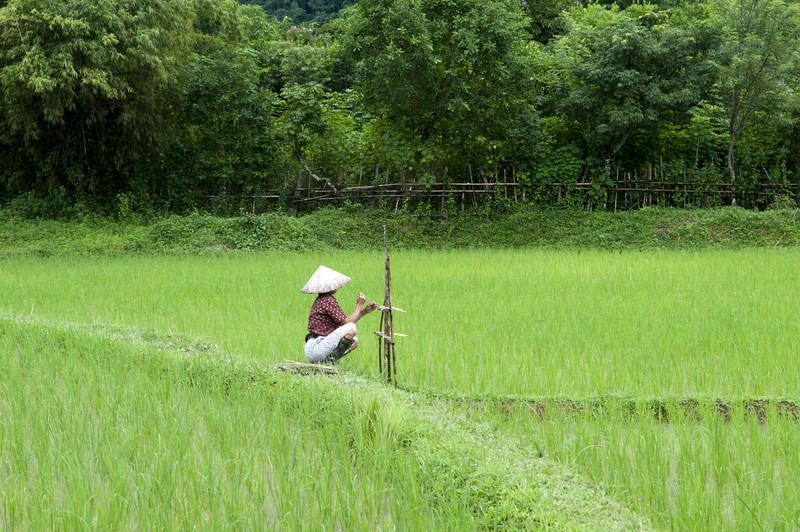
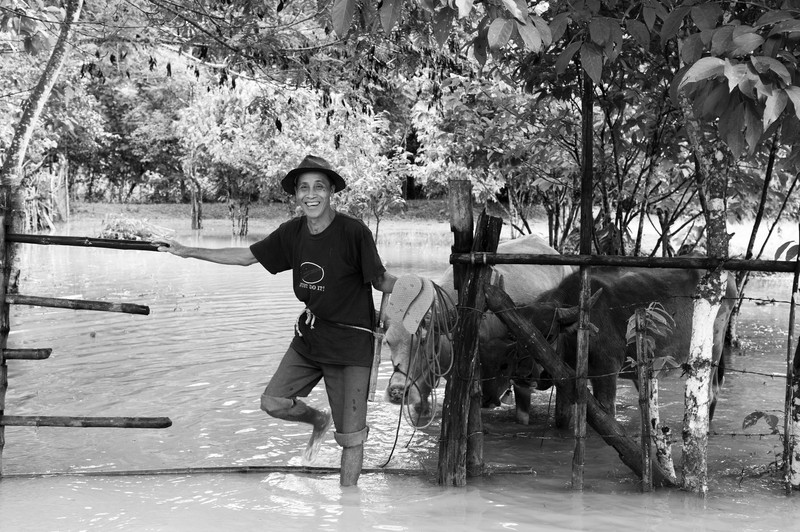
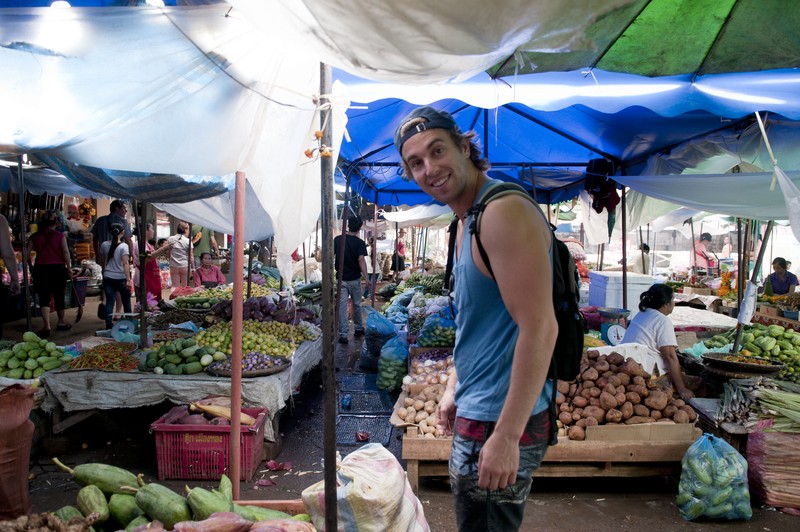
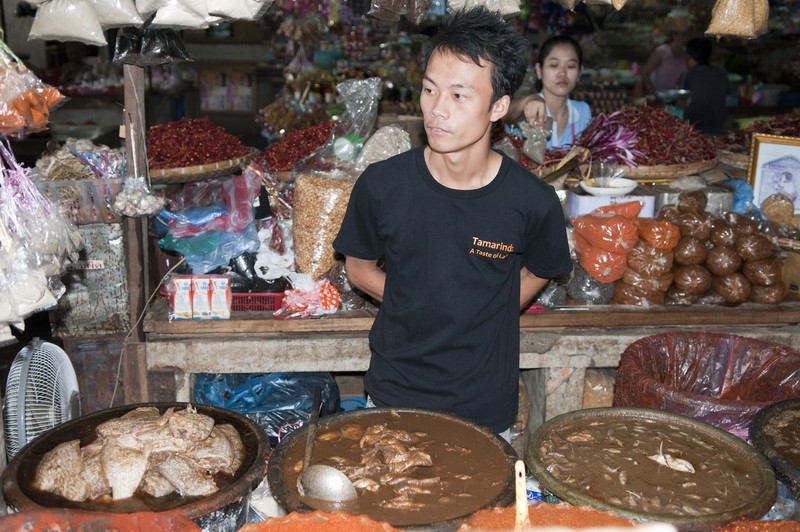
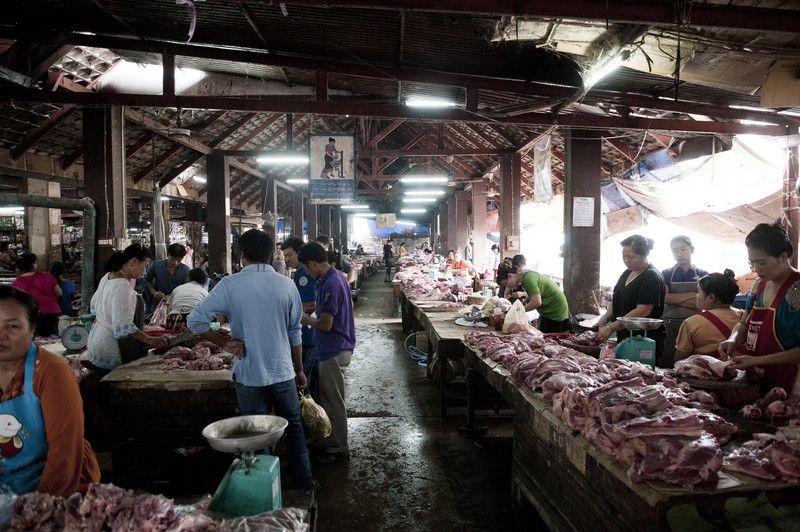
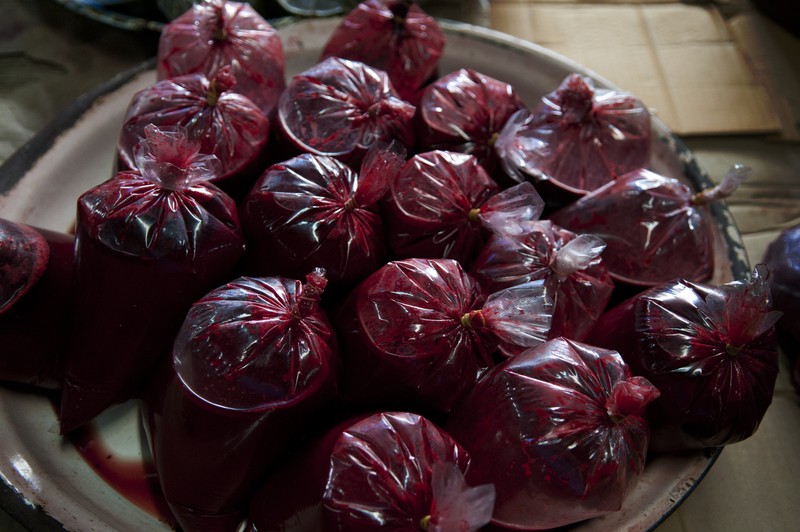
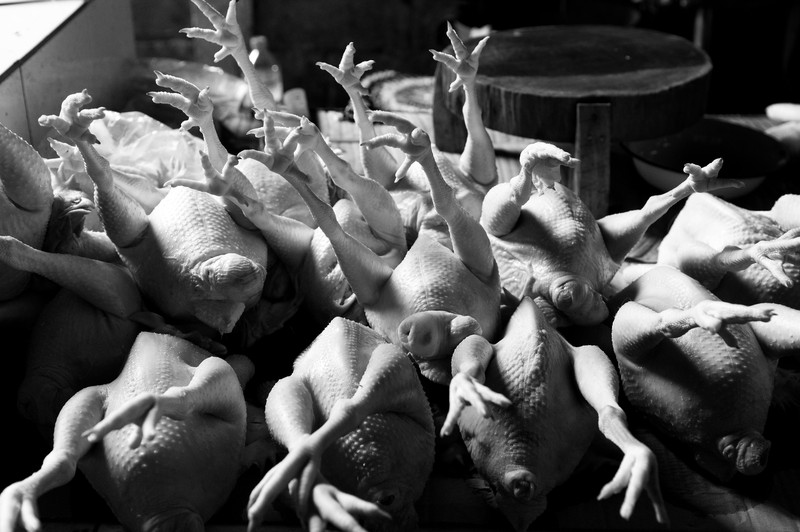
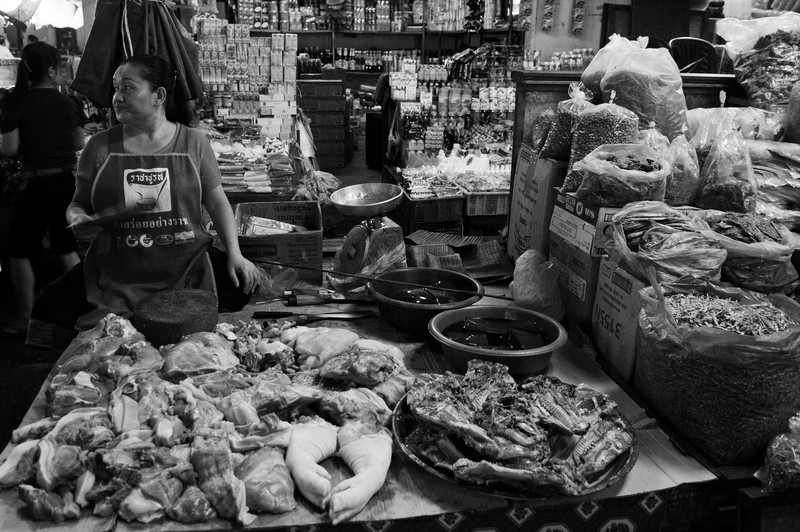
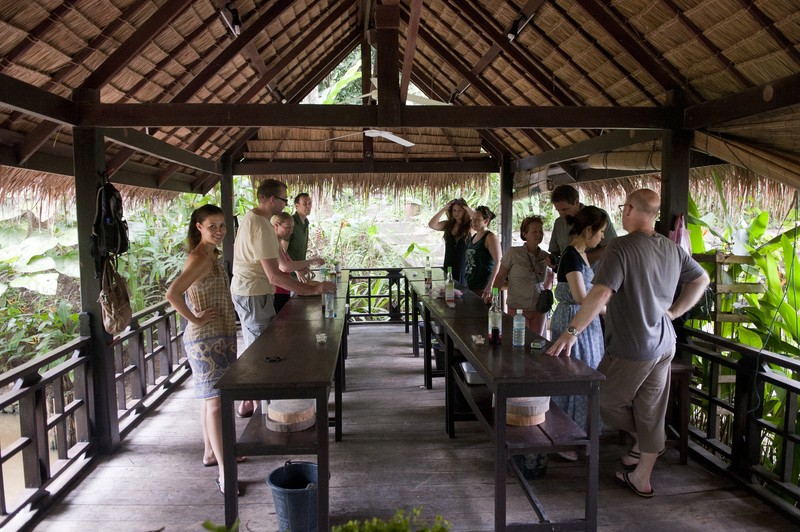
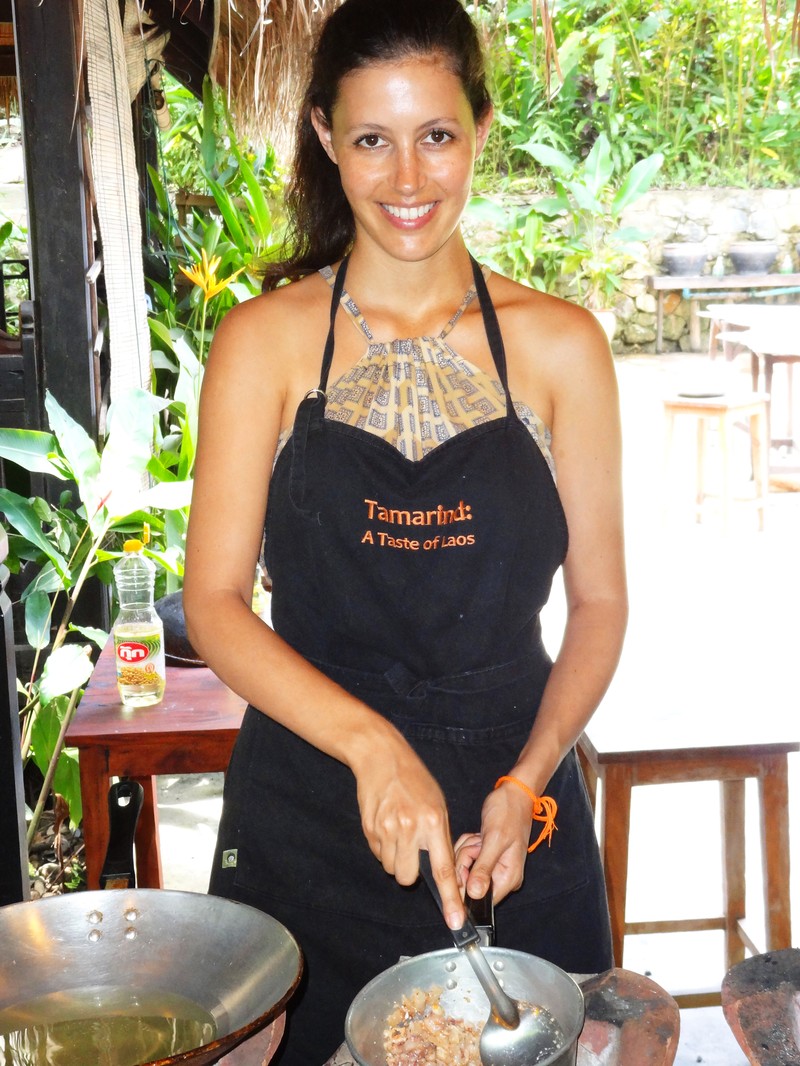
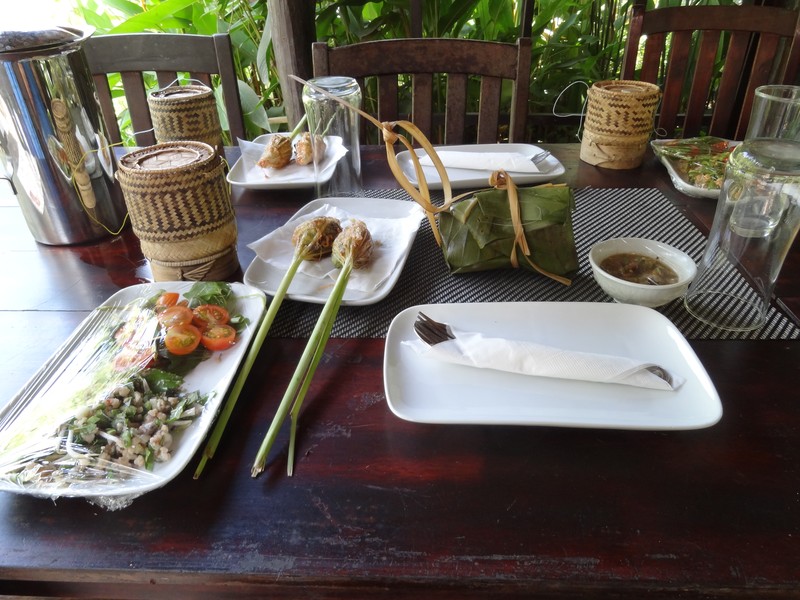
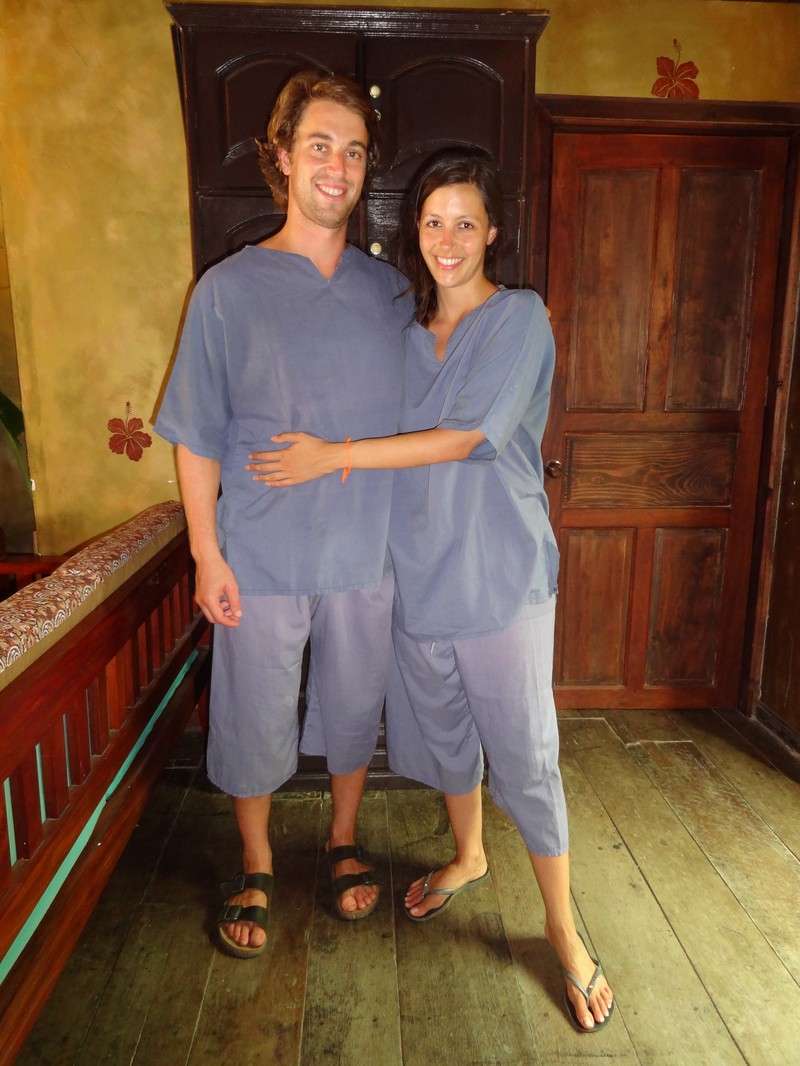
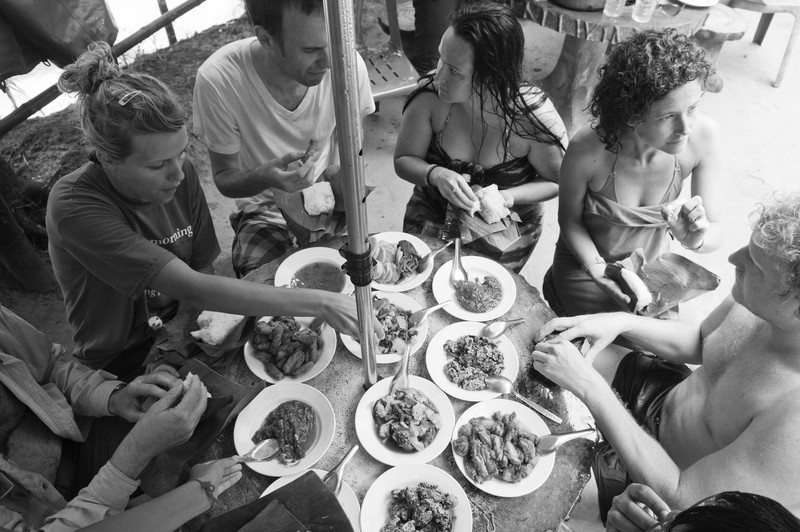
First a trip to the markets – the source of all produce used in the cooking class. Fresh fruit and vegies and a whole range of meats and ‘cuts’ we’d never heard of. The meat market reinforces our choice to be vegequarian on our travels.
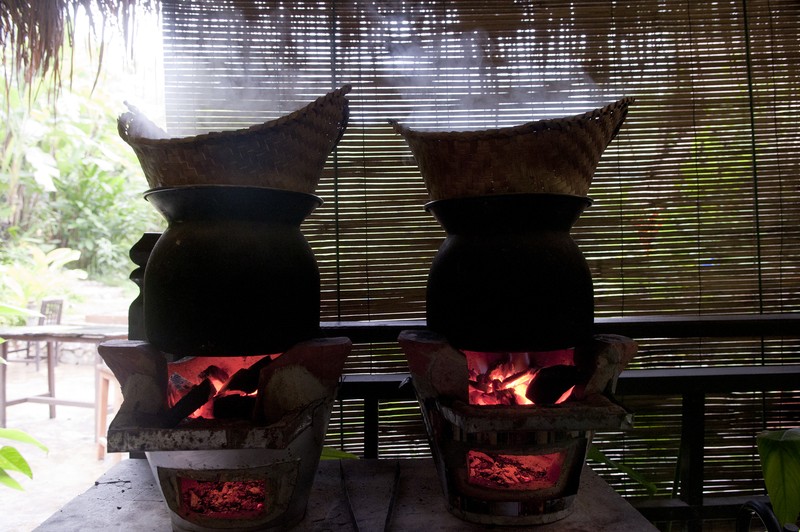
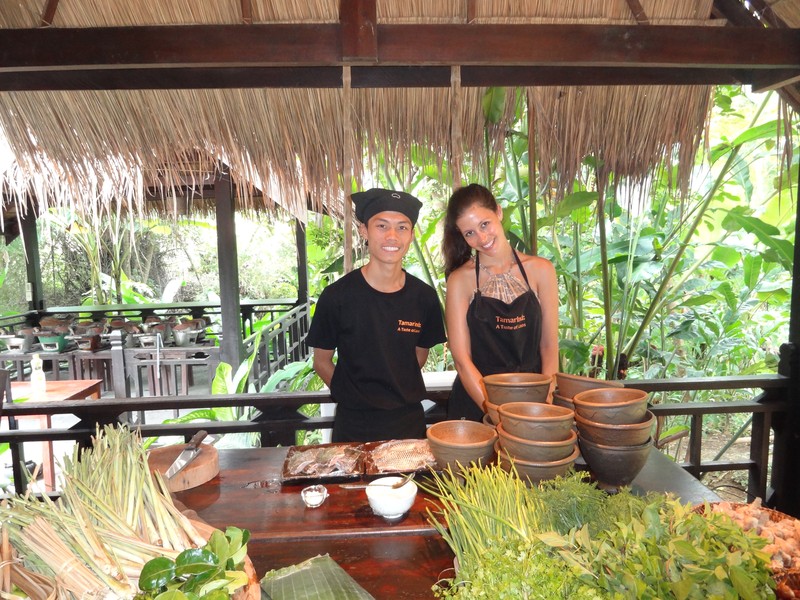
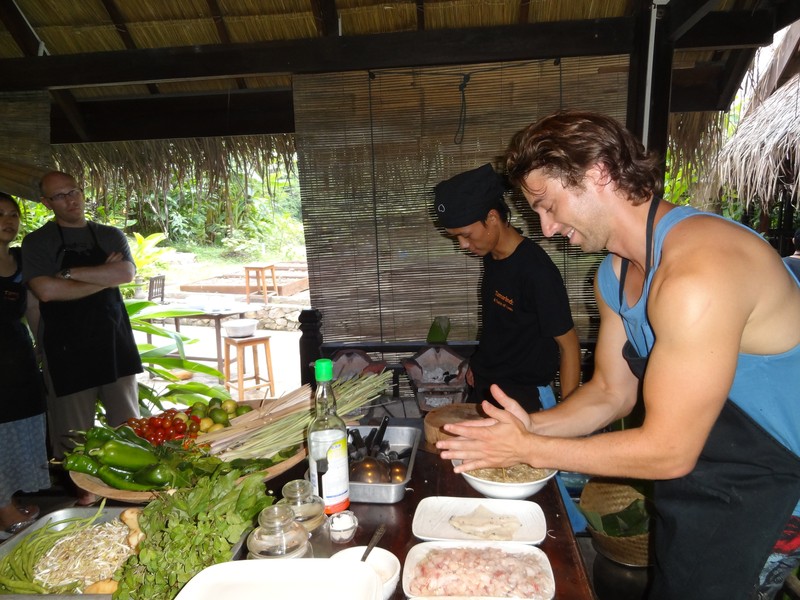
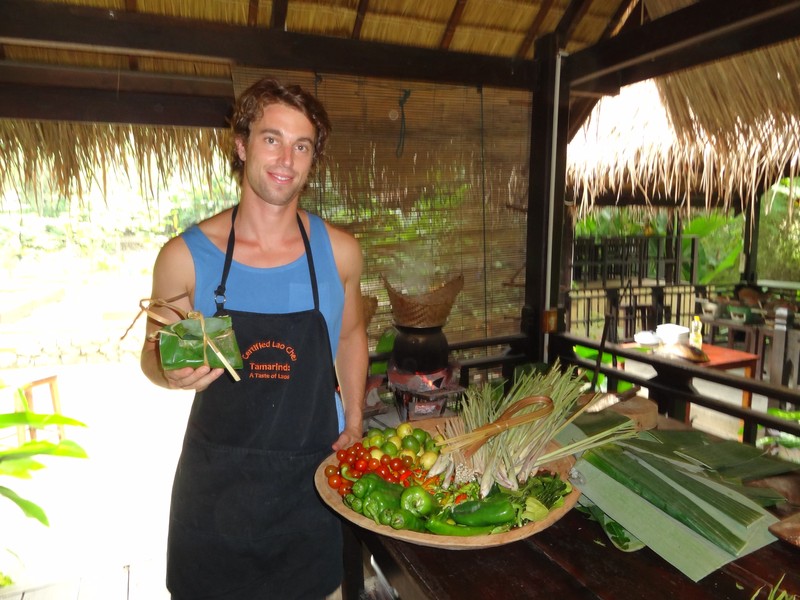
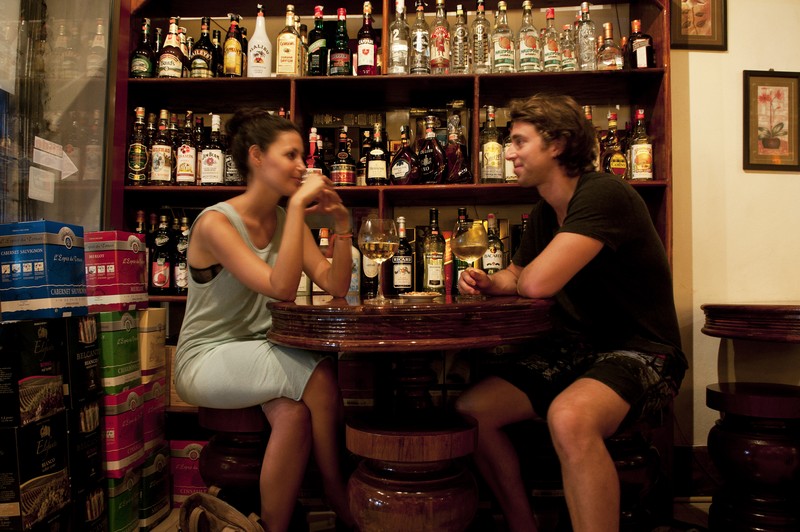
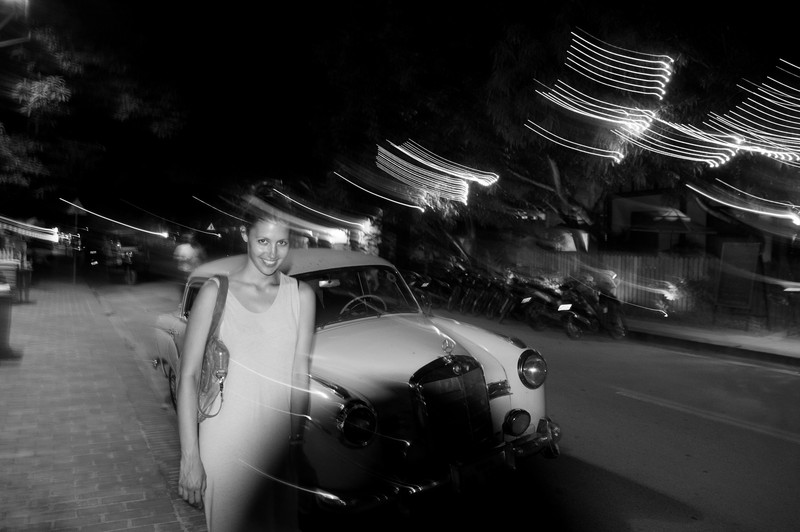

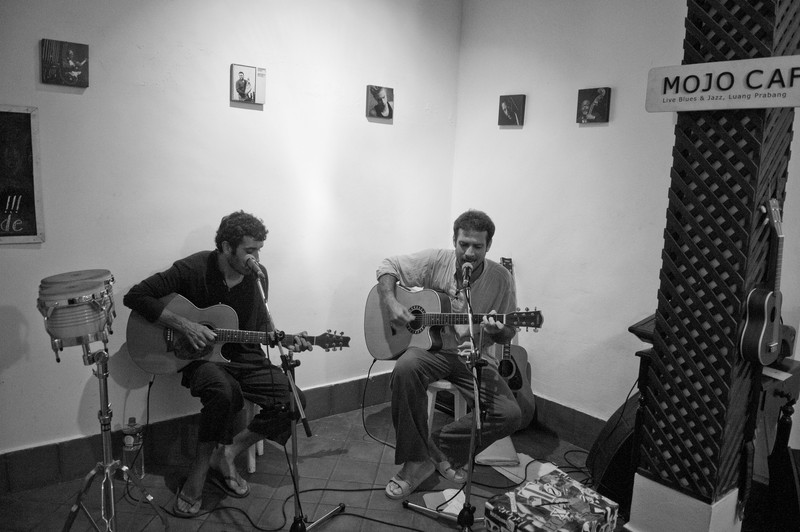
This cafe offered so much more than great lighting. A few sorely missed Western delights ... desperately sought after caffeine (to energise us to push through the heat and humidity and explore for hours on end) served as Espresso, Piccolo, Latte etc (such a rarity in this beautiful little town) not to mention classic Greek yoghurt and muesli for breakfast (a nice opportunity to take a break from the more traditional Luang Prabang breakfasts).
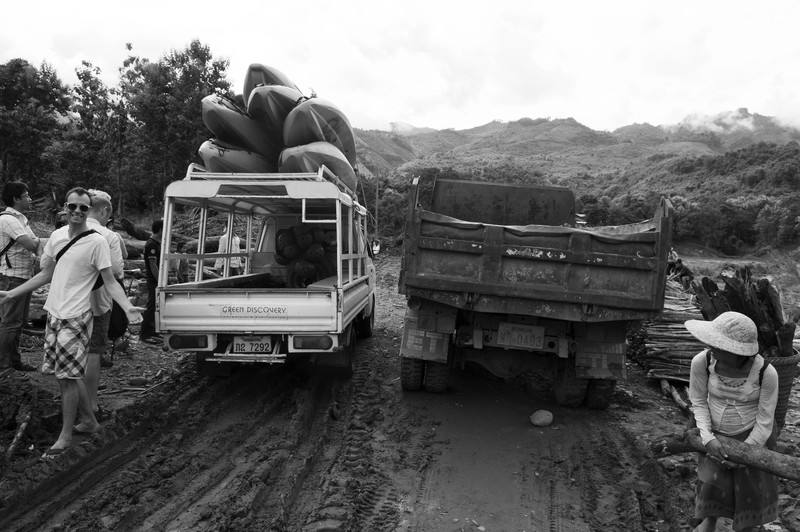
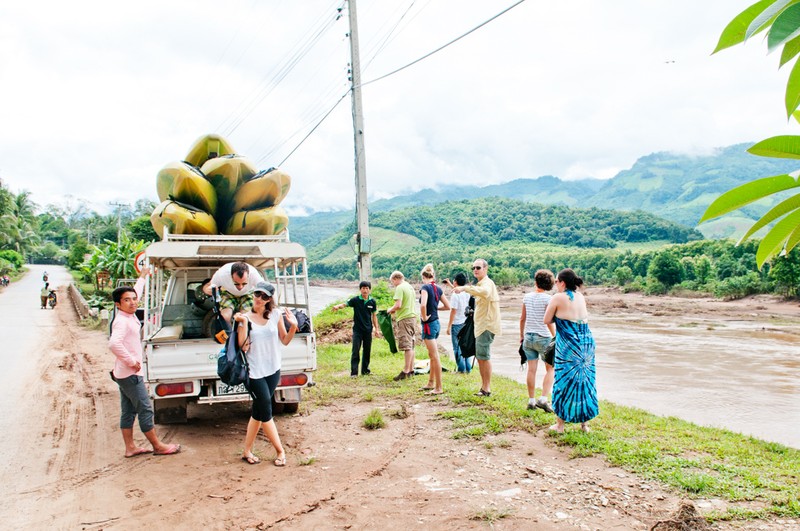
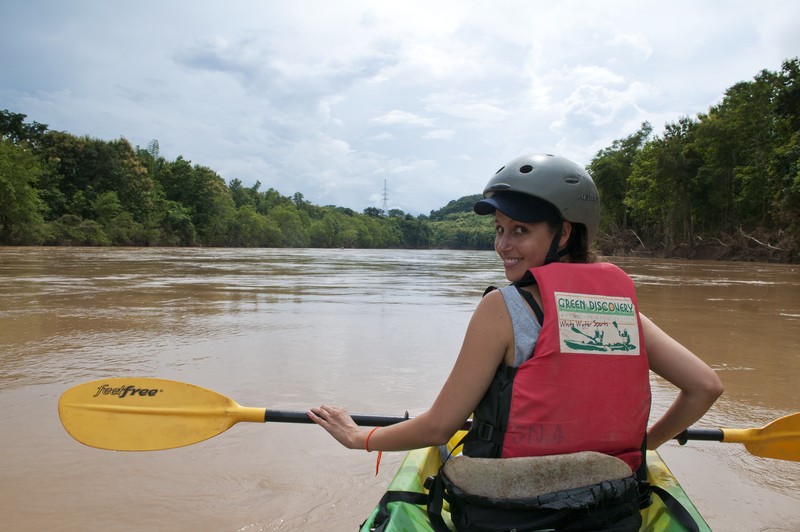

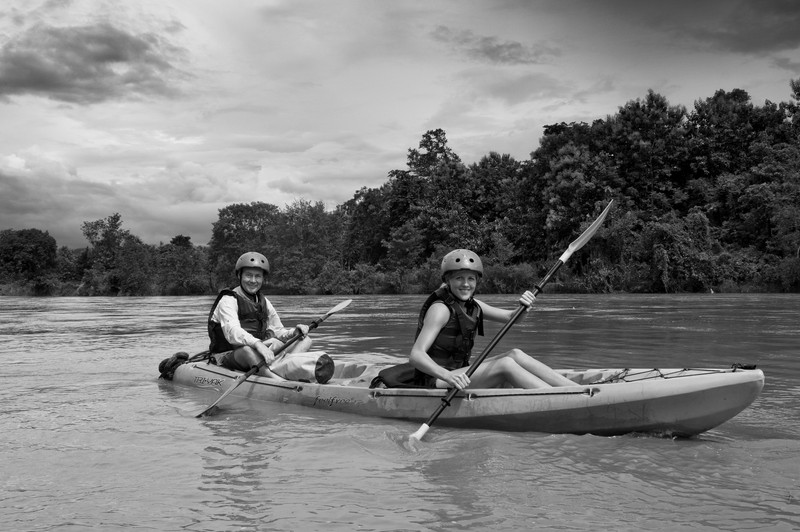
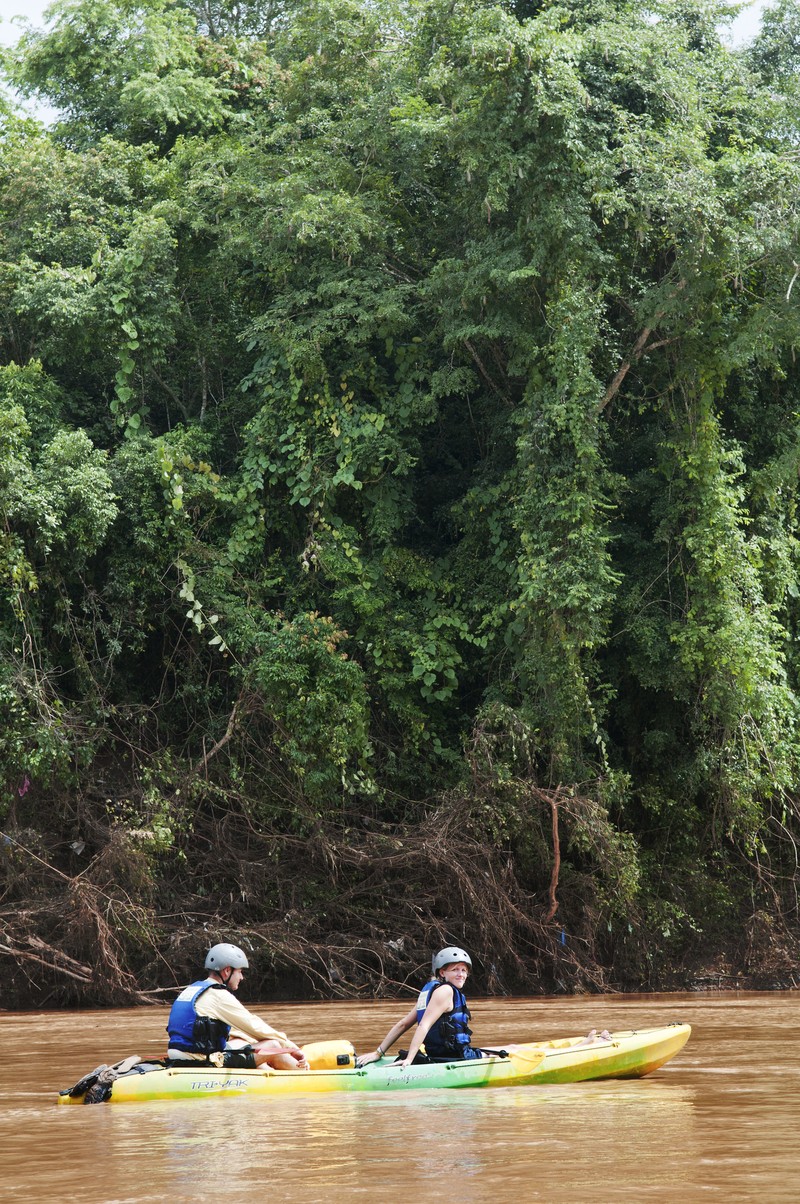
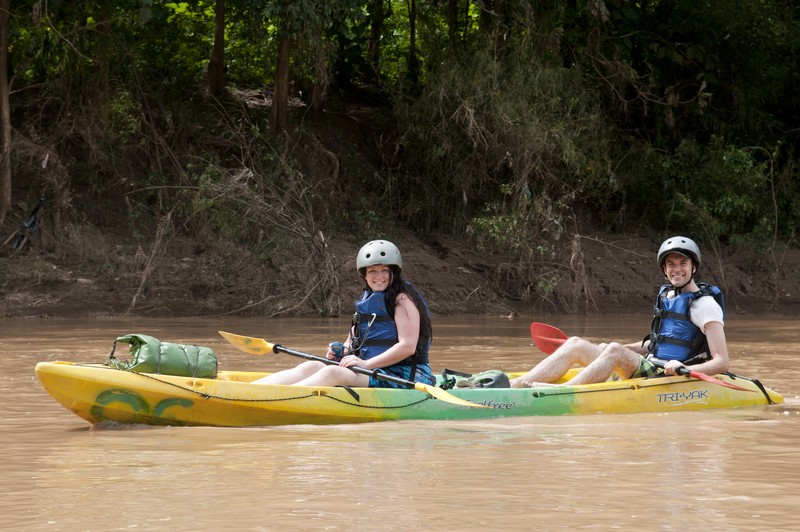
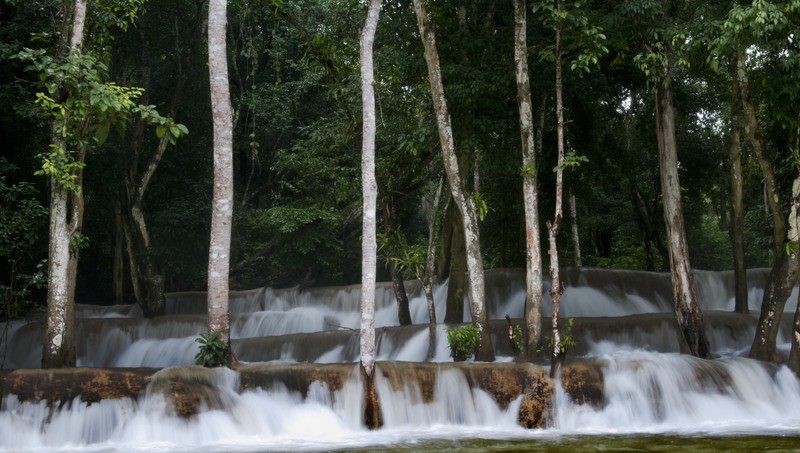
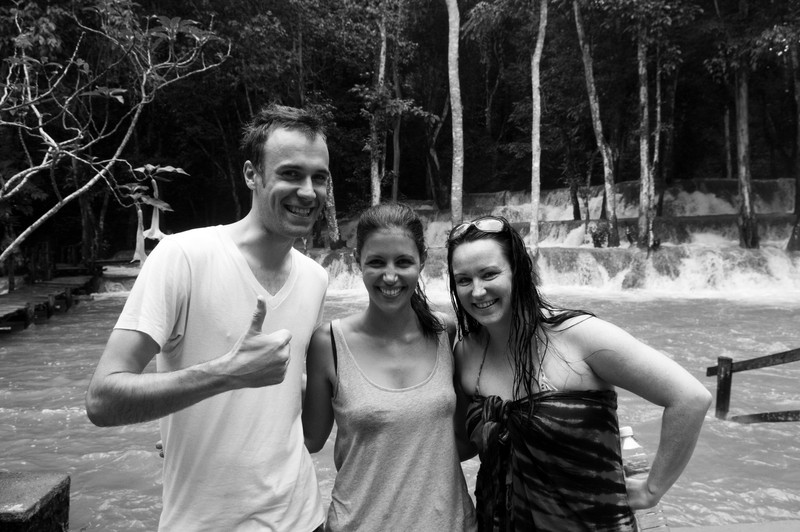
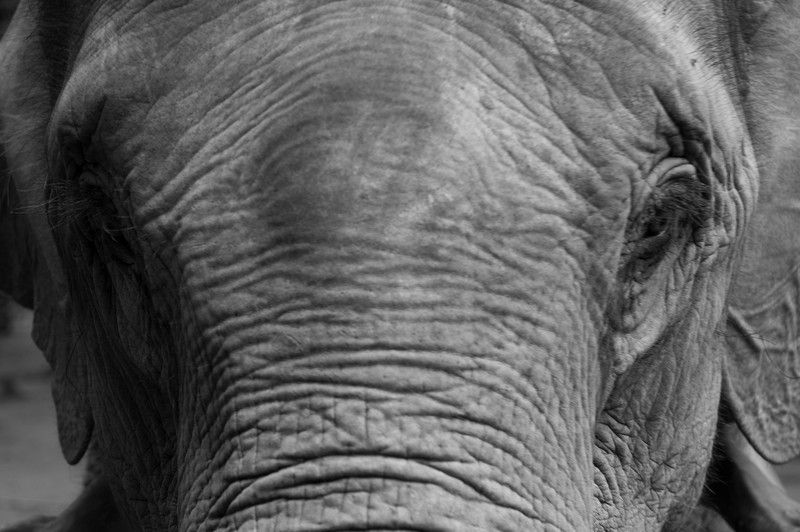
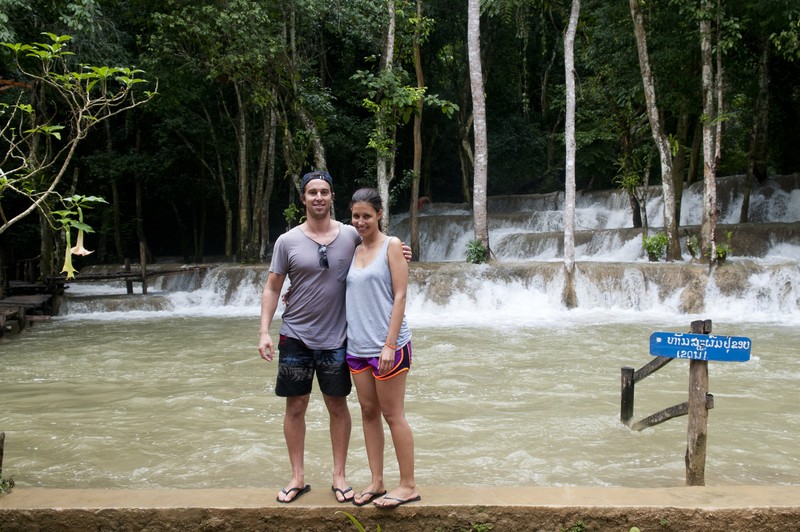
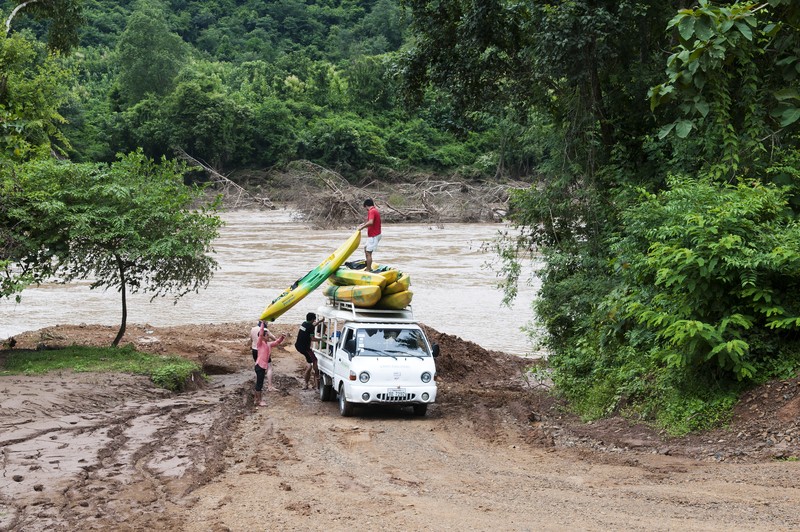
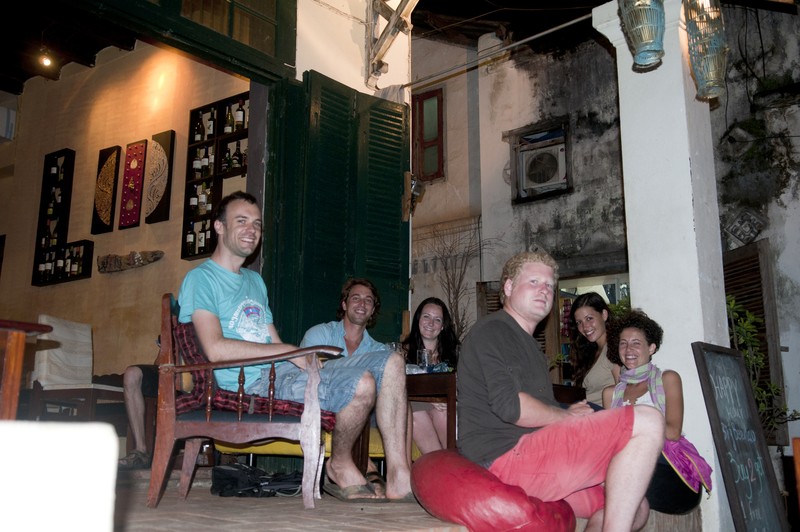
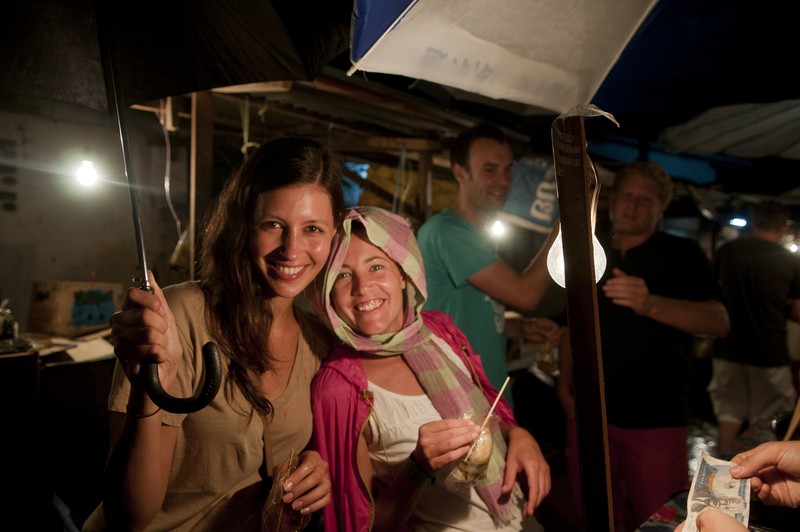
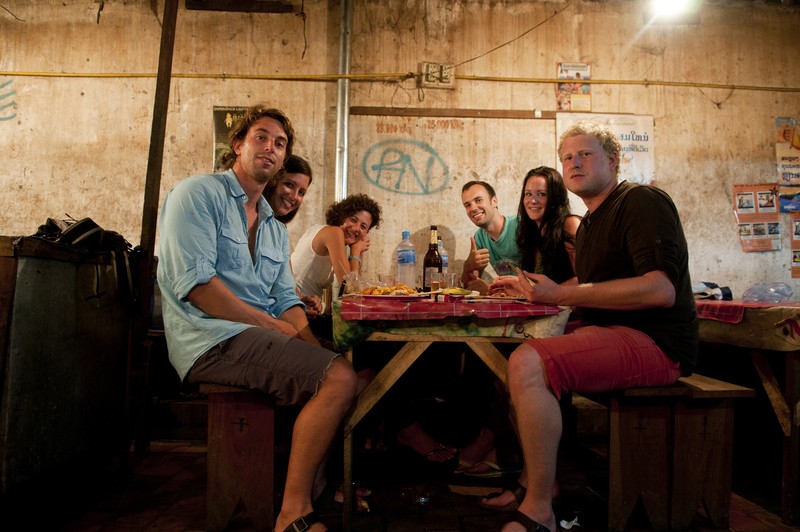
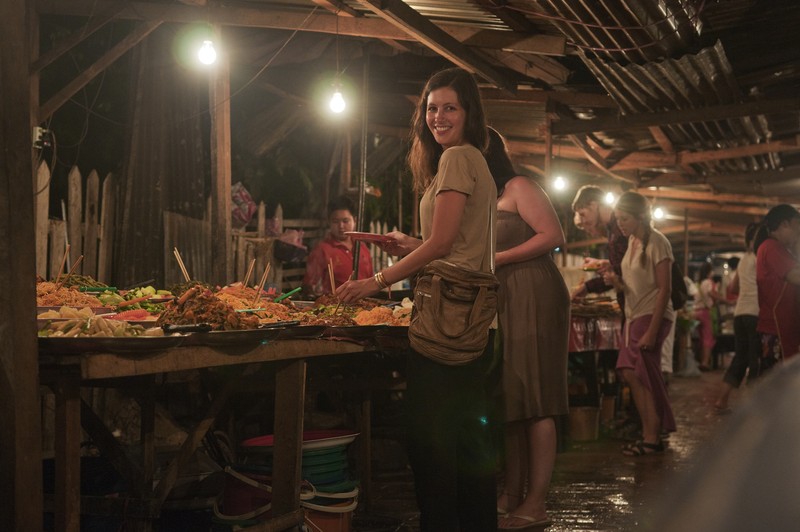
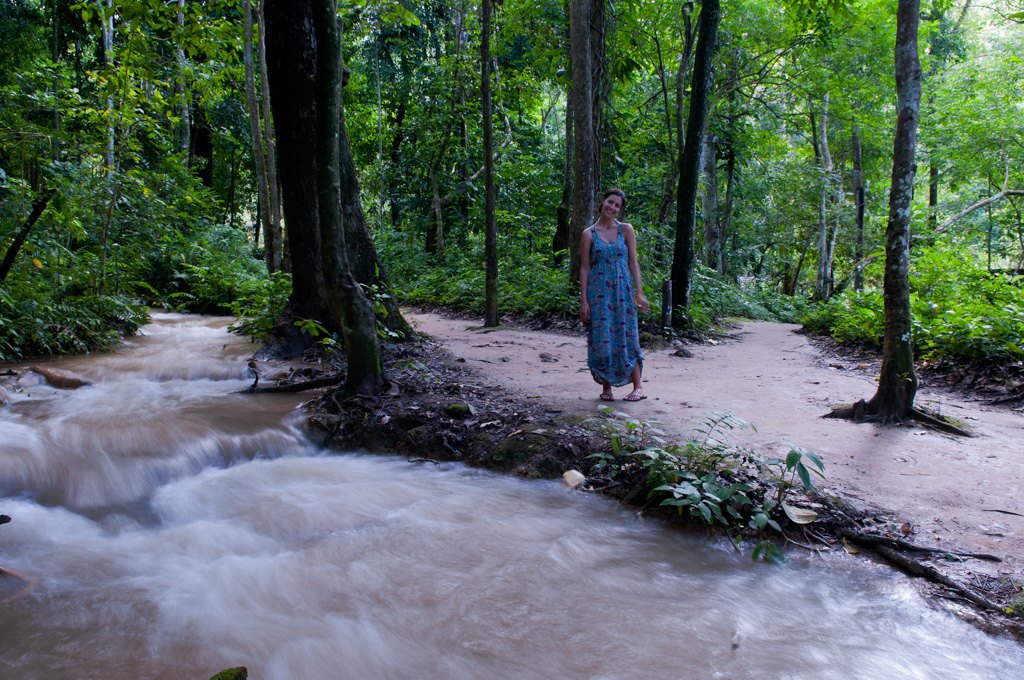
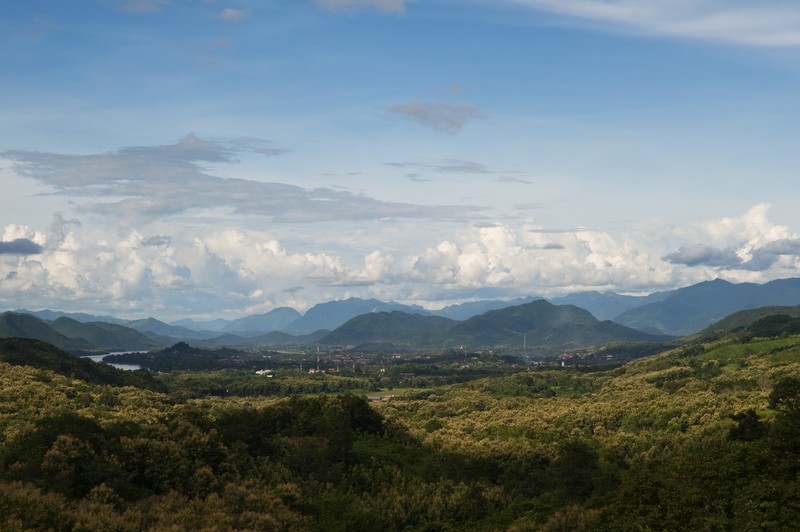
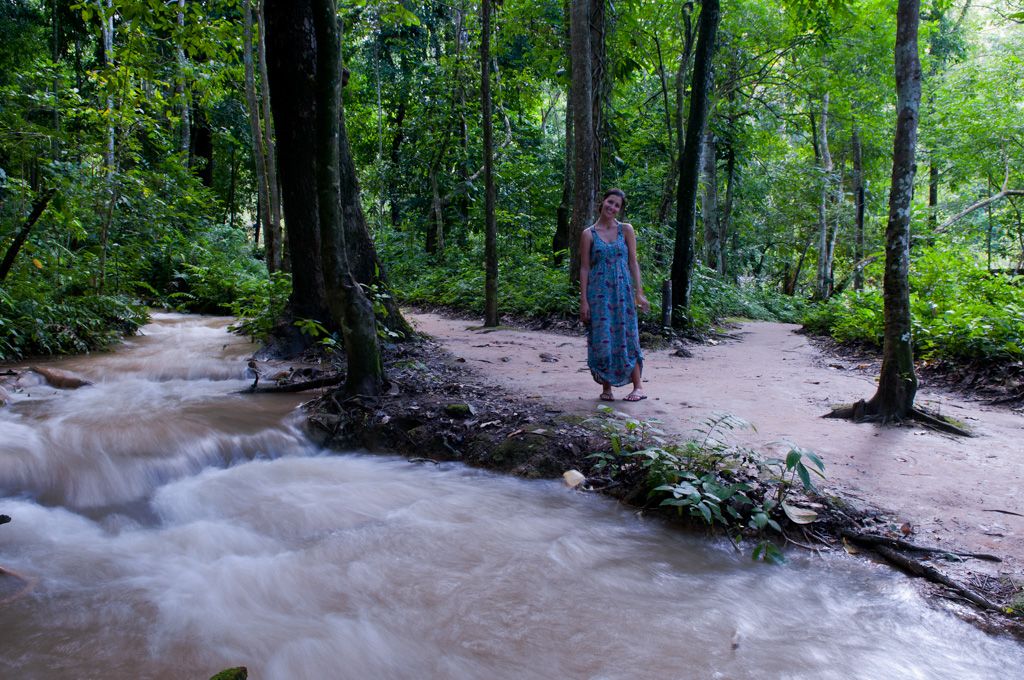
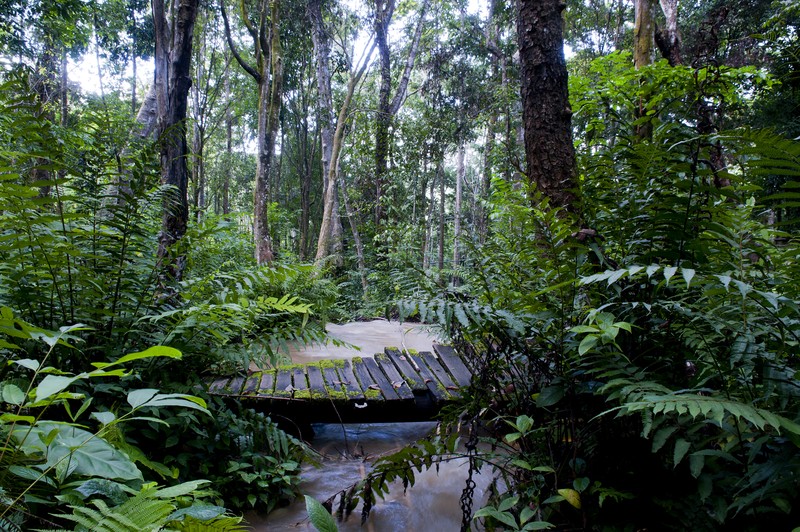
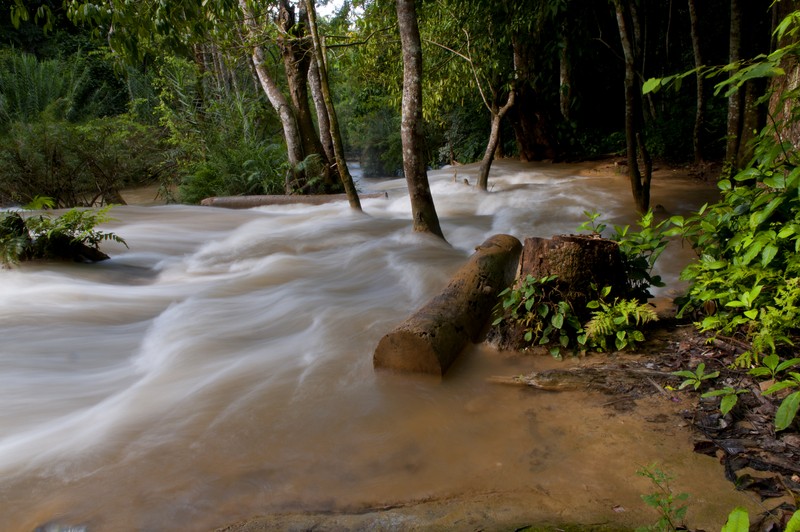
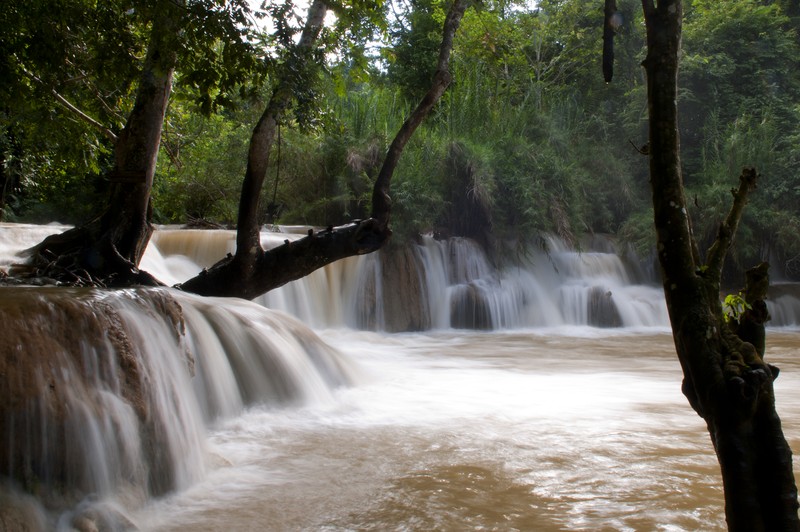
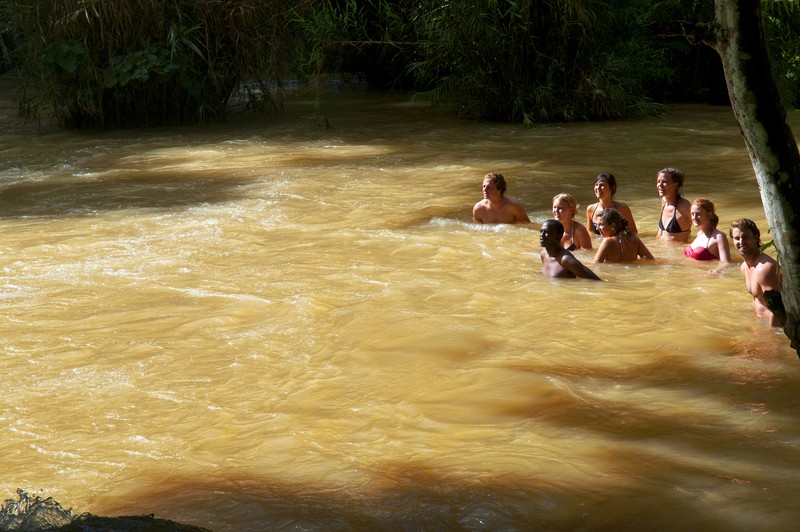
We hired a motorbike and drove the windy 36km to Kuang Si Waterfall passing small villages, dense jungle, karsts and panoramic views.
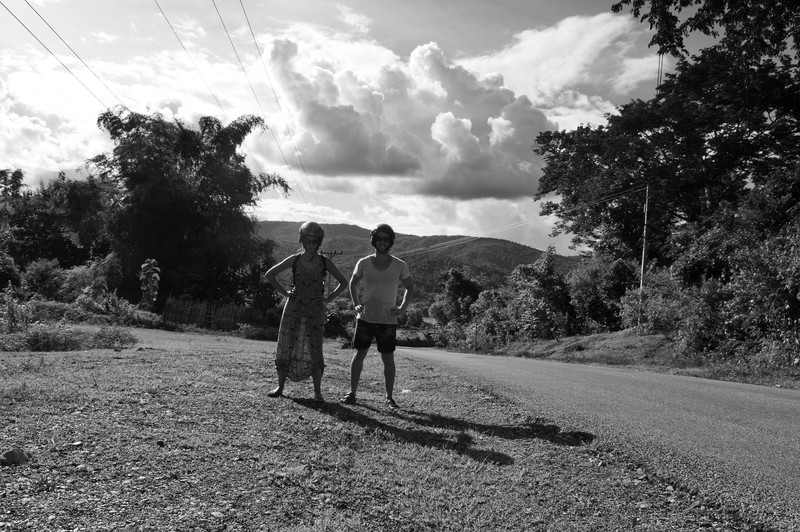
Twenty years from now you will be more disappointed by the things that you didn't do than by the ones you did do. So throw off the bowlines. Sail away from the safe harbor. Catch the trade winds in your sails. Explore. Dream. Discover. – Mark Twain
The most overused quote but I like it and it still resonates so deeply.

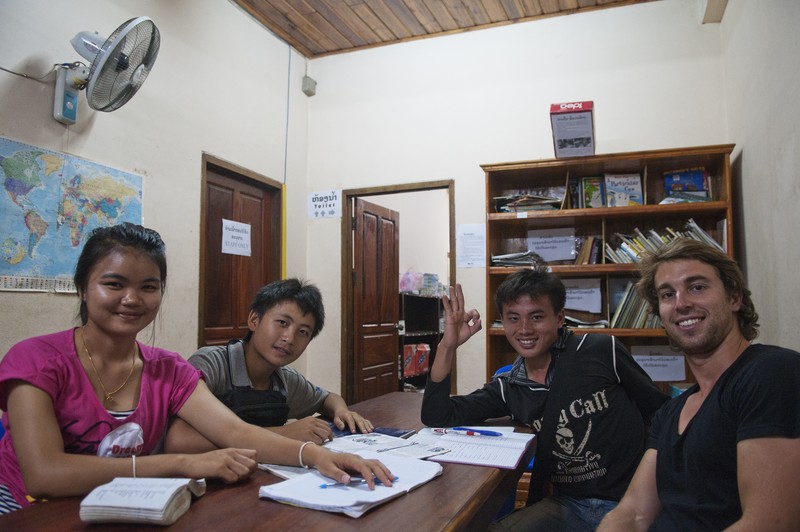
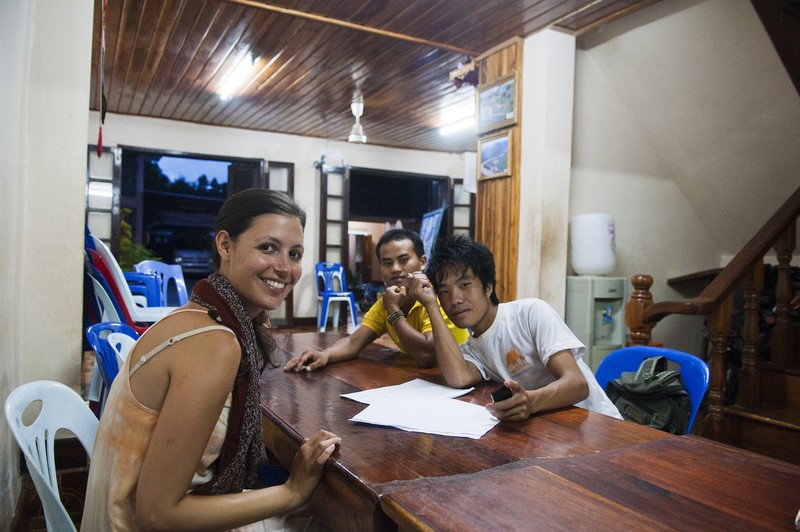
Studious group of Laotians eager to learn English.
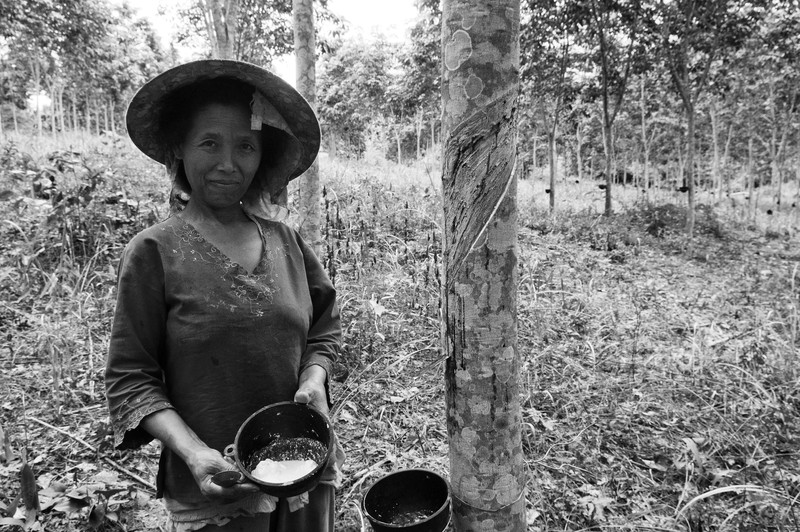
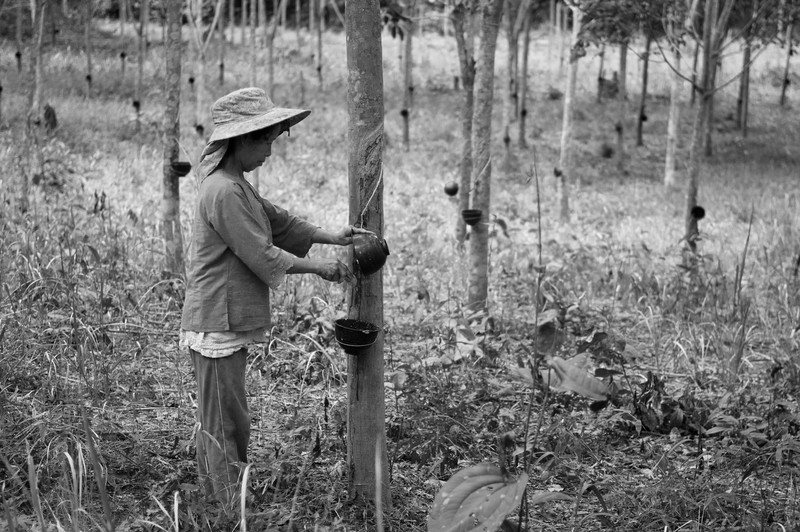
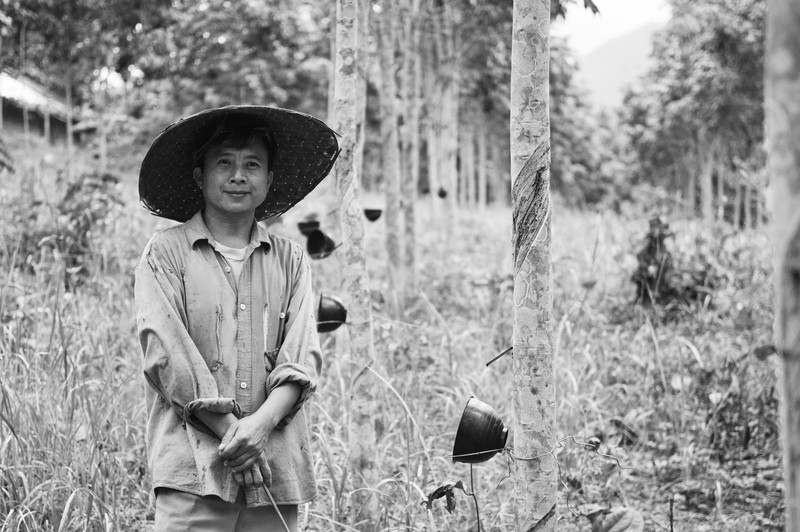
The trees are "bled" for their sap, which pools in the small black bowls and slowly coagulates forming rubbery white material ready for refining.
It is slow going ... each tree only delivers a very small amount of rubber.
The incisions into the bark of the tree are visible in each photo. They are made in such a way that the sap streams down the trees' trunks and into the buckets.