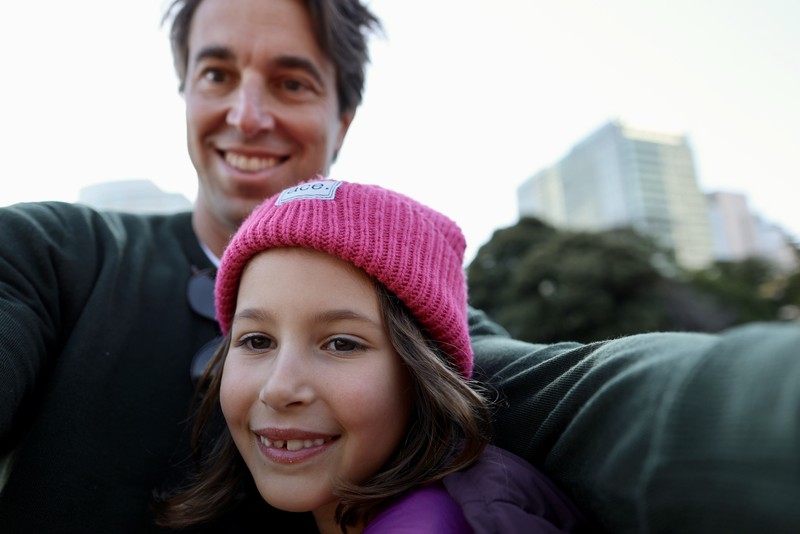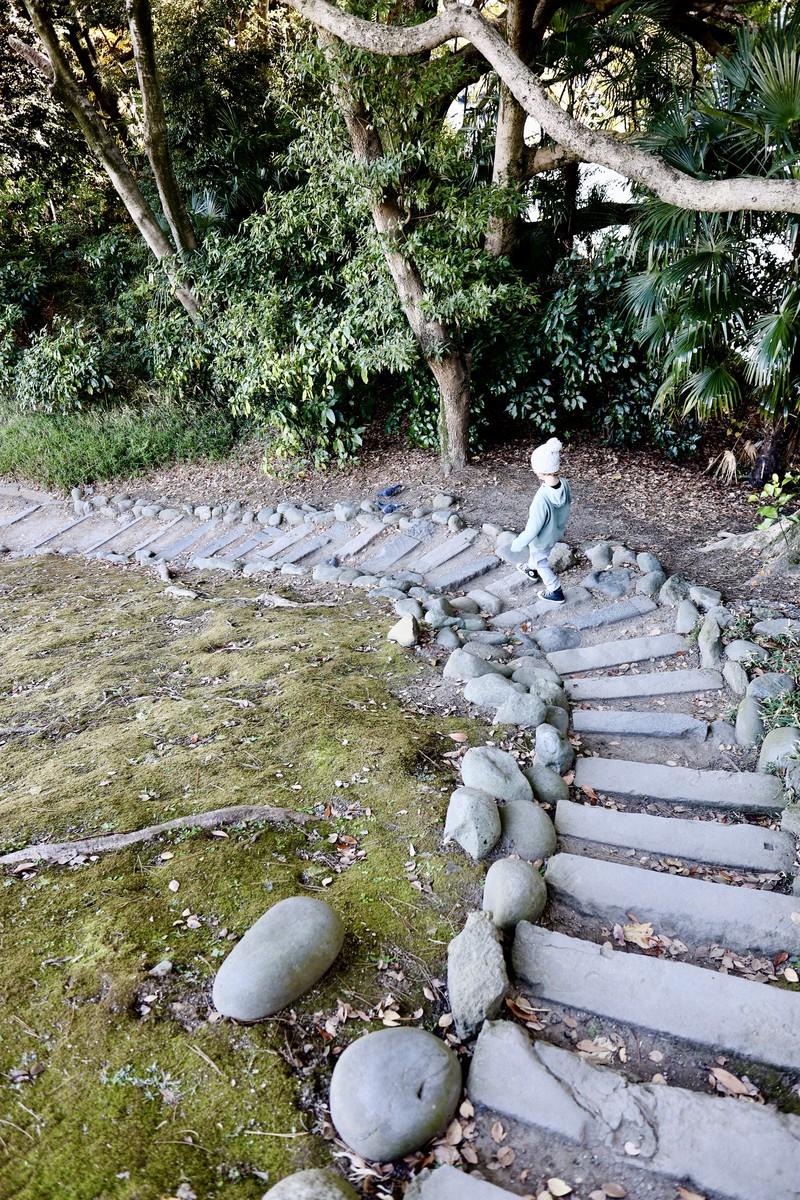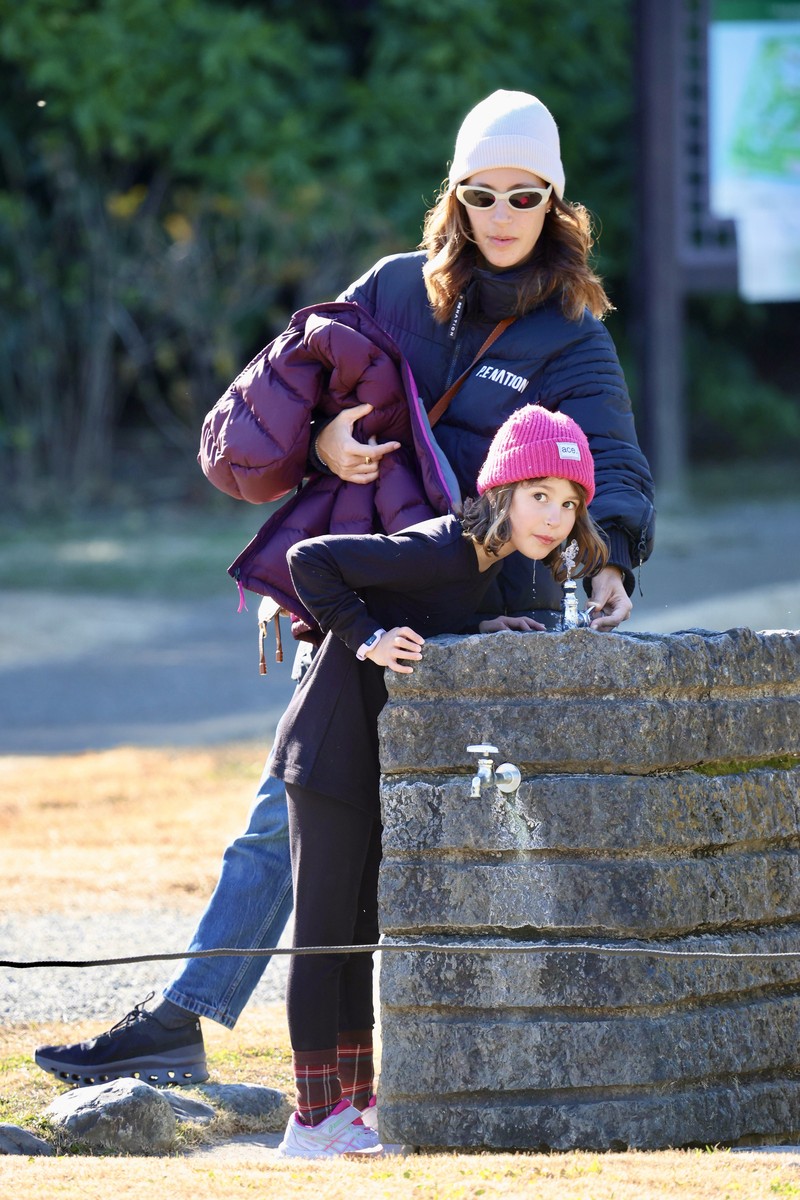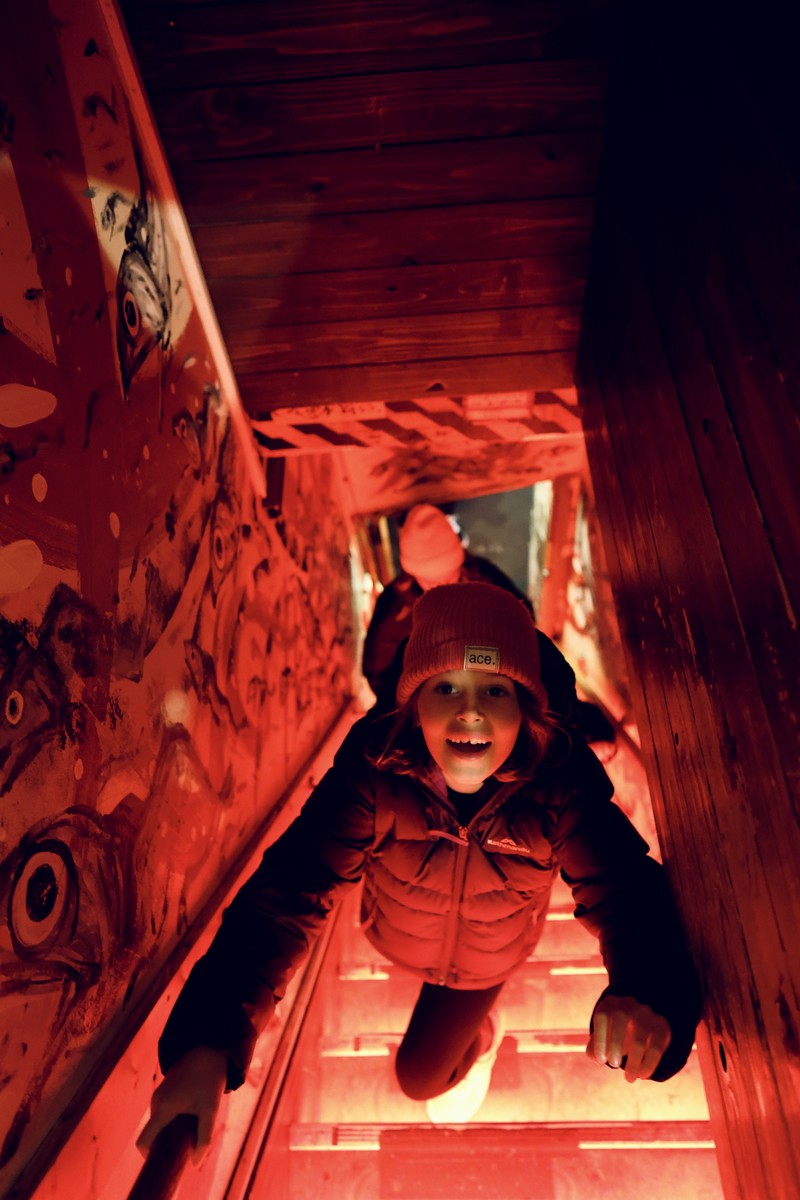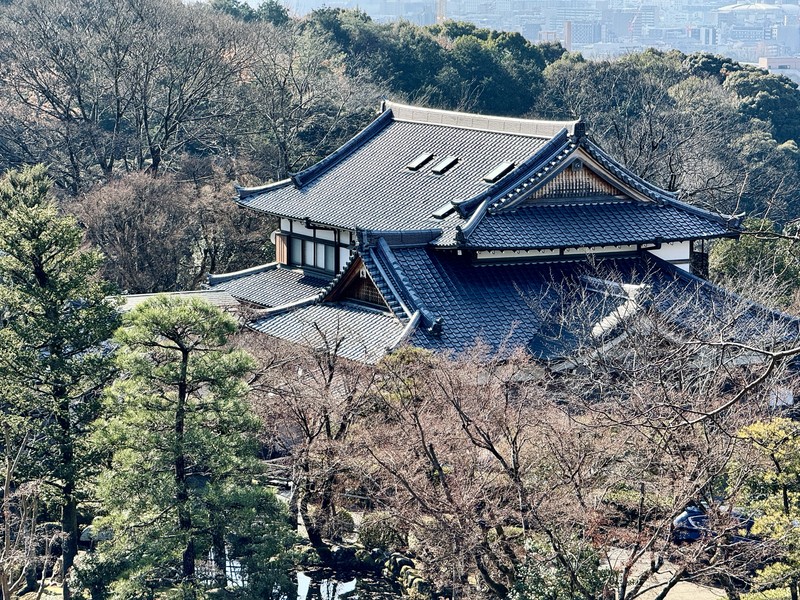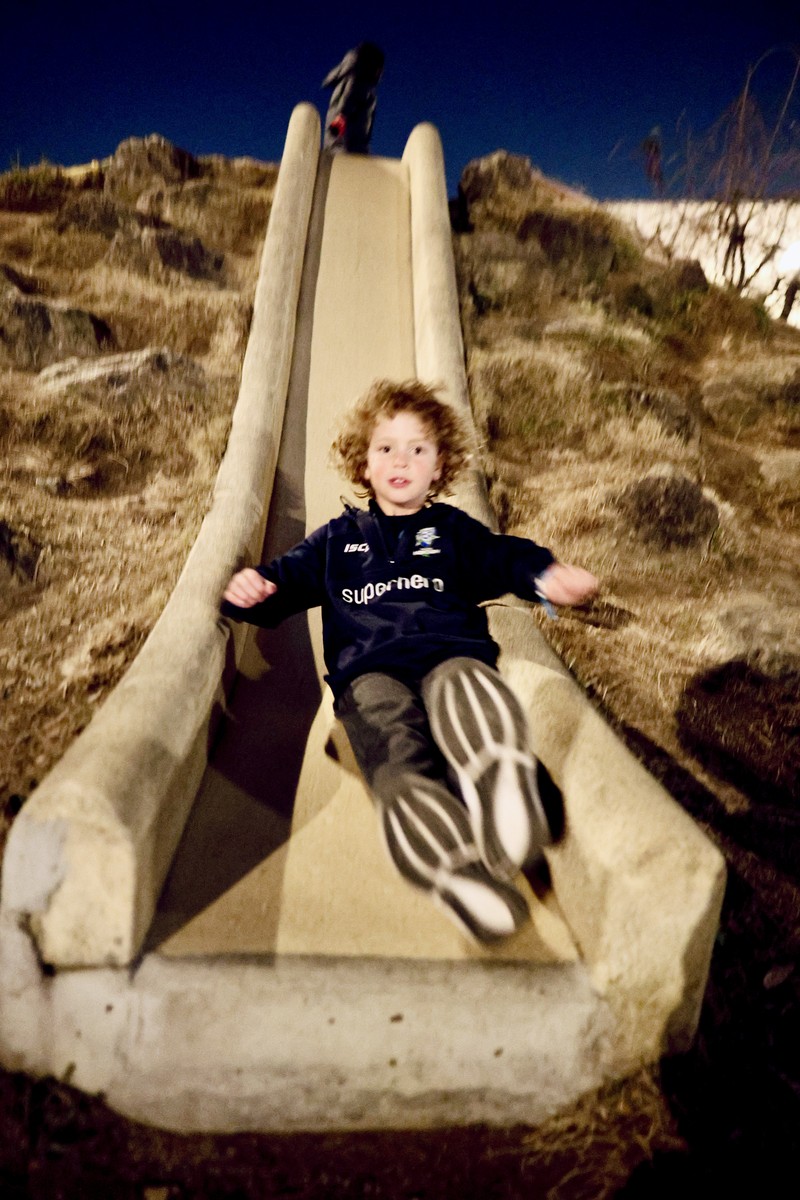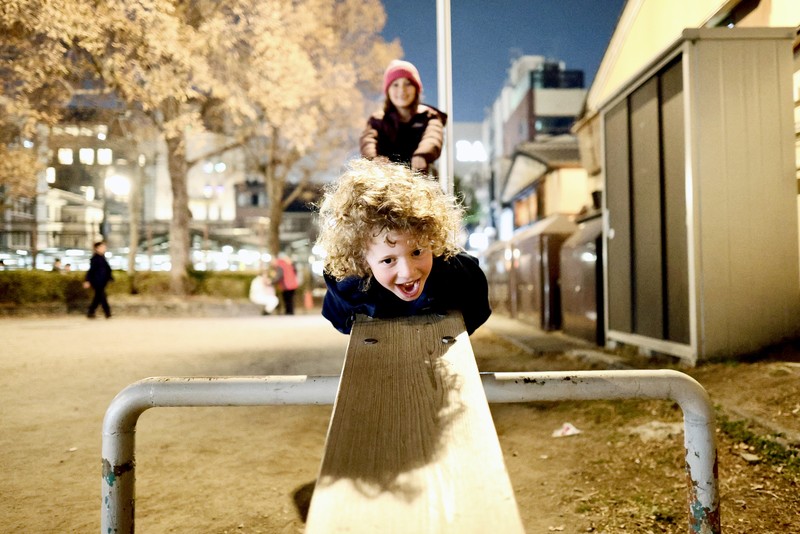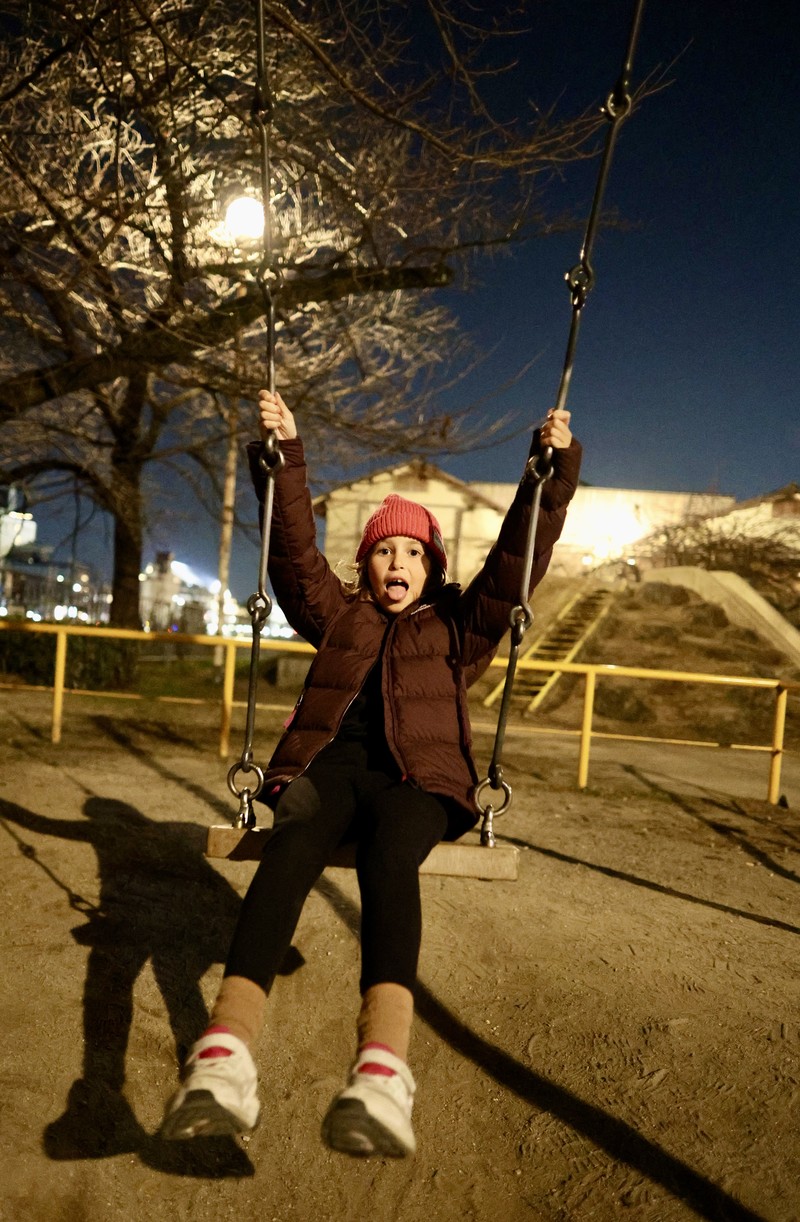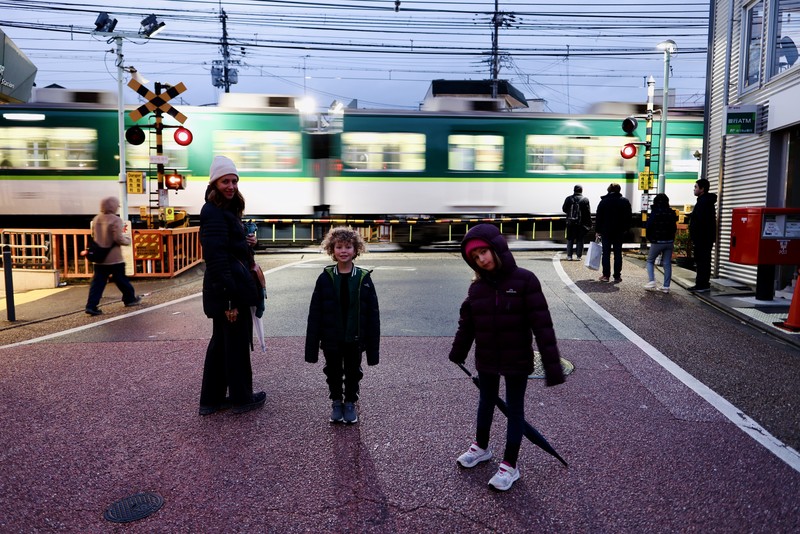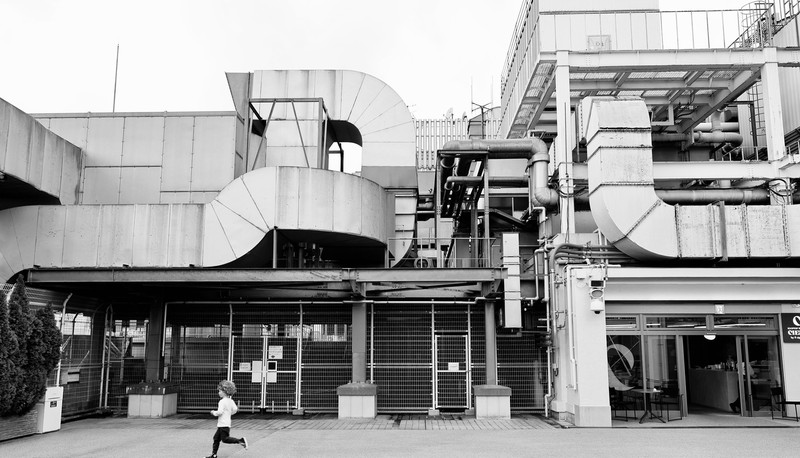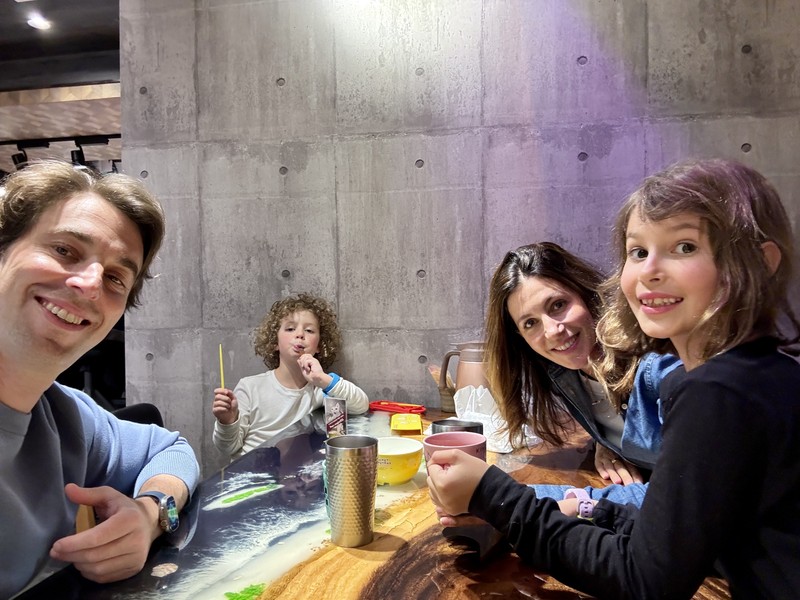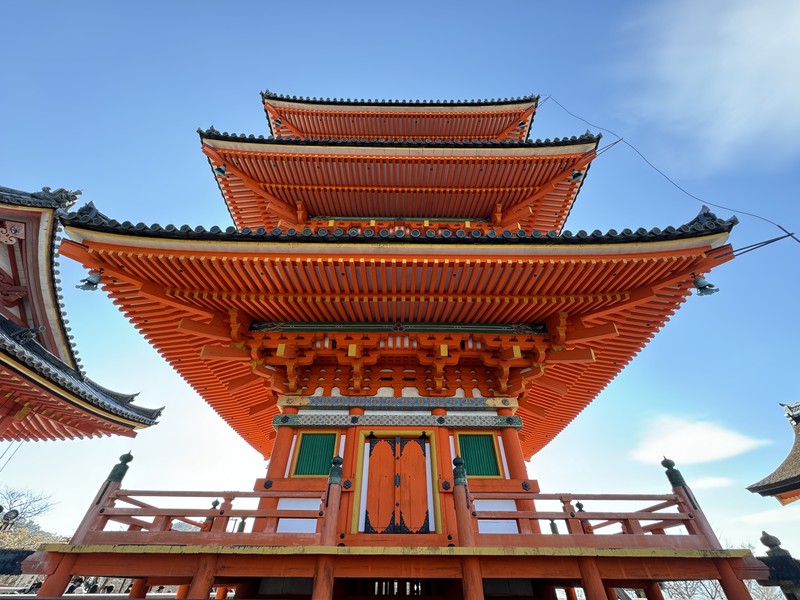
Entirely new territory. Tokyo in overdrive, Kyoto’s temples and alleyways, the mammoth stone walls of Osaka Castle and Kanazawa, where the trip takes an unexpected turn on New Year’s Day.
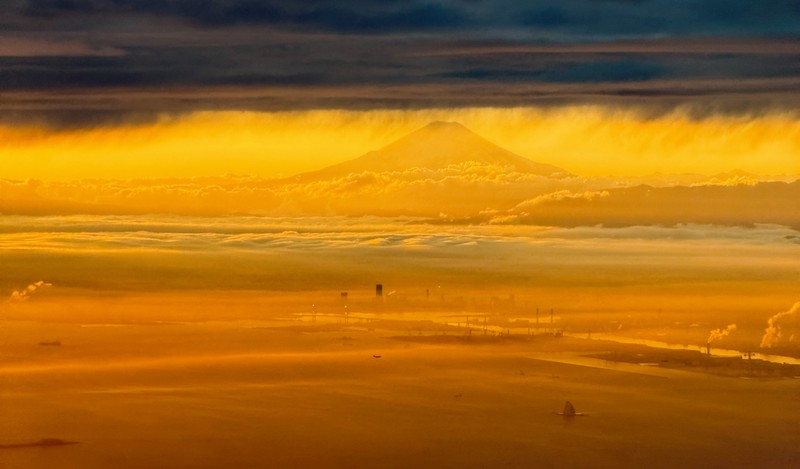
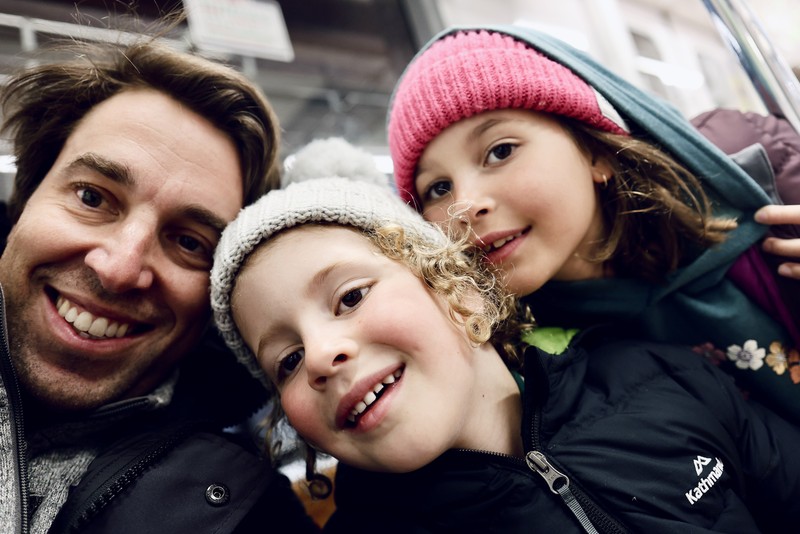
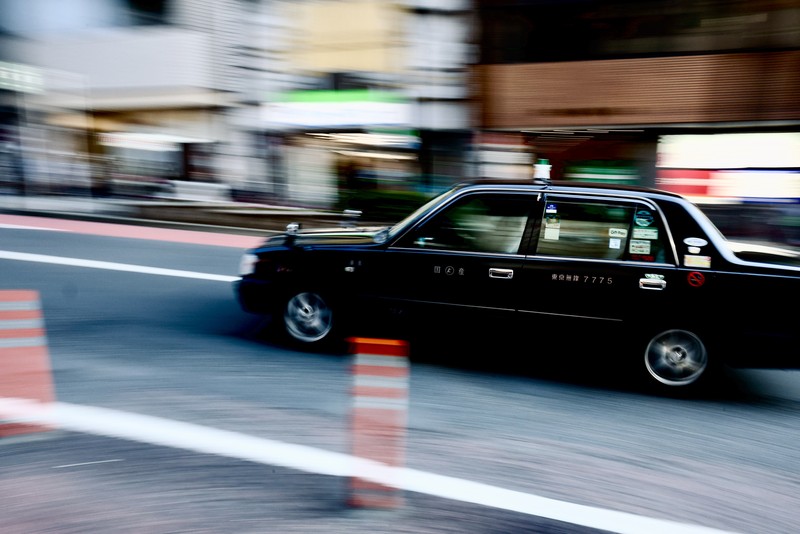
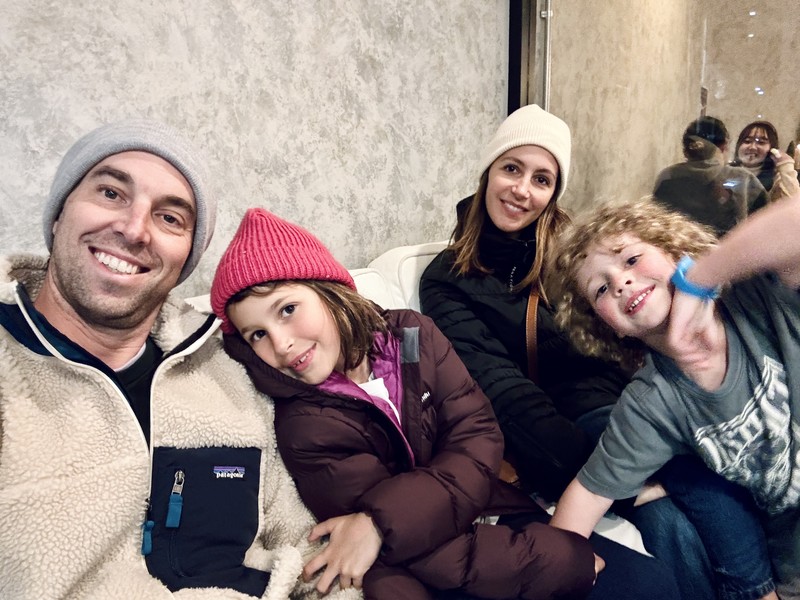
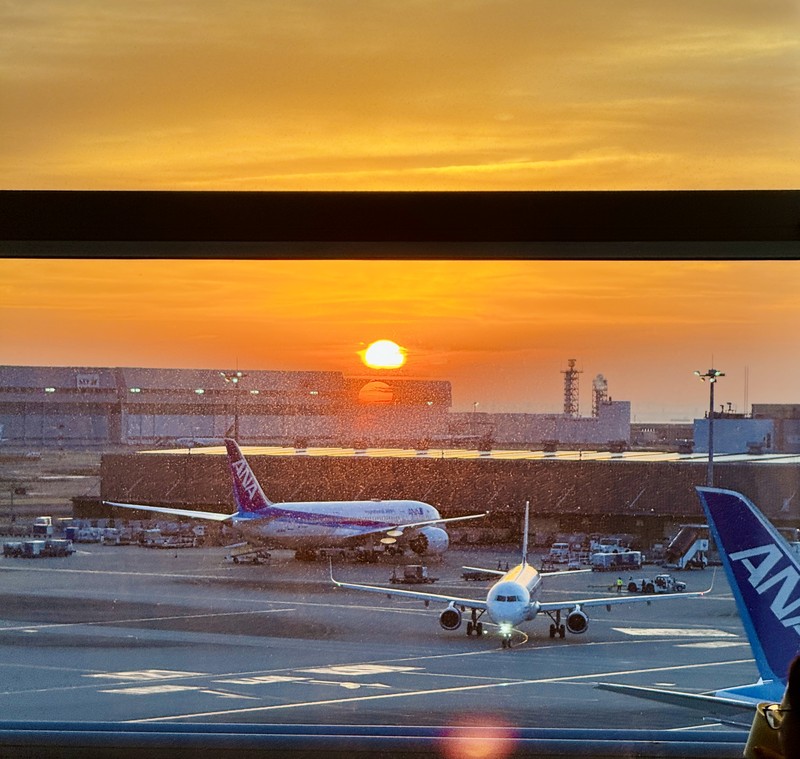
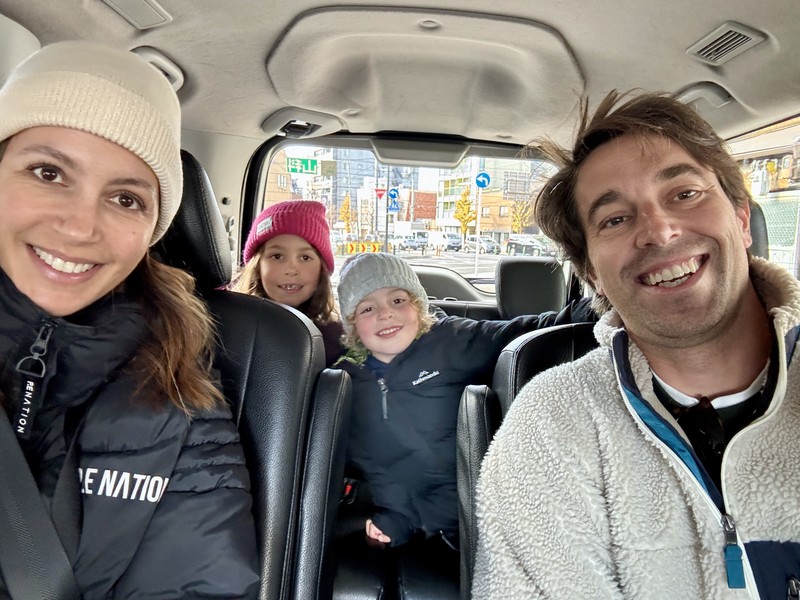
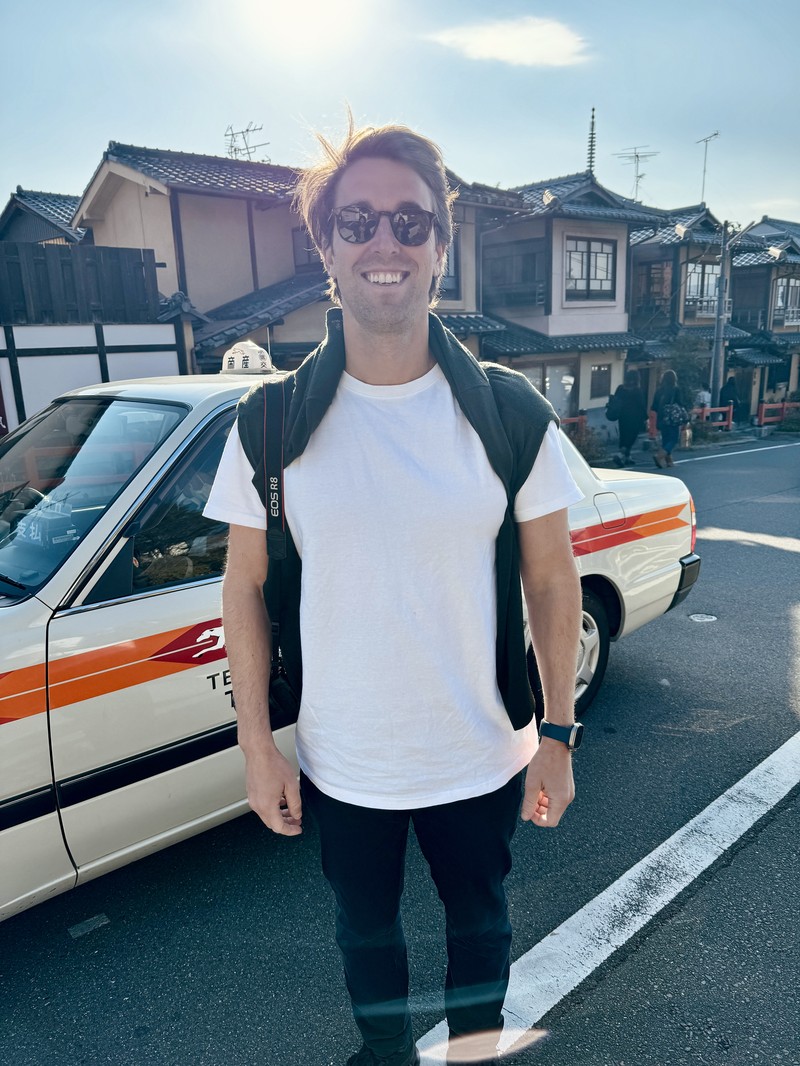
We arrive in Japan and it feels like we have entered another realm. It is foreign in the best possible way. Everything feels different: the language and signs, the food, the rituals and the sheer density of life around us. On our first taxi ride from the airport, we are already leaning heavily on Google Translate to get us over the language barrier. We cannot wait to absorb this place and experience it with Leyla and Eden.
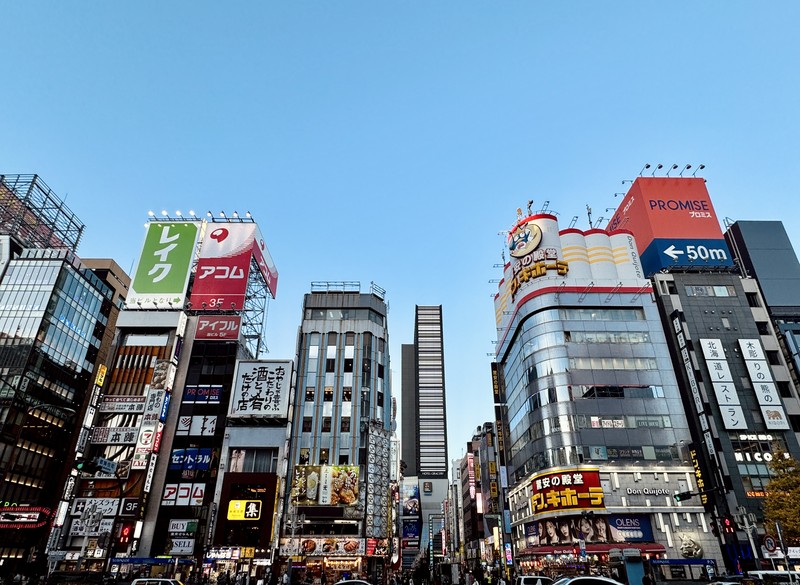
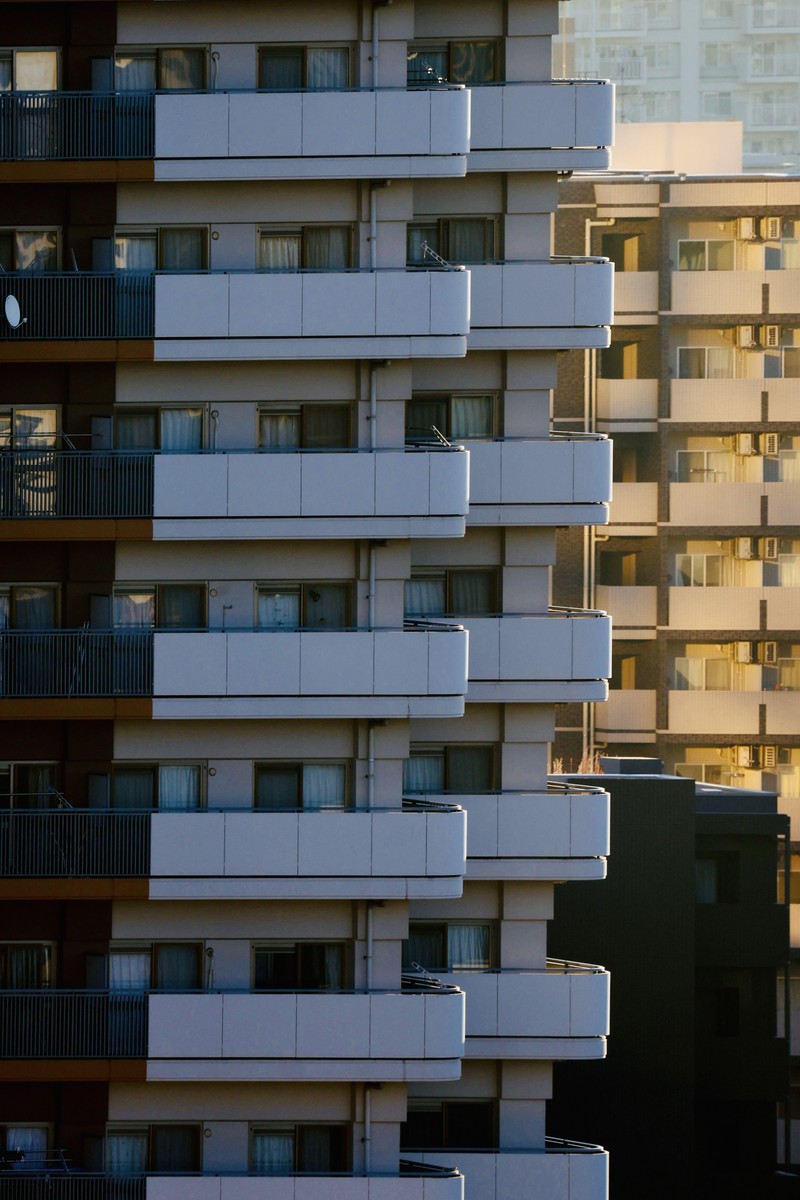
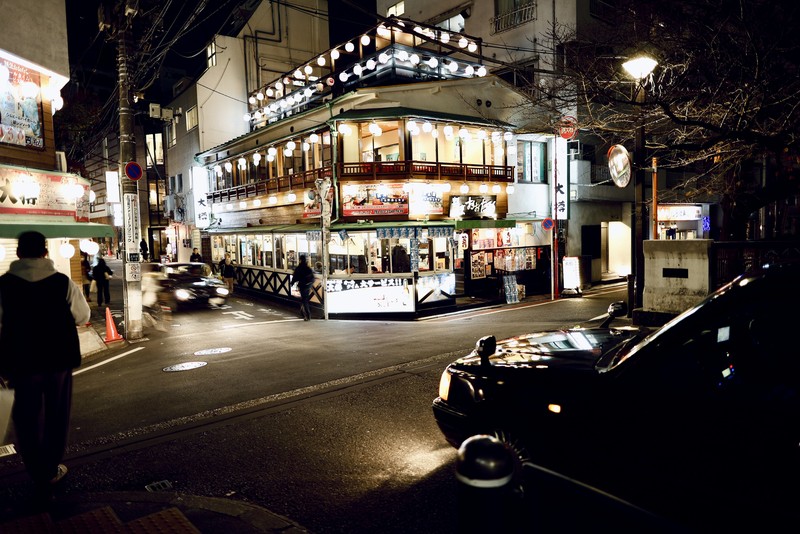
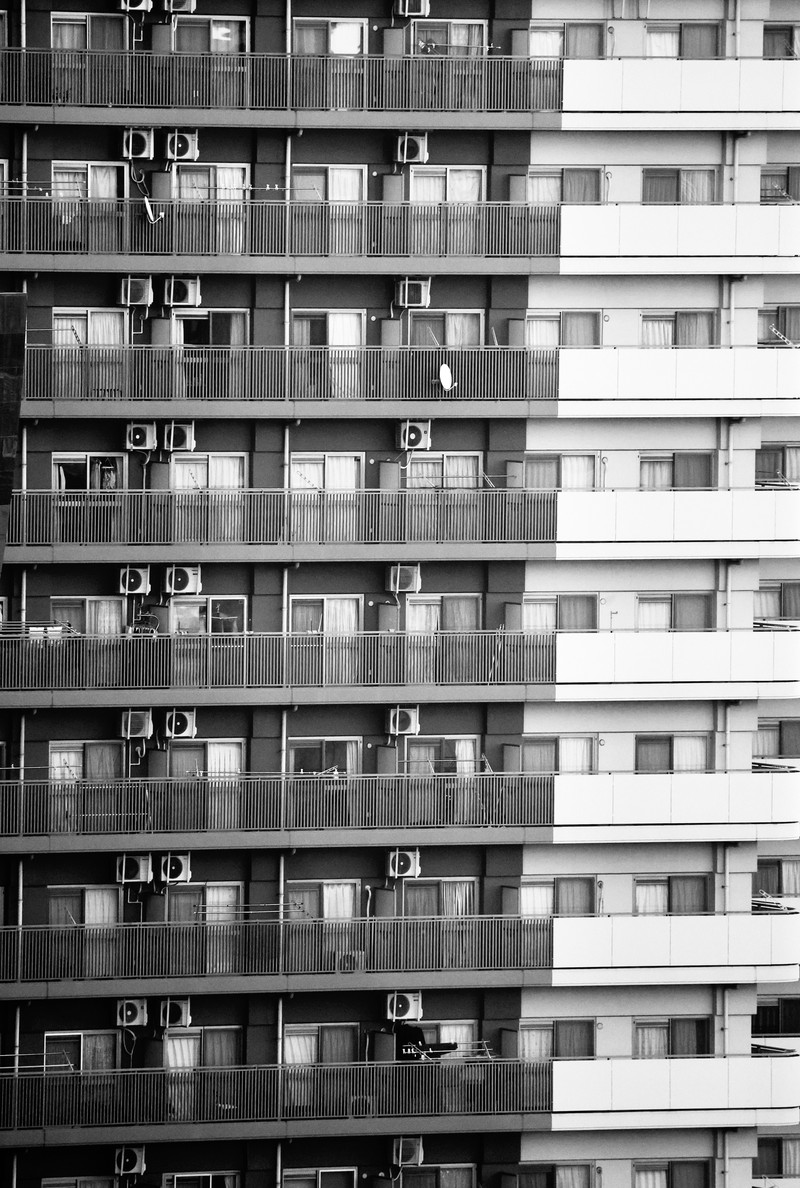
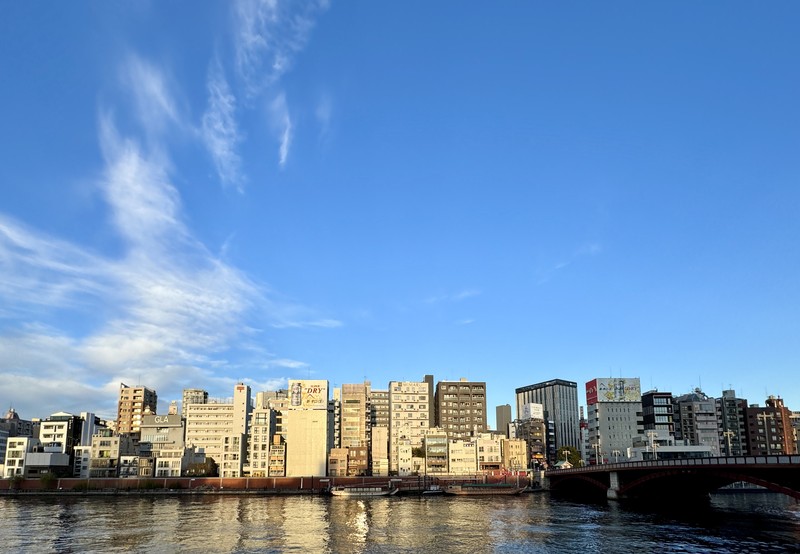
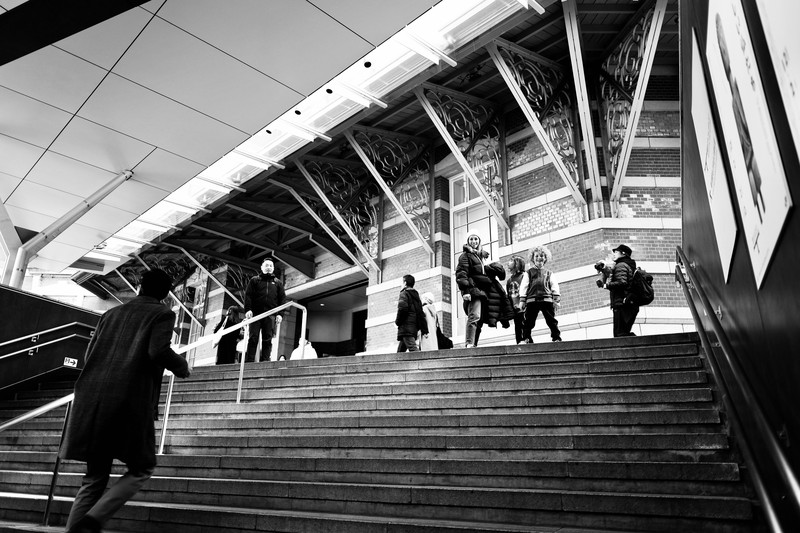
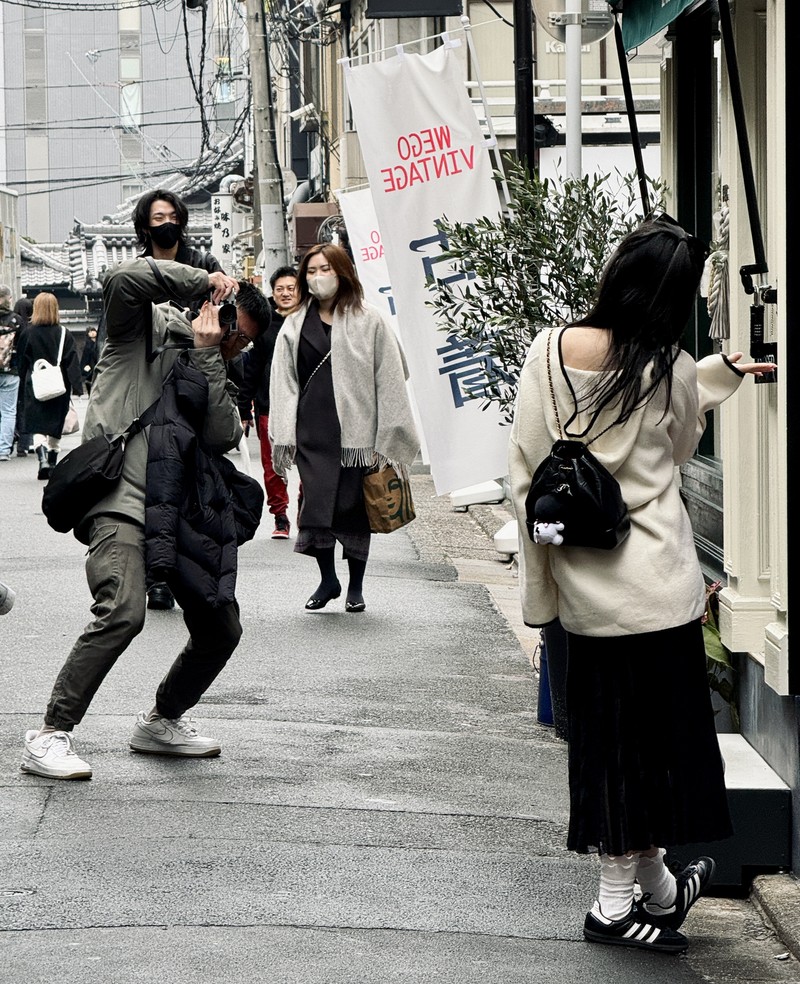
Tokyo is immense and hyperactive, but there is a sense of order, calmness and respect beneath the intensity. The streets are spotless. People are polite and considerate of those around them. There is an obvious pride in doing things well, no matter how small the task. Ancient practices and traditions sit alongside one of the most technologically advanced and densely populated cities on earth. It feels like the pinnacle of civilisation.
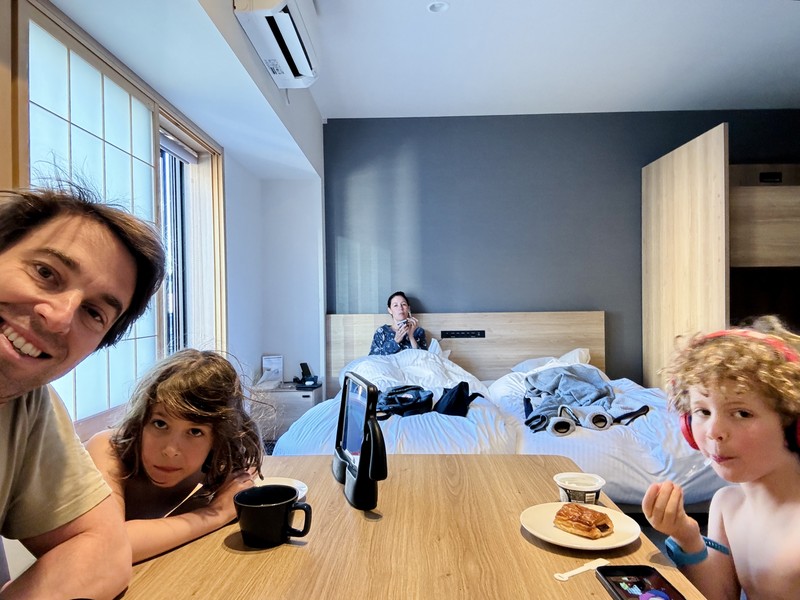
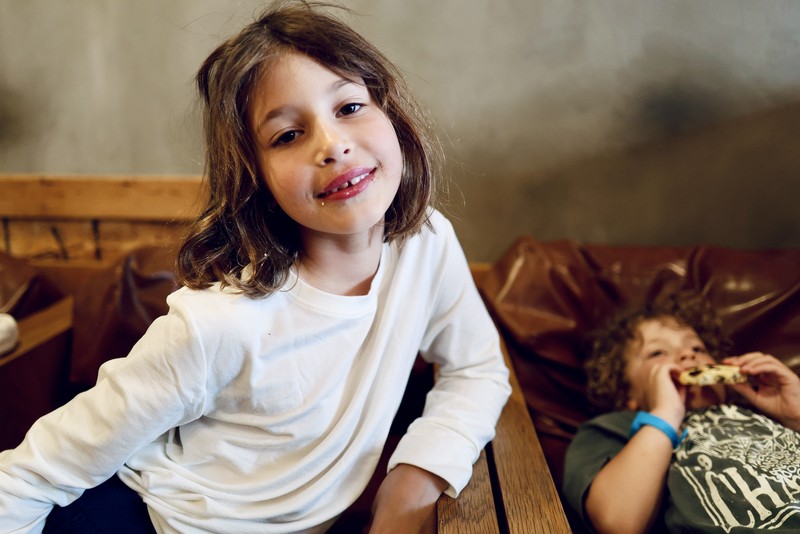
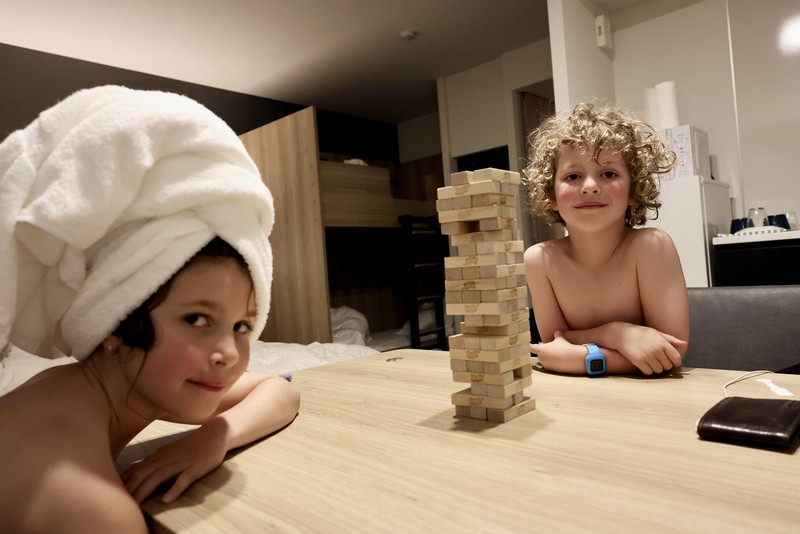
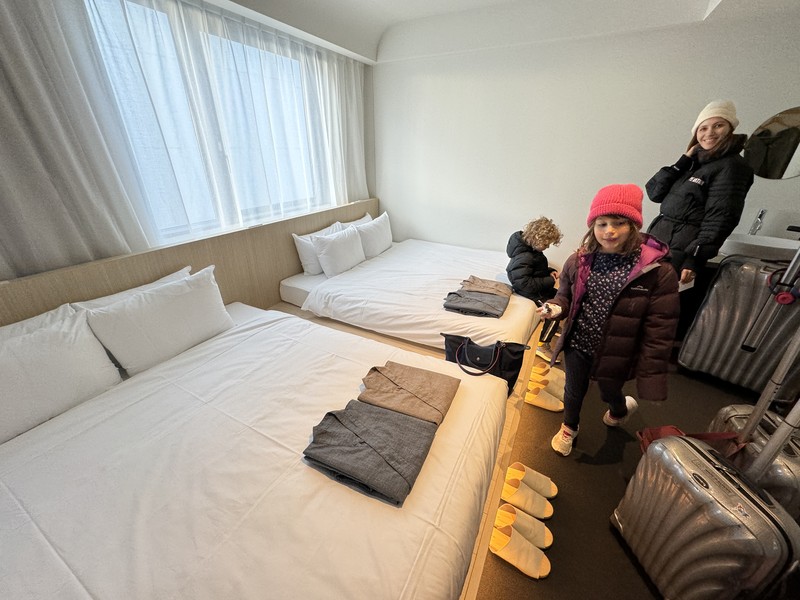
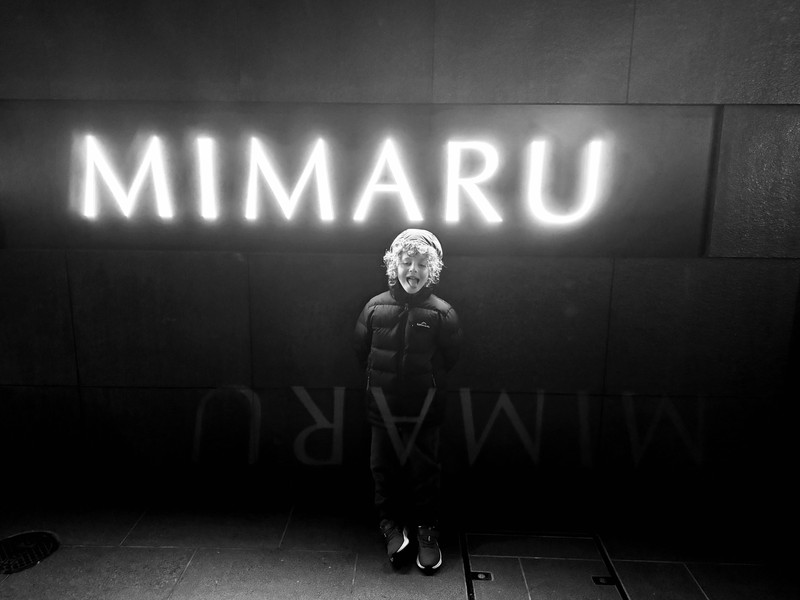
We base ourselves in Asakusa in a MIMARU apartment hotel, with a 7-Eleven downstairs that quickly becomes a vital part of our daily diet. Beyond the logo, a Japanese 7-Eleven bears no resemblance to the version at home. The shelves contain a bewildering array of food and we discover early that the sushi, onigiri and other rice snacks, individually wrapped in ingenious layers of plastic, are fresh and delicious. Leyla and Eden practically live on them, although Eden now tells me he practically fasted his way through Japan.
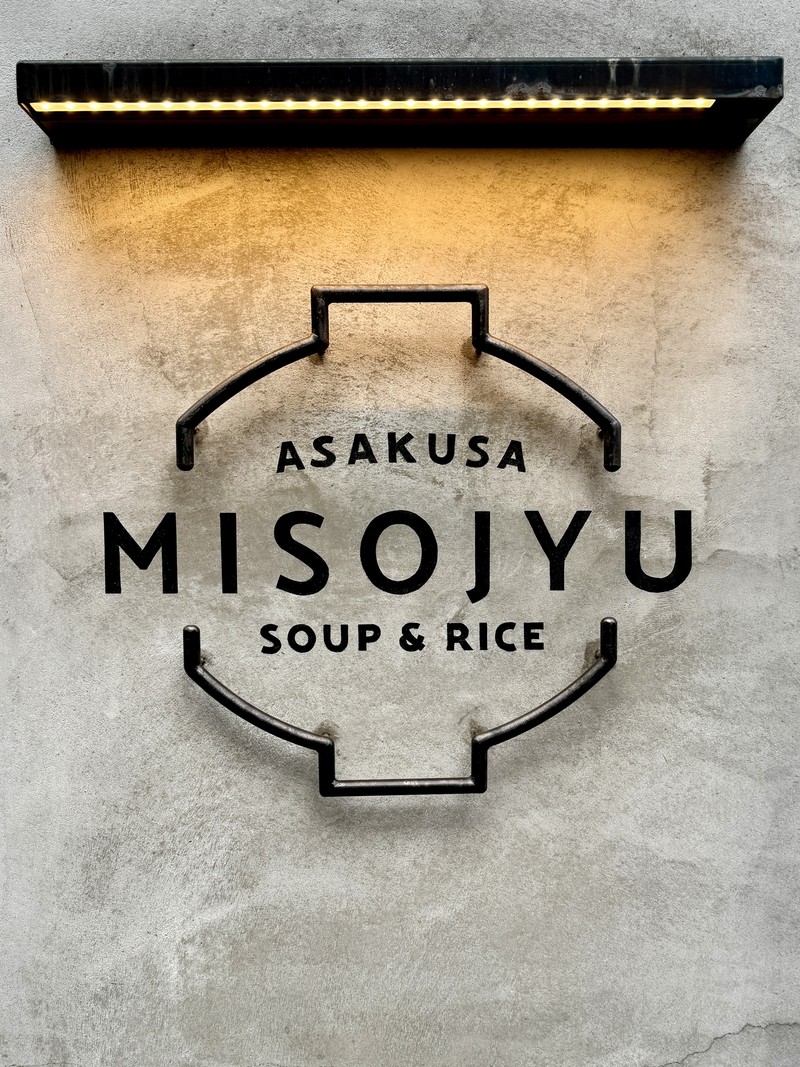
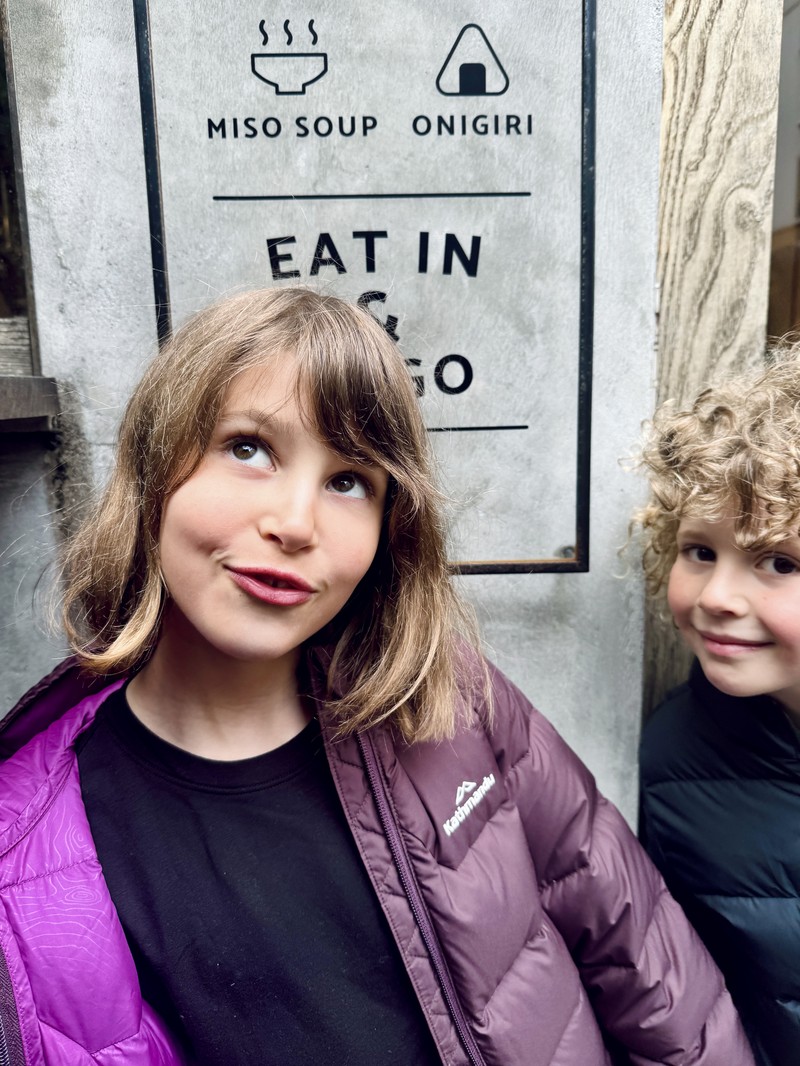
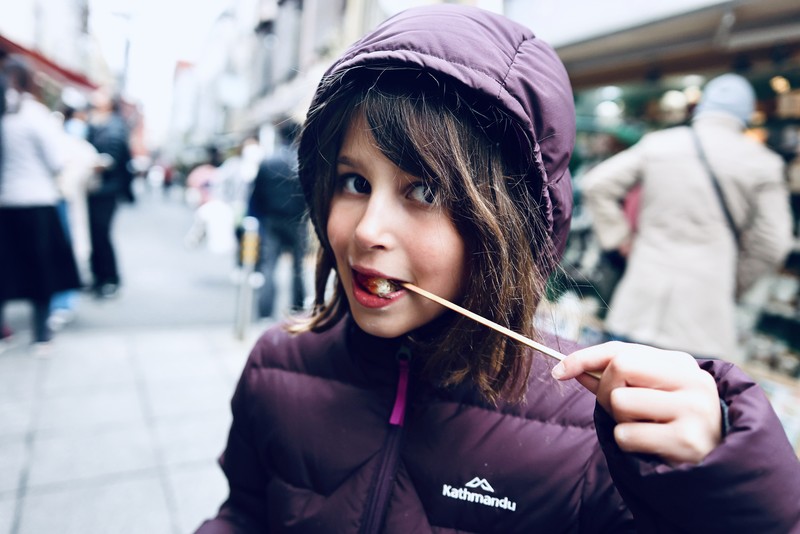
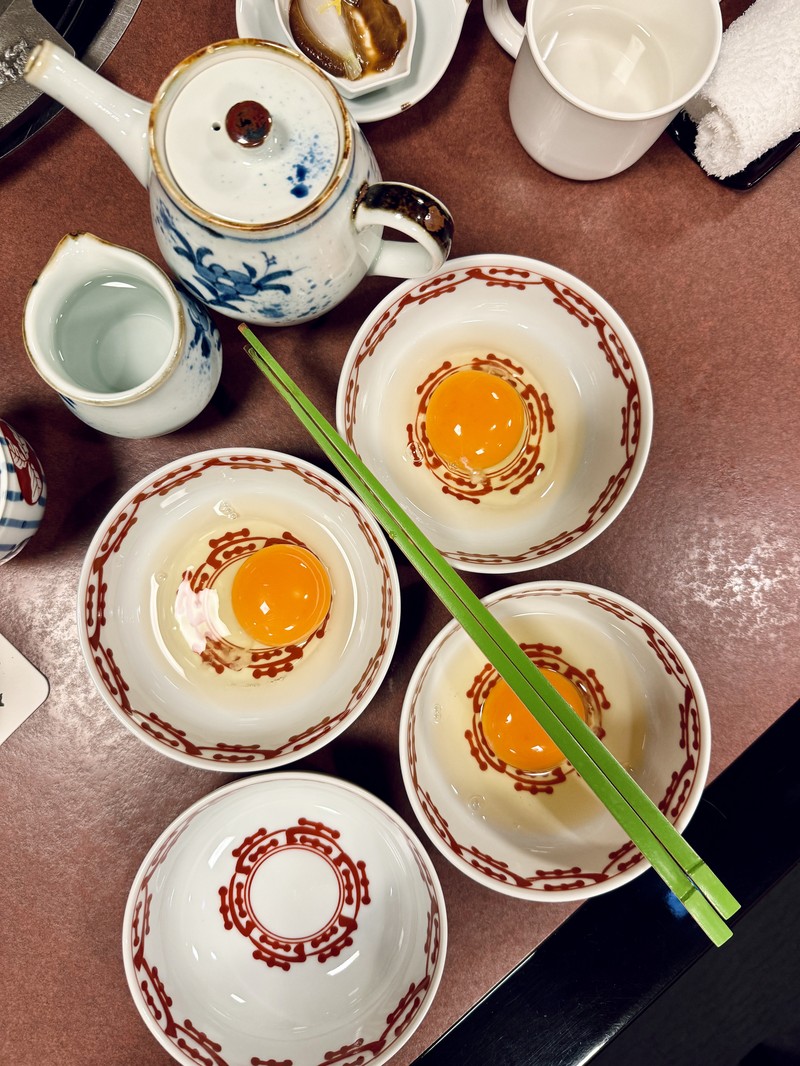
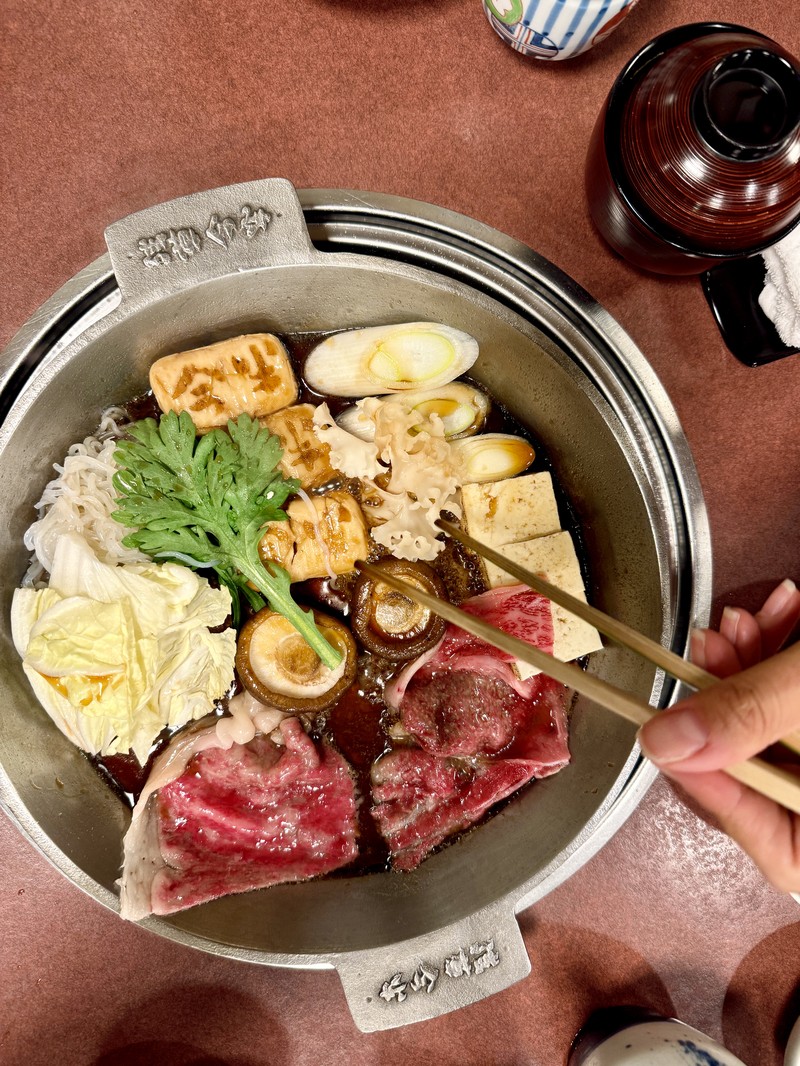
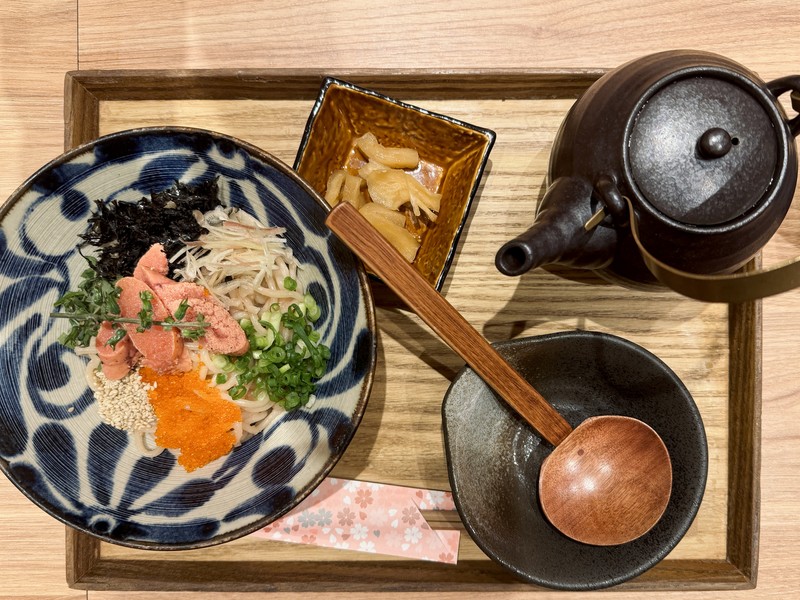
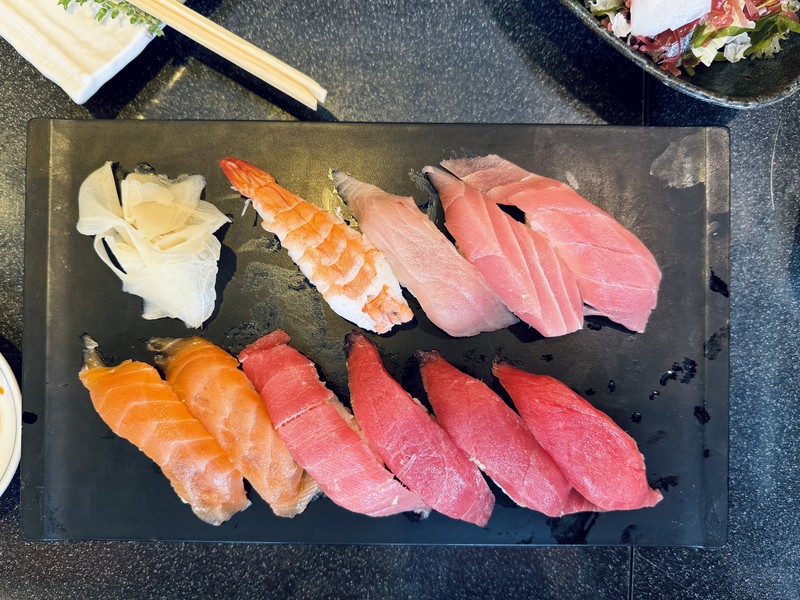
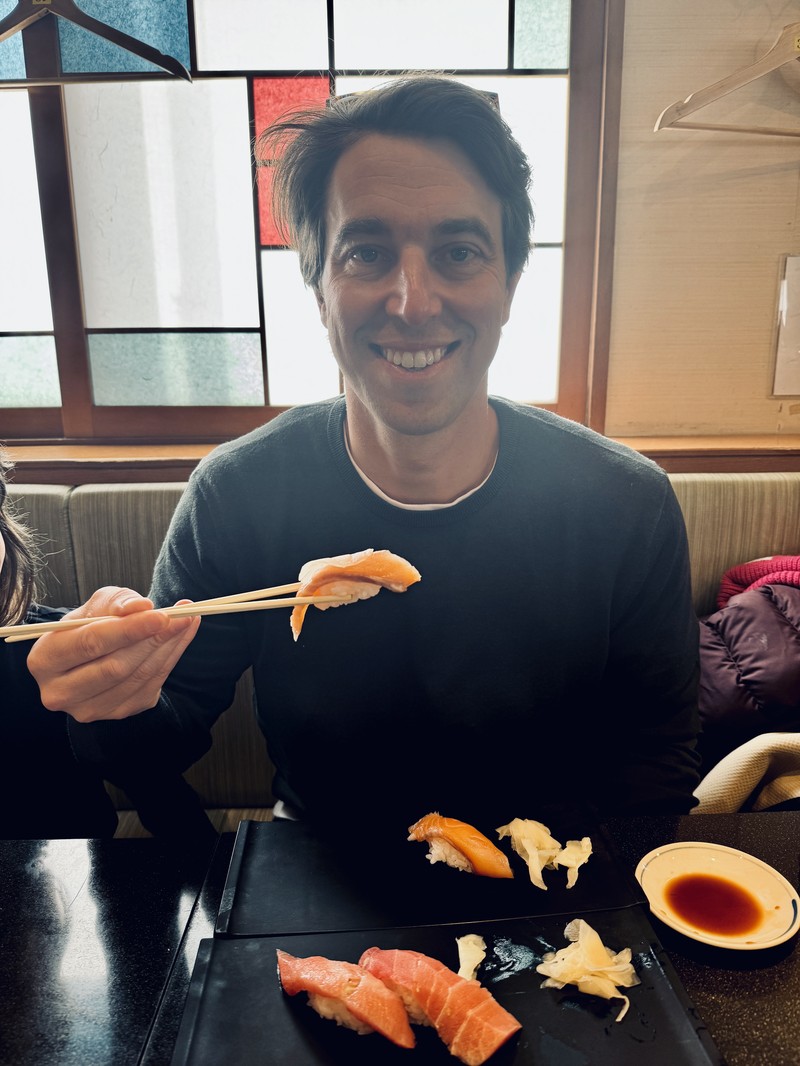
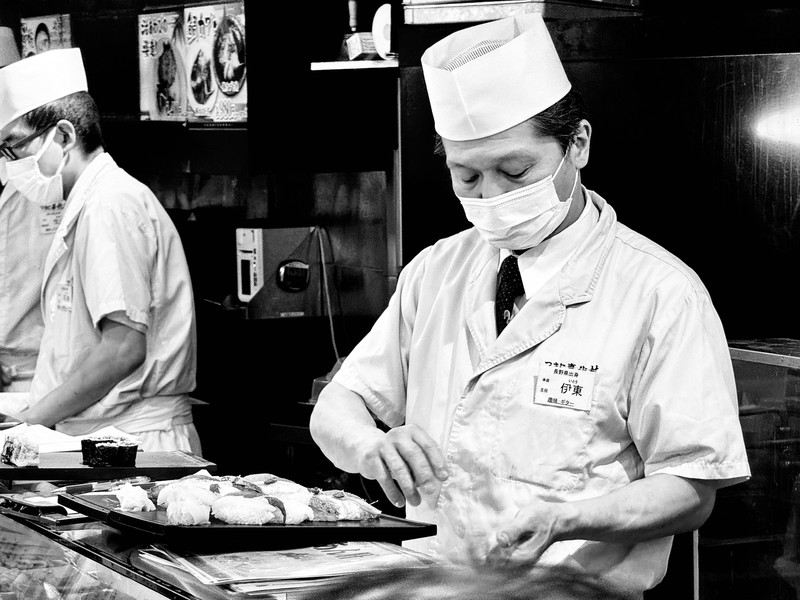
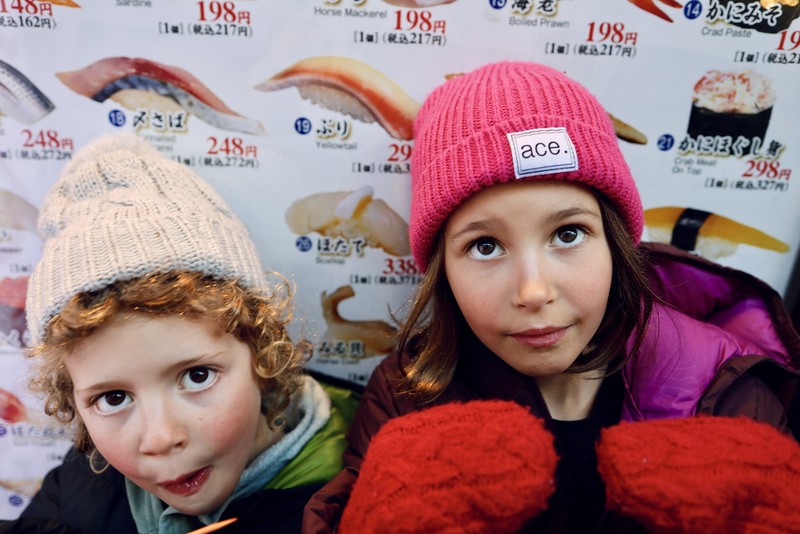
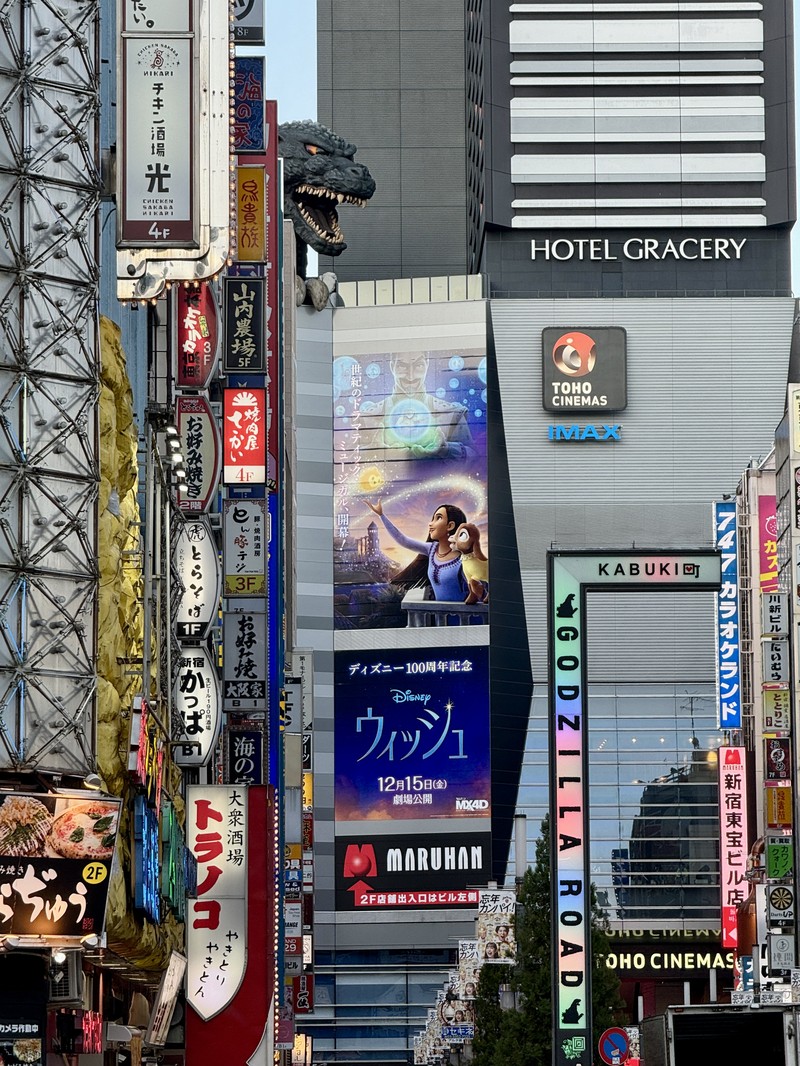
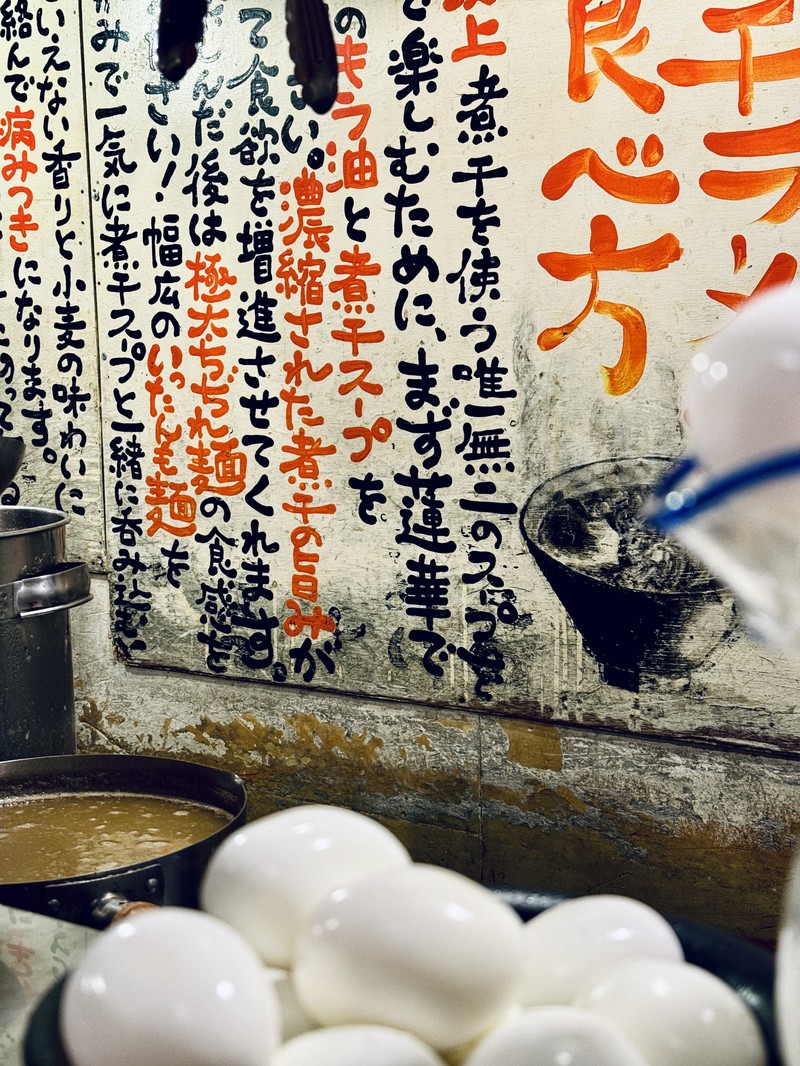
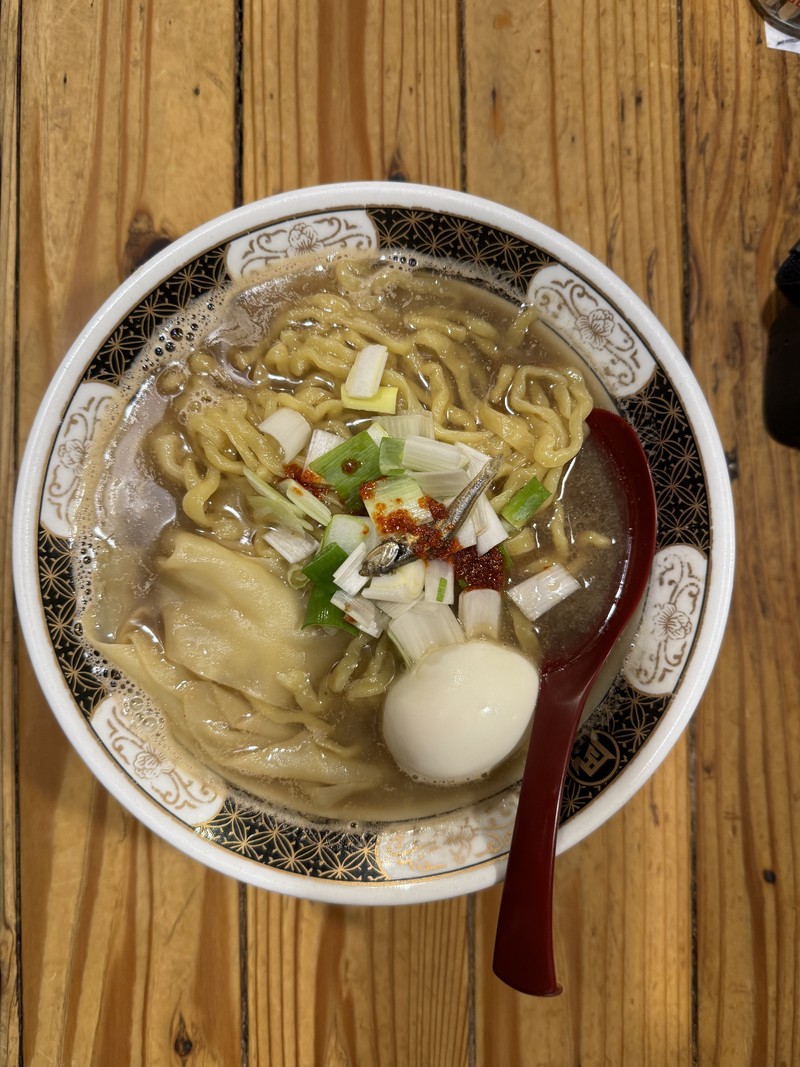
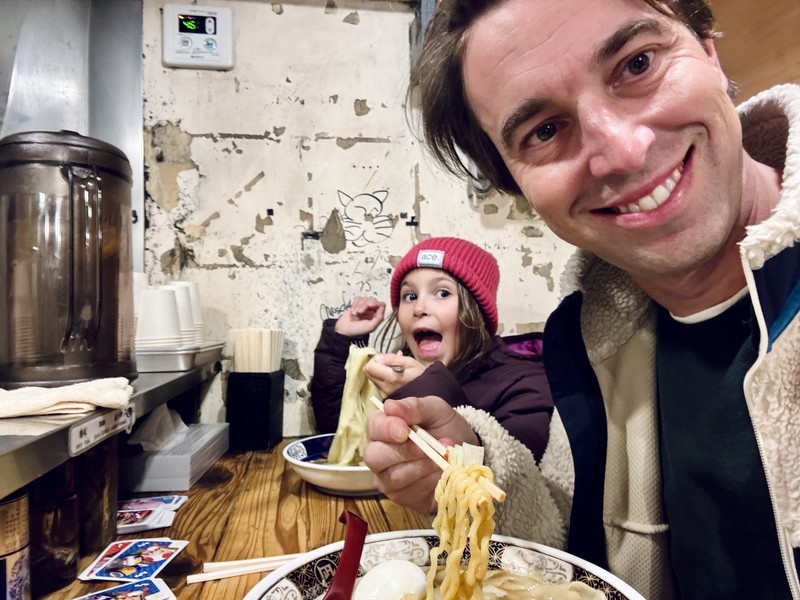
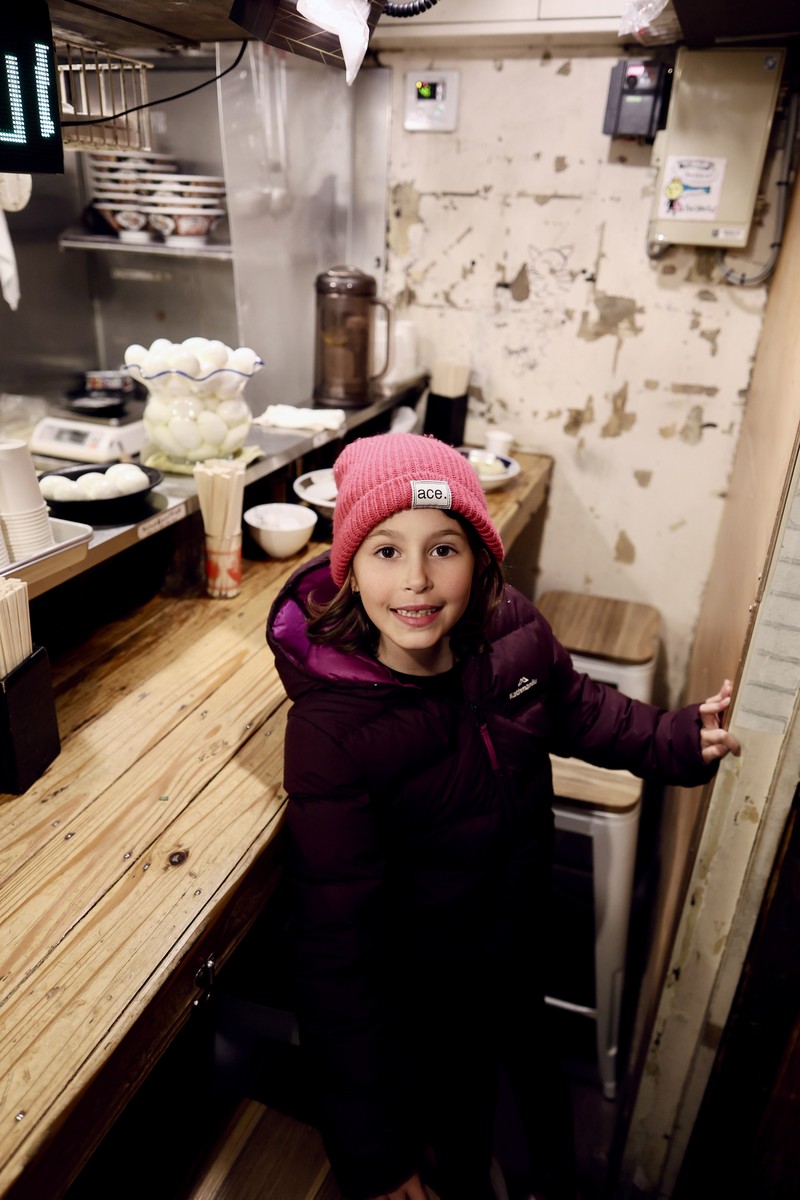
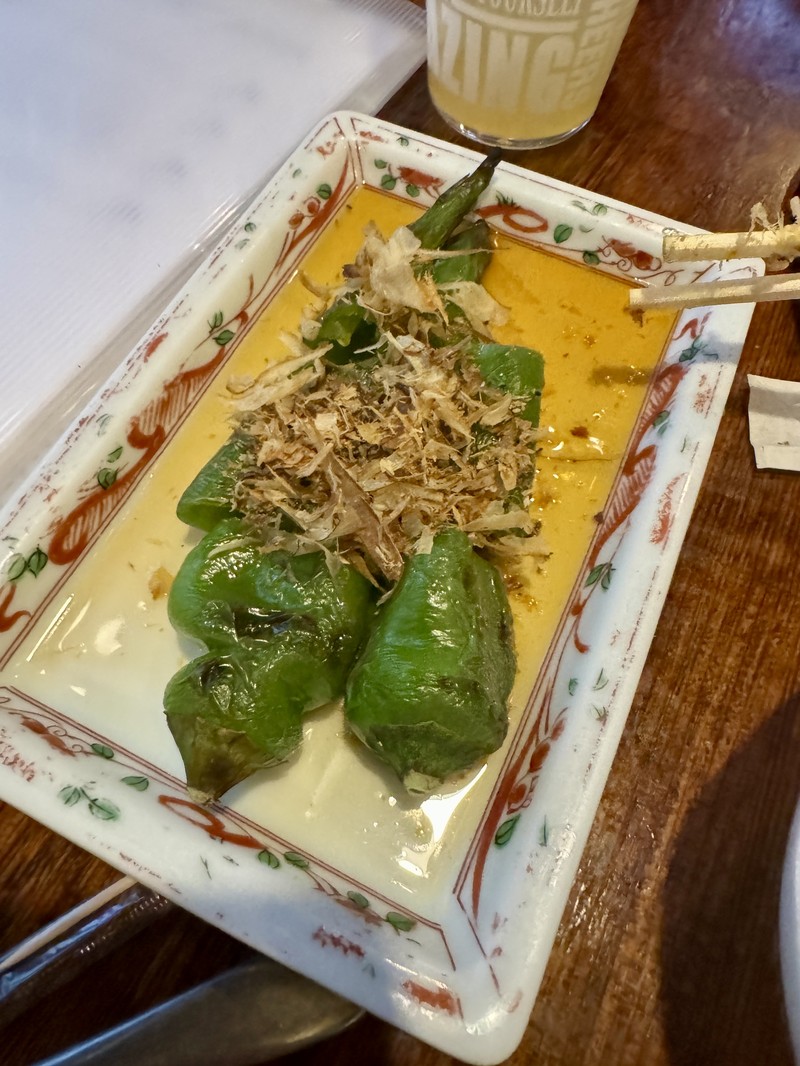
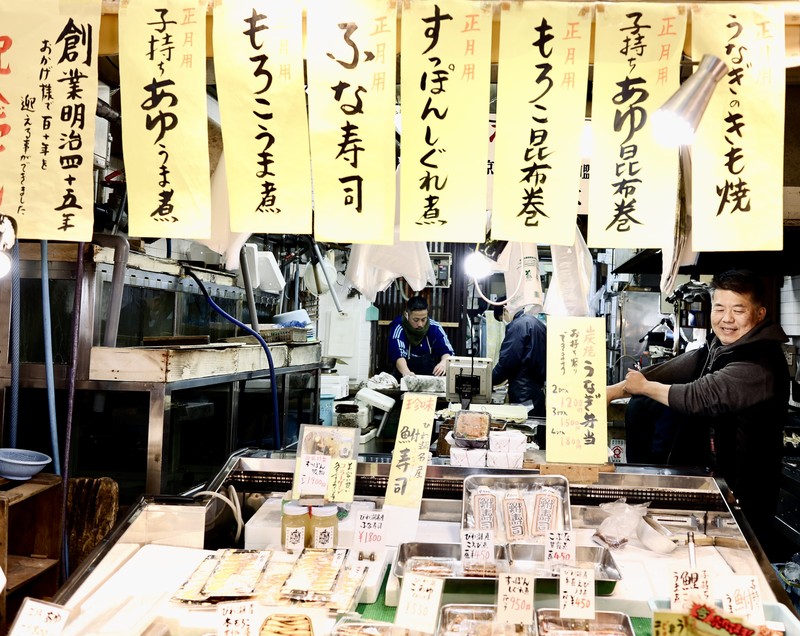
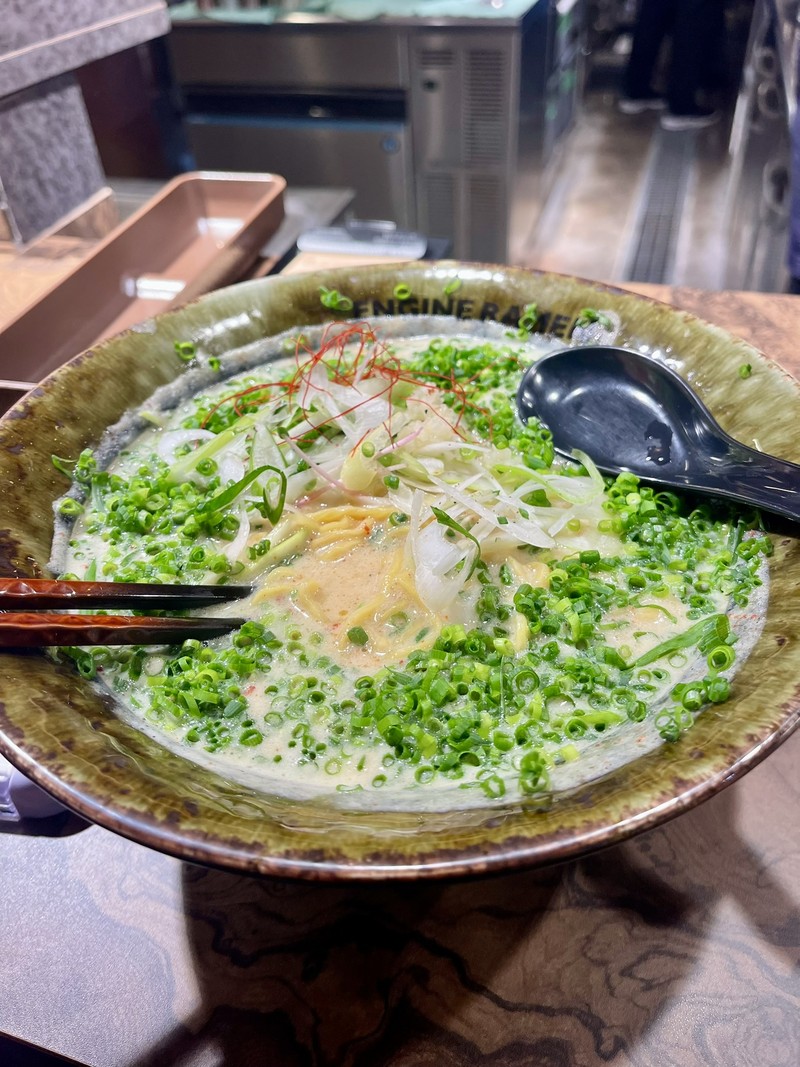
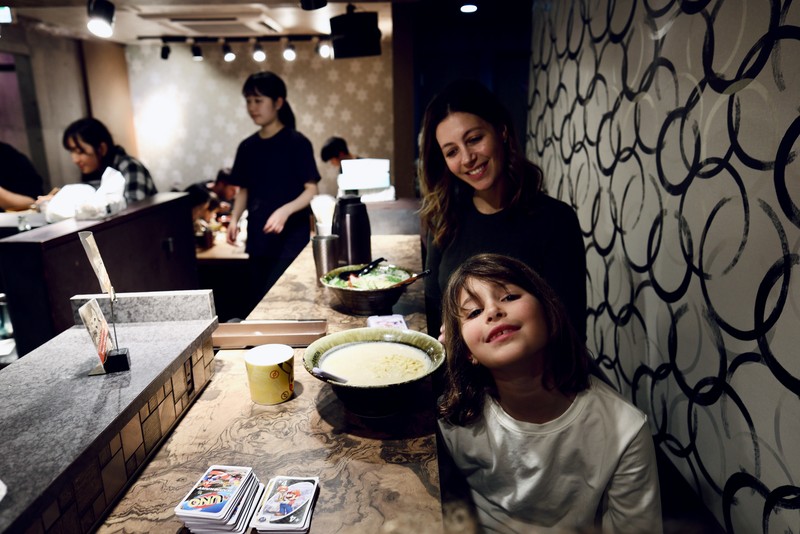
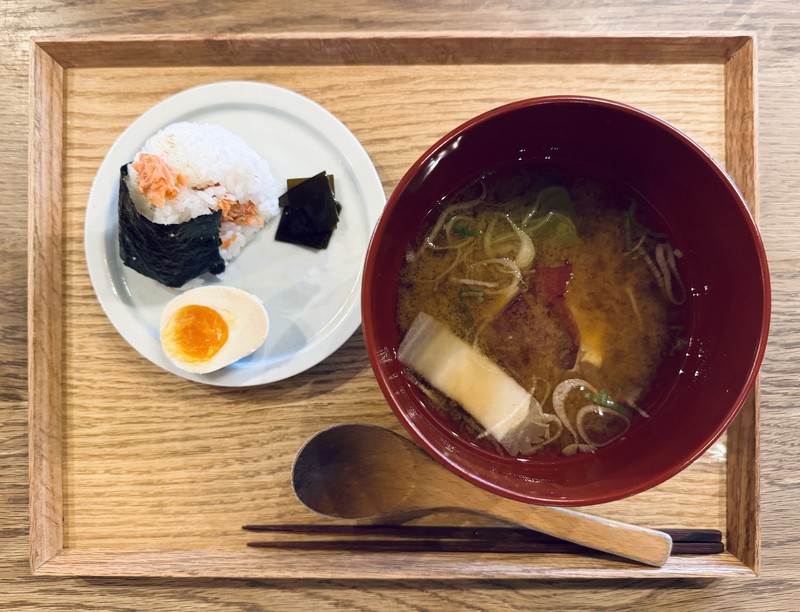
Our first proper meal is breakfast at MISOJYU, specialising in miso soup. I’ve always loved Japanese food, particularly sushi, so eating it in Japan was something I was especially looking forward to. In Shinjuku we squeeze into Nagi for ramen amongst tiny whisky bars and restaurants physically capable of accommodating only a handful of people. At Tsukiji Outer Market we eat the freshest sushi for breakfast and discover that raw fish at eight in the morning is pretty damn good. Afterwards we wander its crammed lanes, checking out seafood stalls displaying all manner of things, some decidedly exotic, though we aren’t quite gutsy enough to try much of it.
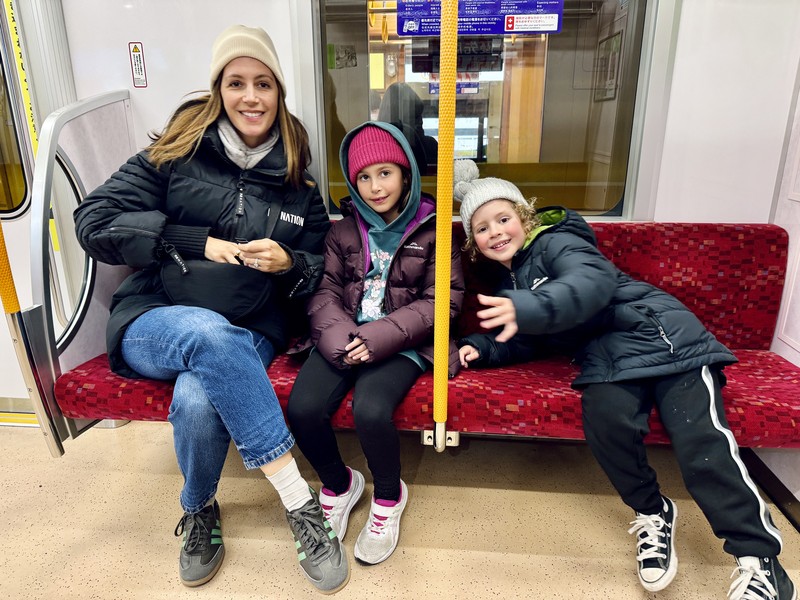
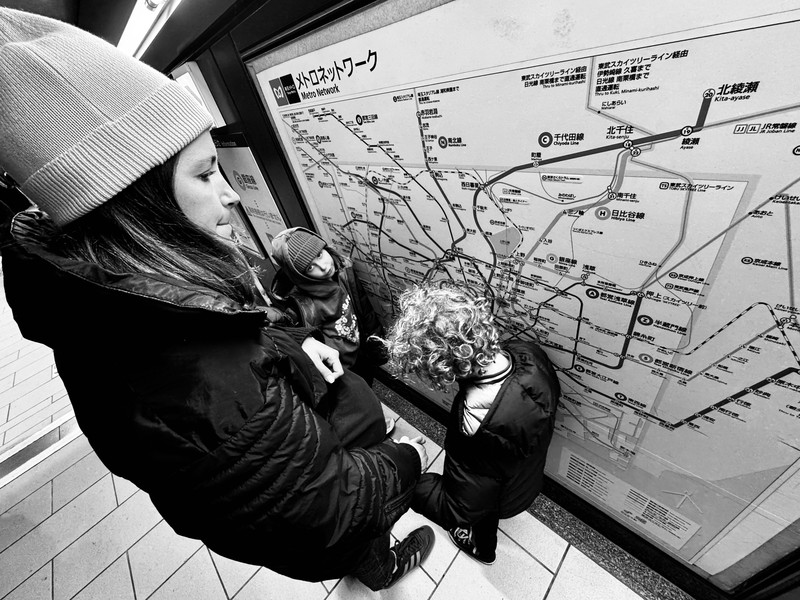
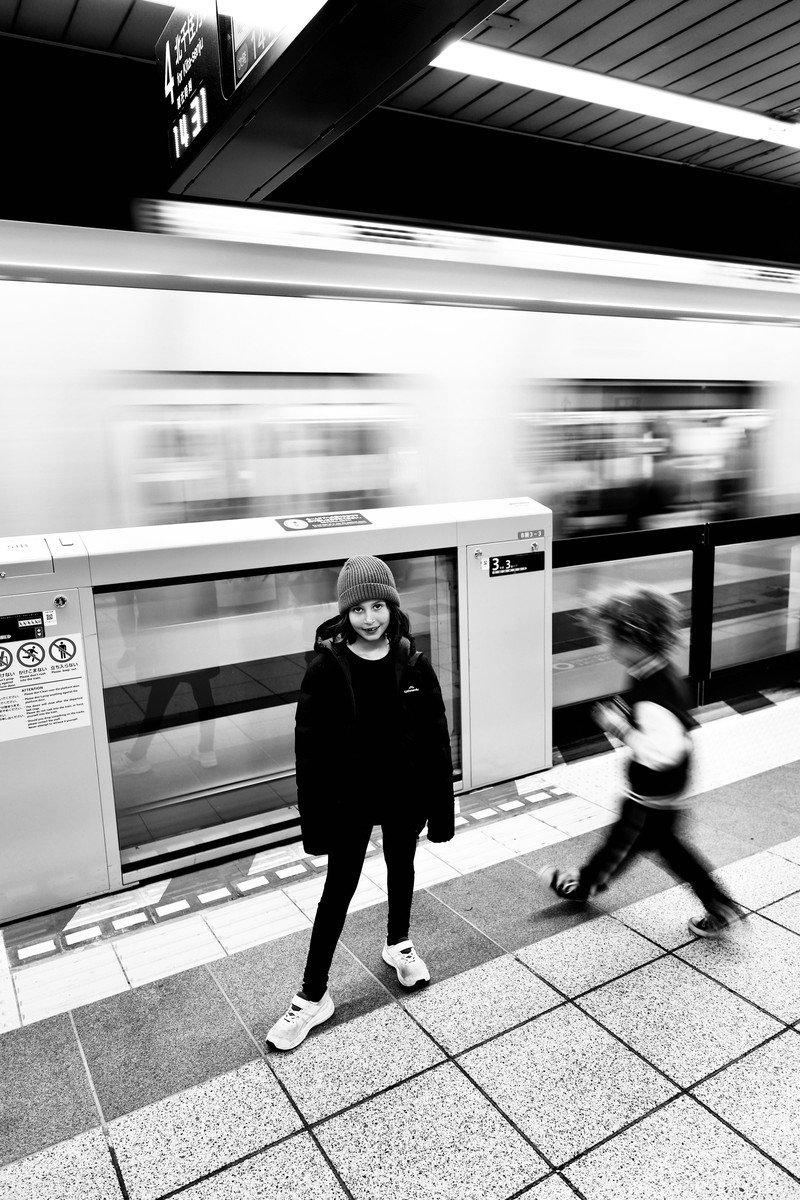
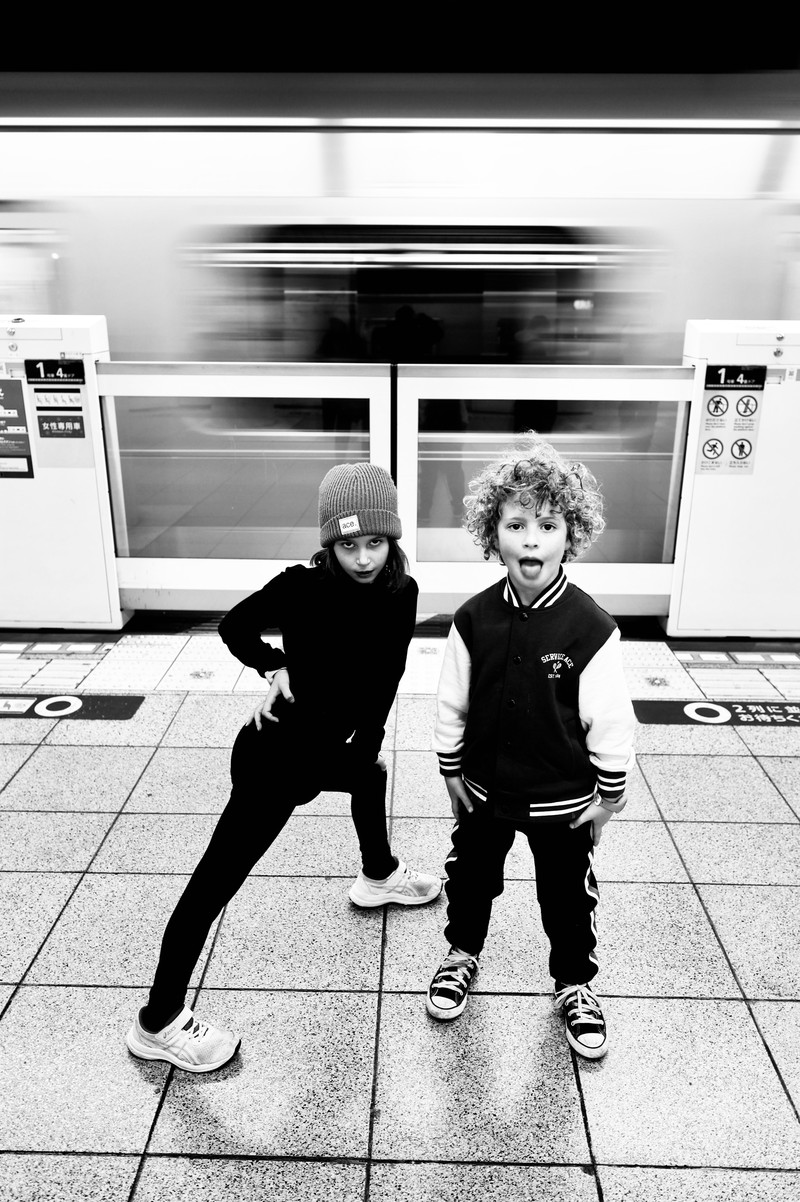
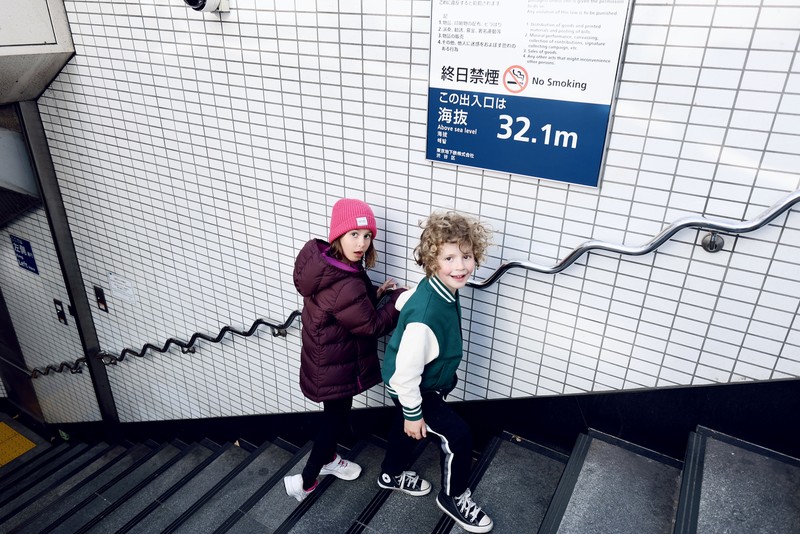
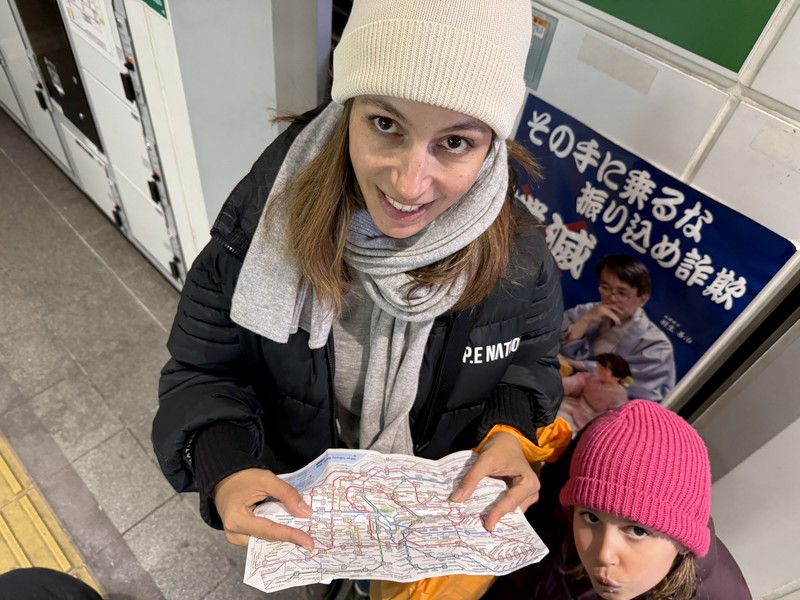
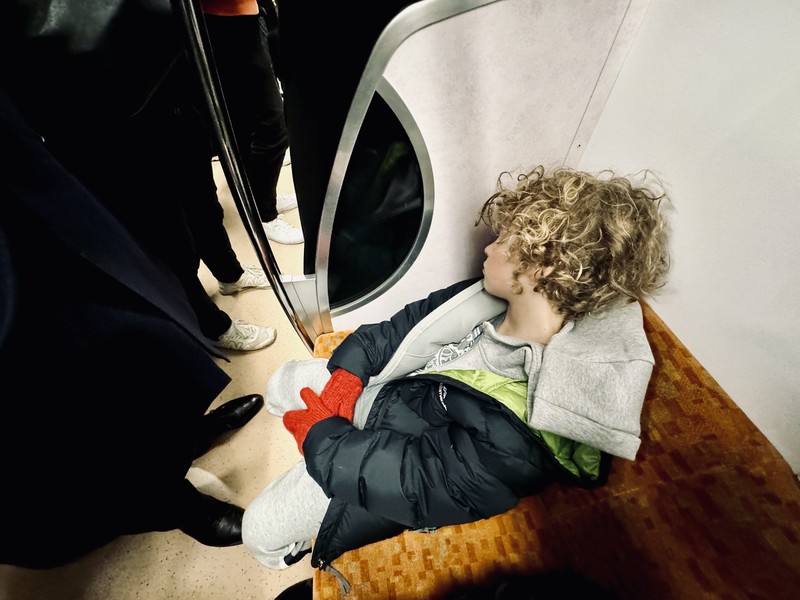
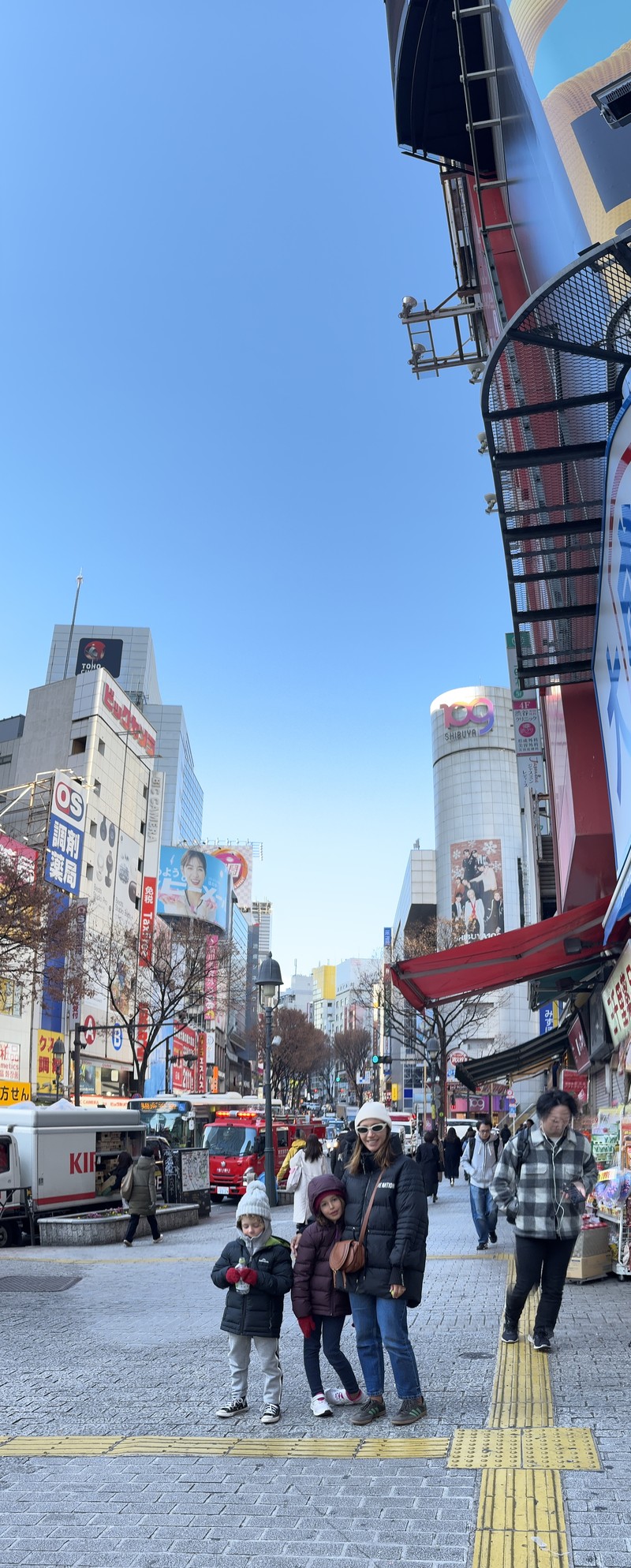
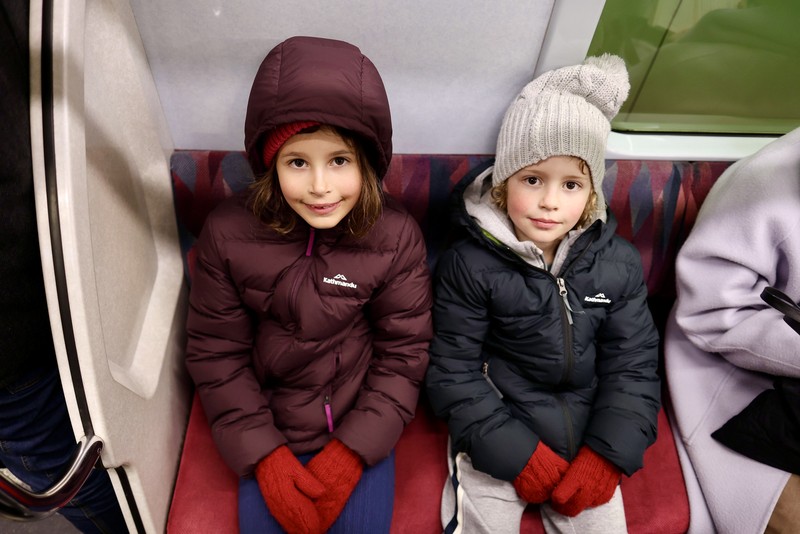
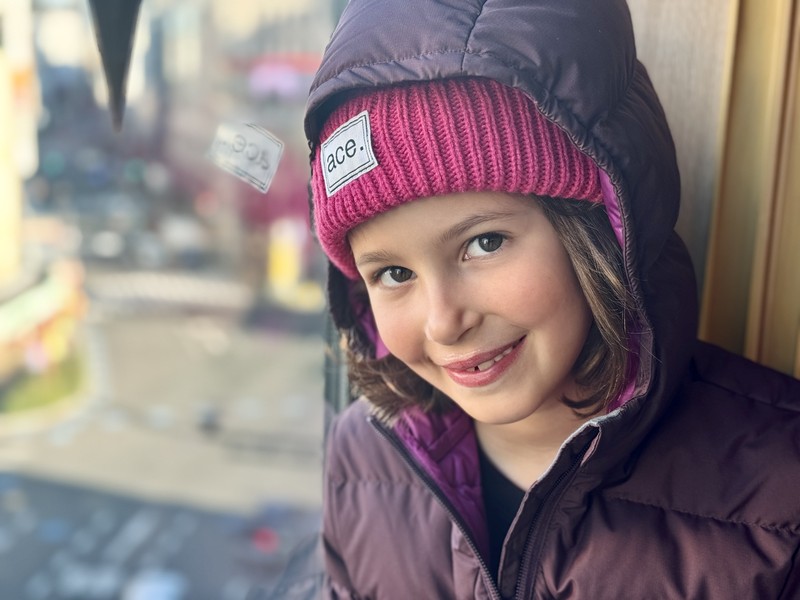
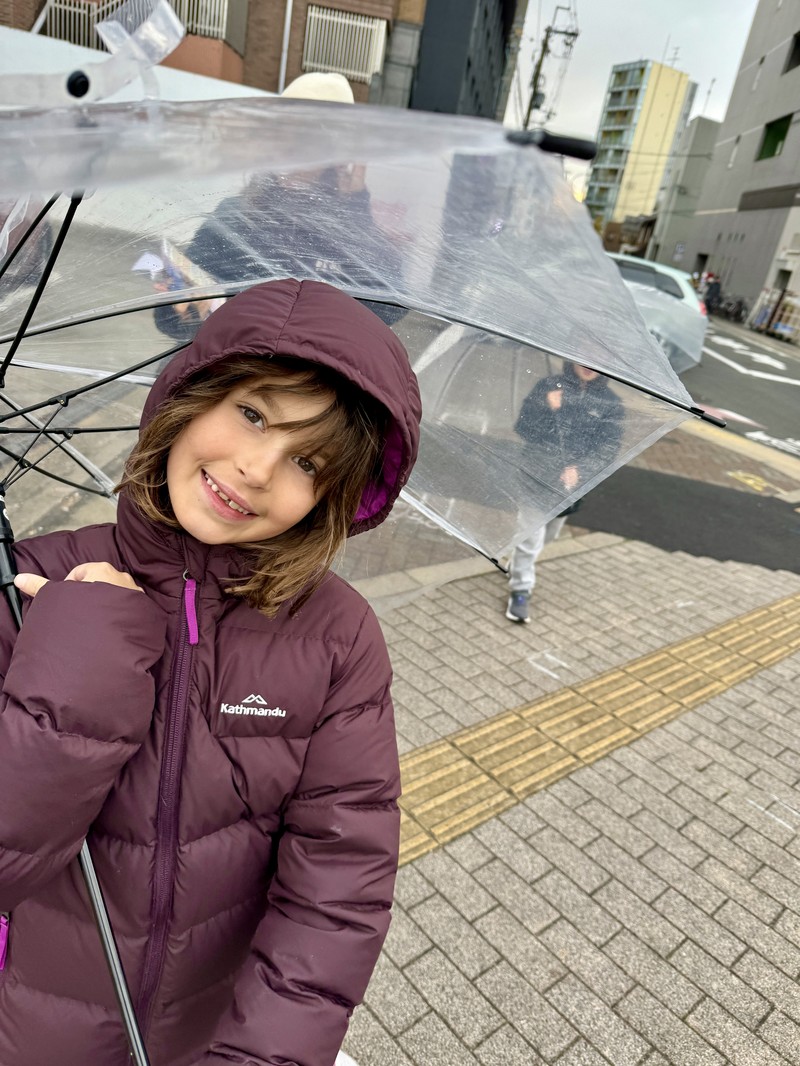
Mostly, though, we move. It is December, brisk enough for jackets but perfect for walking, and Tokyo seems designed for covering serious ground. Its labyrinthine network of metros and trains runs like clockwork.
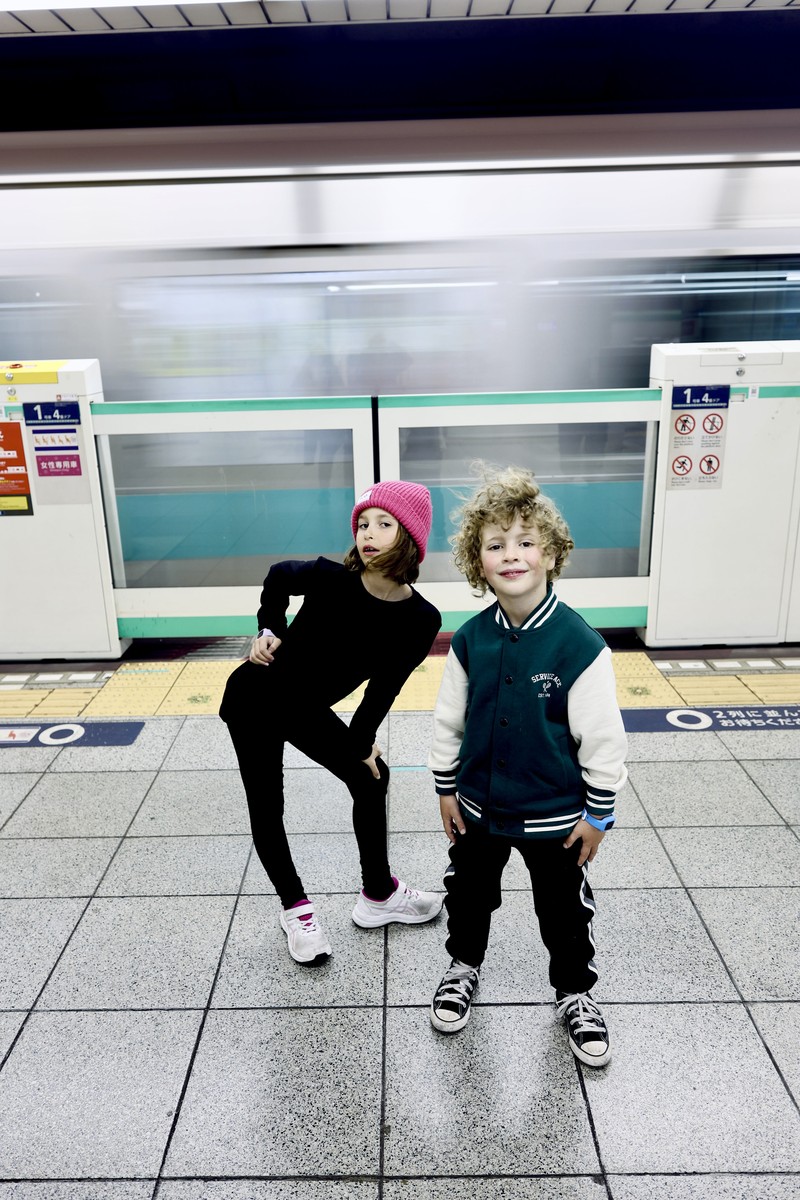
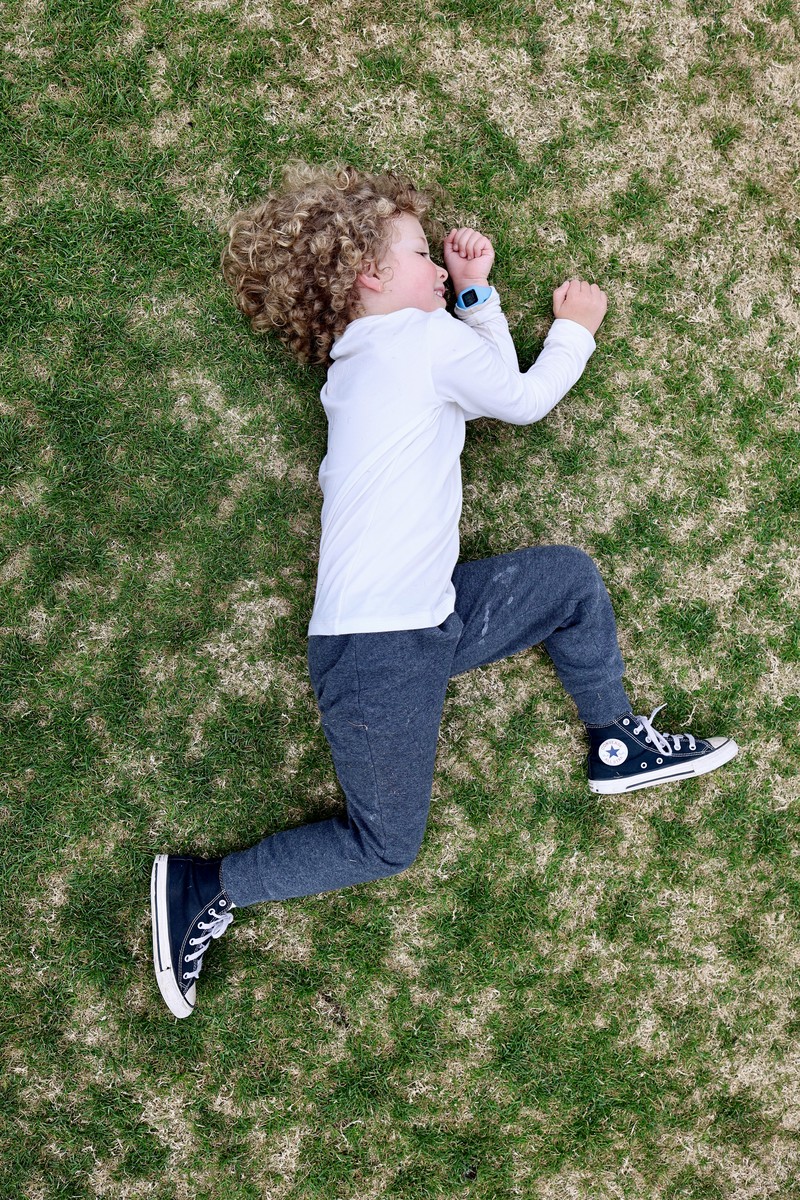
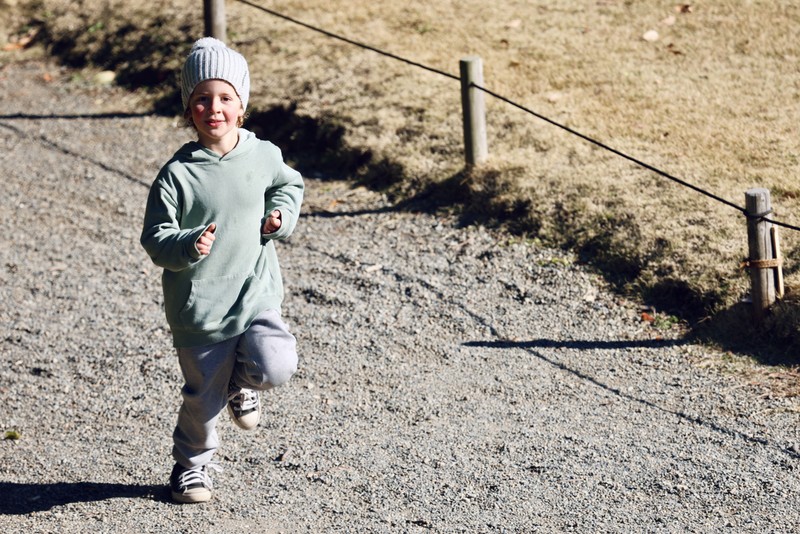
We buy Leyla and Eden Fitbits as a deliberate parental ploy: gamification. Suddenly another few kilometres isn’t a burden; it is an opportunity to push up the step count. Twenty thousand becomes a target, then 25,000. The kids compete, the step counts climb and Jen and I quietly congratulate ourselves.
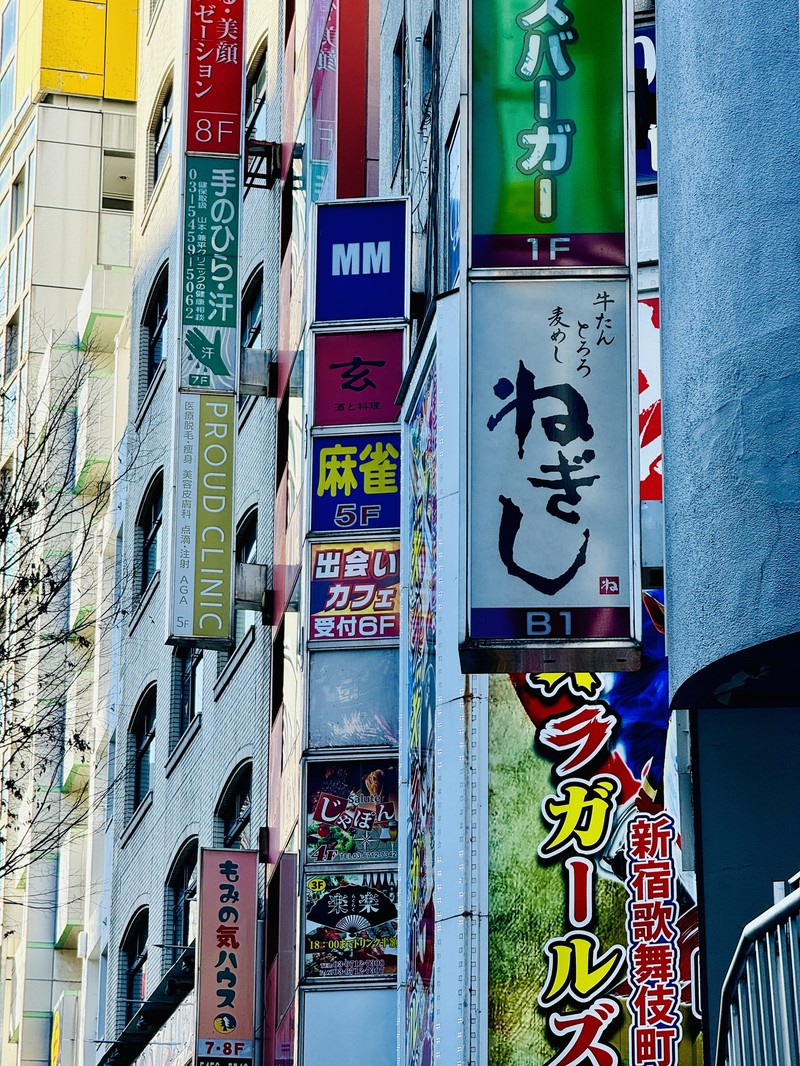
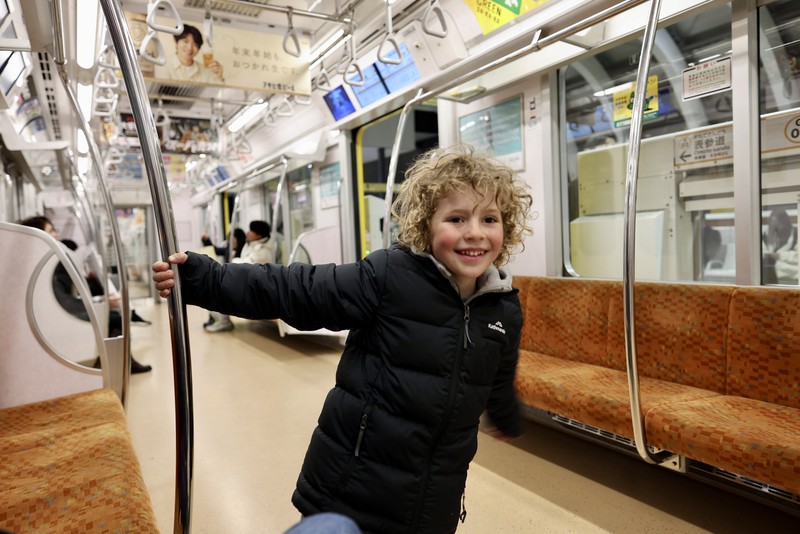
Shinjuku, Shibuya, Harajuku, Ginza, Asakusa: each feels like a megacity in its own right, yet all are connected within the vast mothership of Tokyo. We disappear underground and emerge again like Mario through a pipe into another world, each district its own microcosm, distinct from the last. Walk. Eat. Explore. Get distracted. Then drop back underground and do it all again.
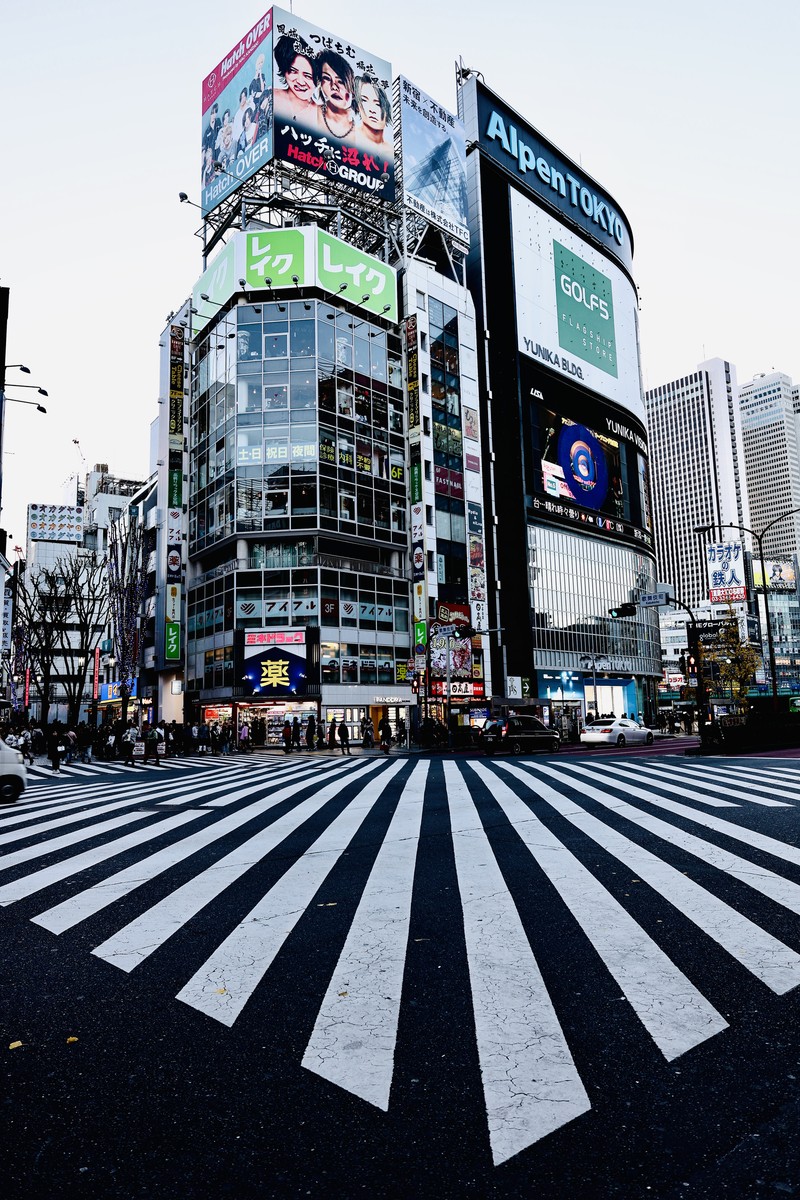
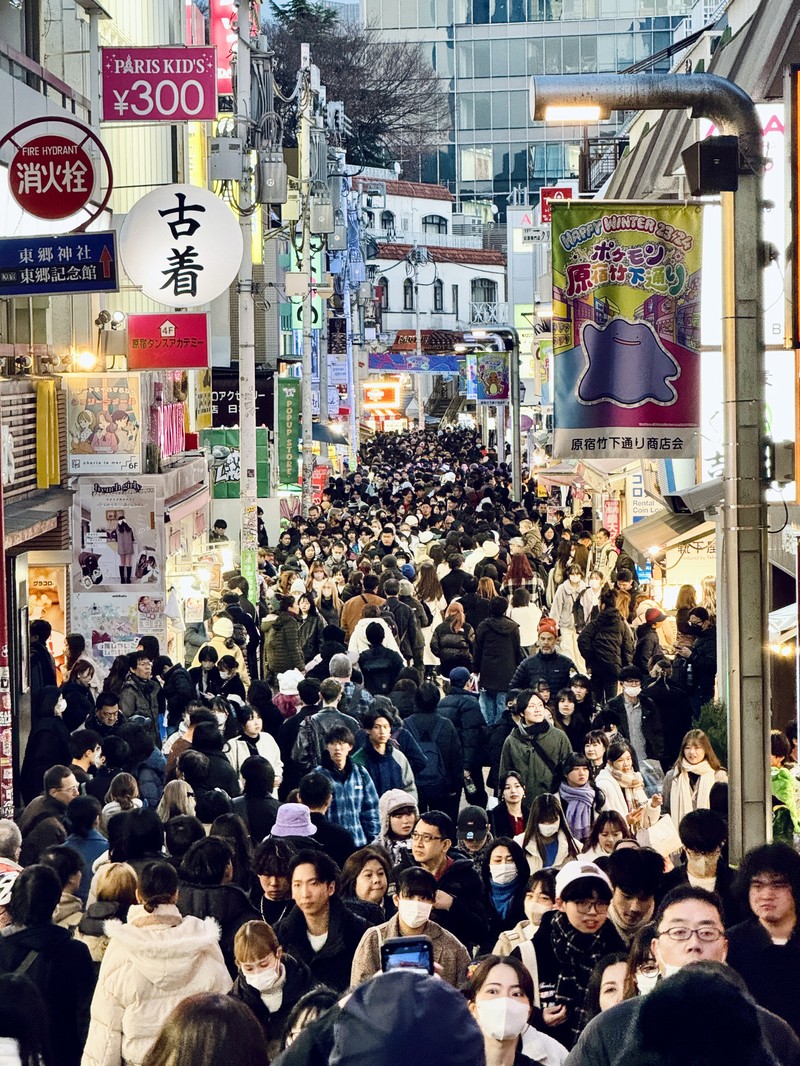
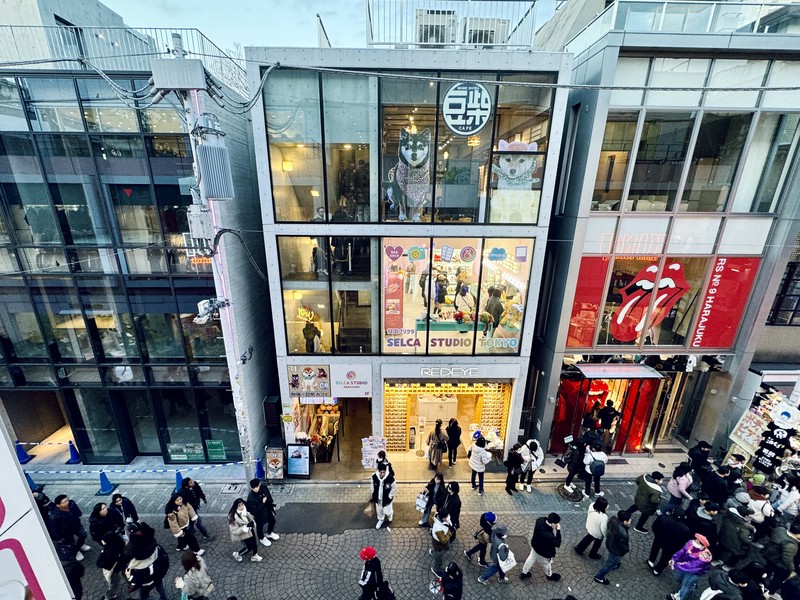
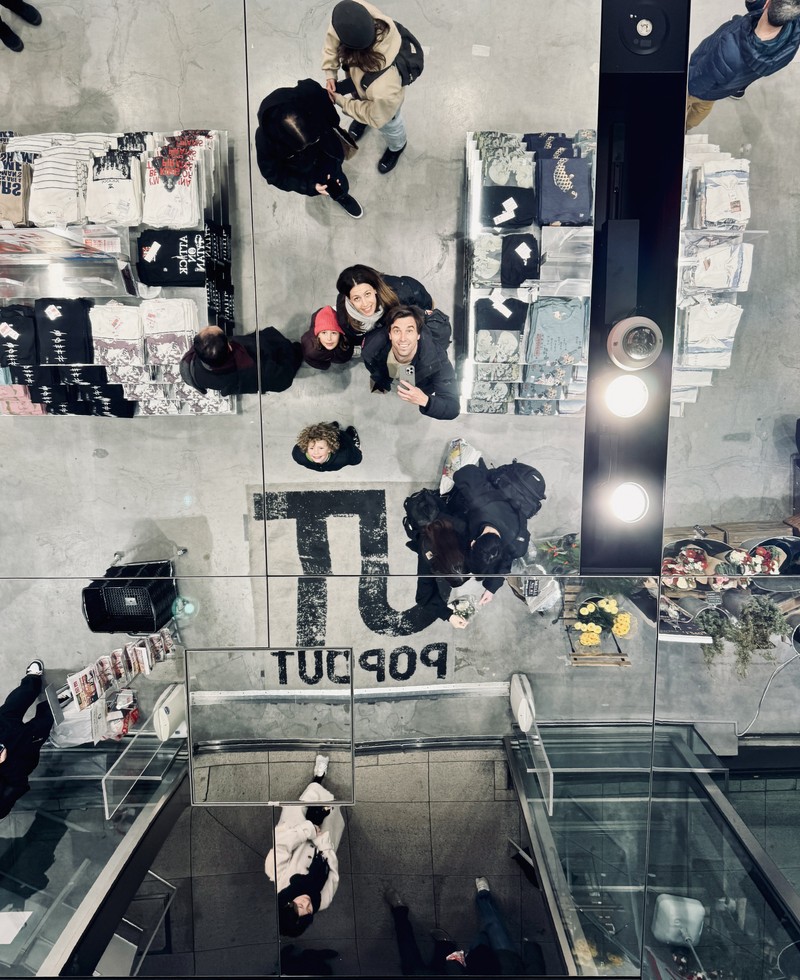
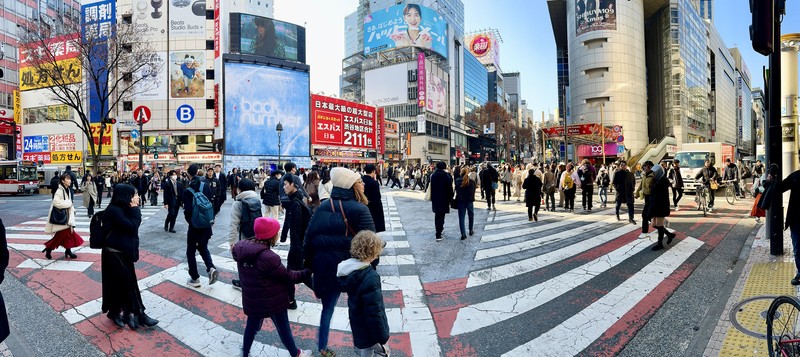
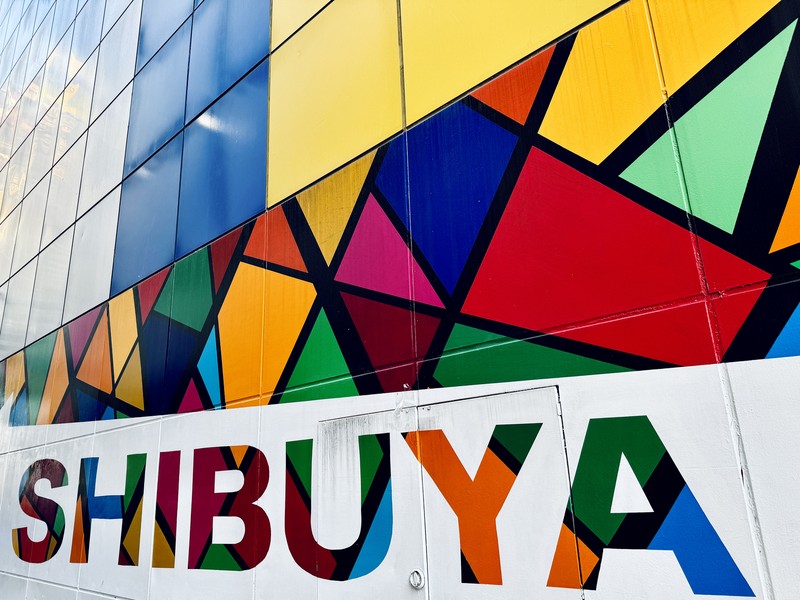
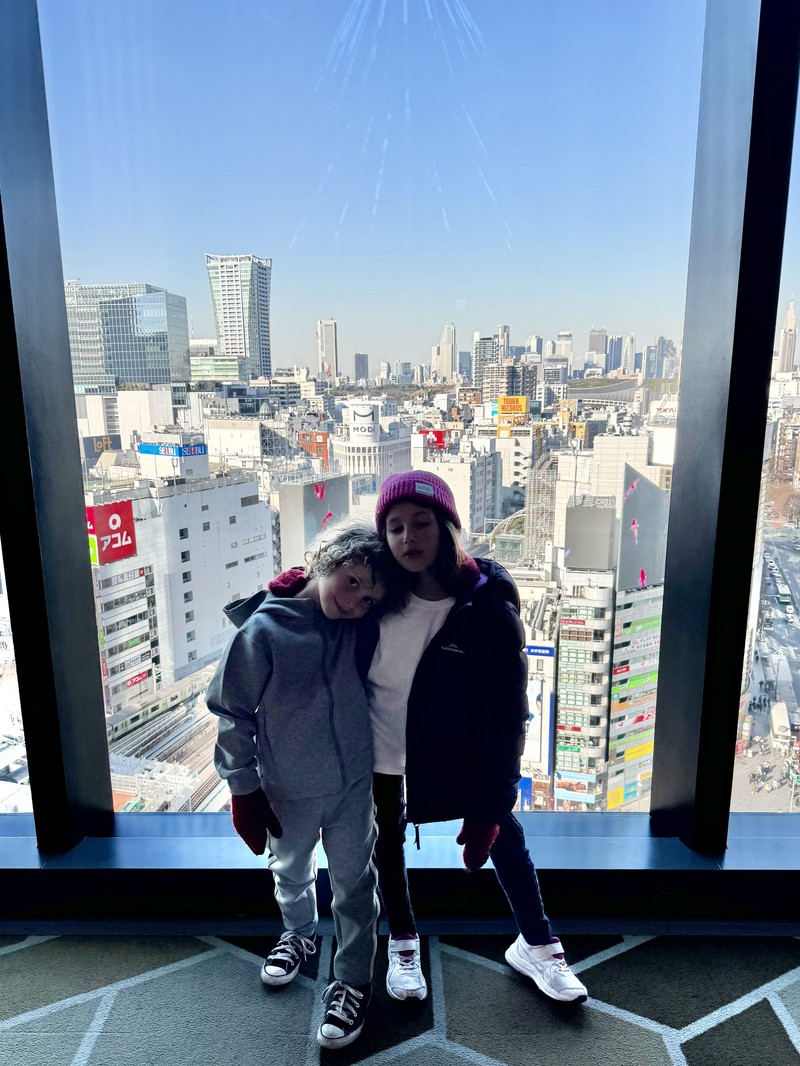
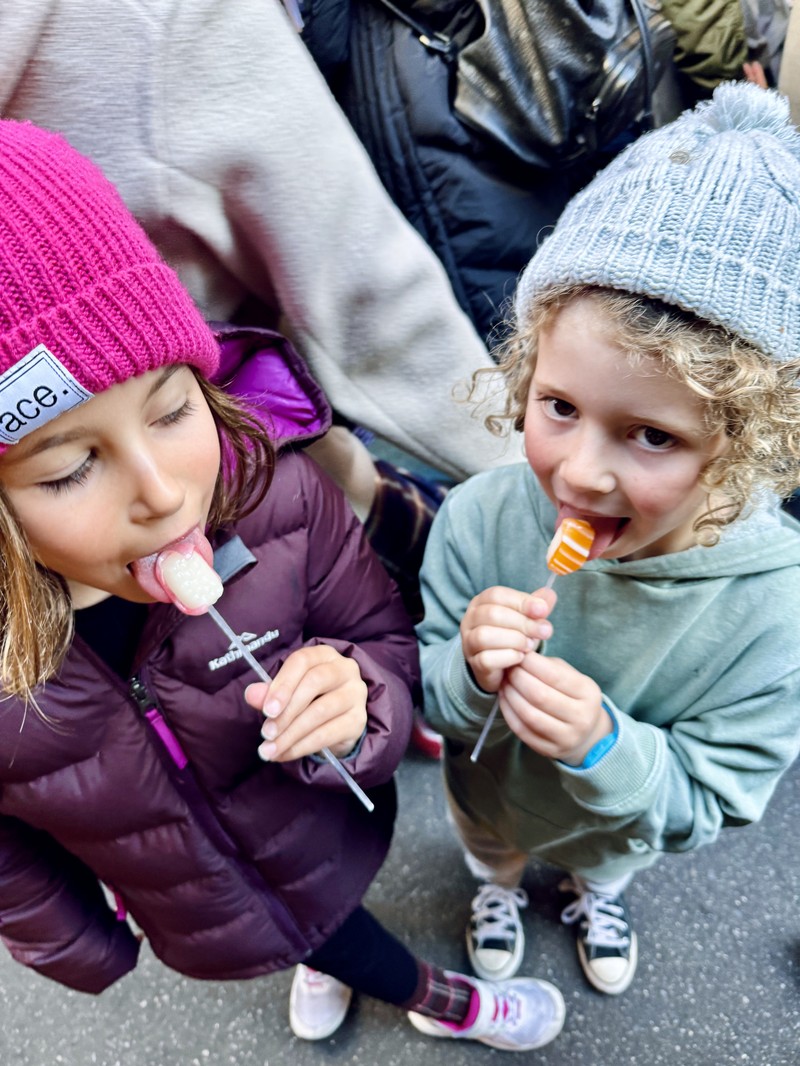
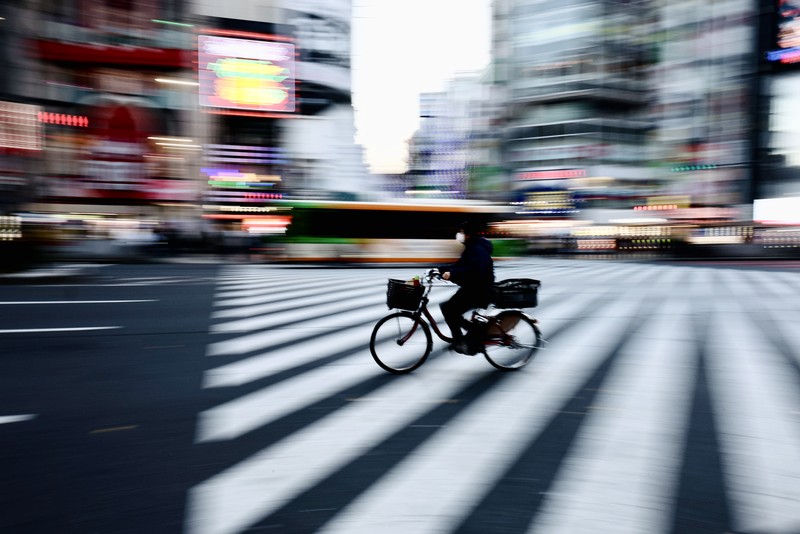
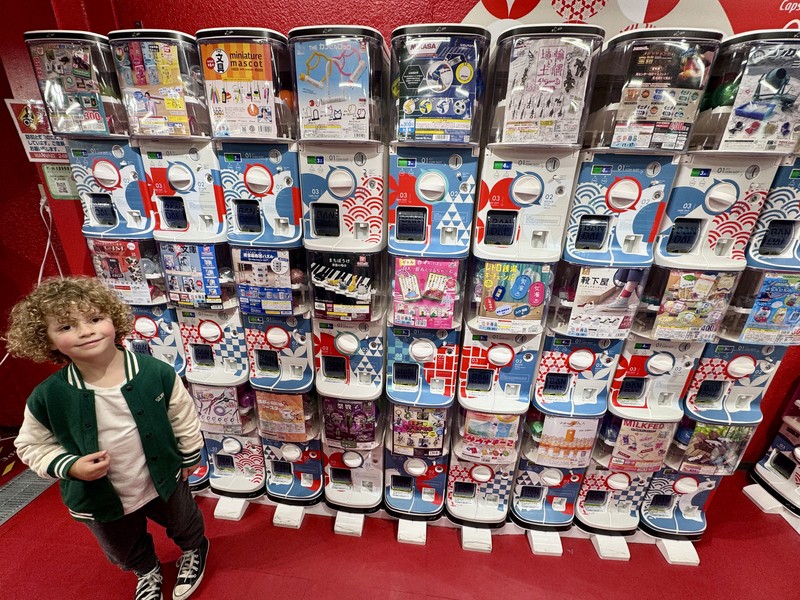
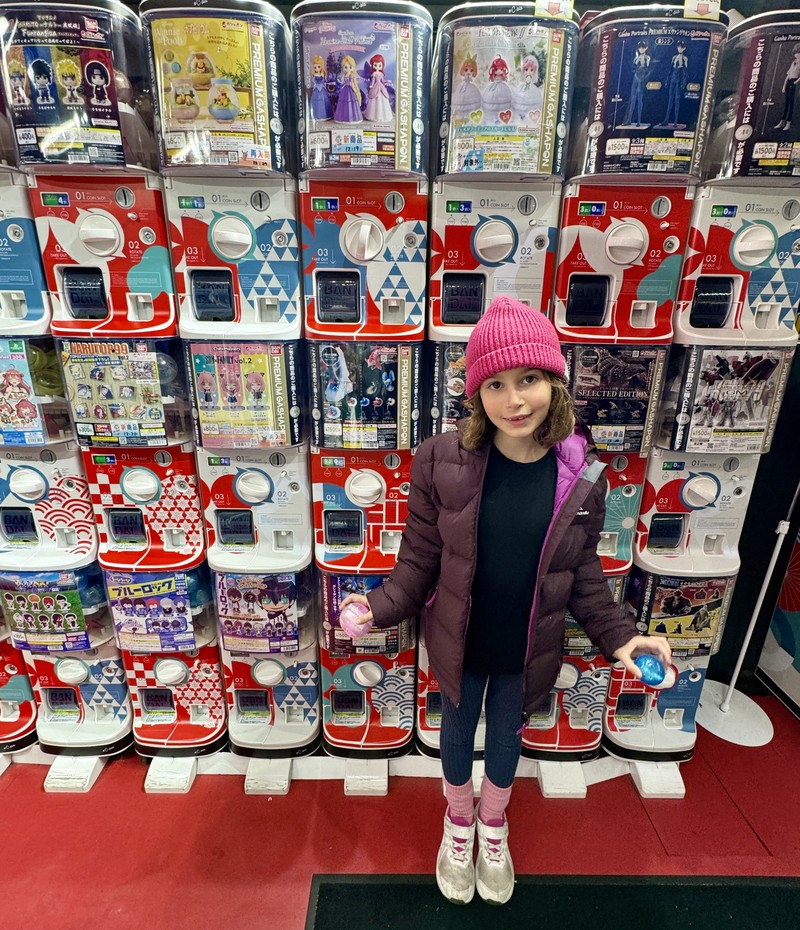
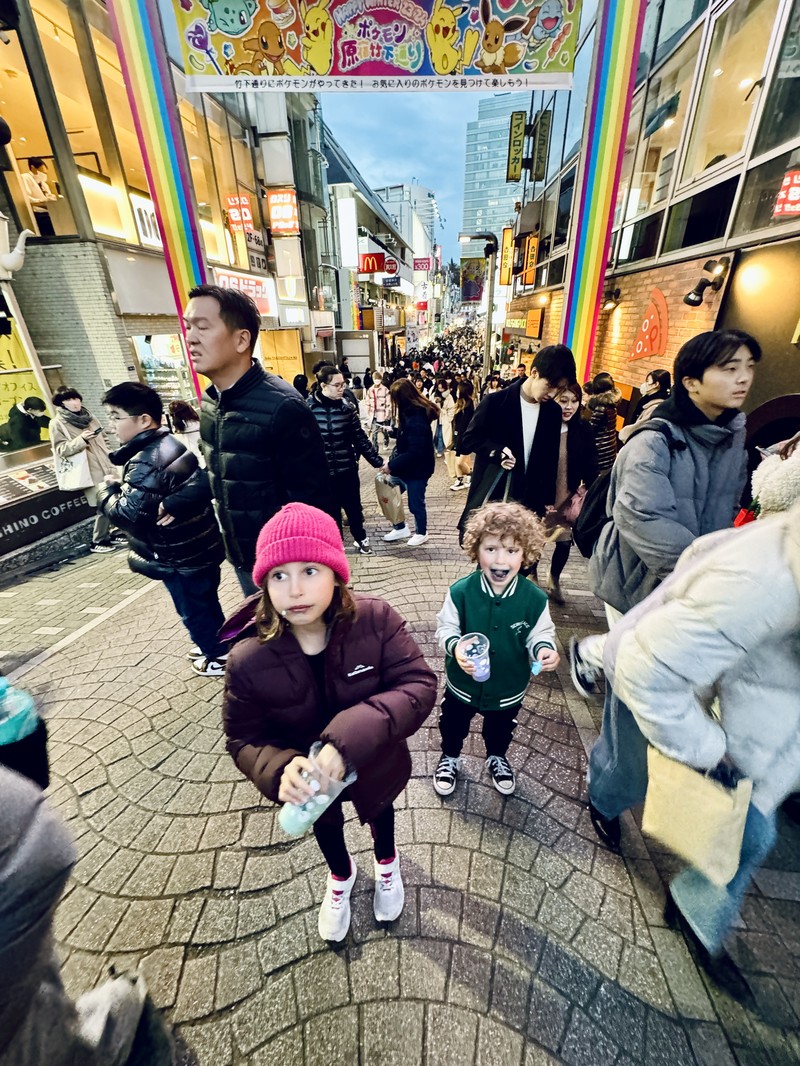
Shibuya gives us its famous crossing, human traffic pouring in from every direction before clearing in seconds. Harajuku packs people in even tighter. Takeshita Street is colour, strange food, quirky shops and a torrent of humanity moving through a space barely large enough to contain it. The kids spot a cat-petting shop and there is no question we are going in. Yet for all the density, it never feels out of control; the same courtesy we keep noticing across Tokyo holds even here.
And then Tokyo changes again.
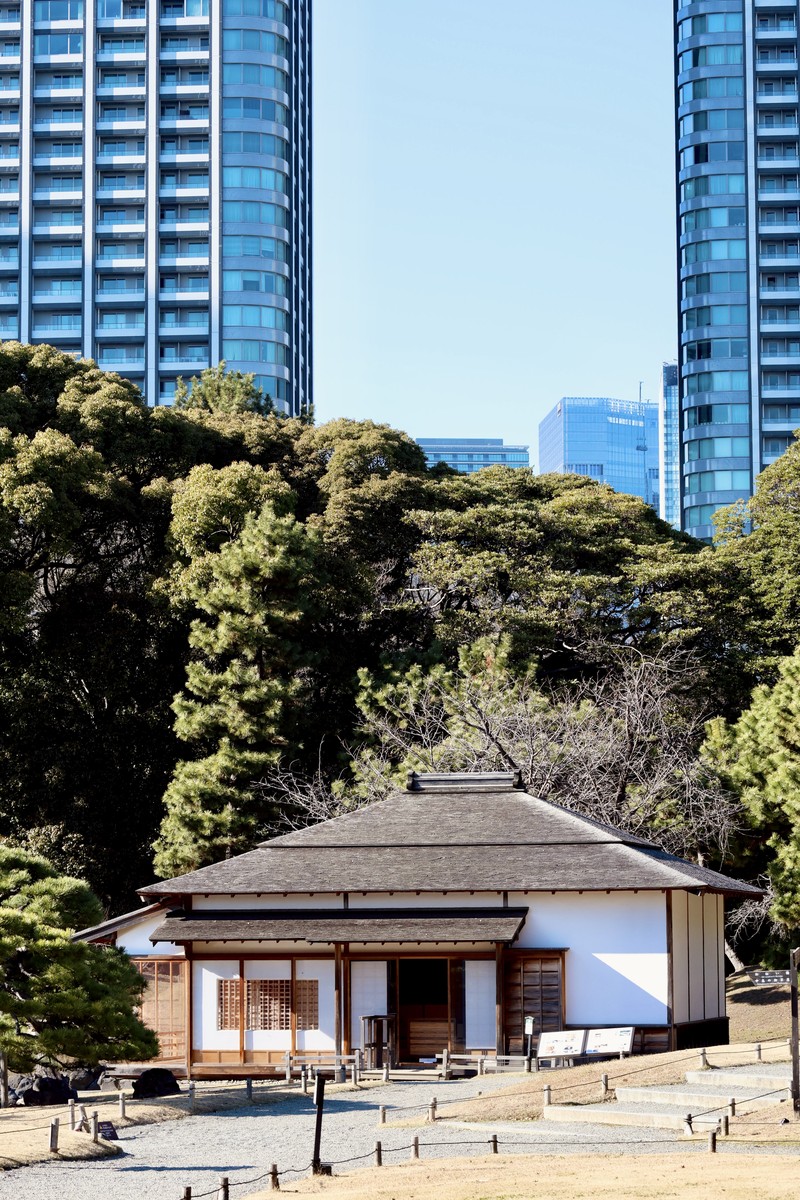
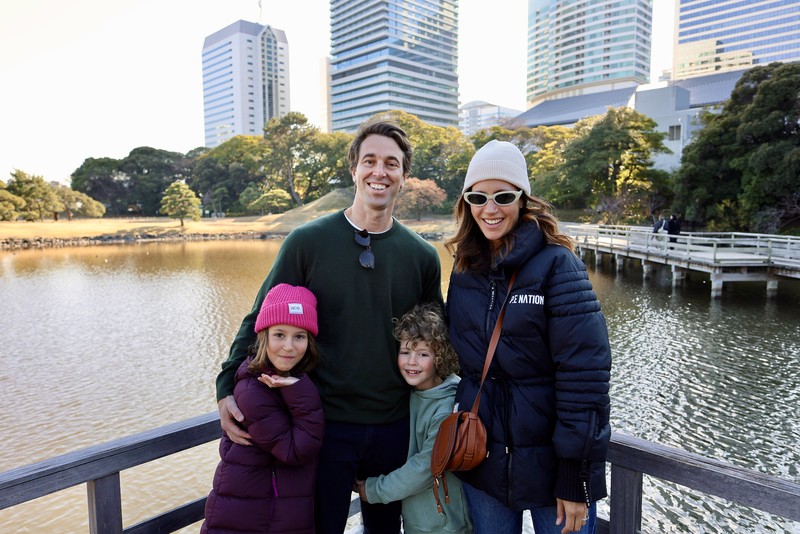
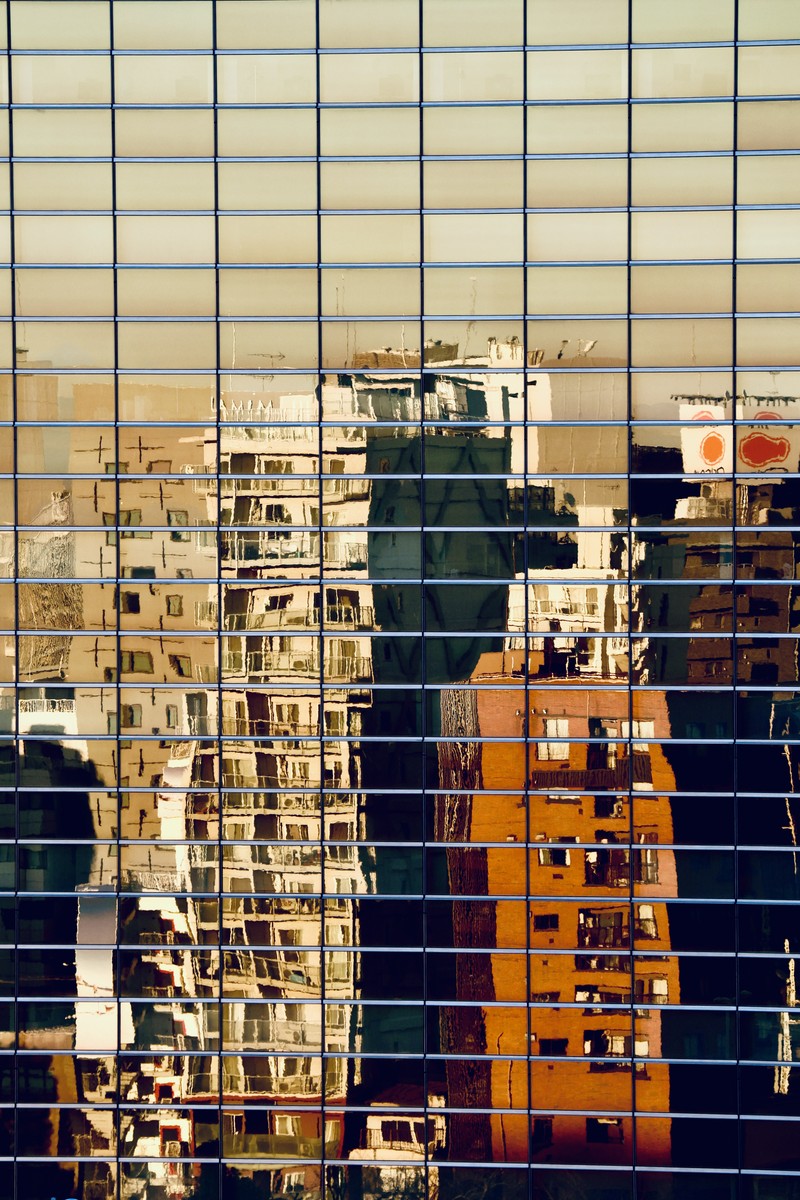
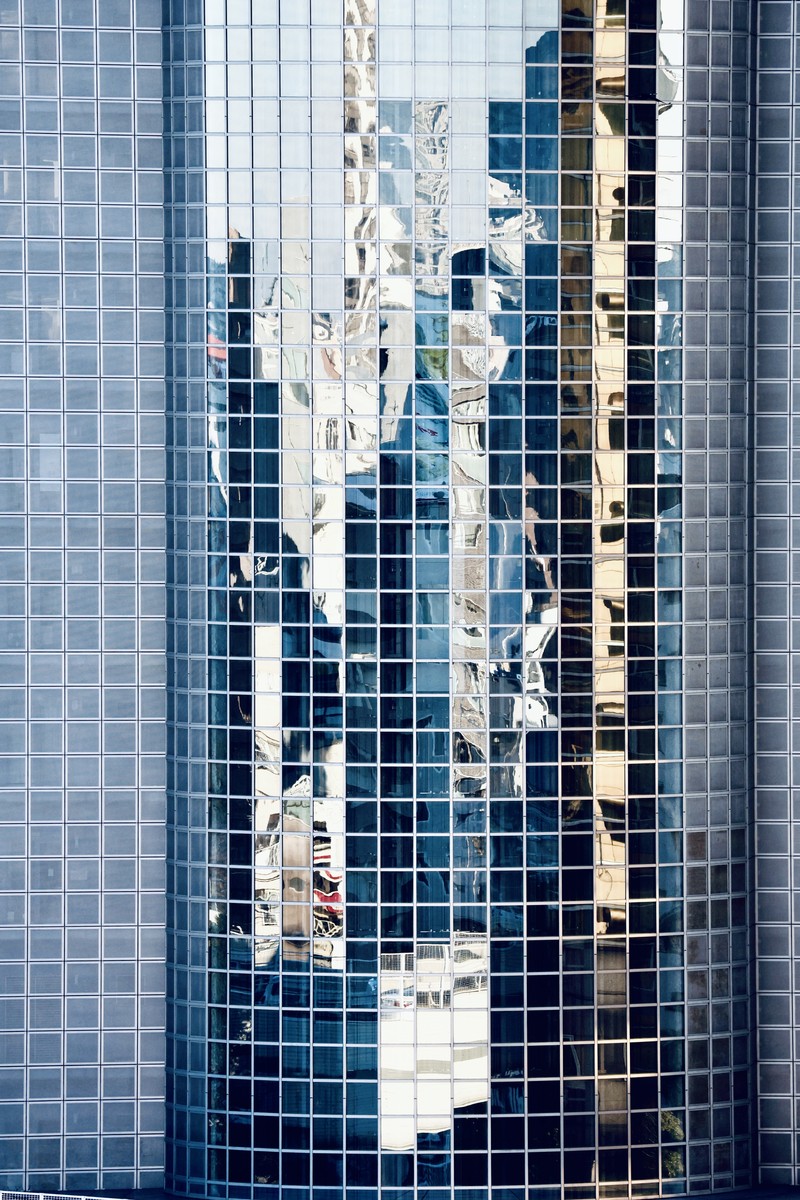
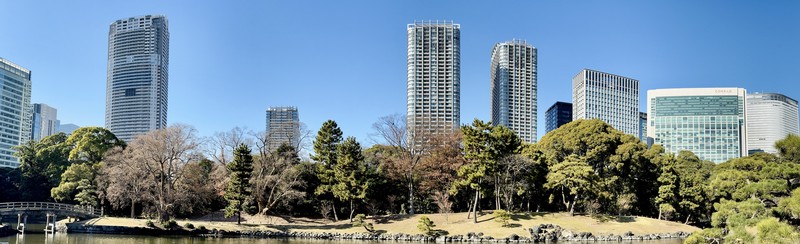
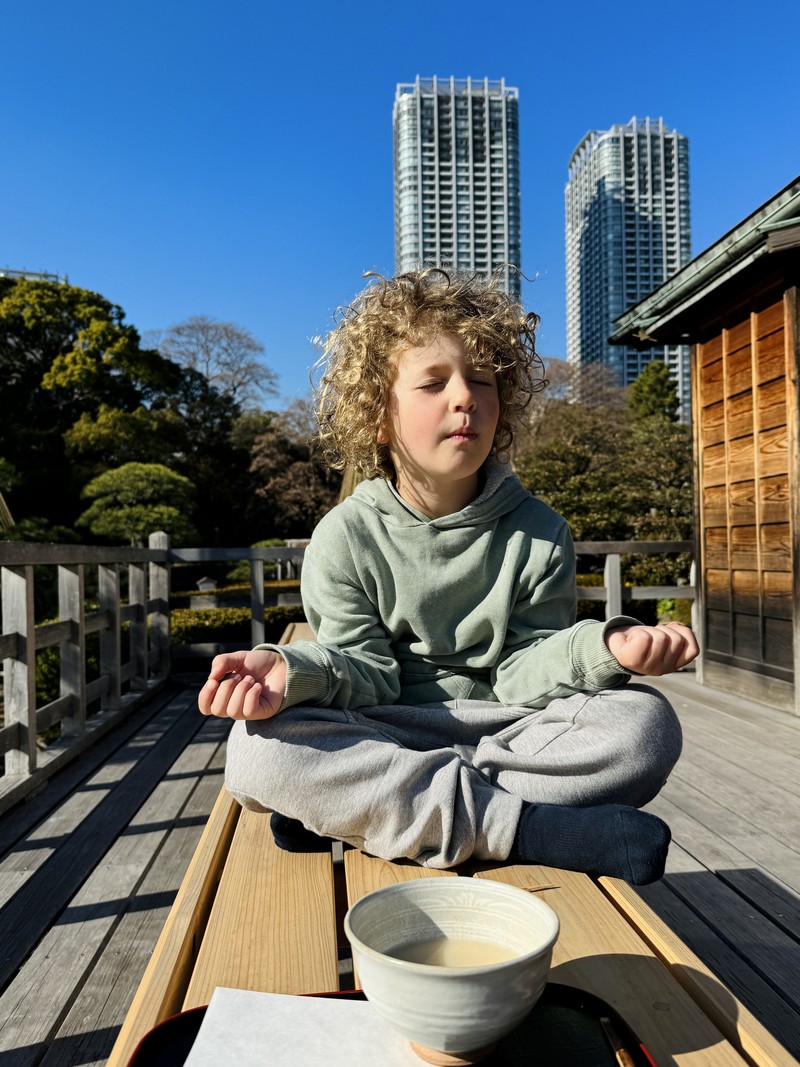
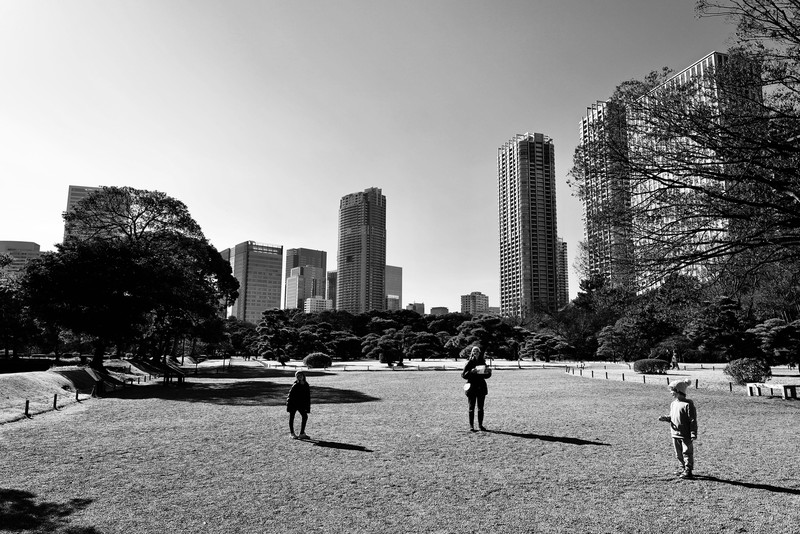
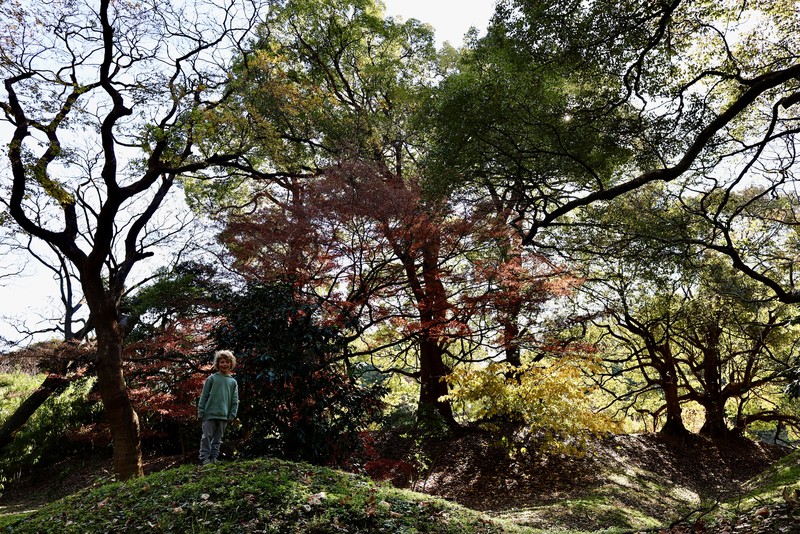
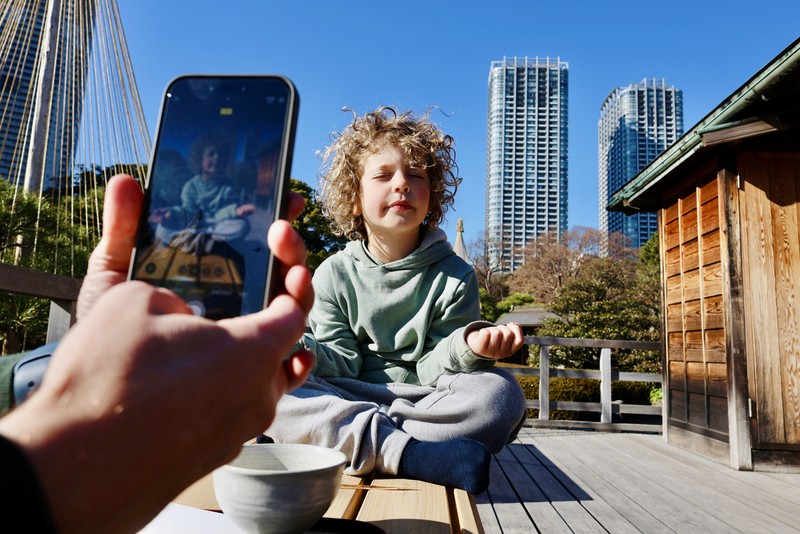
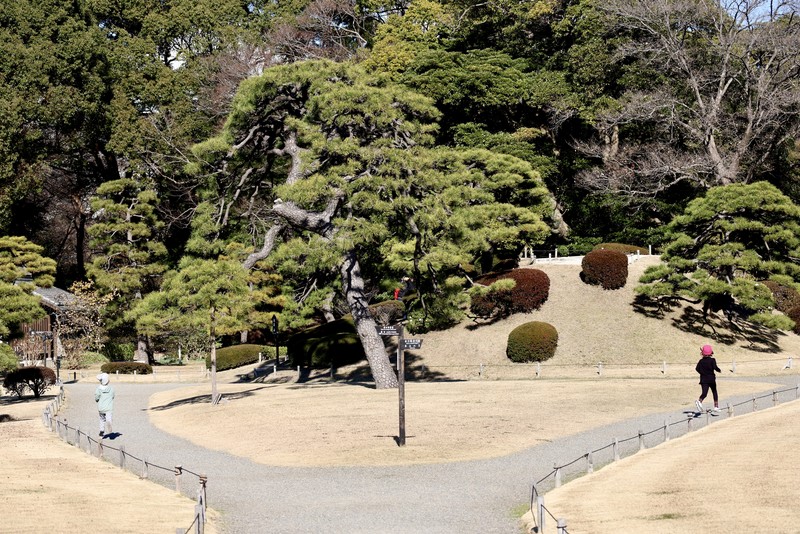
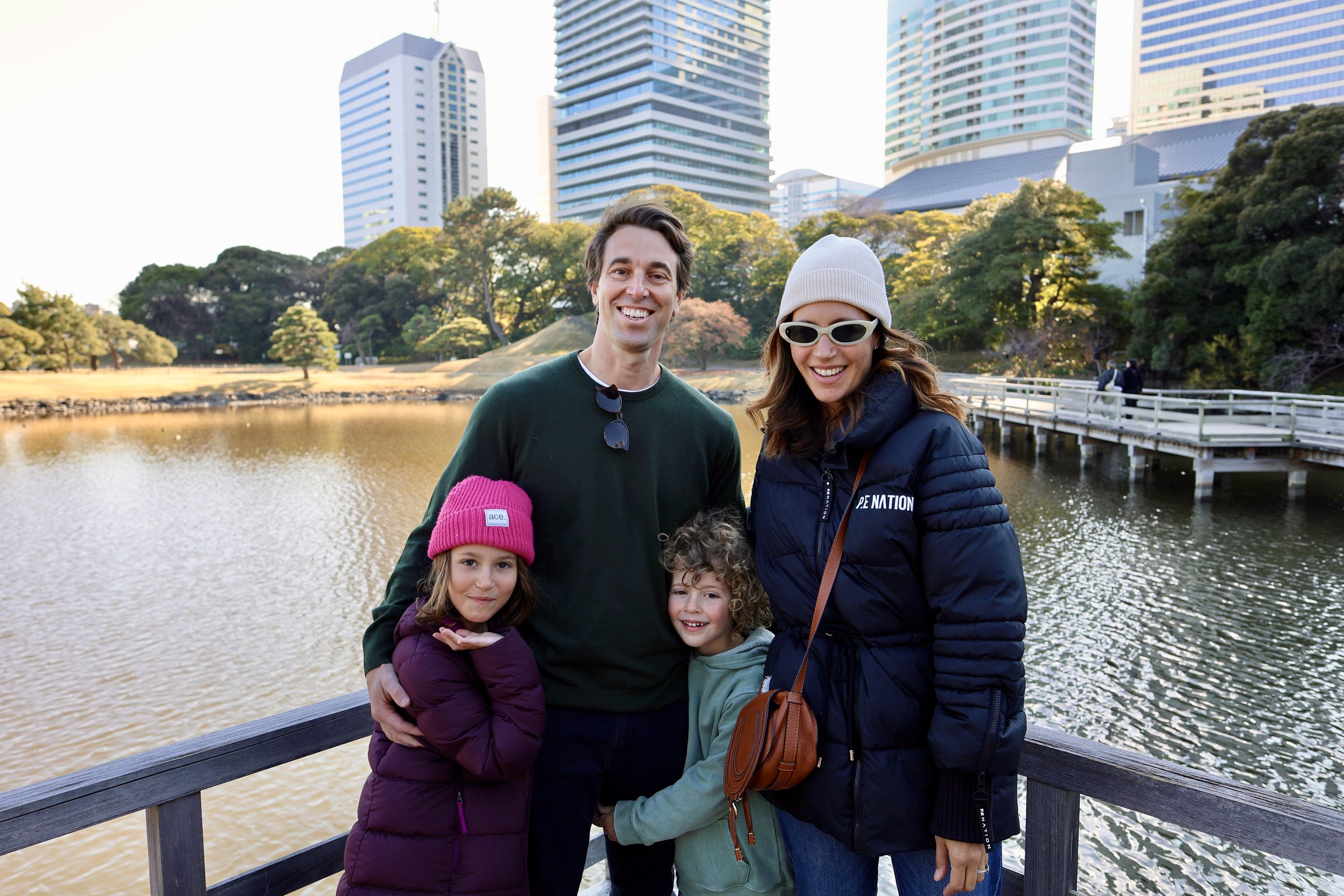
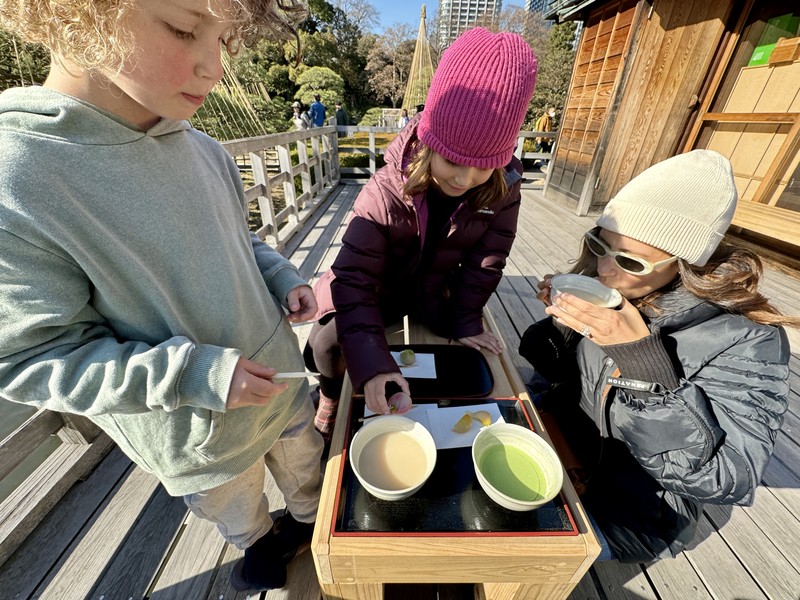
Ginza is immaculate and upmarket, all polished glass, glitz and endless high-end fashion. Nearby we walk into Hama-rikyu Gardens, once belonging to the Tokugawa shoguns, and suddenly we are amongst ponds, sculpted trees and old teahouses. We sit for matcha and sweets with Tokyo’s towers rising behind the gardens. I love the juxtaposition: centuries of Japanese history and landscape sitting quietly inside one of the most modern cities on earth.
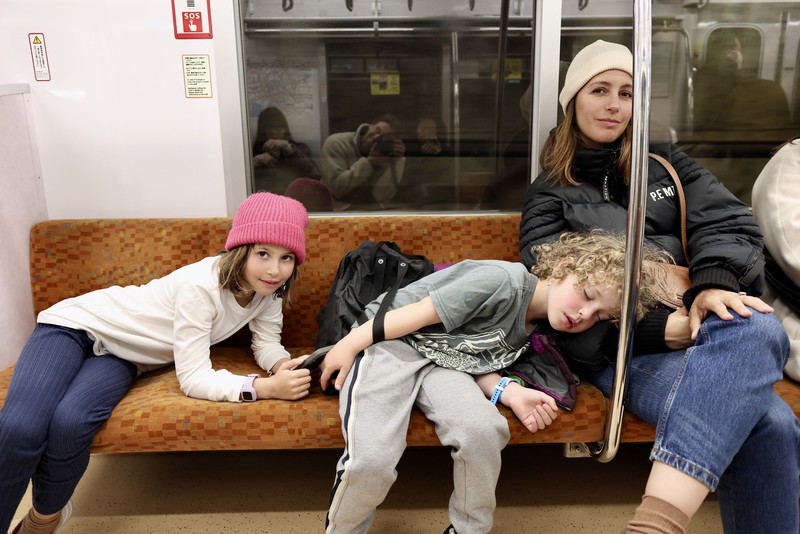
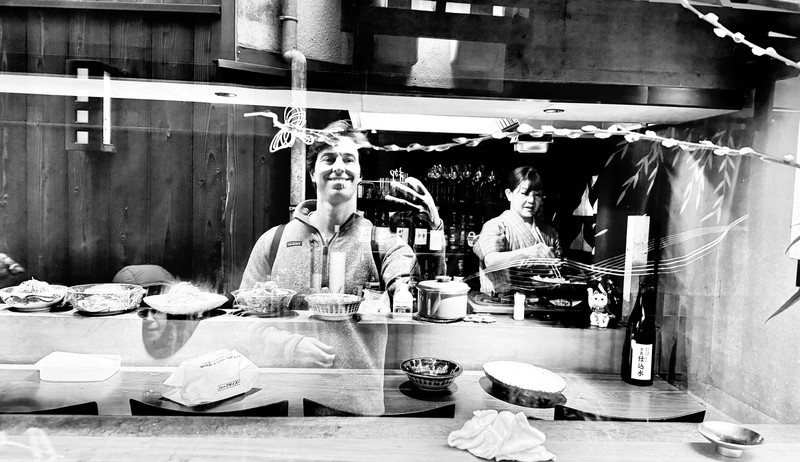
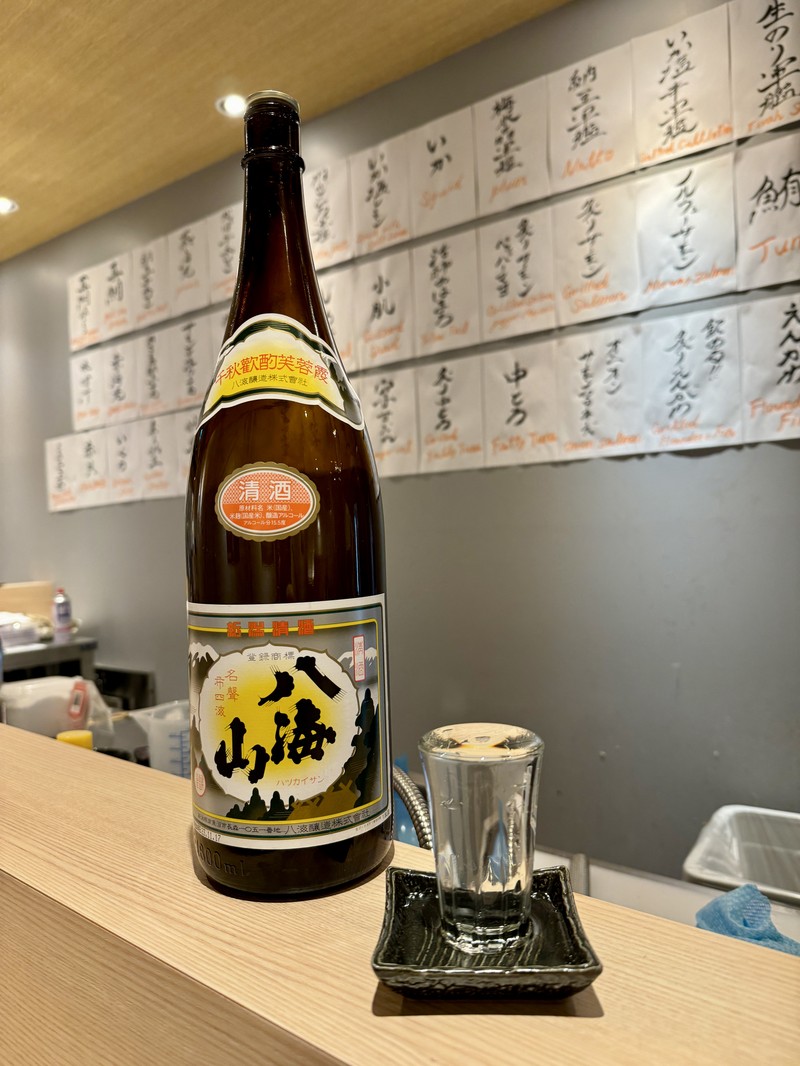
Adrenaline keeps us moving and we are determined to squeeze everything we can from every day. Explore now, sleep later. One night Jen and the kids are knackered and call it a night, but I decide sleep can wait and head back out into Asakusa alone. I stumble upon a tiny, near-empty sushi bar and, by sheer luck, end up with the chef effectively to myself. He makes each piece individually in front of me while sake is poured until it spills over the rim of the glass. The sushi is next-level good.
Tokyo is infinite; every time we surface, another world is waiting.
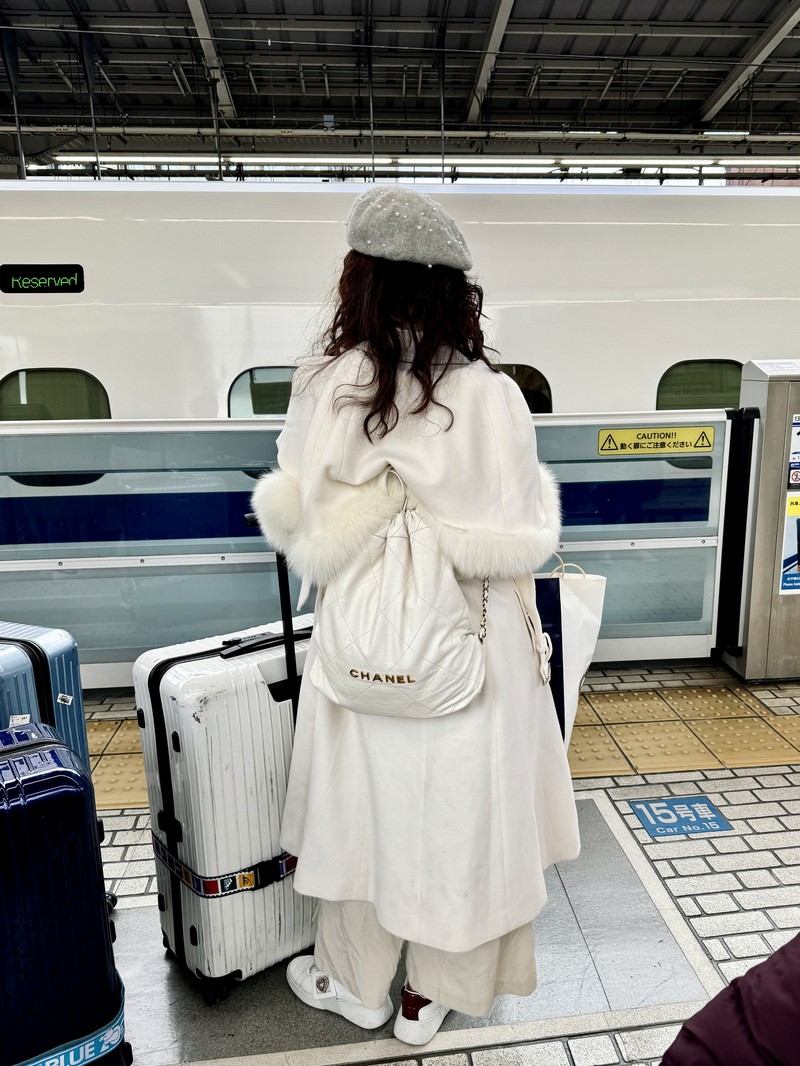
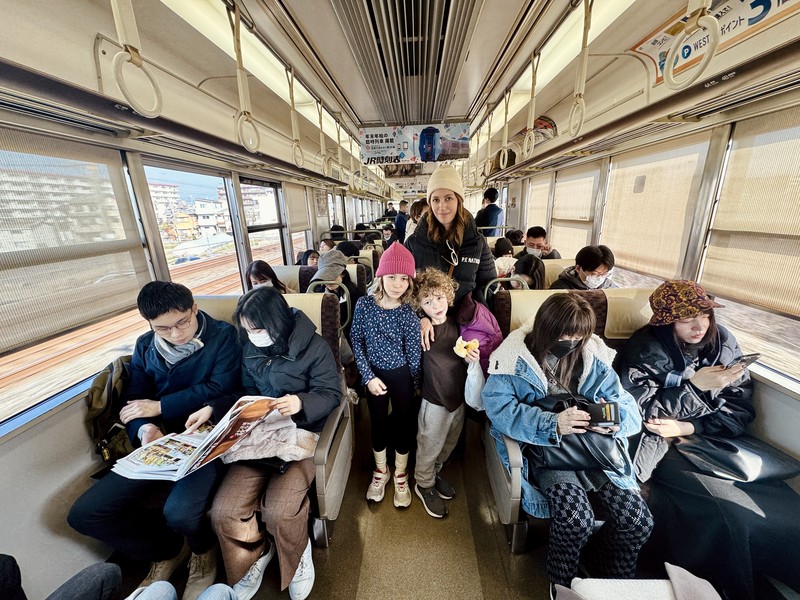
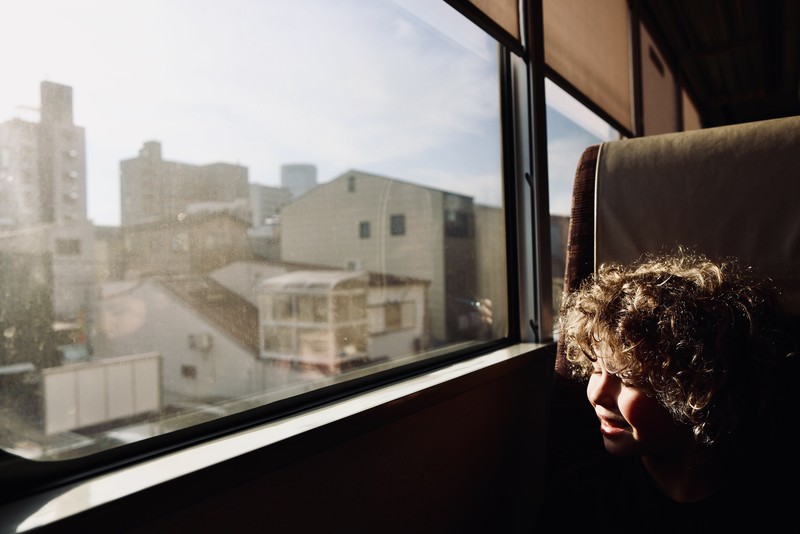
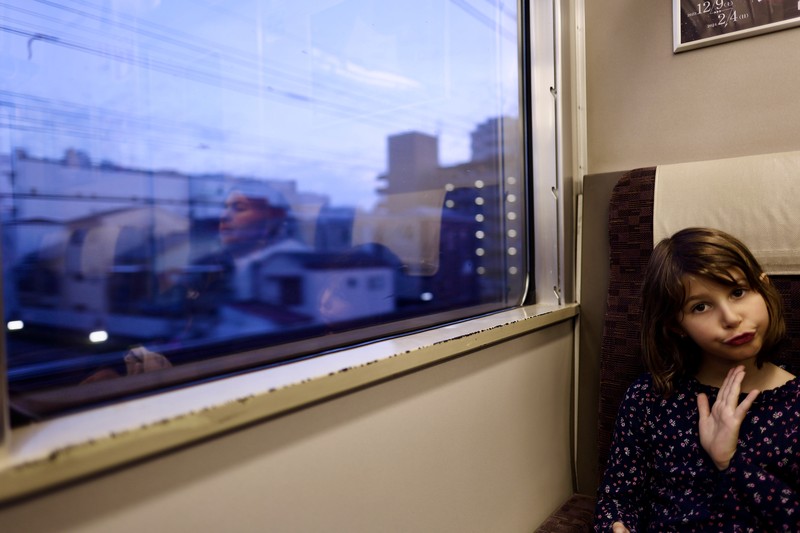
The Shinkansen shoots us west to Kyoto, smooth and effortless despite the speed.
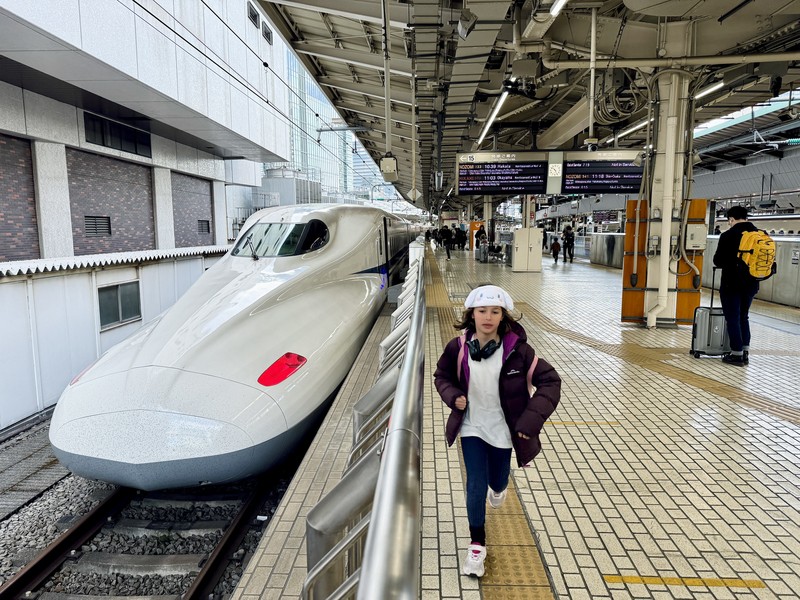
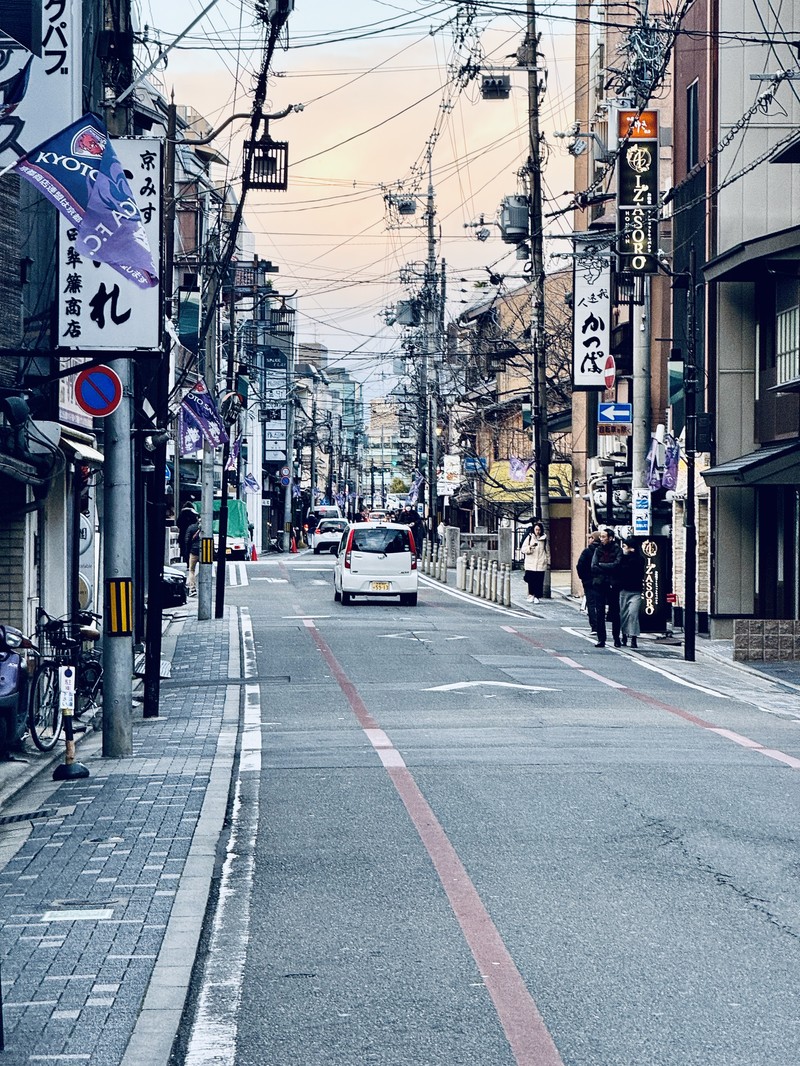
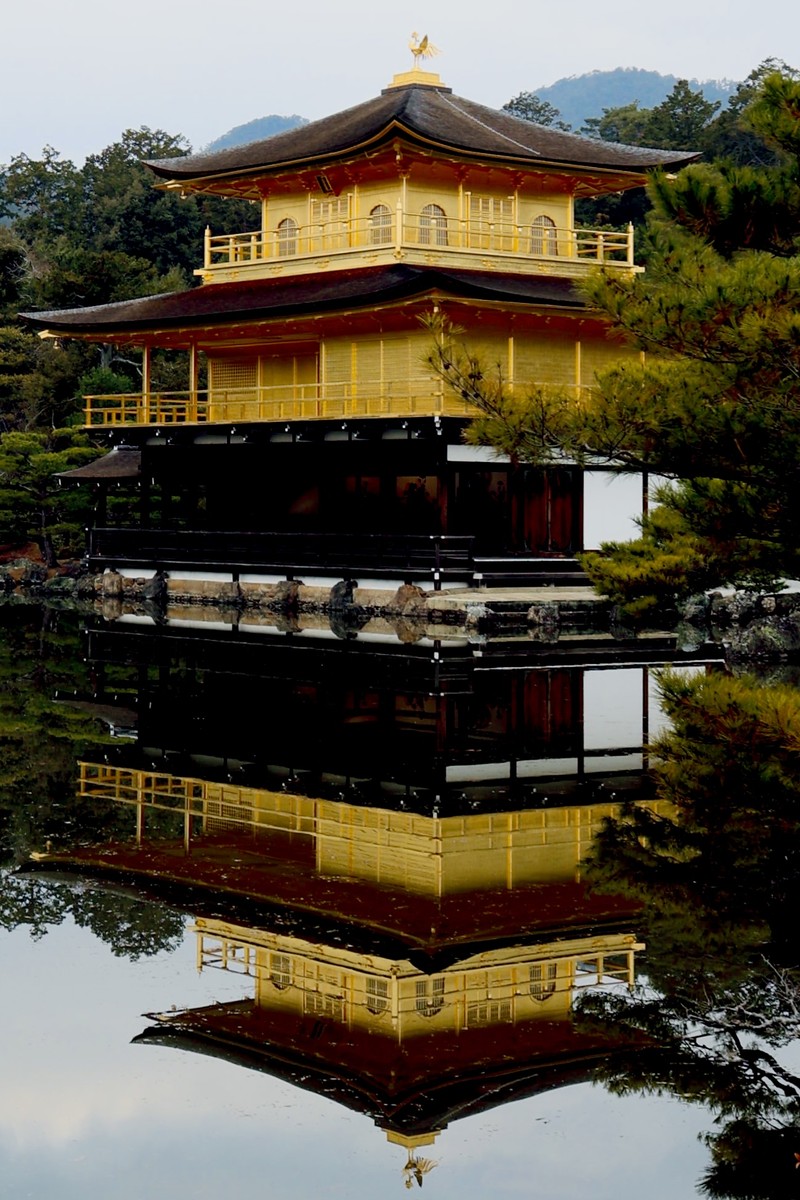
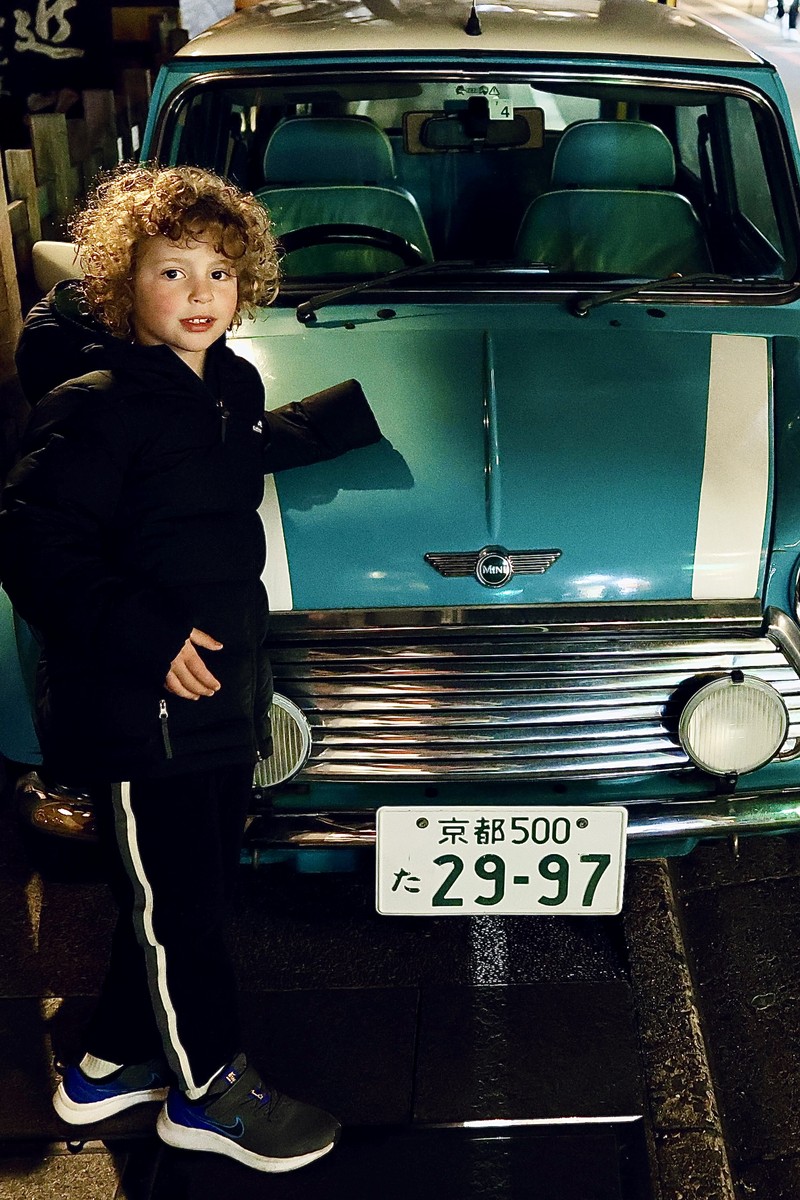
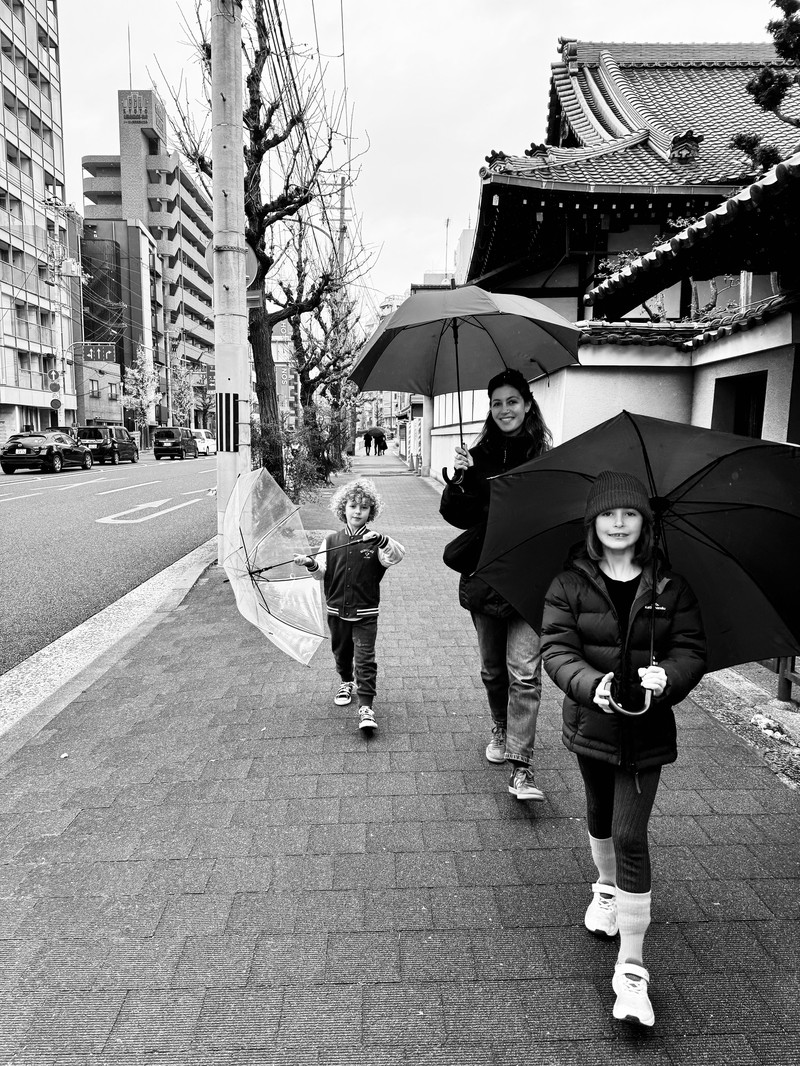
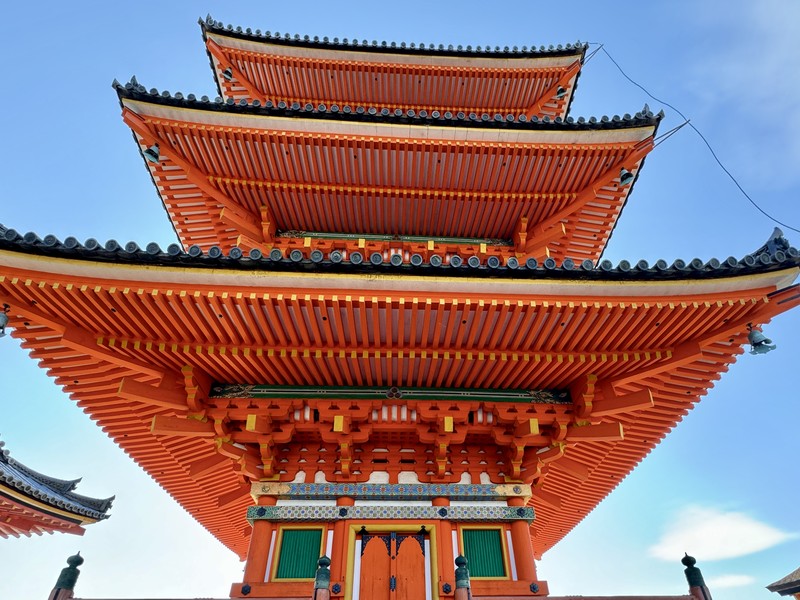
There is one fact about Kyoto that I absolutely love: Kyoto is an anagram of Tokyo. With my passion for cryptic crosswords, this is the coolest piece of geographical trivia. Kyoto itself is lower, older and more intimate than Tokyo, with temples, shrines and traditional streets woven through everyday life.
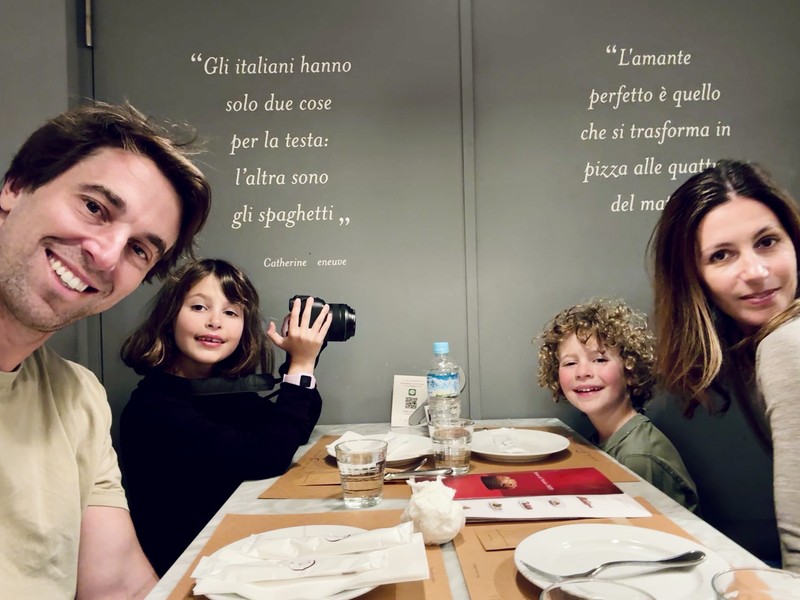
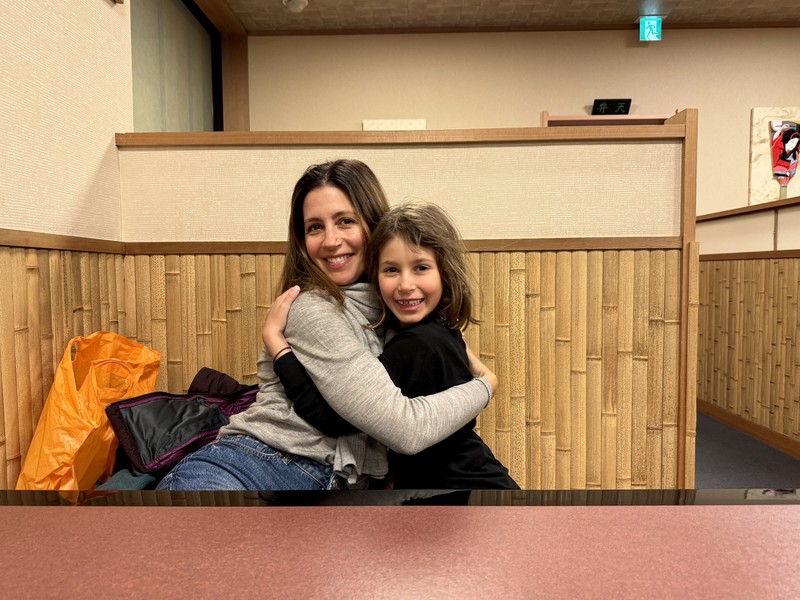
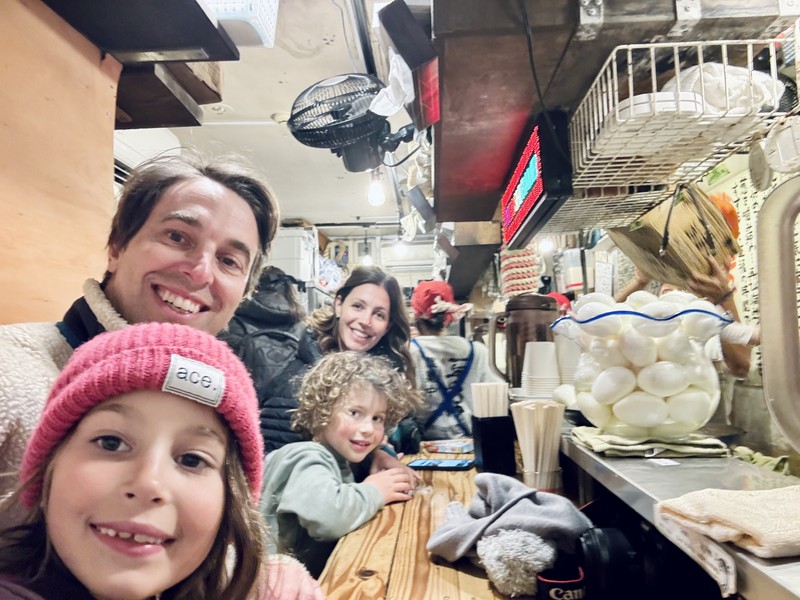
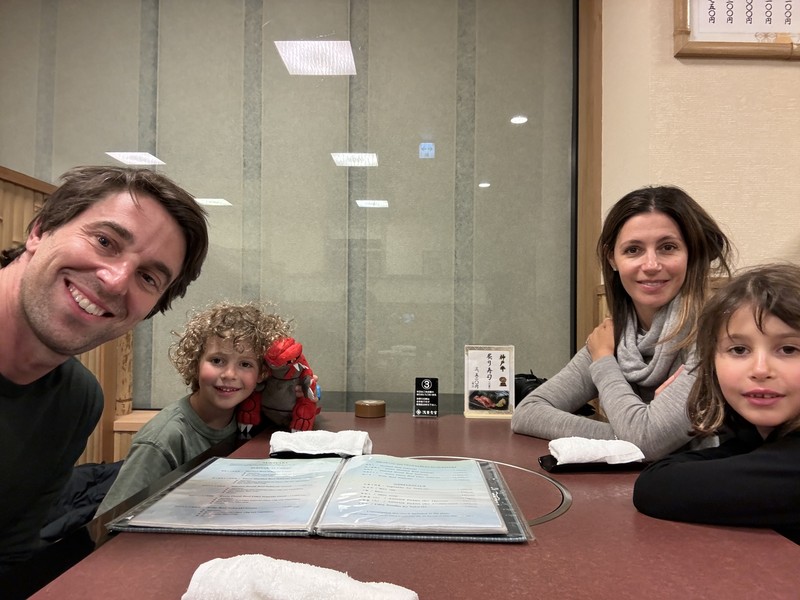
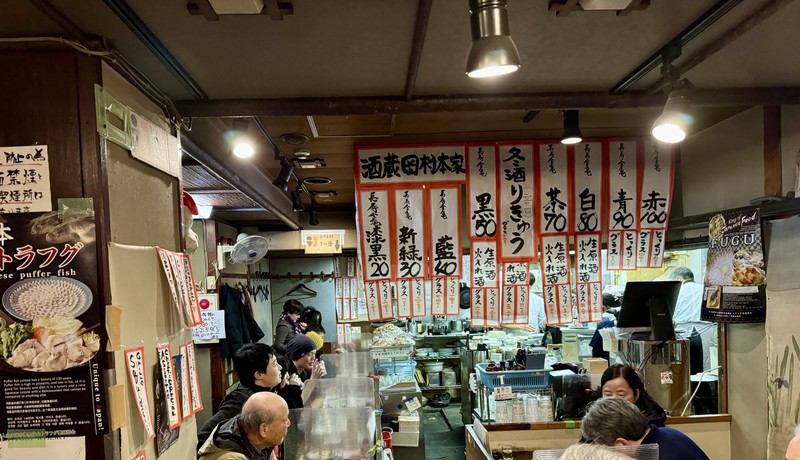
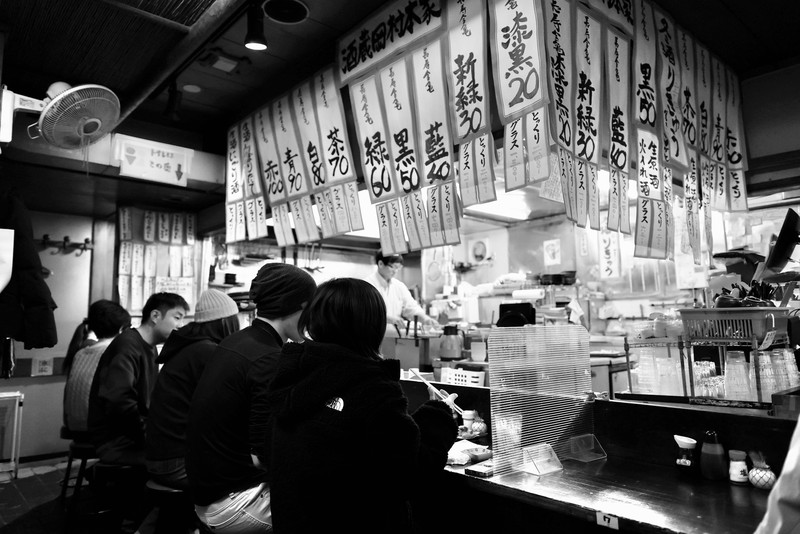
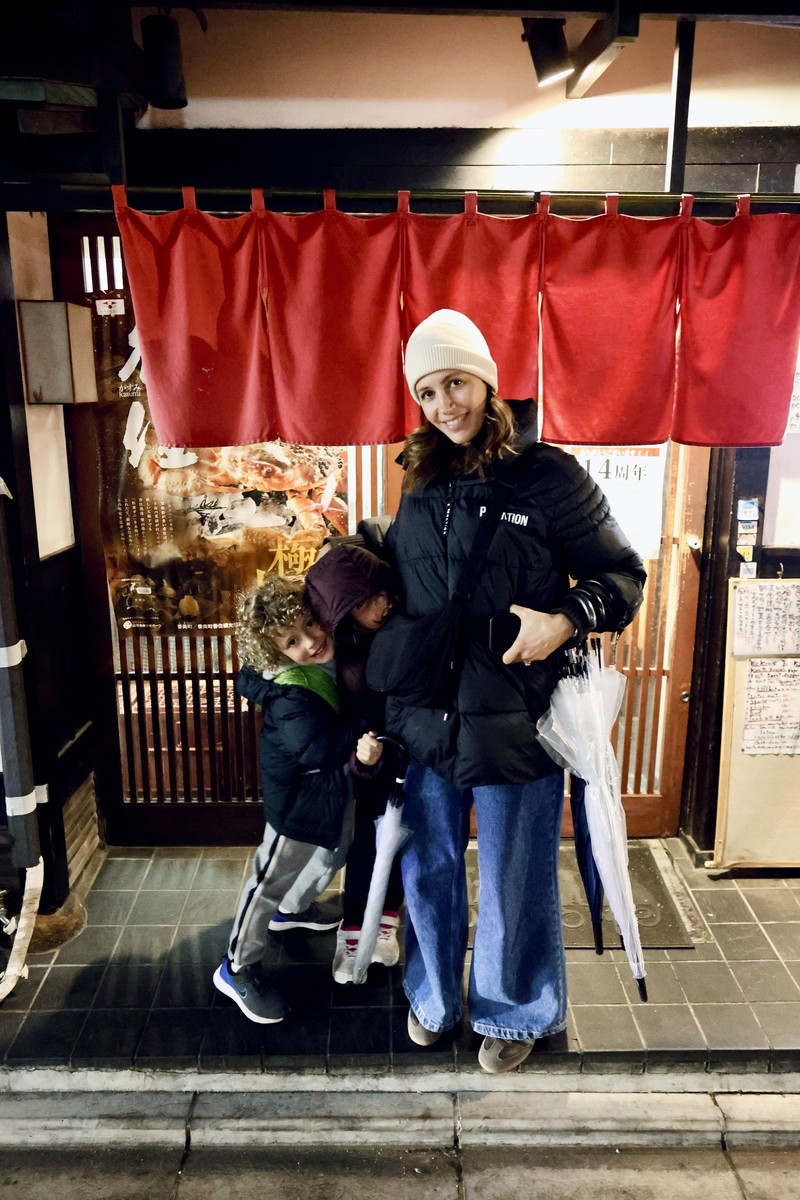
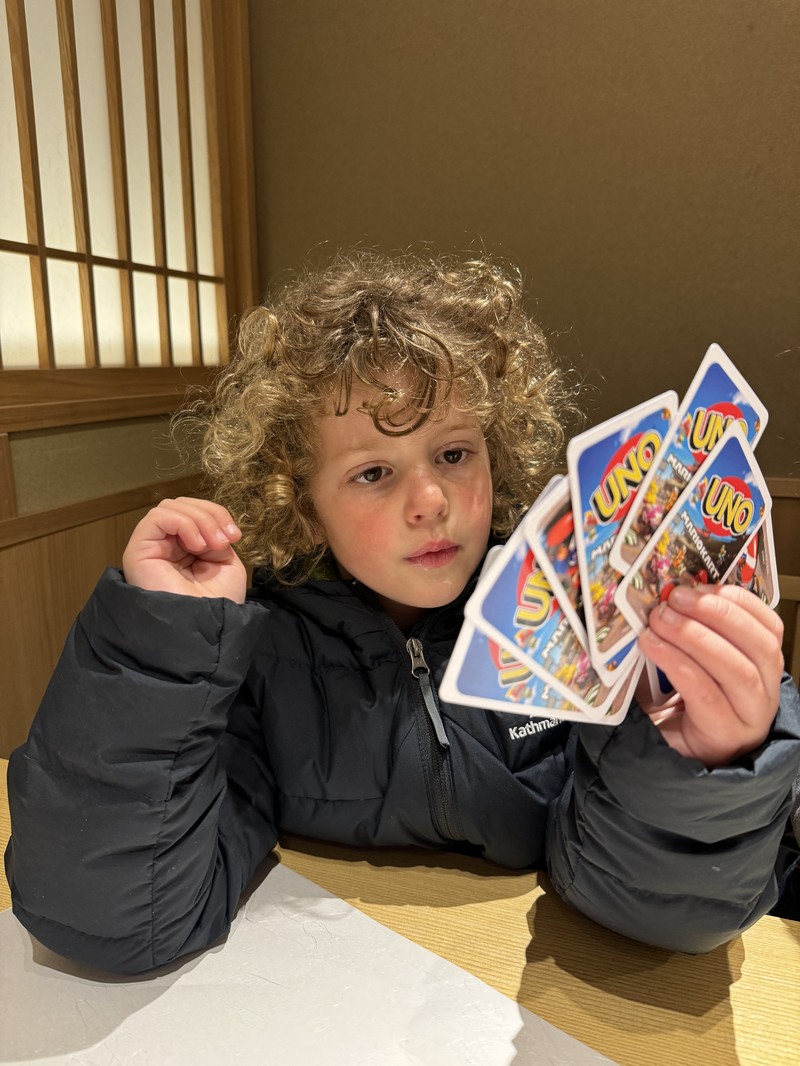
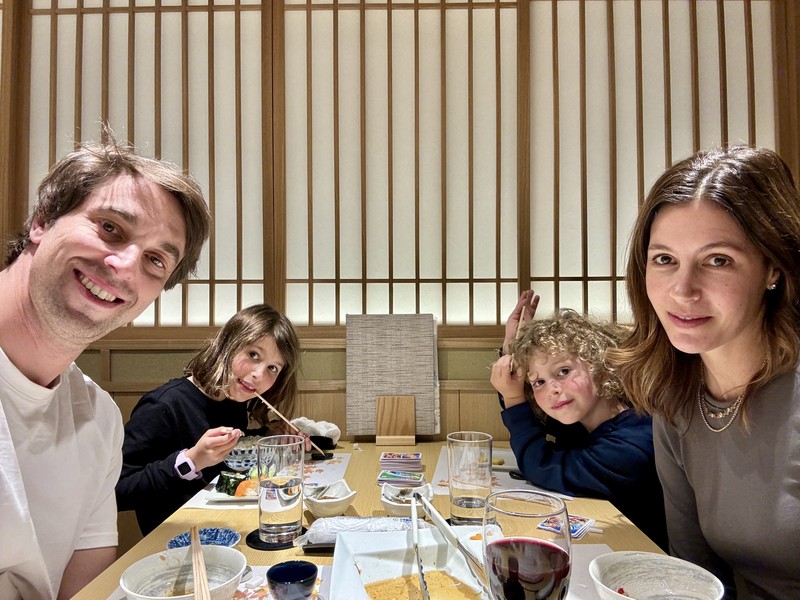
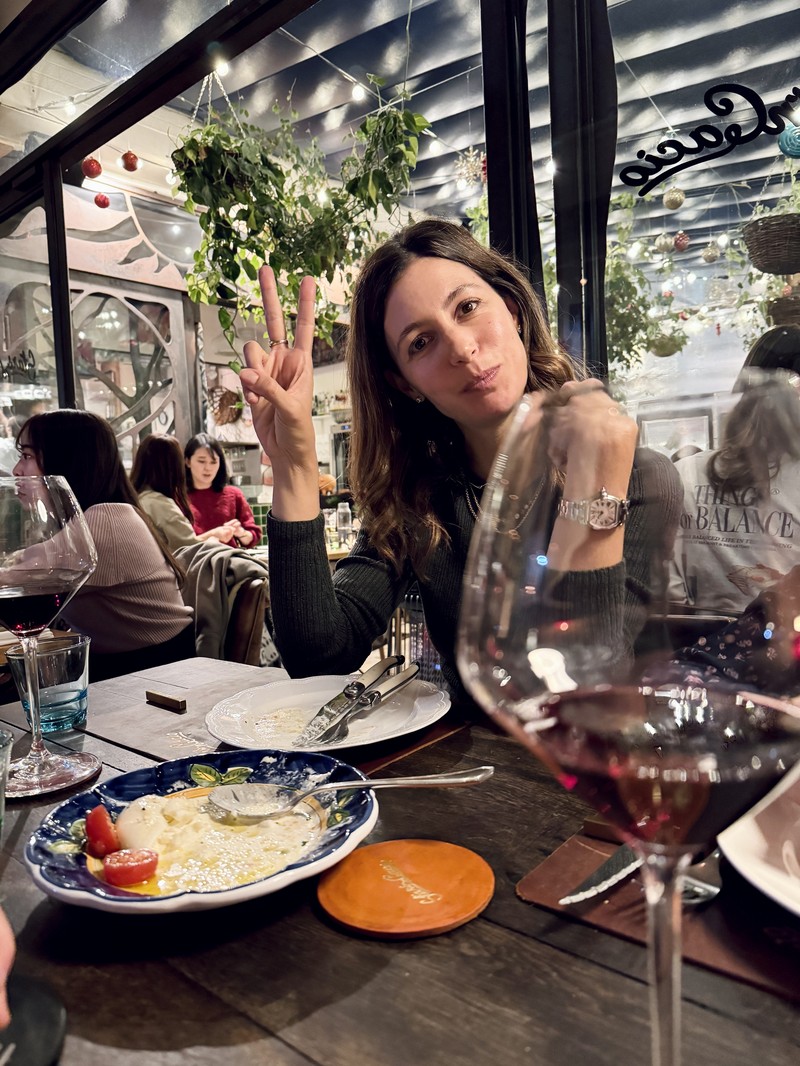
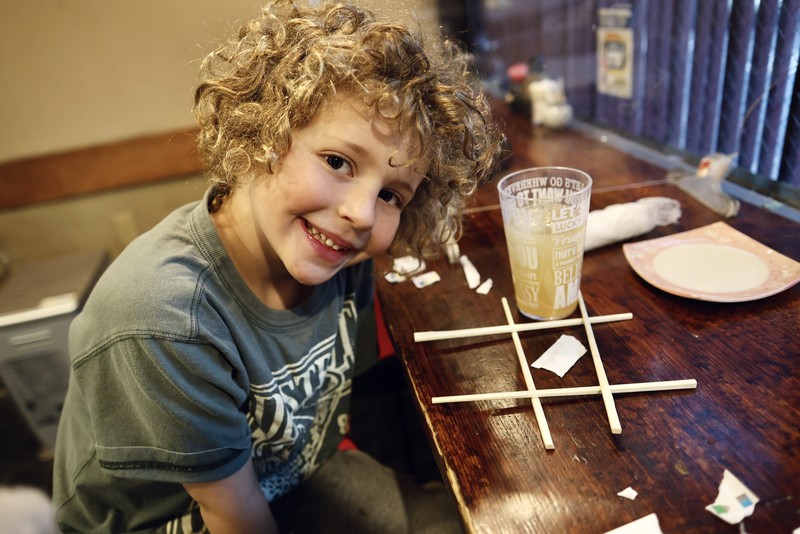
On our first night we wander into a random restaurant with no particular expectation. There are virtually no tourists, the menu is a mystery and we are not entirely sure what we have ordered. A makeshift game of noughts and crosses using chopsticks and torn-up napkins keeps the kids occupied until the food is served. Whatever we’ve ordered, it is delicious.
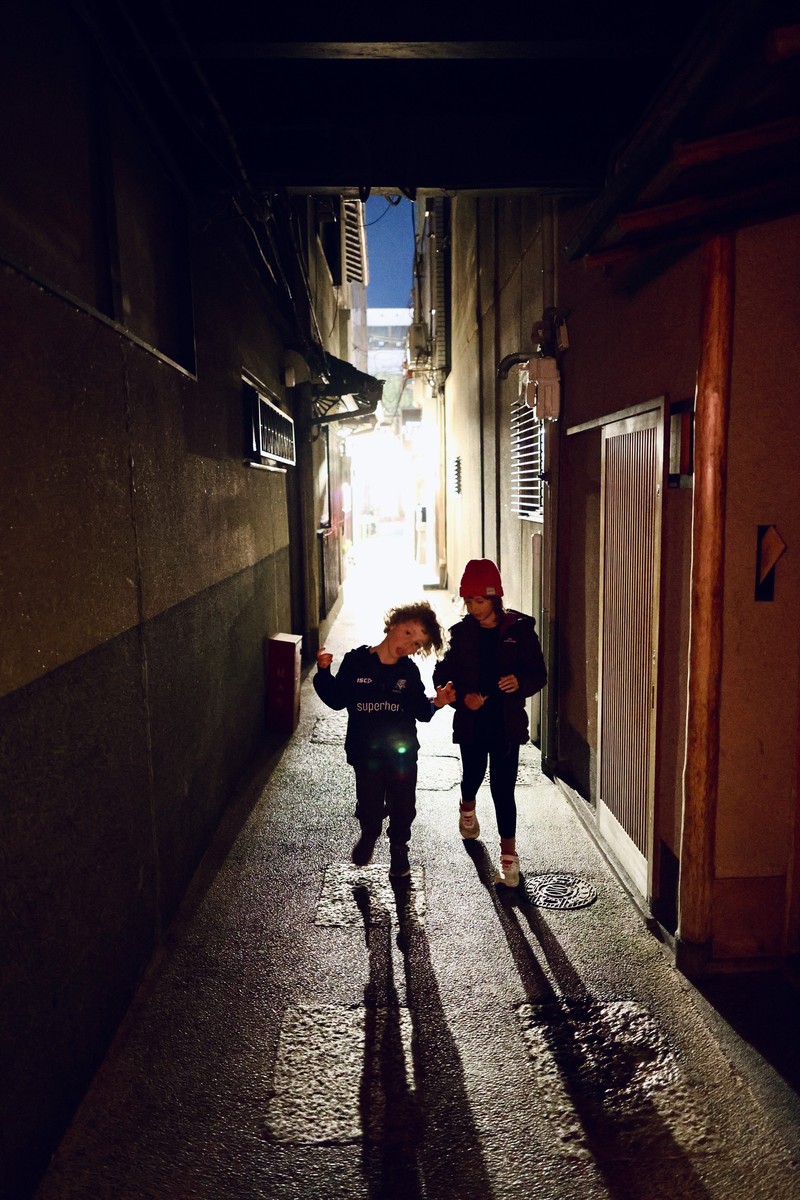
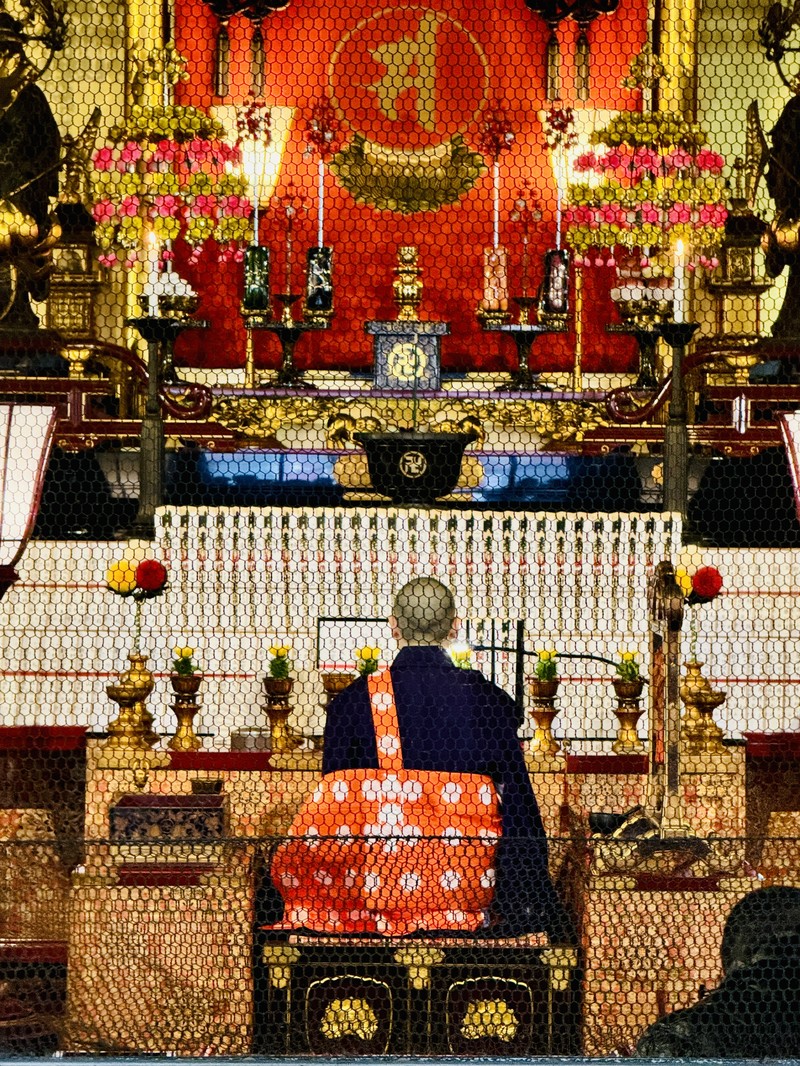
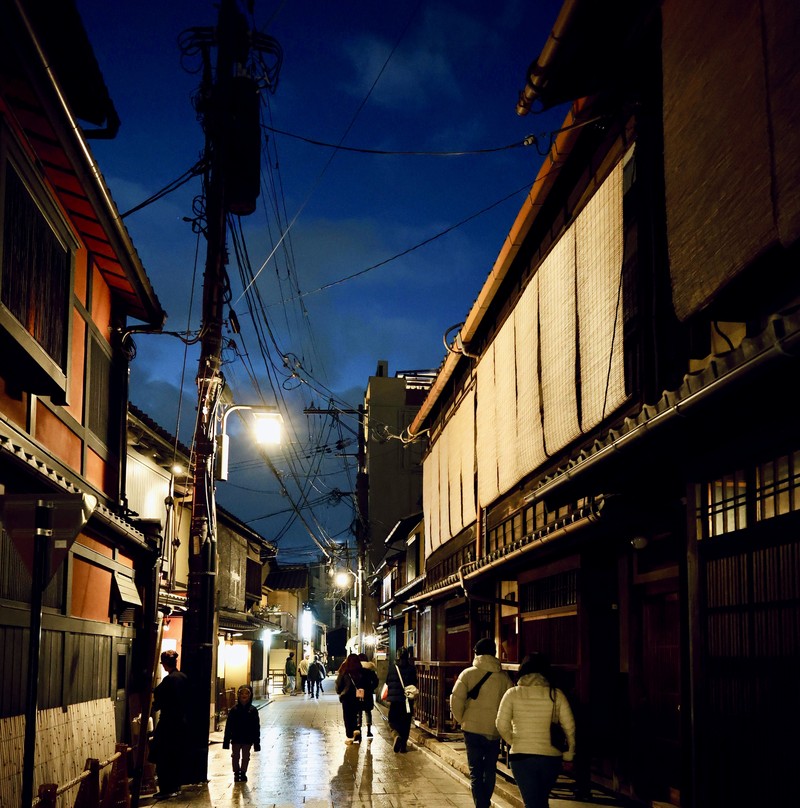
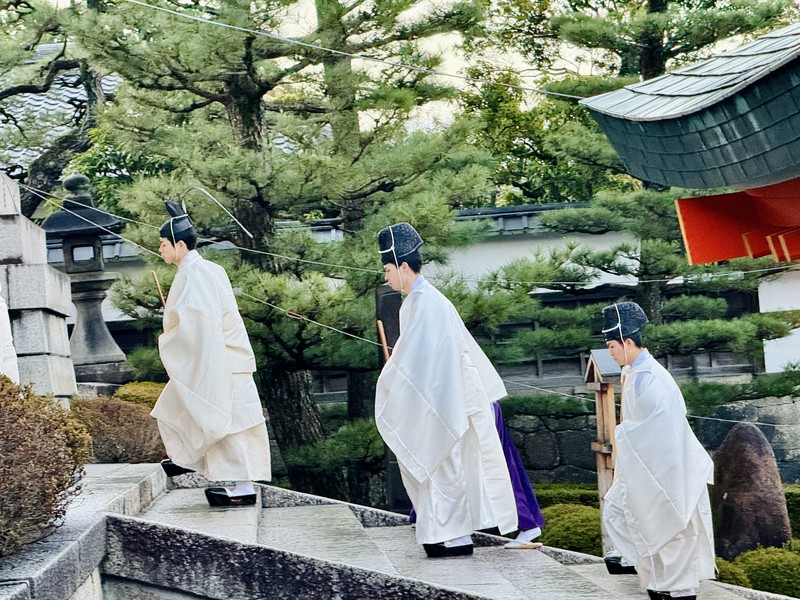
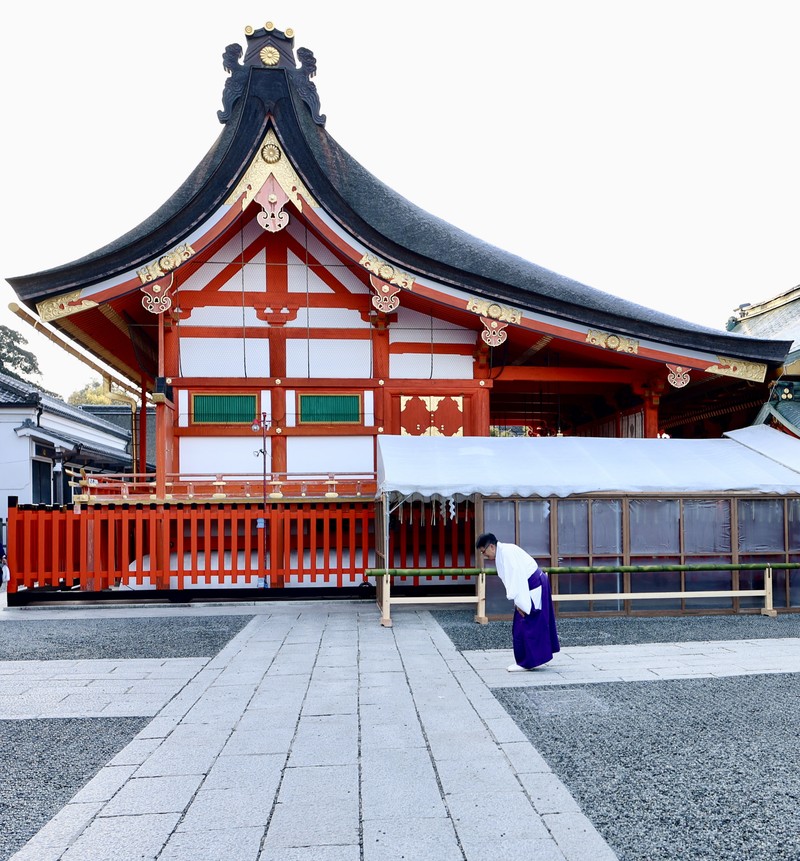
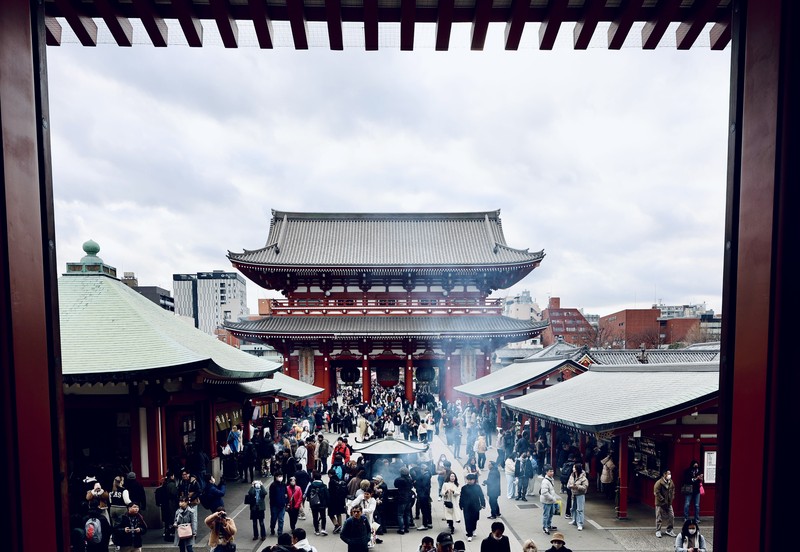
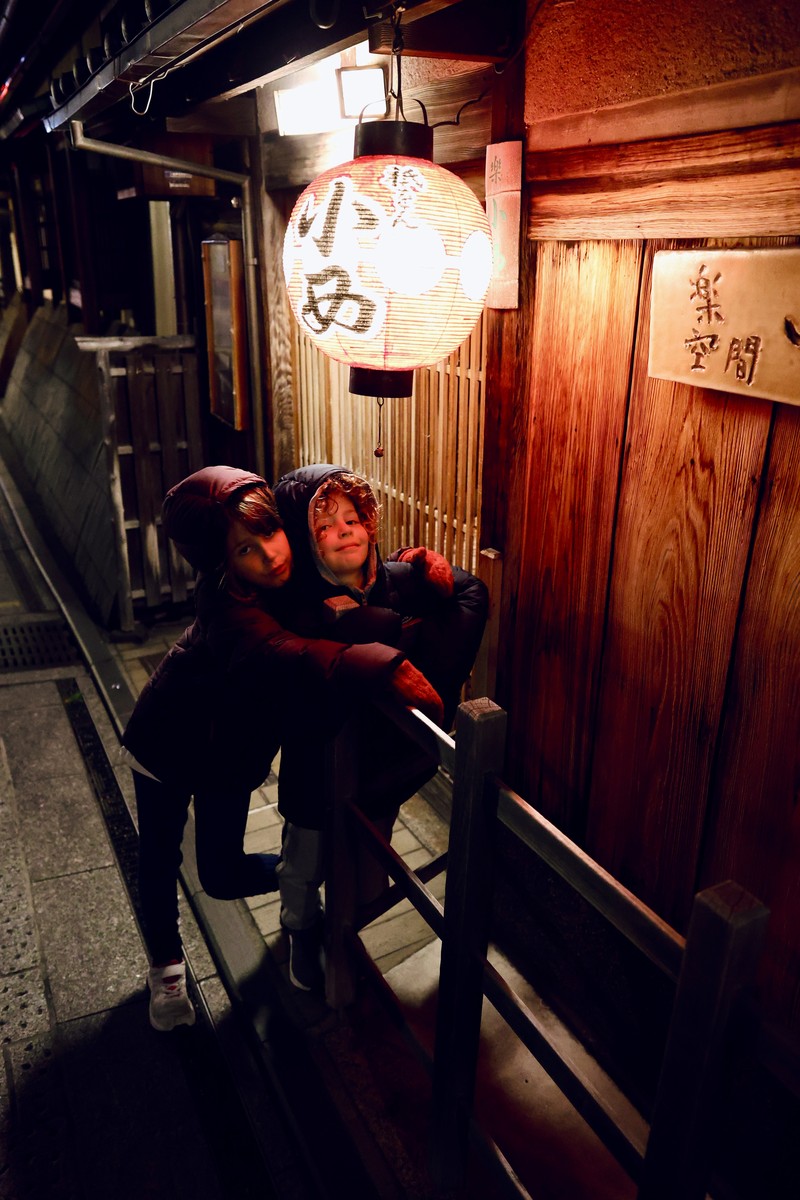
We wander Pontocho at night, its narrow alley lined with tiny restaurants and traditional buildings, and visit more temples than any family needs to see on a single trip. They are impressive, although eventually even magnificent temples begin to merge together.
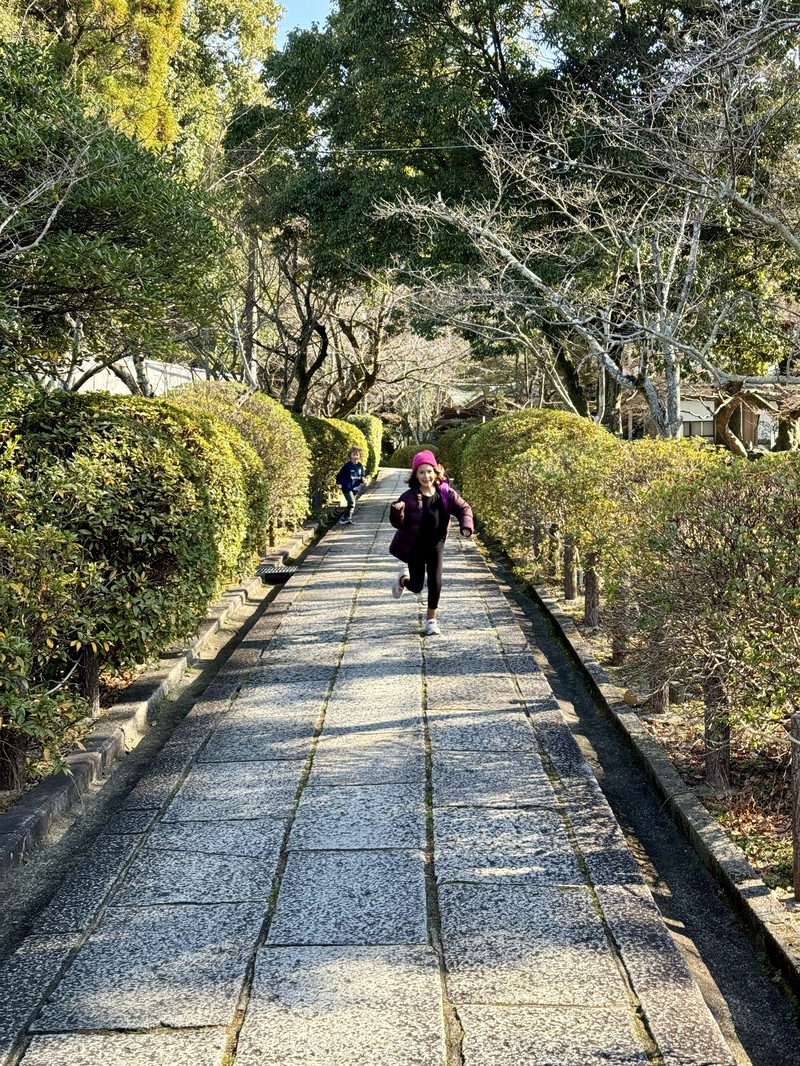
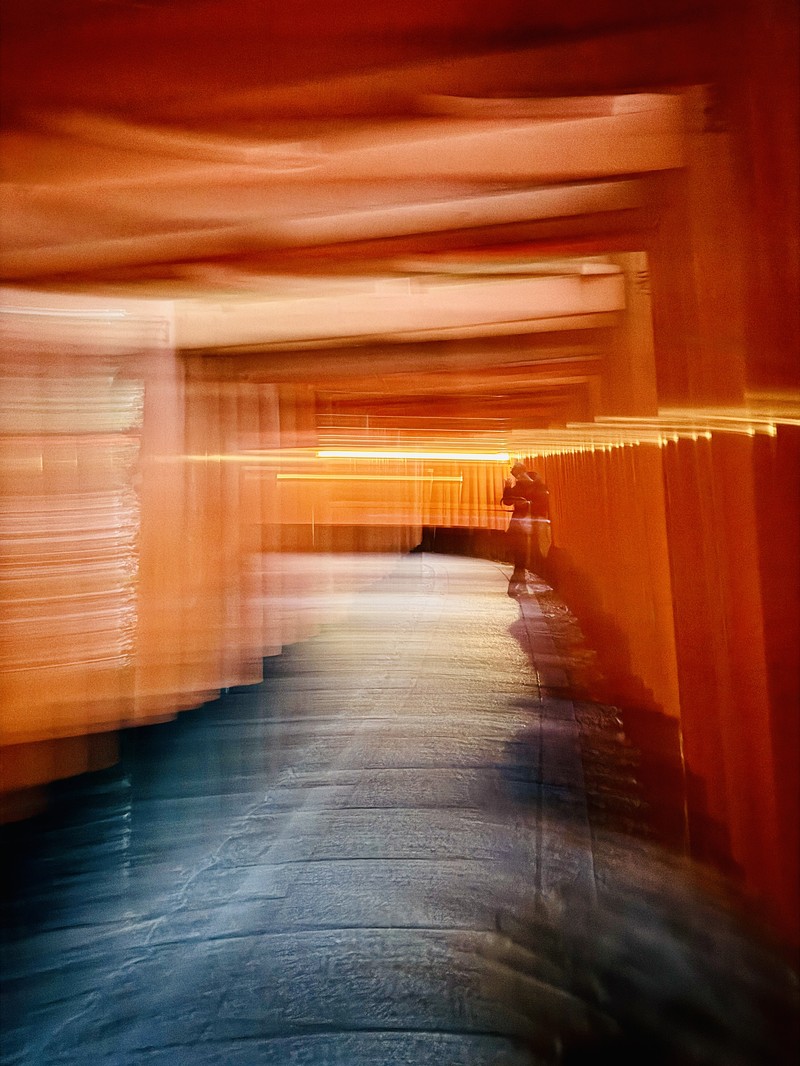
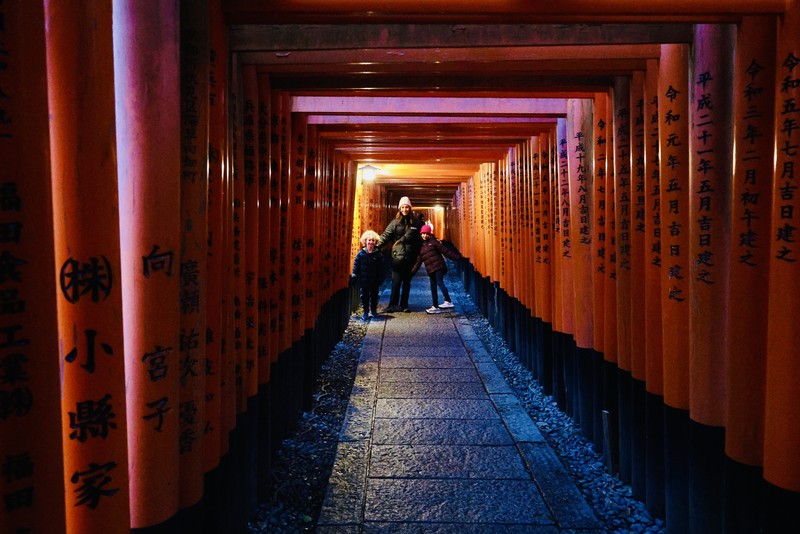
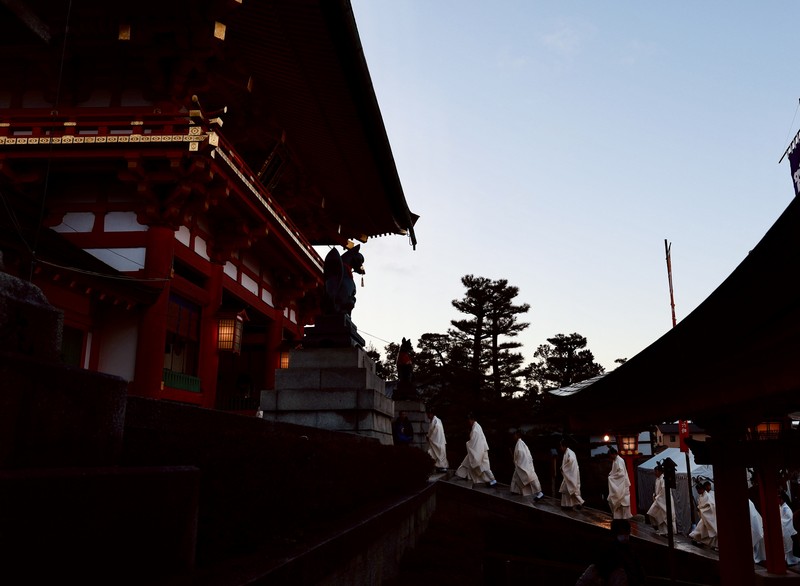
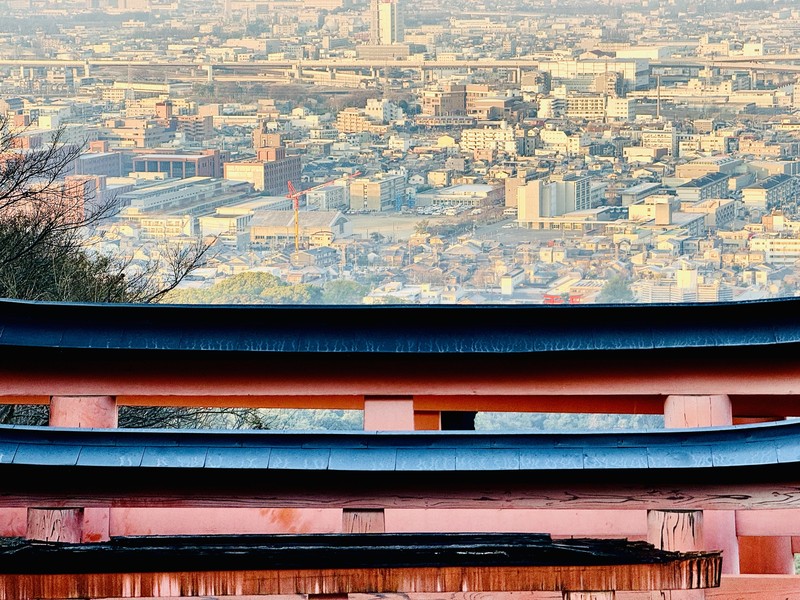
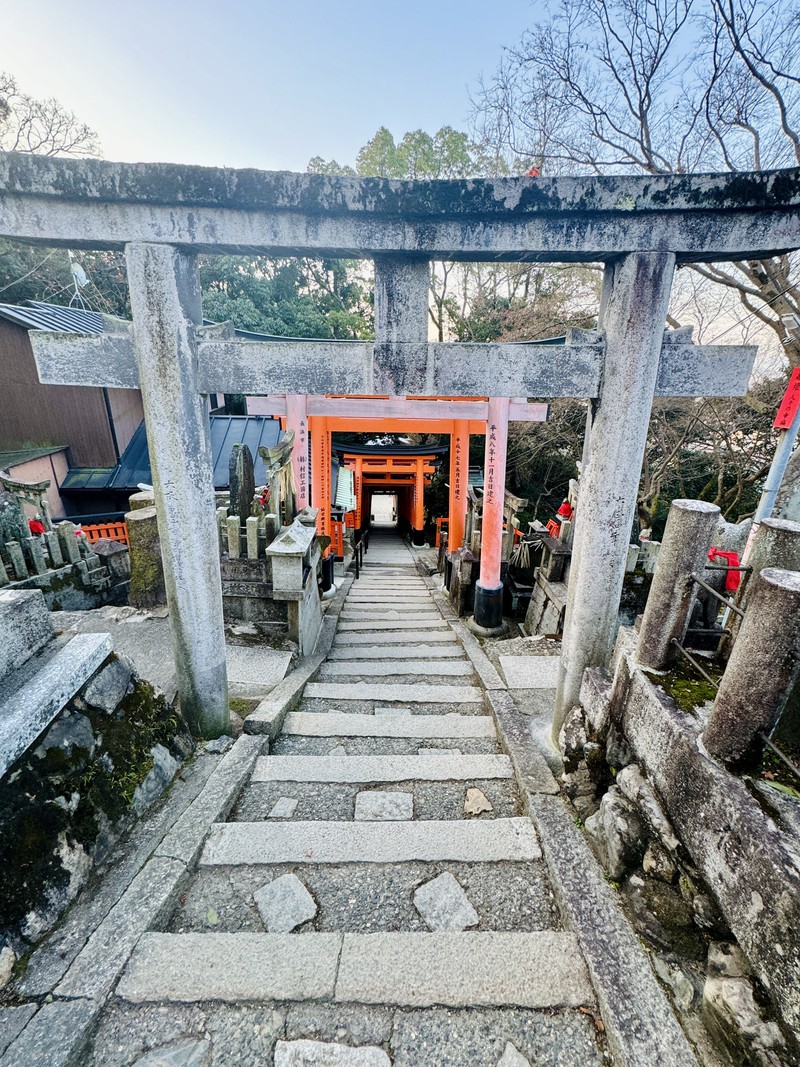
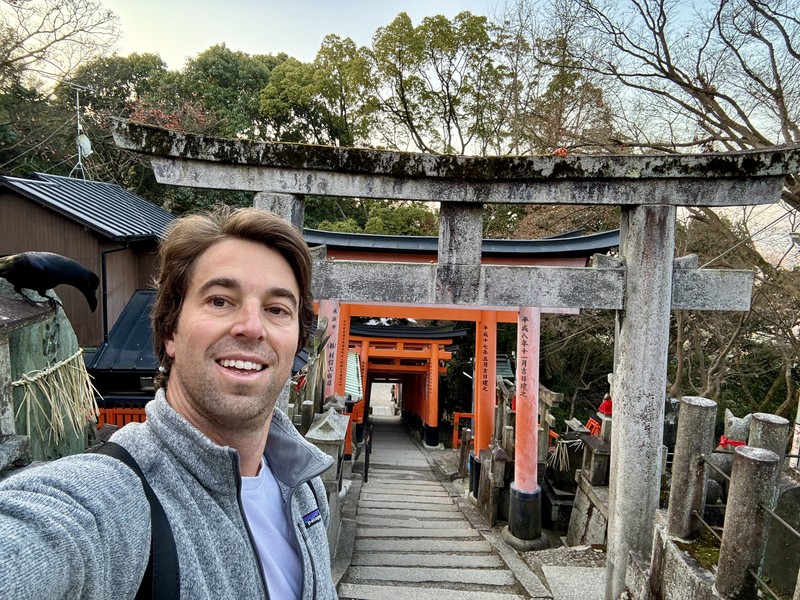
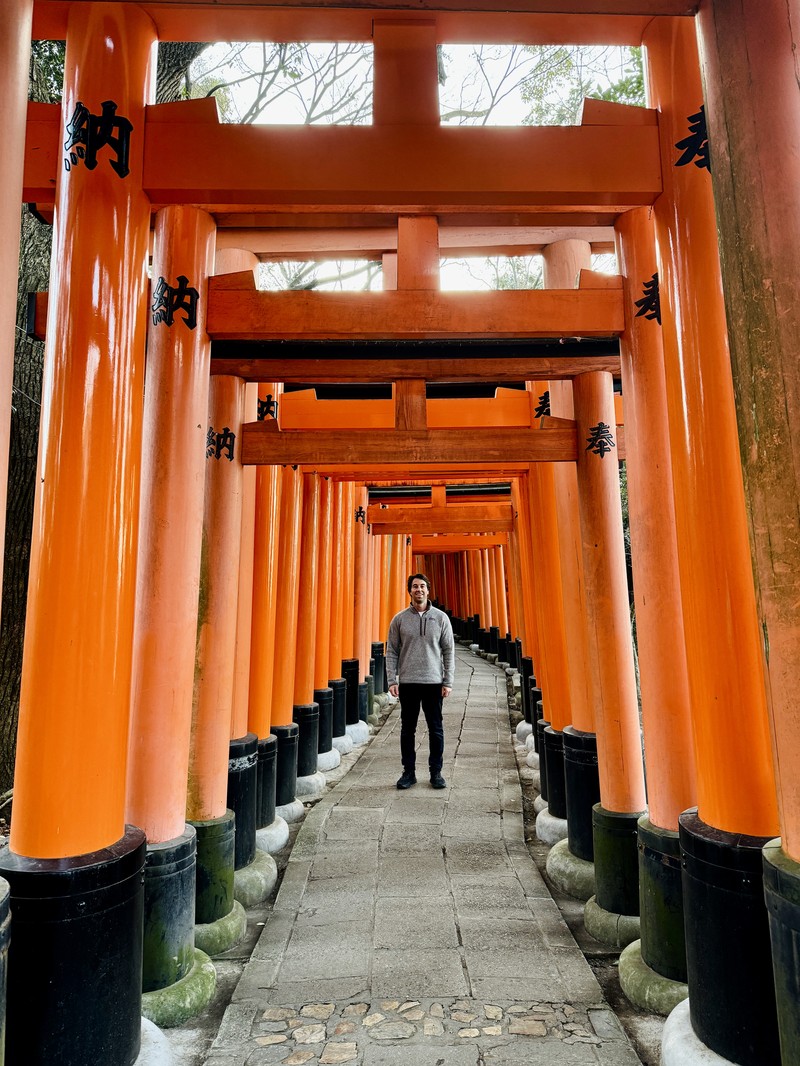
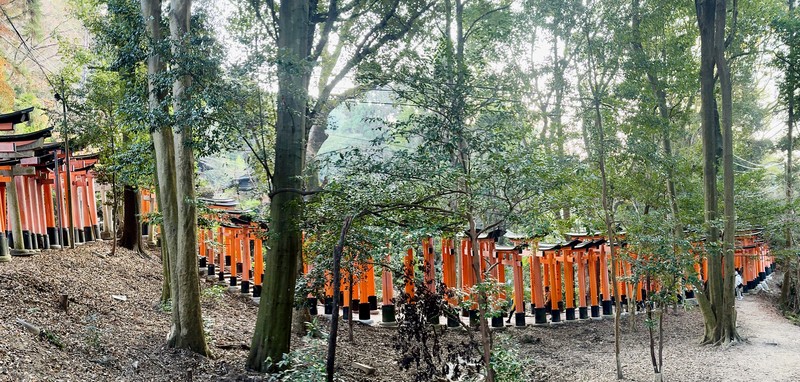
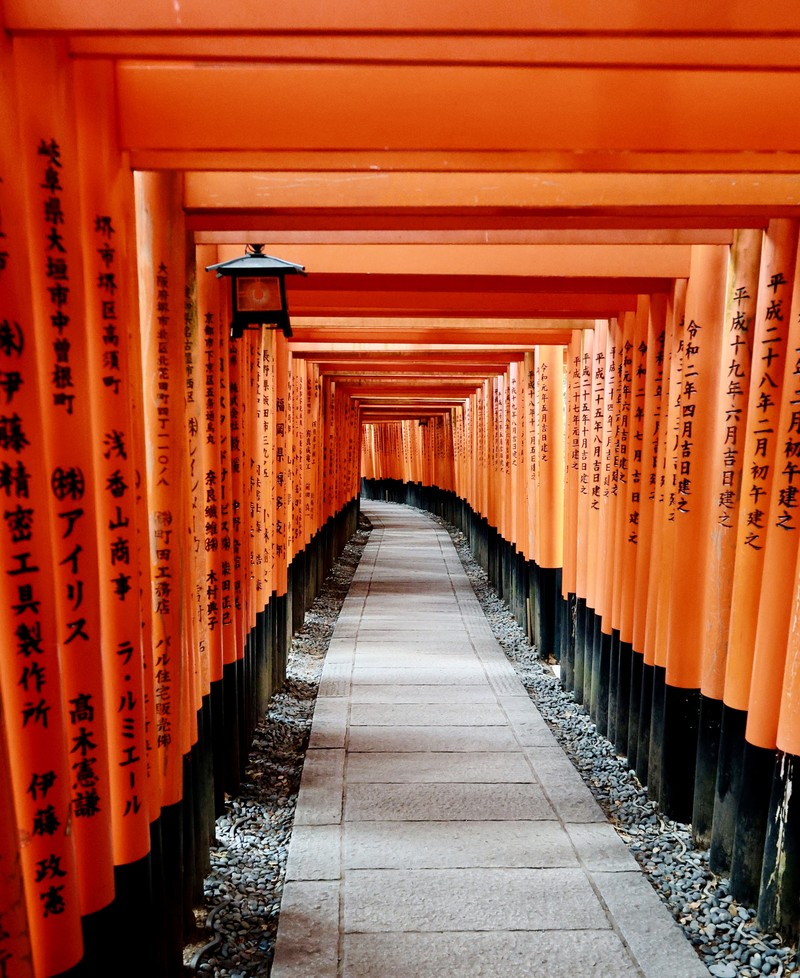
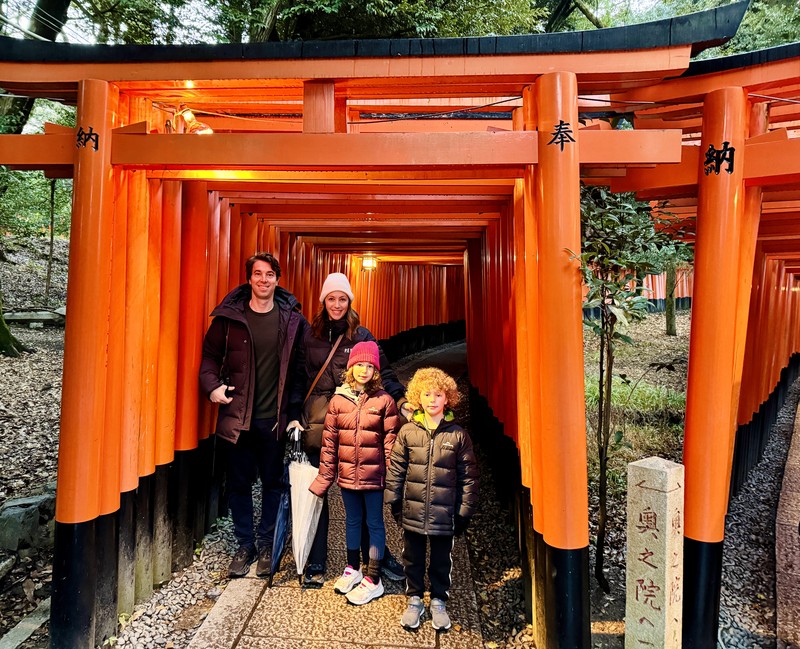
Some don’t. Fushimi Inari is one of them. I first visit alone before dawn and, for a while, have the place almost to myself. I weave through endless paths beneath the vermilion torii gates as the forest slowly emerges from the dark, then watch the first trickle of people become a steady influx. The next day I return with Jen and the kids and experience it all again with them.
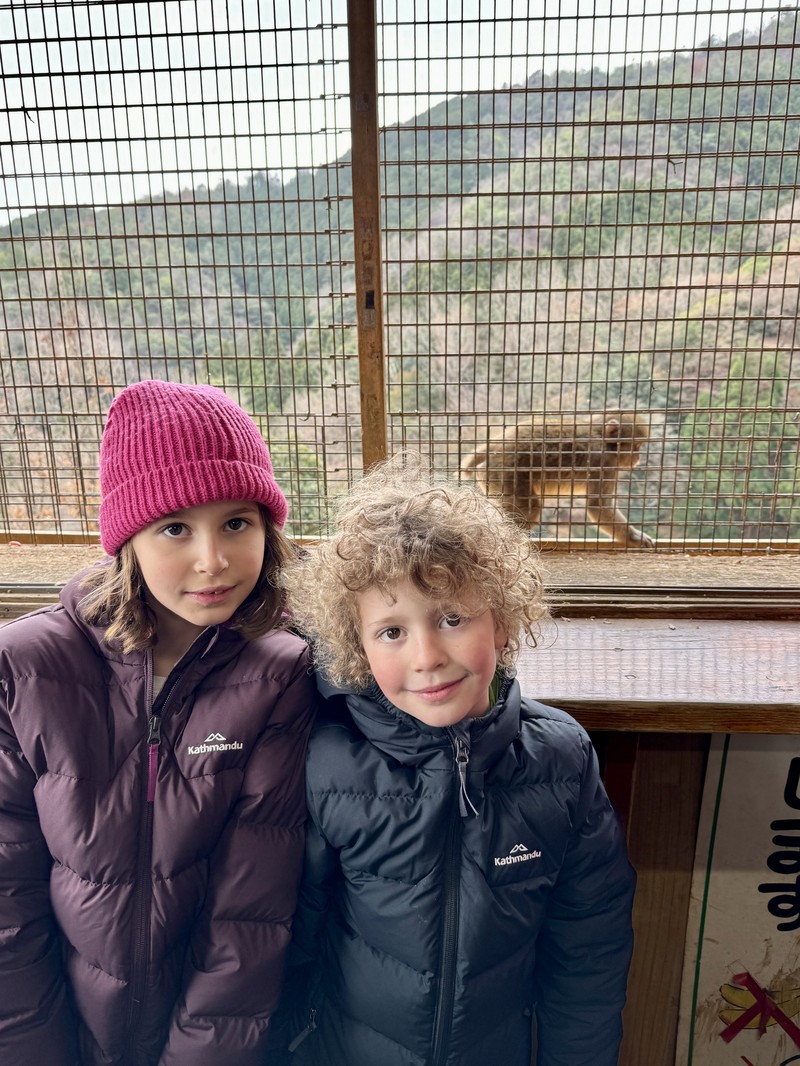
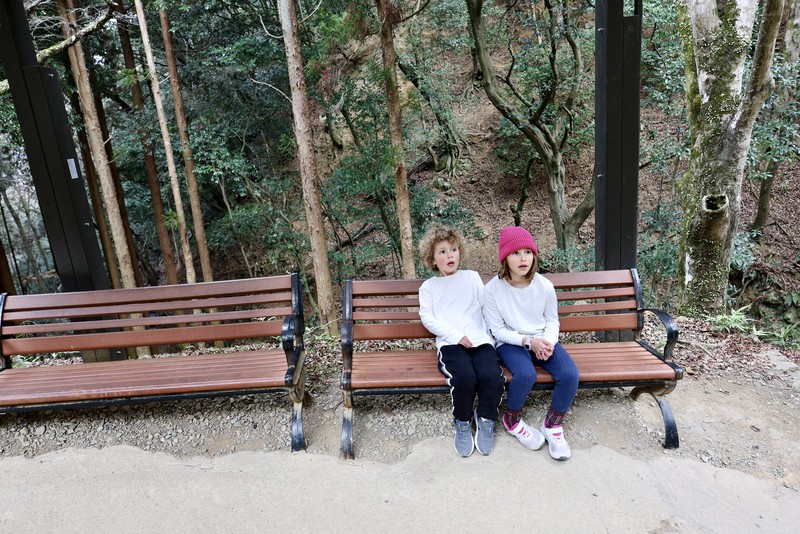
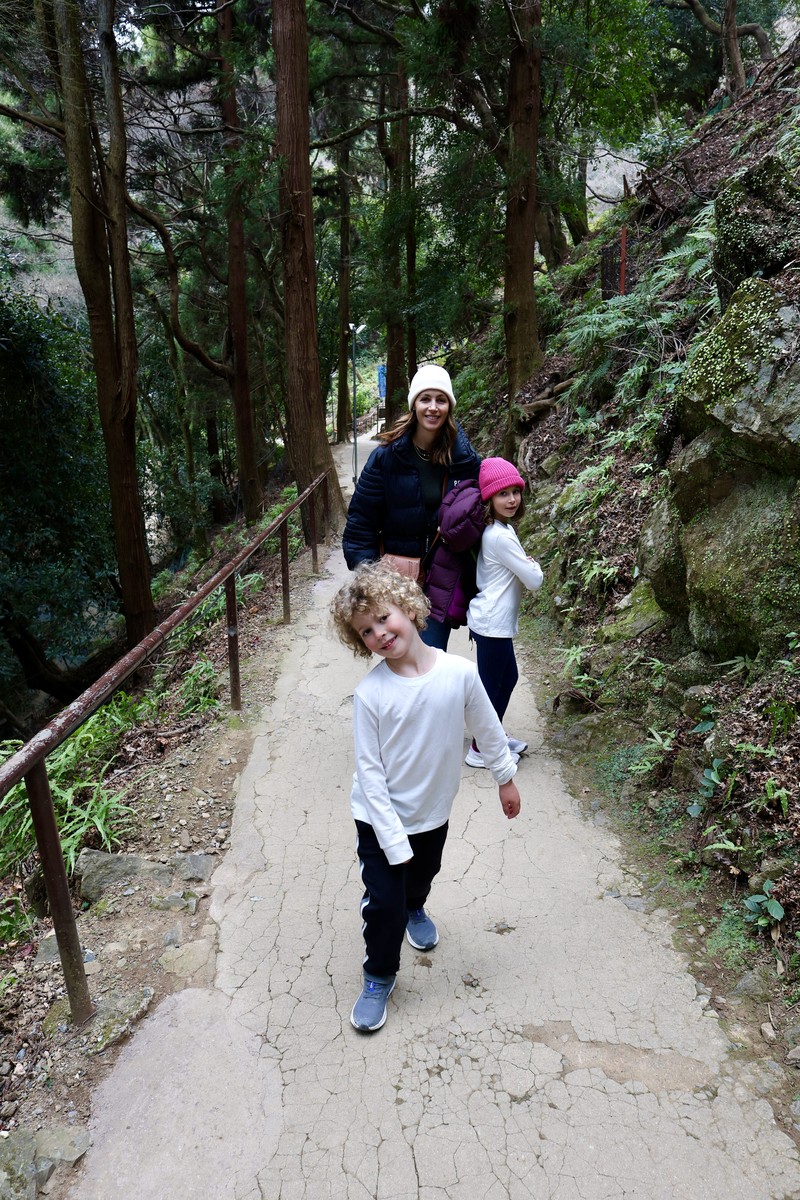
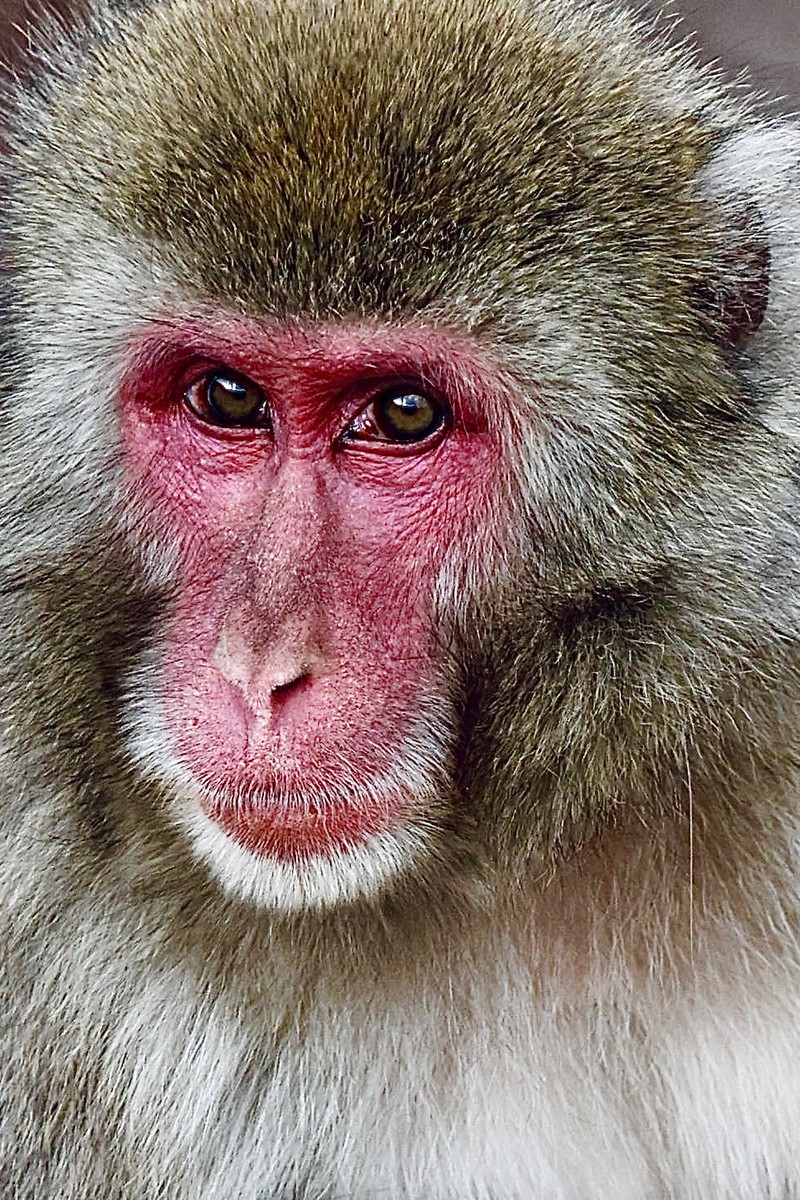
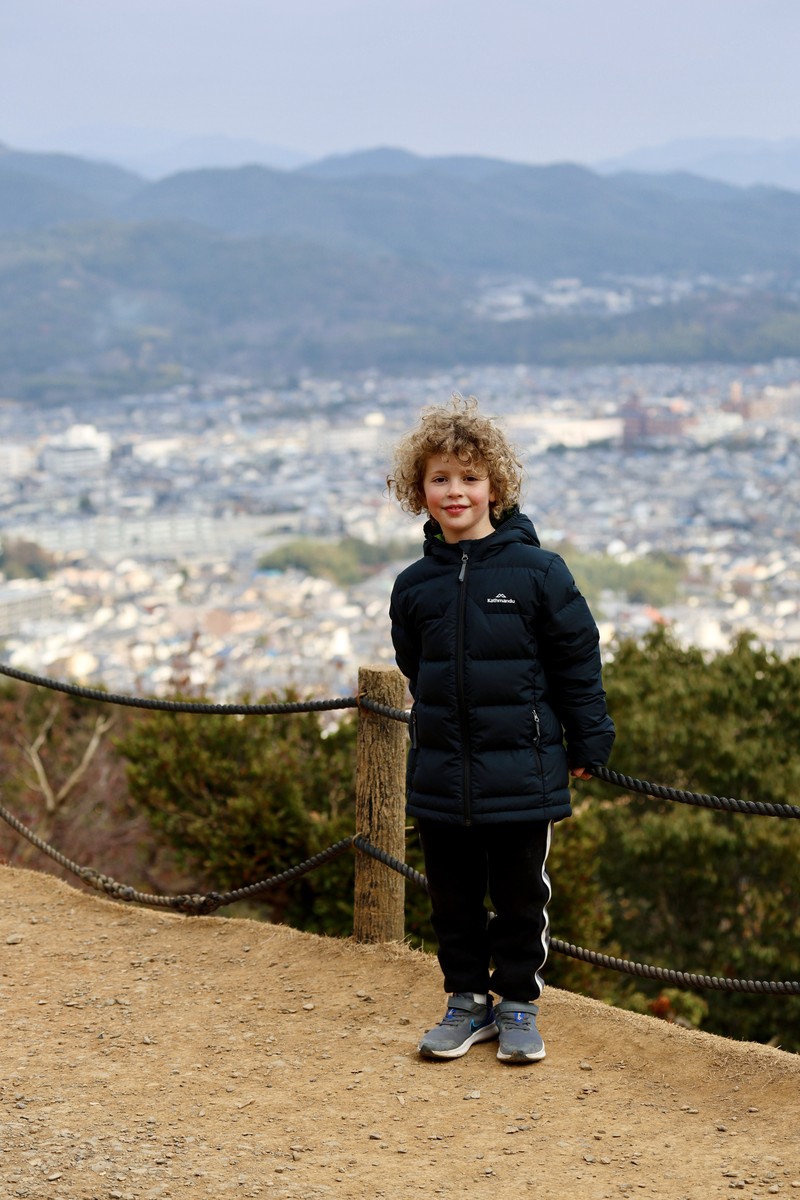
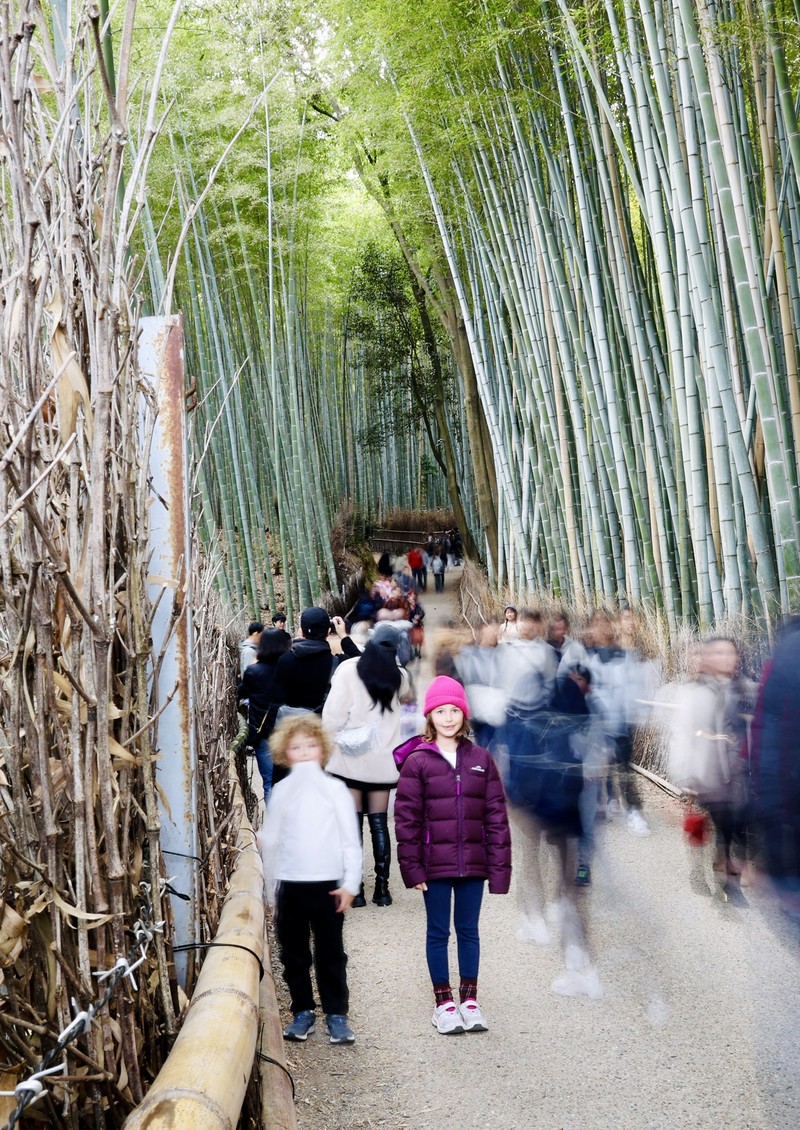
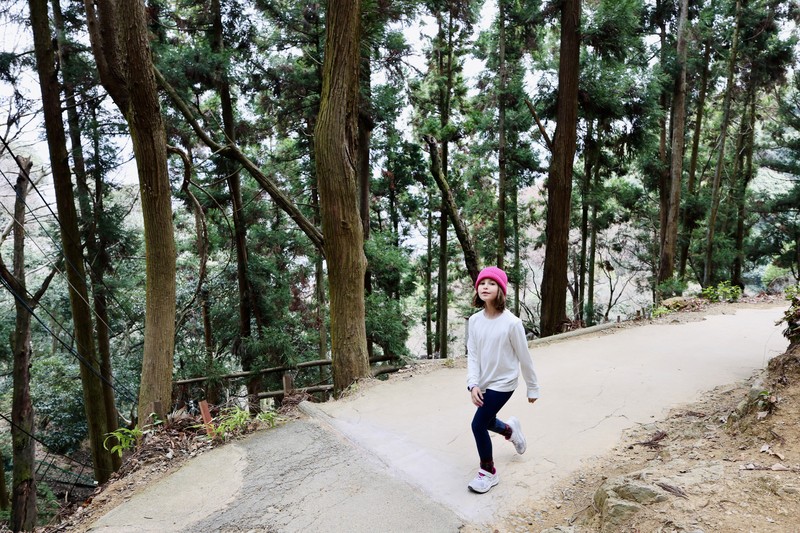
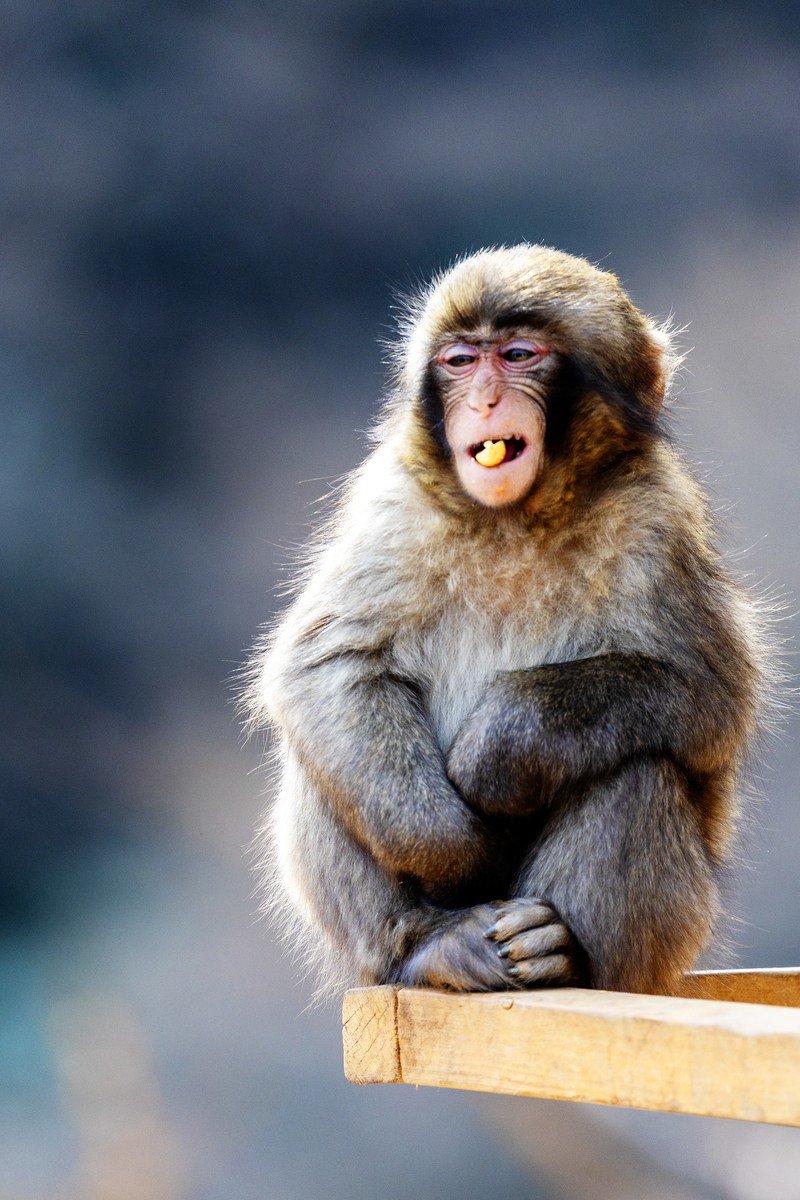
Arashiyama is another standout. We walk through the famous bamboo grove, packed to the brim with people, before climbing the mountain to Monkey Park Iwatayama, where wild macaques roam freely with Kyoto spread out below. Leyla and Eden get to feed them and are completely transfixed.
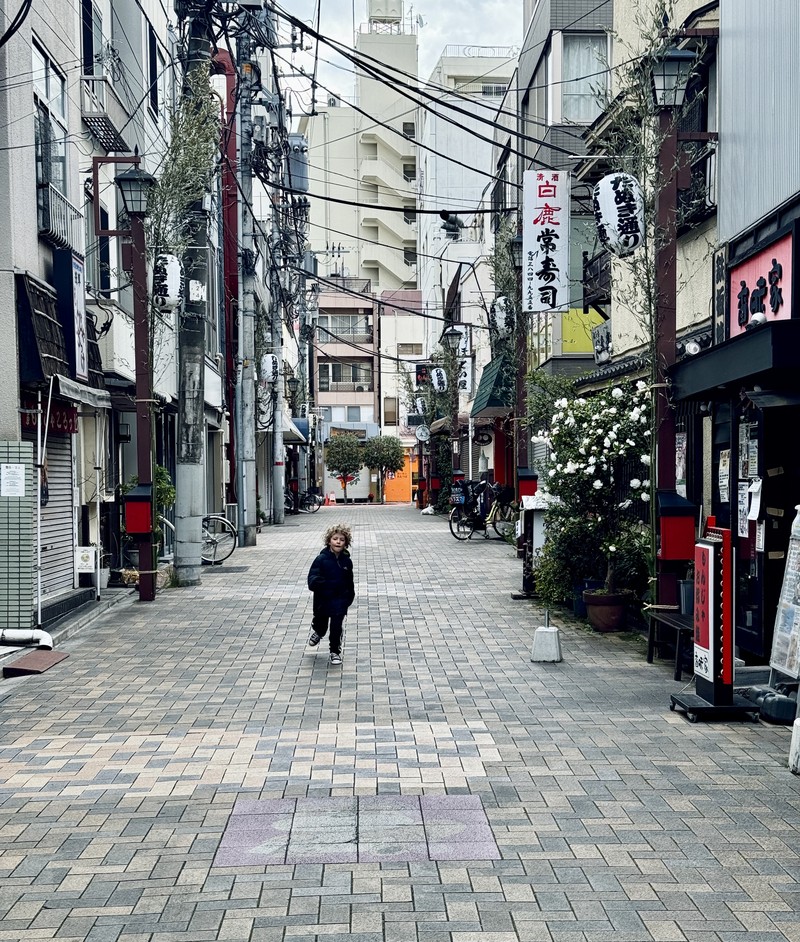
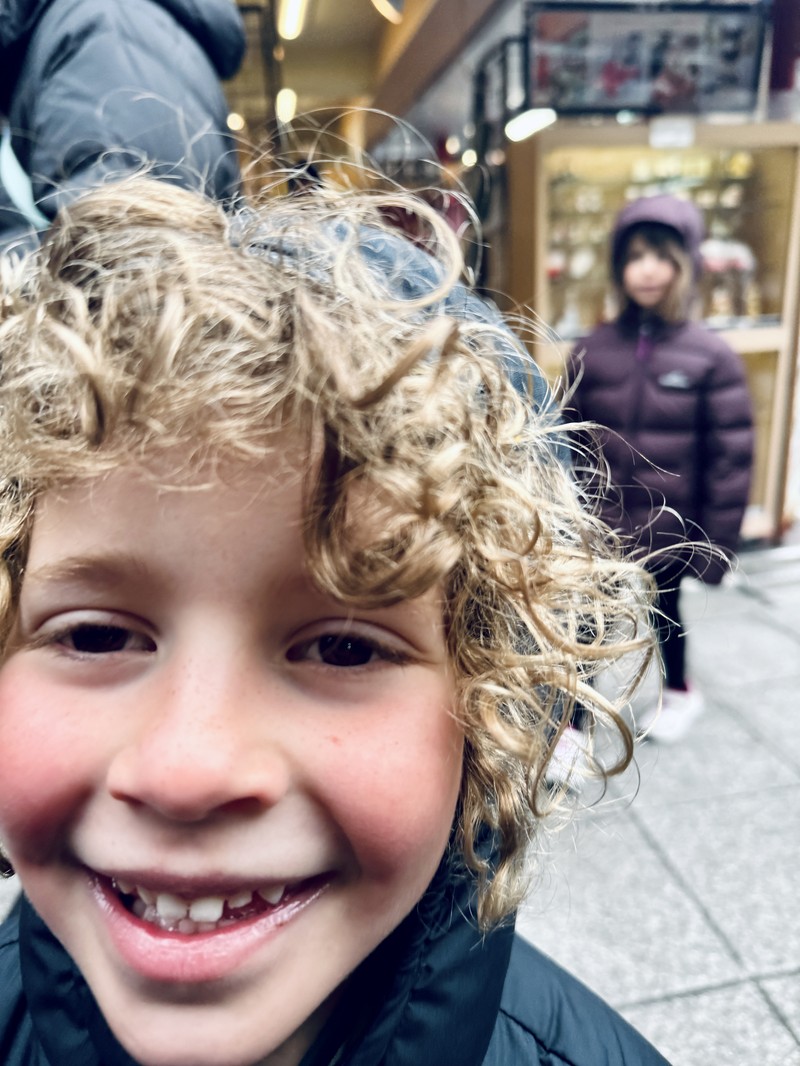
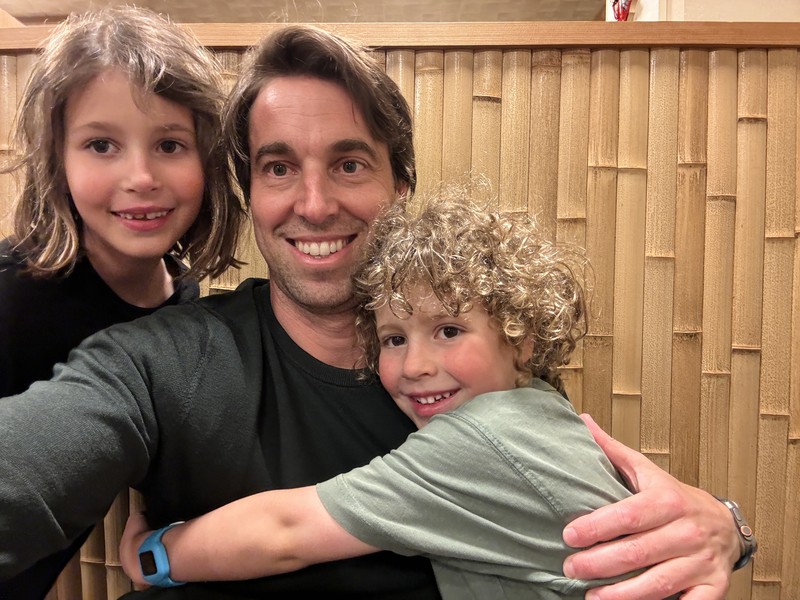
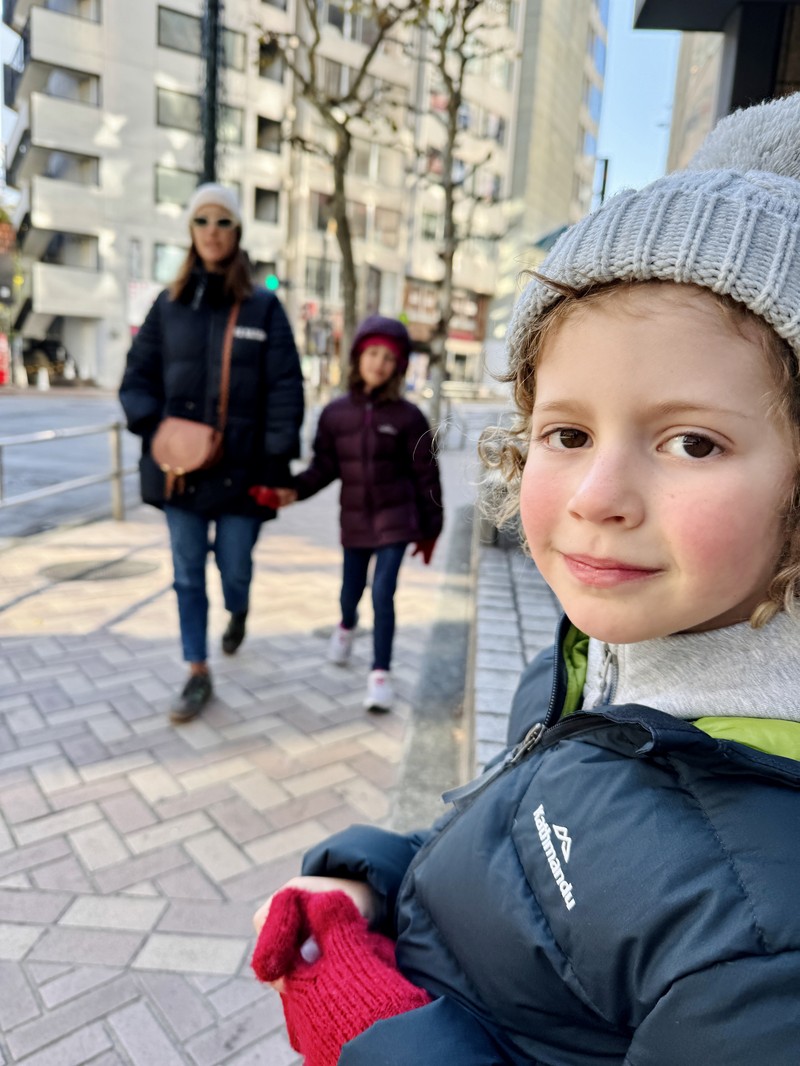
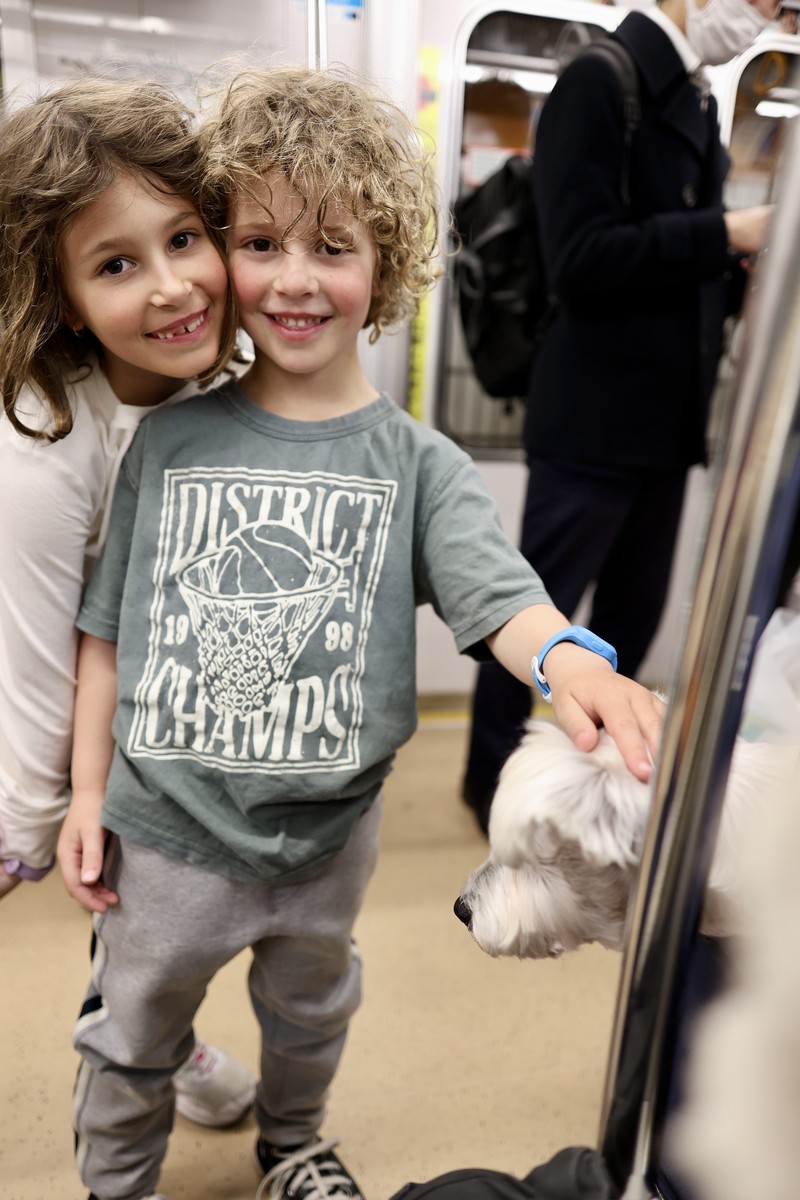
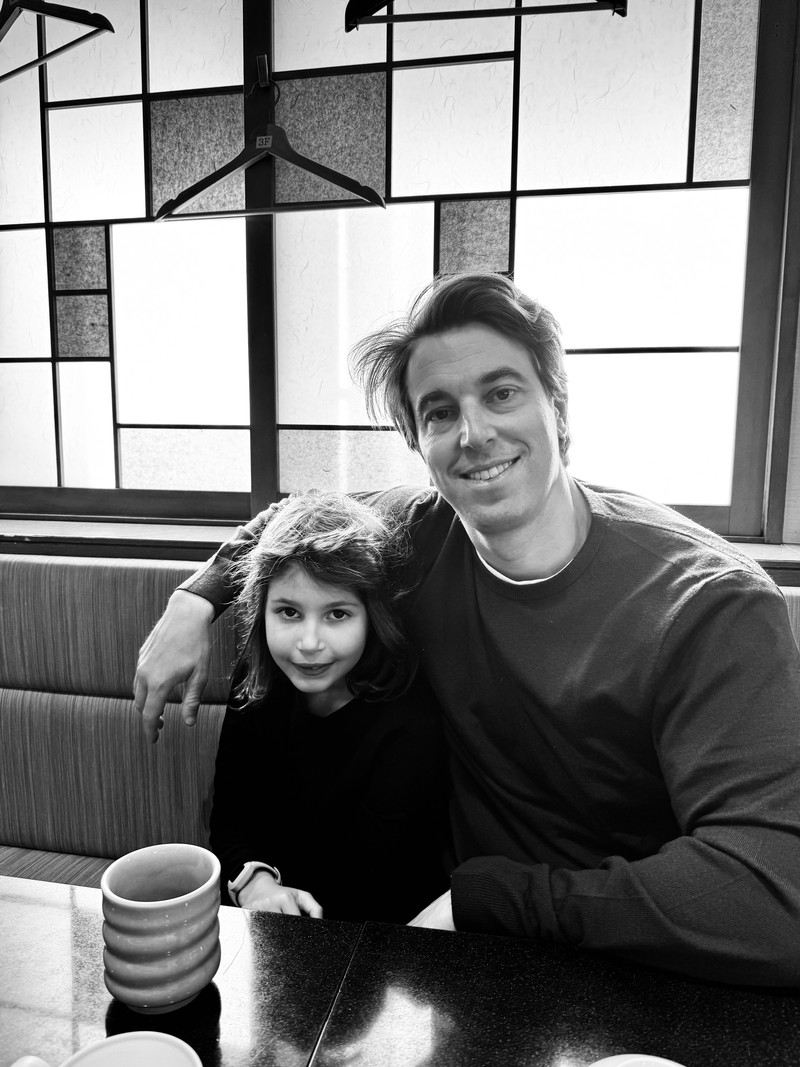
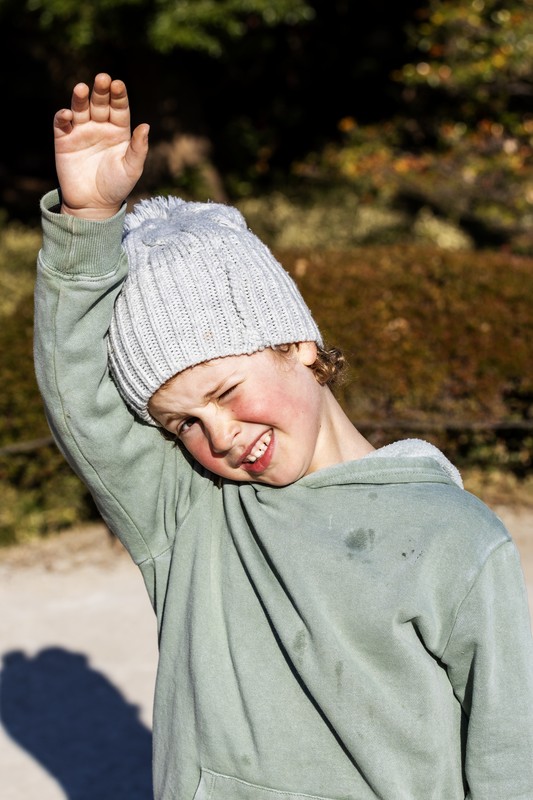
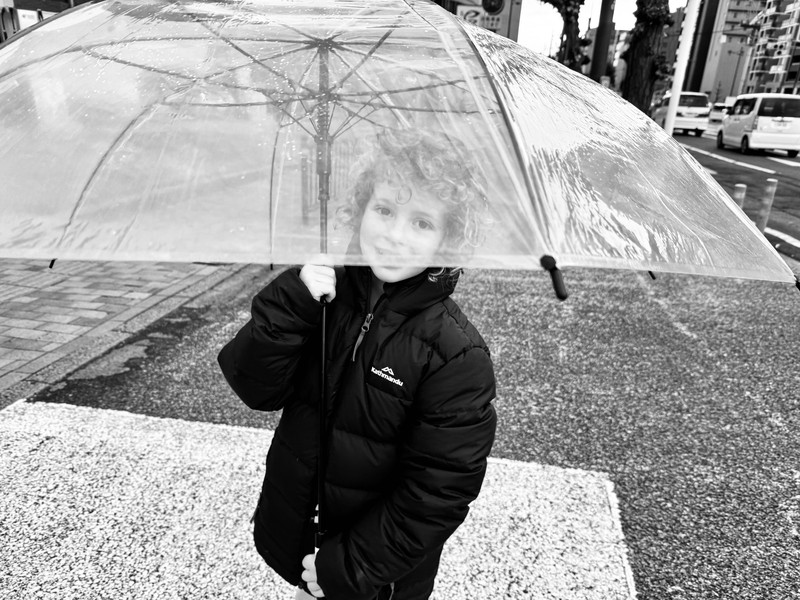
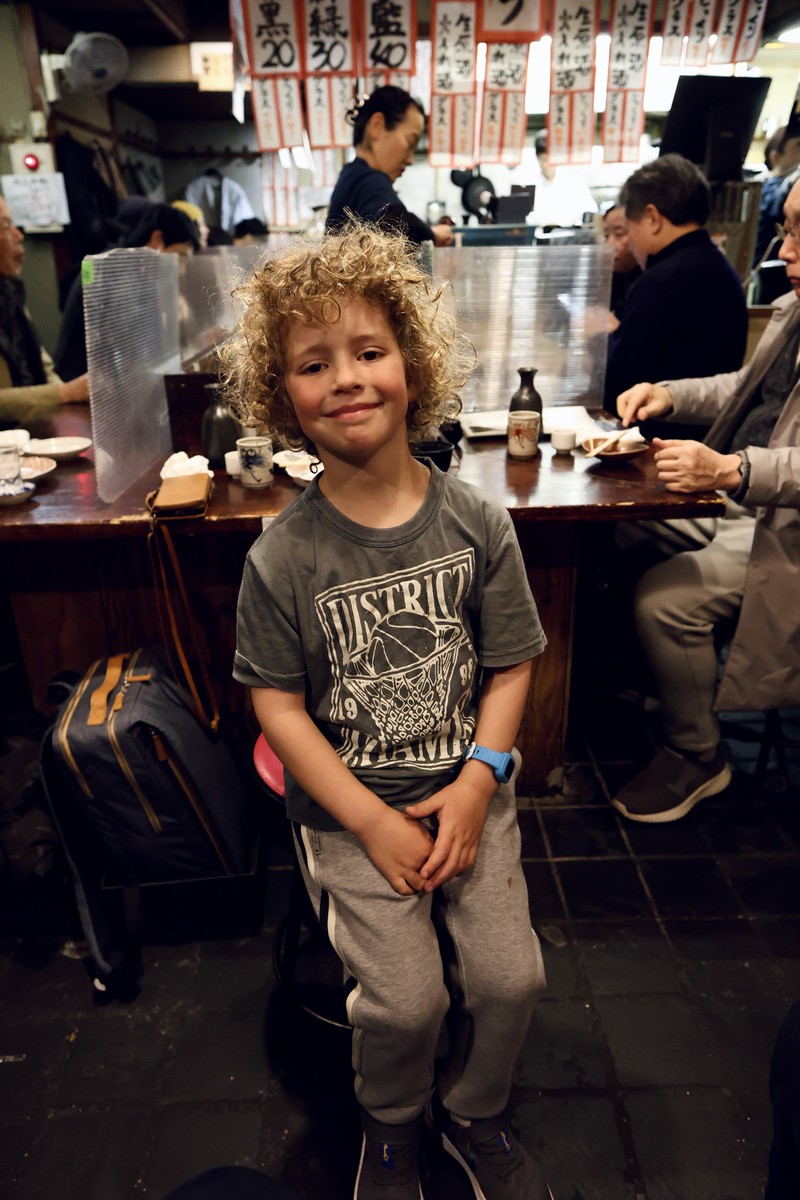
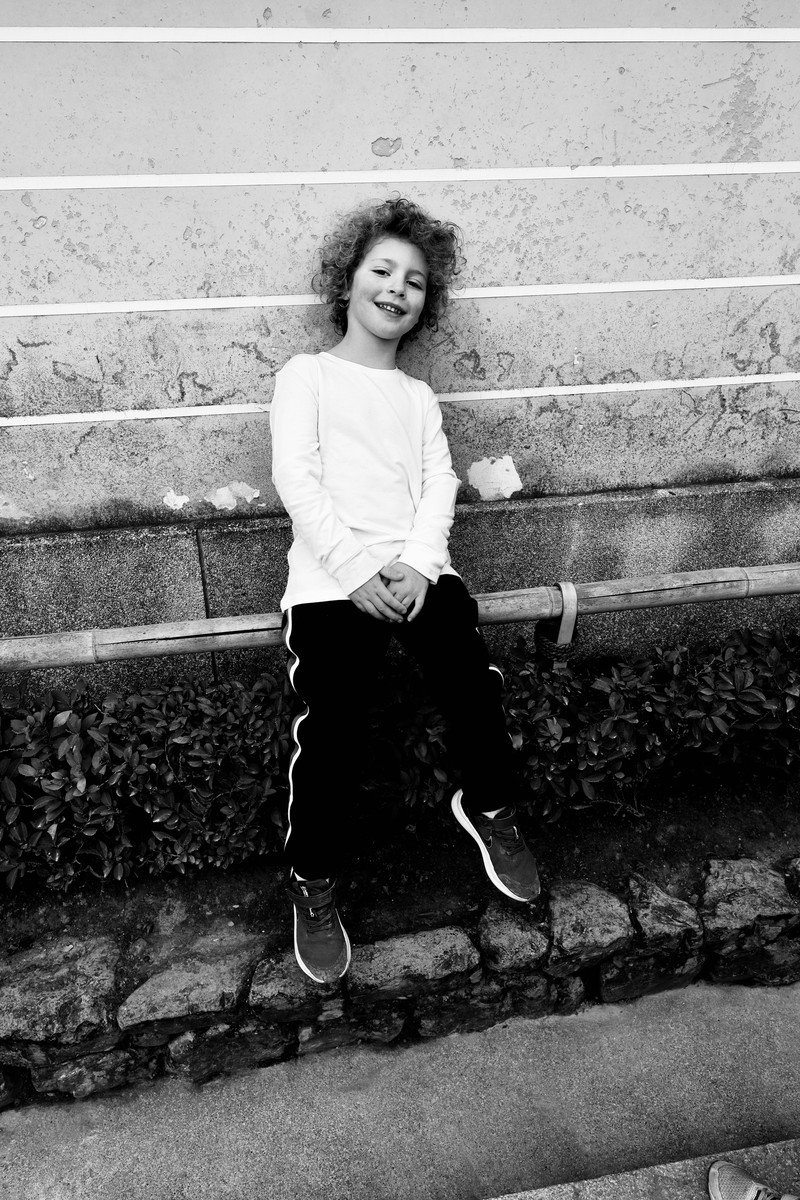
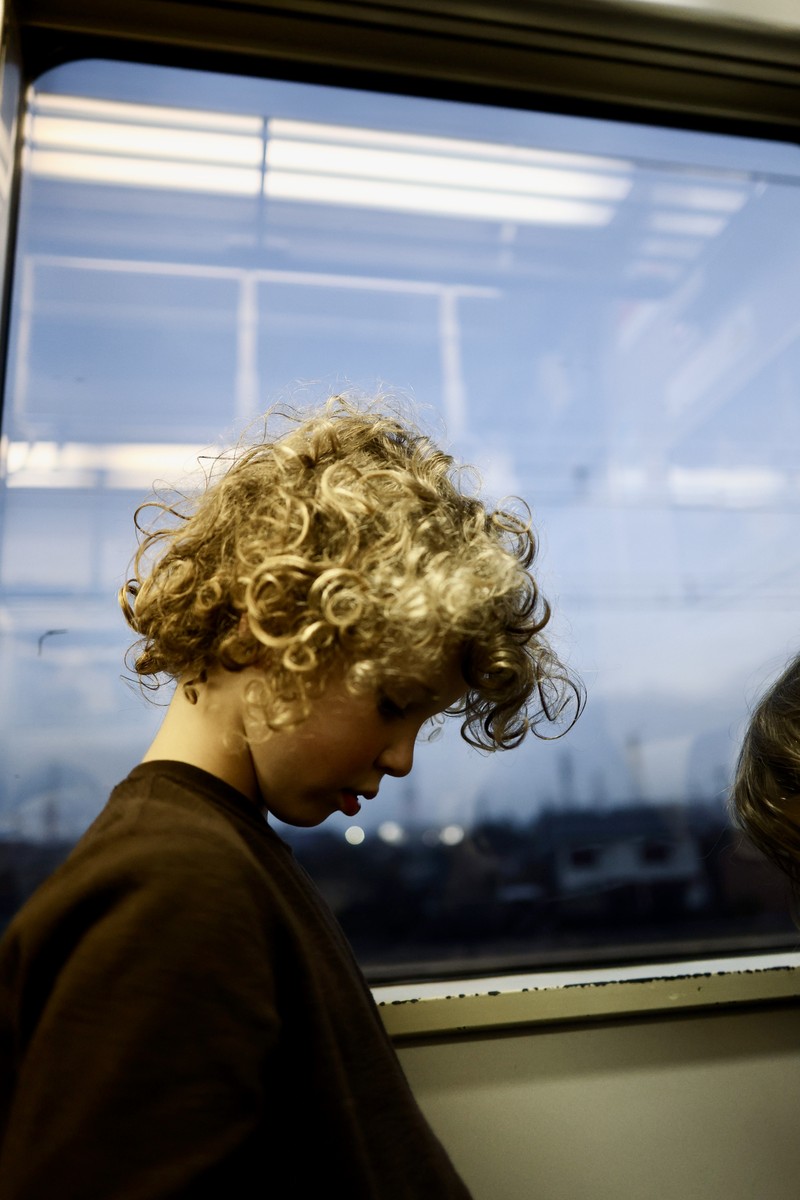
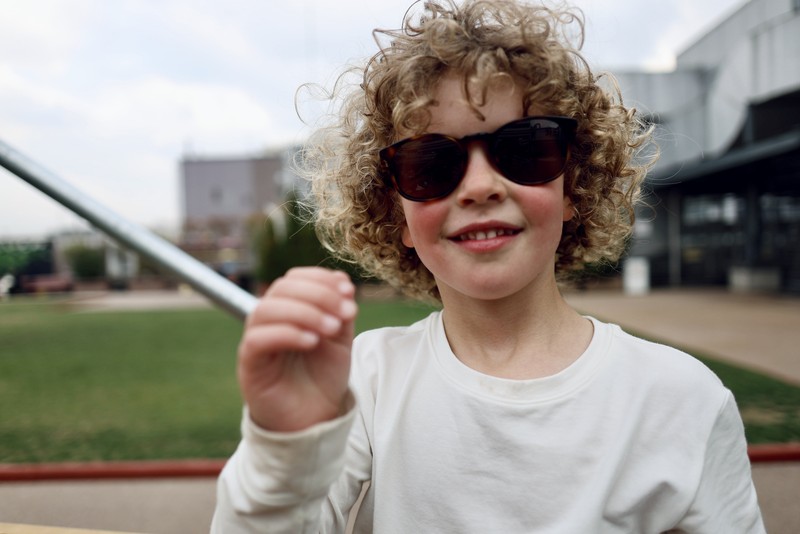
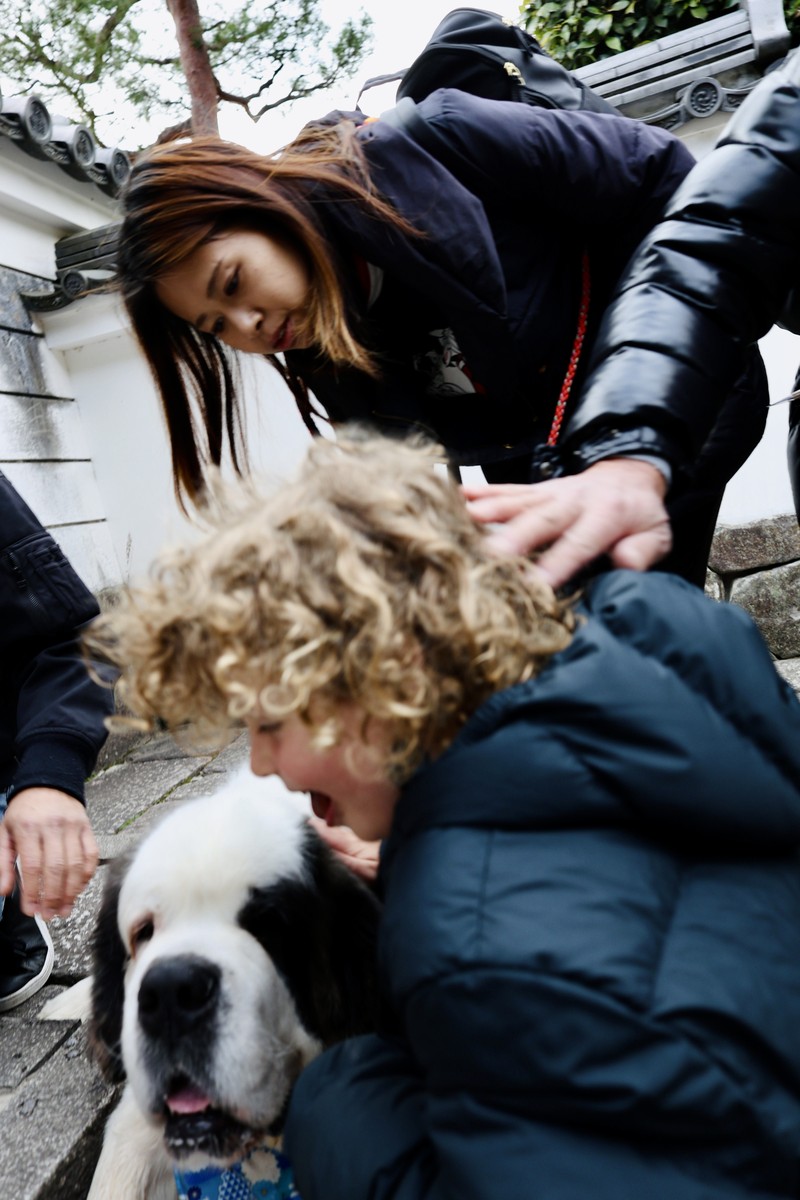
Nearby, the kids stop to pat an enormous St Bernard. Eden, with his mass of blonde curls, stands out in Japan. As he pats the dog, some of the people around us become just as interested in him and start patting his hair. For a brief moment there is Eden patting the giant dog while strangers pat Eden.
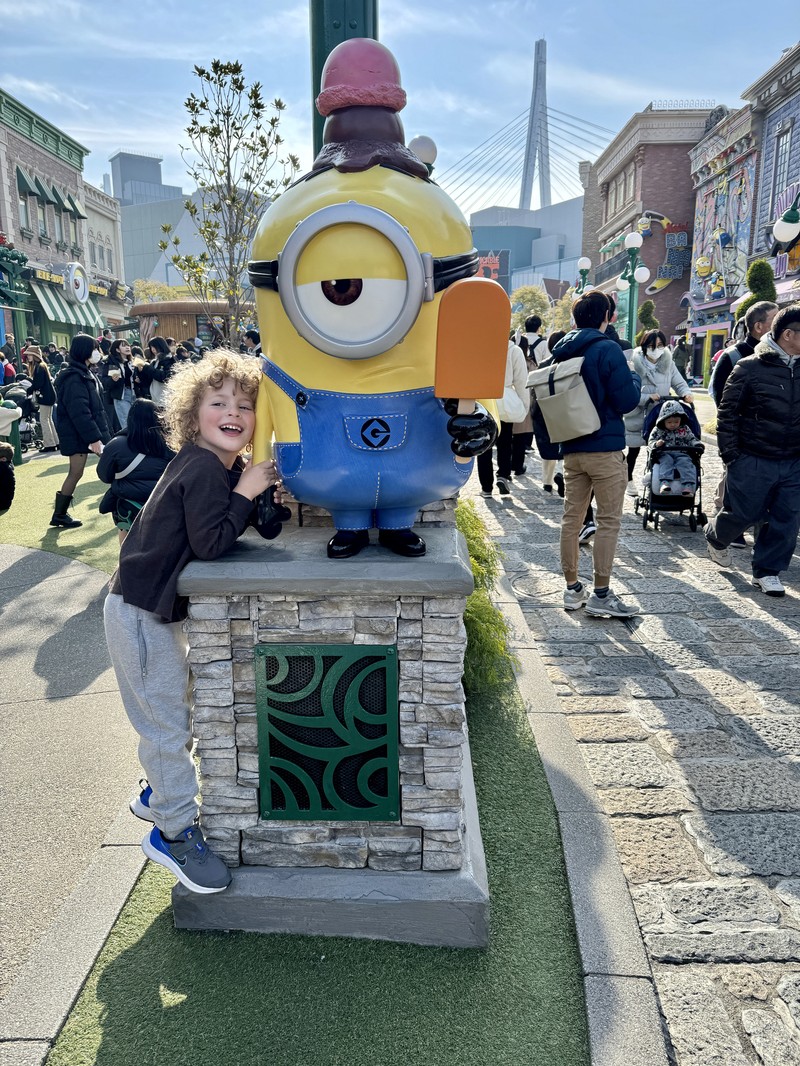
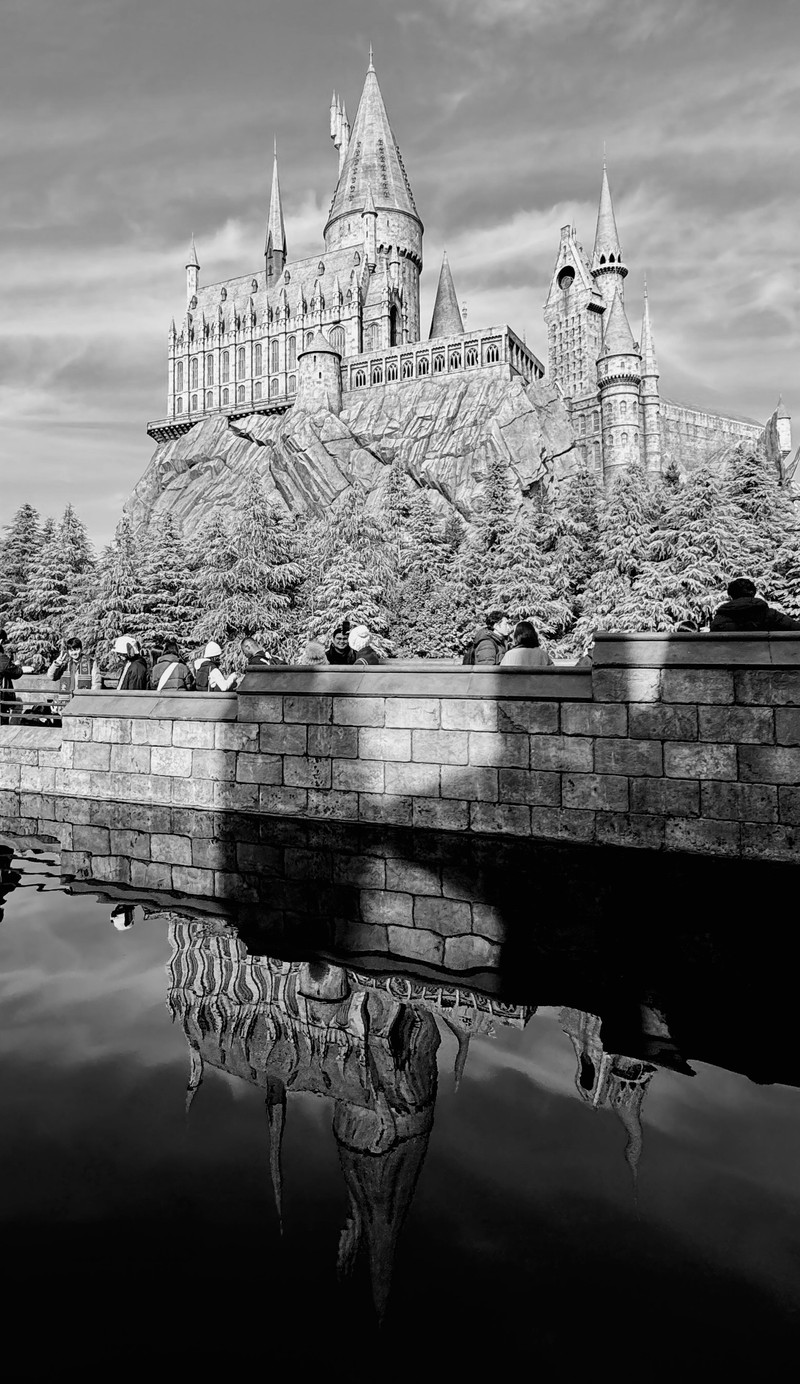
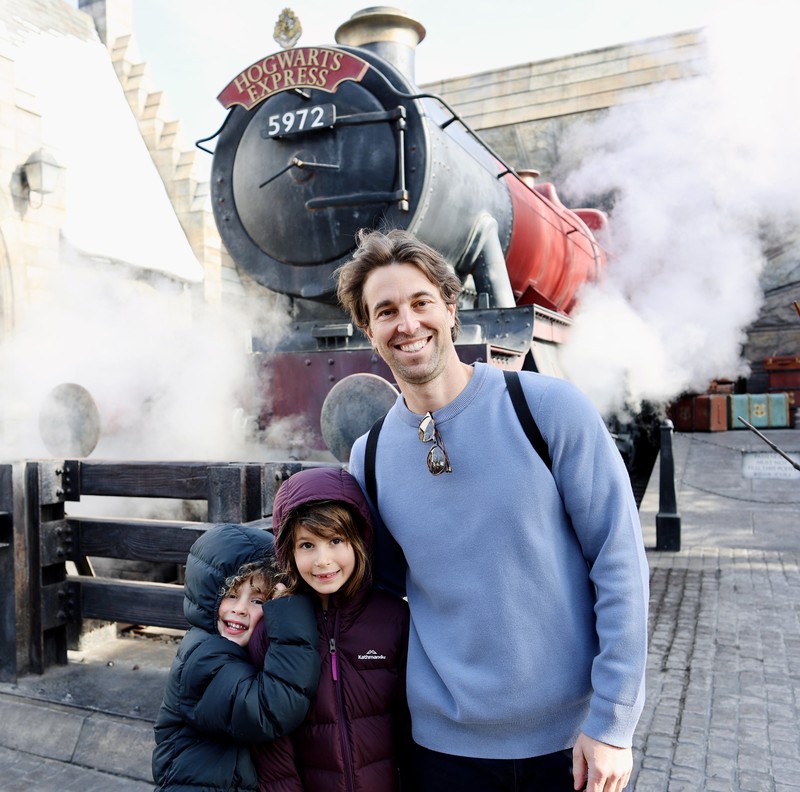
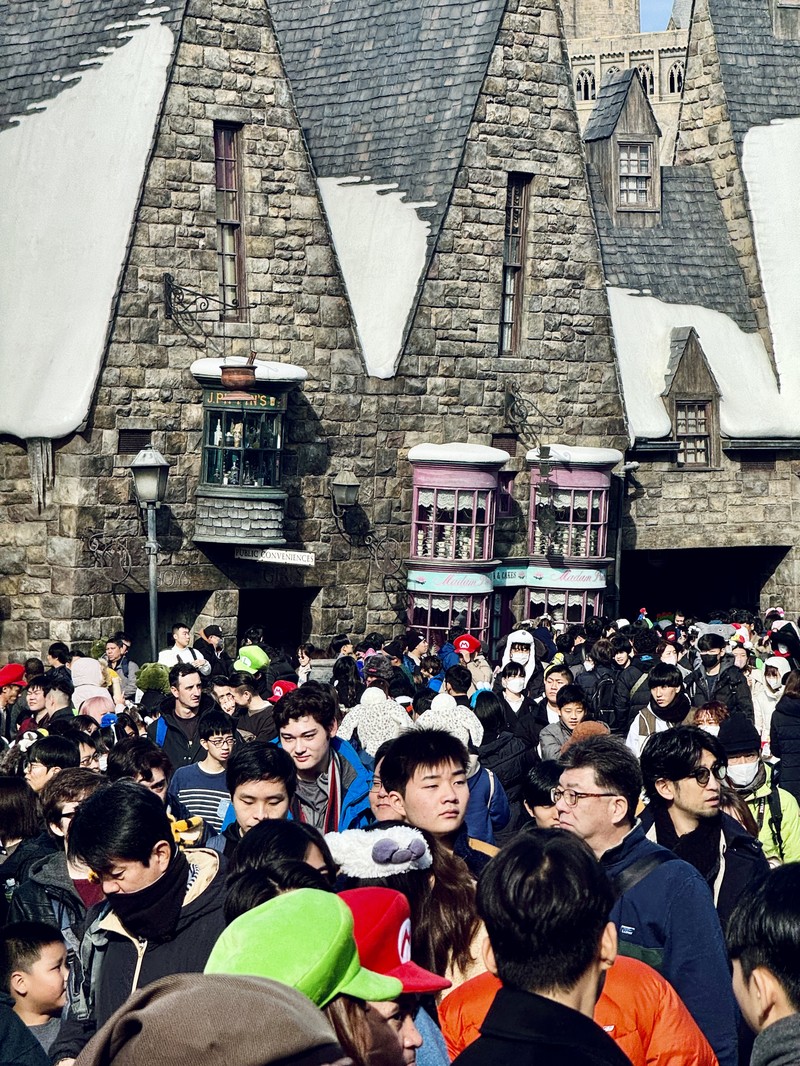
We zip over to Osaka for the day and take the kids to Universal Studios. The density of people is staggering. It feels like being packed into the starting corrals of the City2Surf, except the crowd never thins. Queues are measured in hours and we spend a small fortune without managing to get on a single ride. Walking through the Harry Potter world is the highlight. It isn’t really Jen’s or my cup of tea, but the kids think the whole place is brilliant.
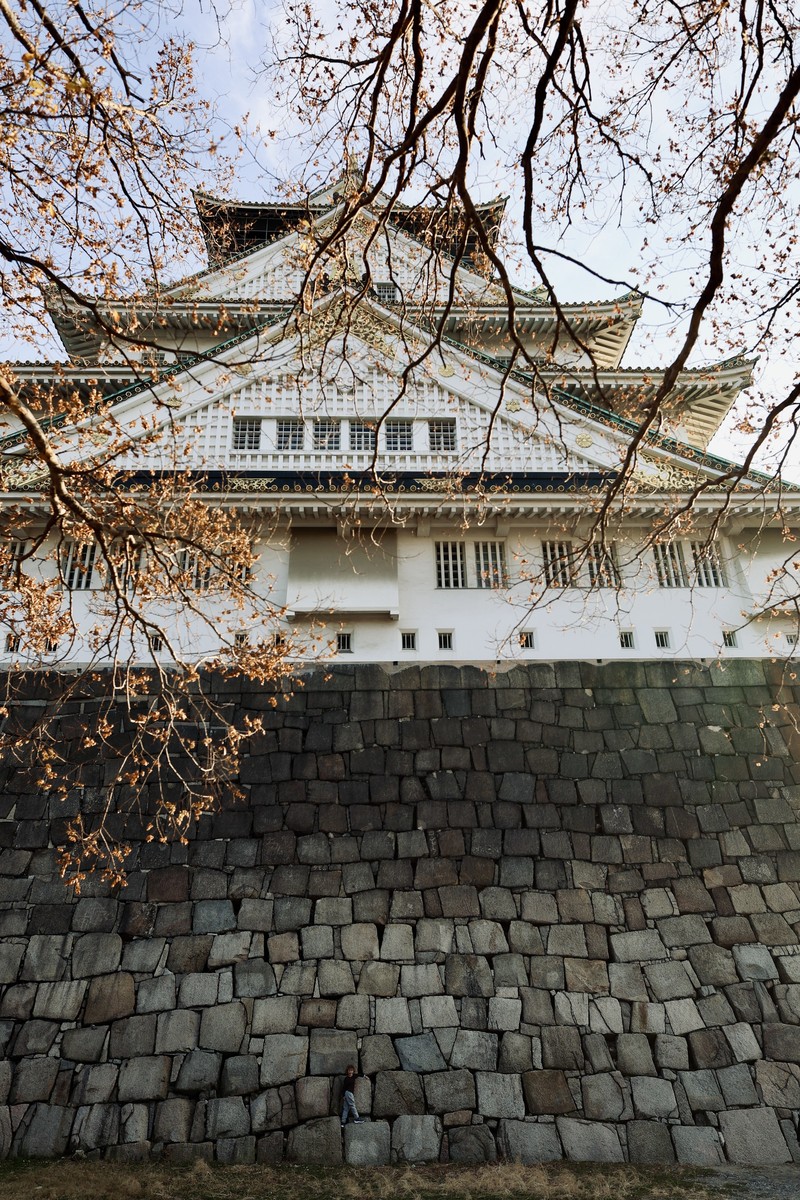
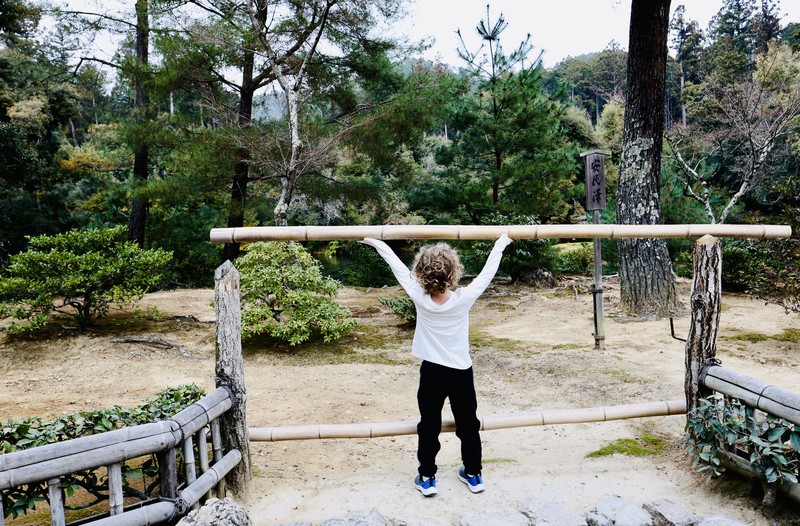
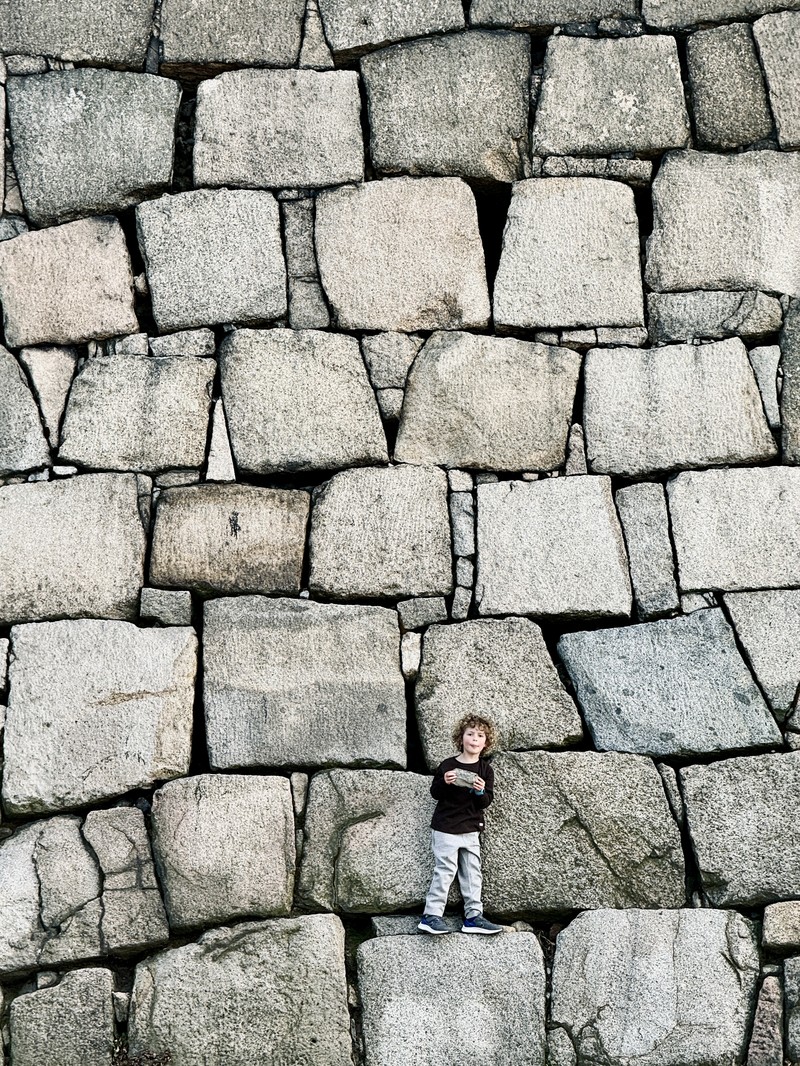
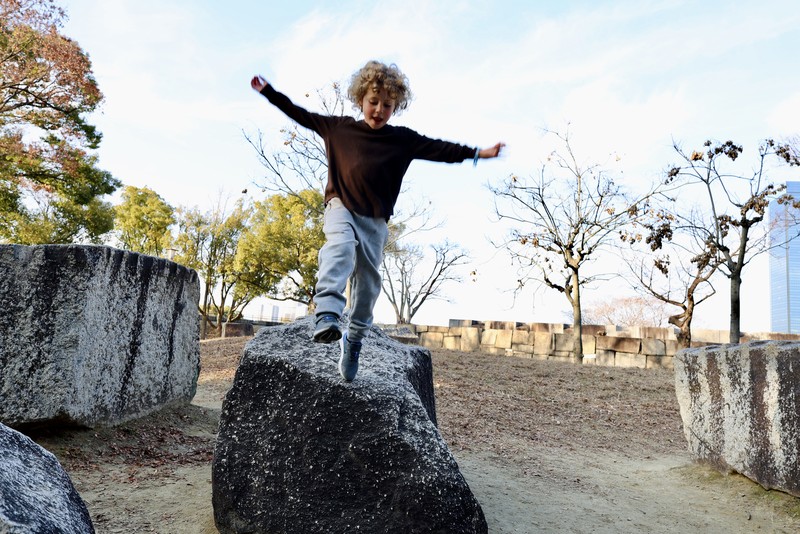
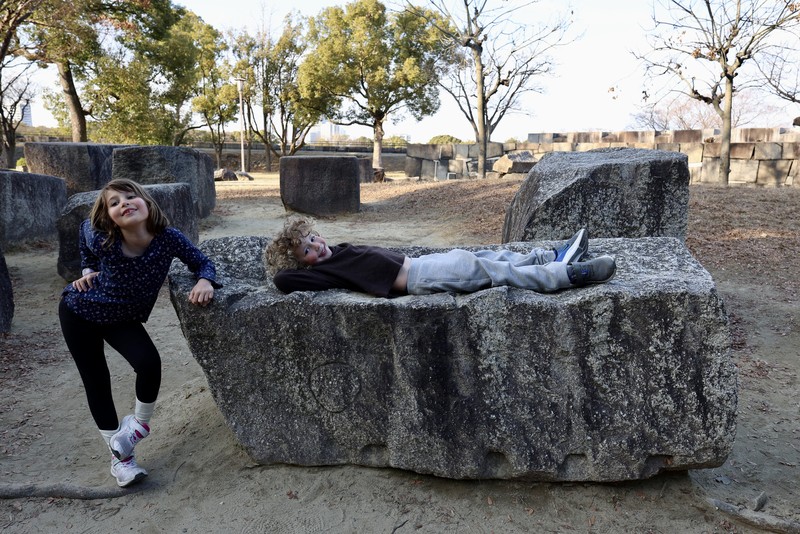
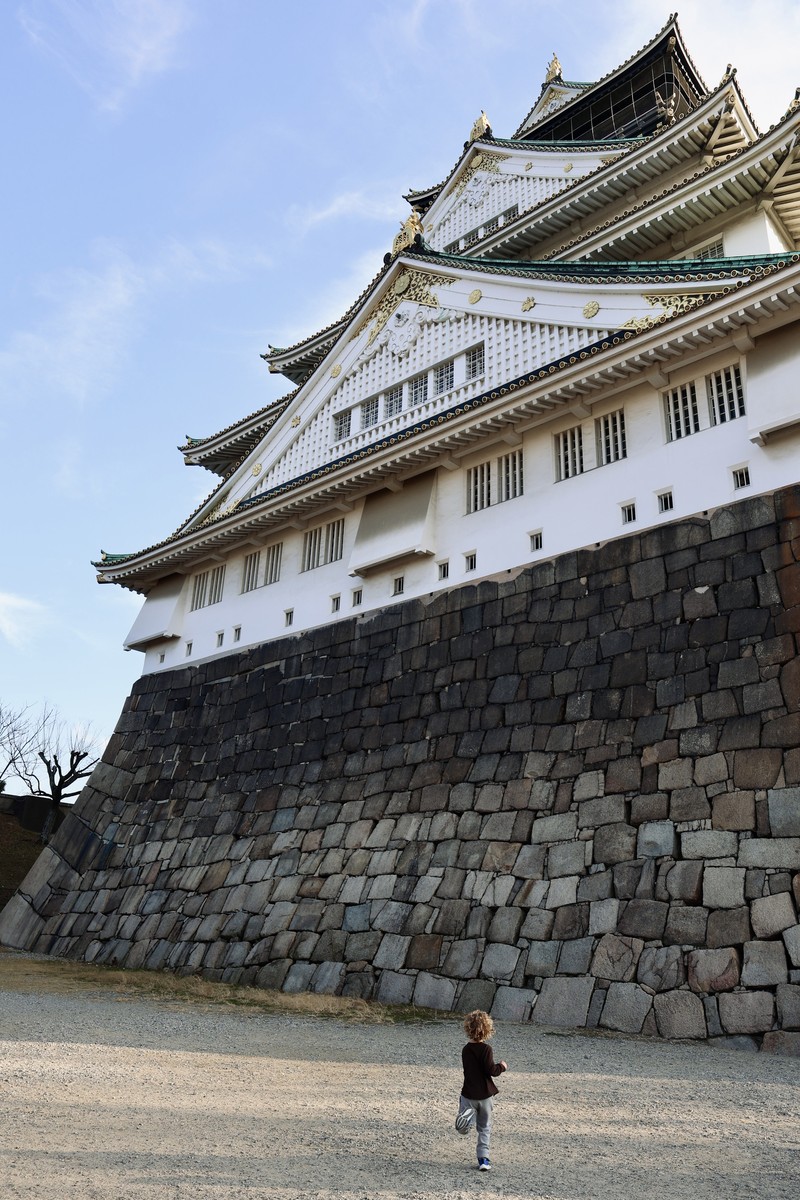
We also make it to Osaka Castle, and it is mammoth. Eden looks tiny beside the enormous stone blocks at the base of its walls. We walk around the ramparts and moat, exploring the surrounding grounds.
Then we head north to Kanazawa.
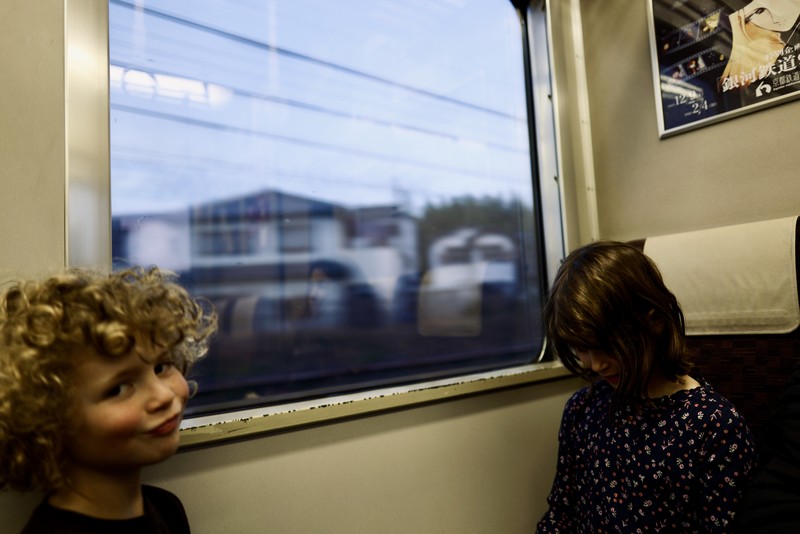
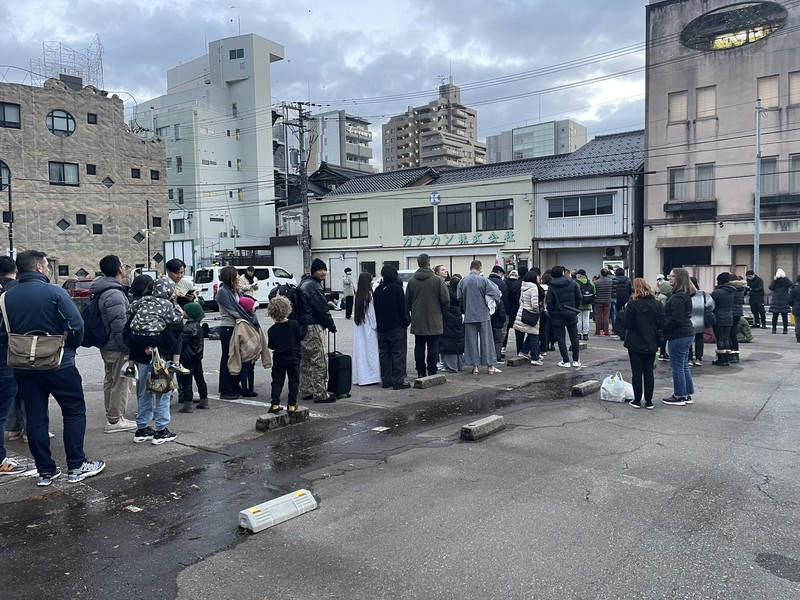
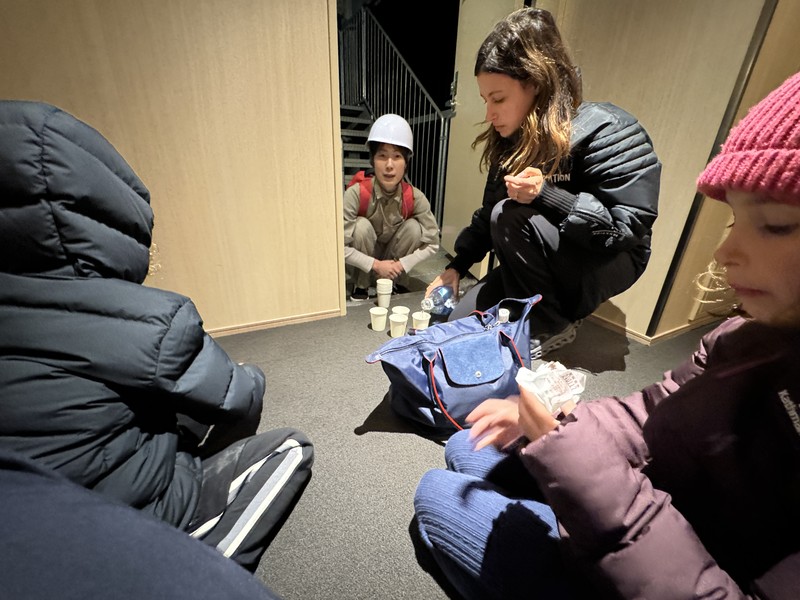
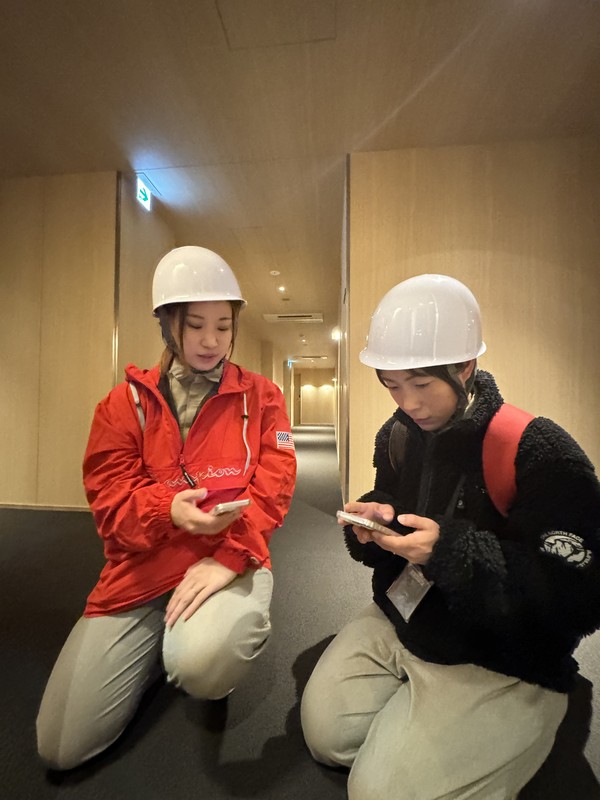
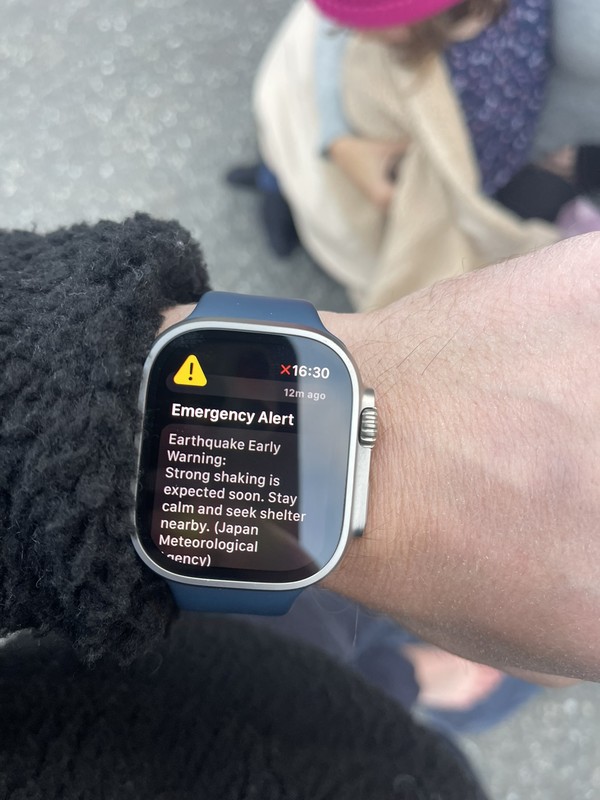
We barely get the chance to know it. On New Year’s Day 2024, a magnitude 7.6 earthquake strikes and our hotel begins shaking violently. The shaking continues for close to a minute, which is unusually long for an earthquake. We evacuate into near-zero temperatures, only for a tsunami warning to send us back upstairs in search of higher ground. The aftershocks keep coming and, particularly with the kids, it is frightening enough that Jen and I decide we have probably had enough adventure for one trip. We change our plans and head home a few days early.
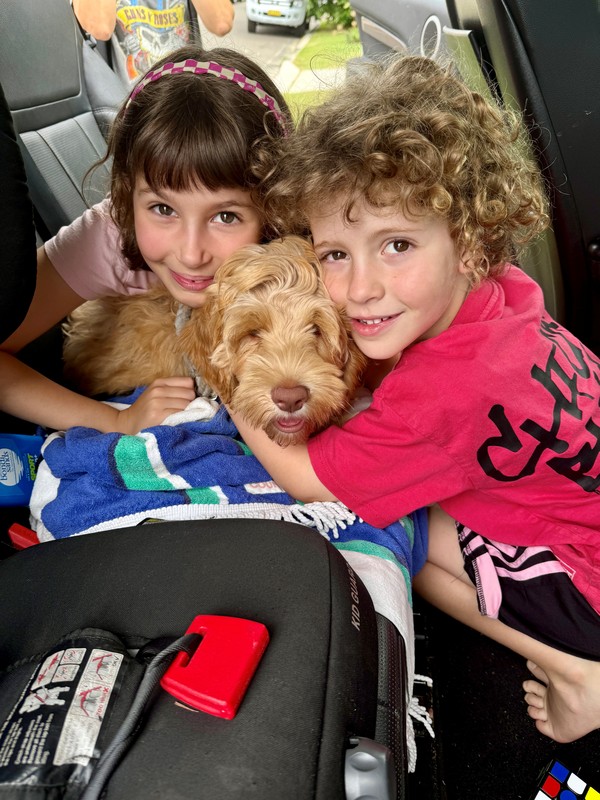
The earthquake rattles us, but it doesn’t change our view of Japan. We loved the food, the people, the culture and the constant discovery. We barely scratched the surface and would go back tomorrow. It does, however, produce one lasting outcome. Trying to cheer and distract Leyla and Eden after the quake, Jen and I tell them they can choose a present. Any present. We are thinking of a toy; they choose a dog. For reasons involving relief, exhaustion and questionable post-earthquake judgment, we say yes.
Not too long after we return to Australia, Louie, an Australian Cobberdog, joins the family.
The earthquake was not the ending we expected. Louie is a much better one.