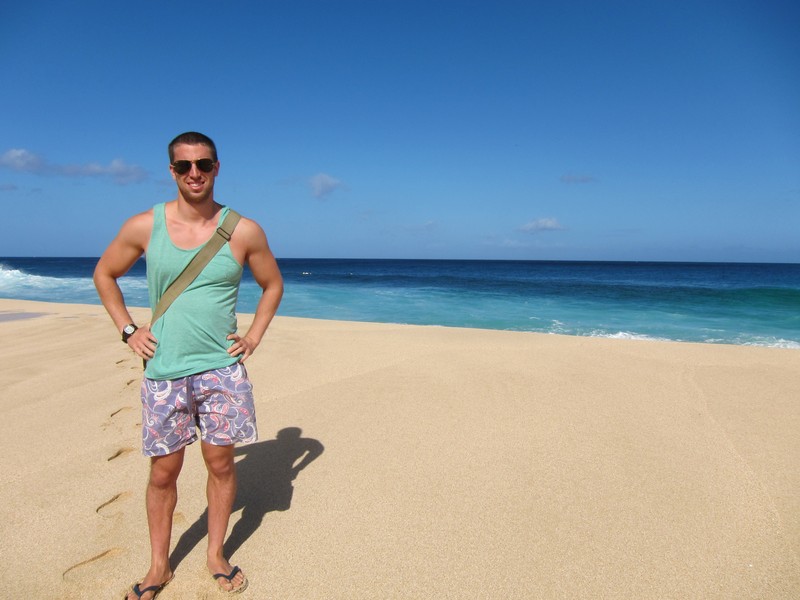
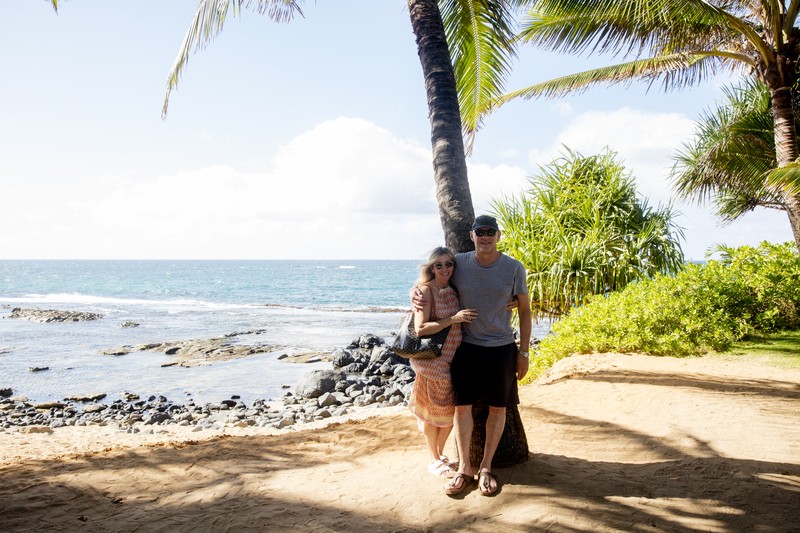
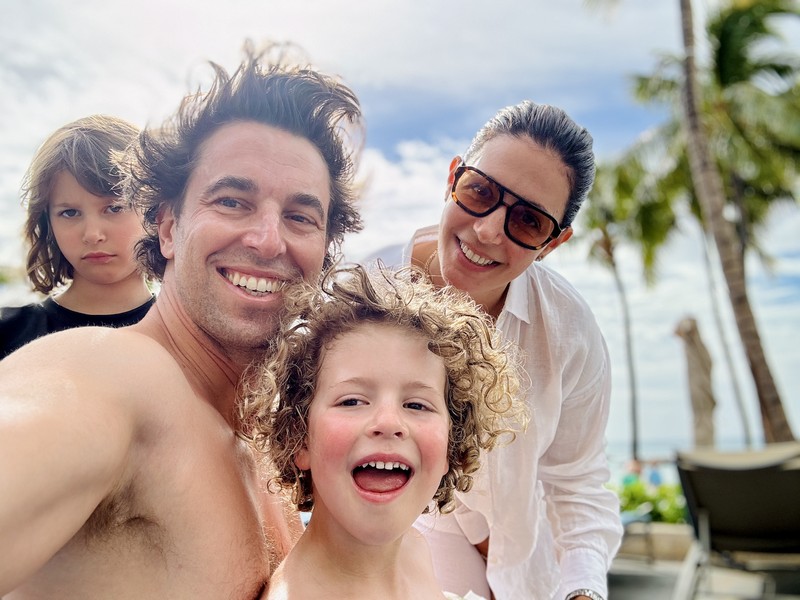
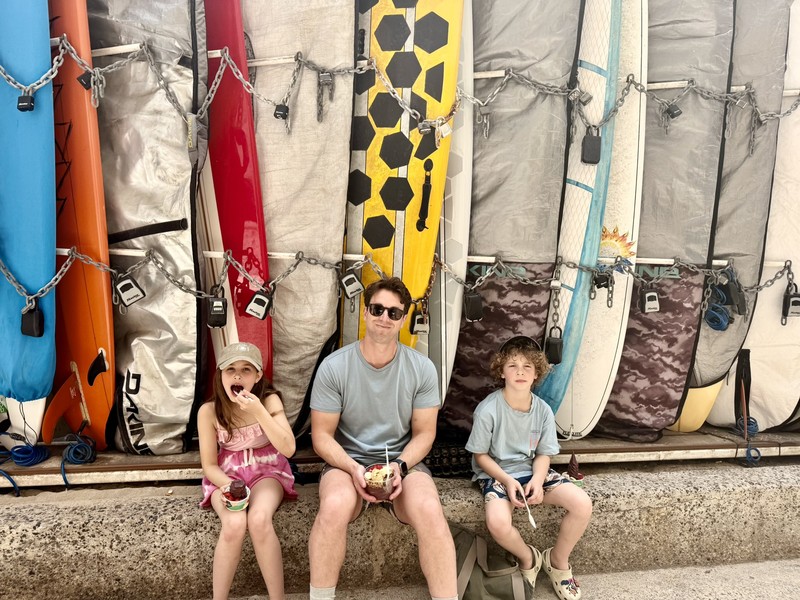
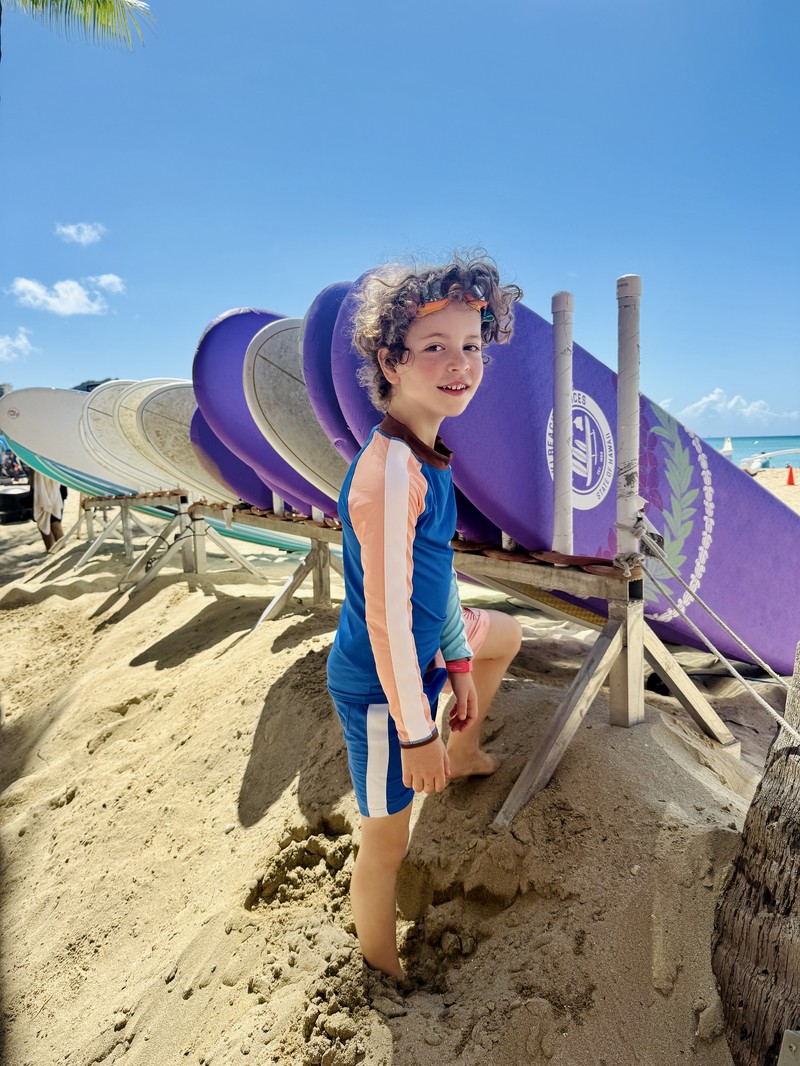
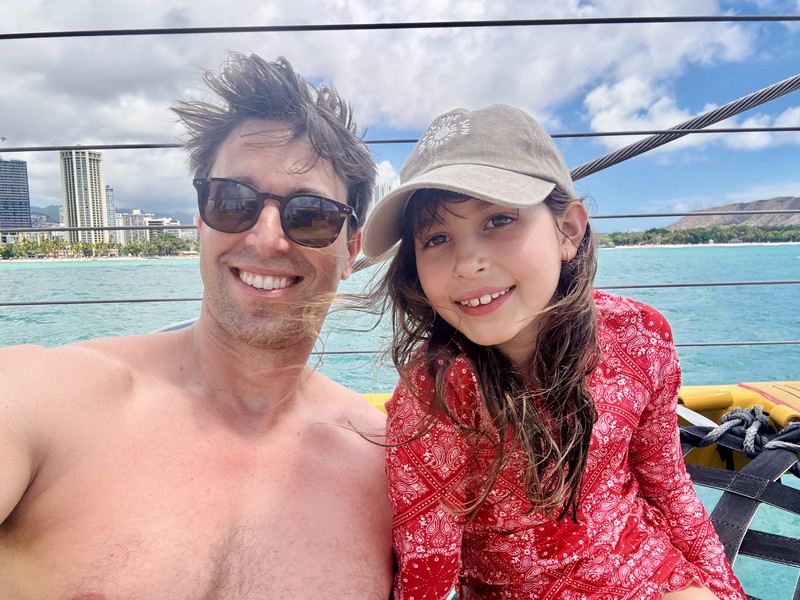
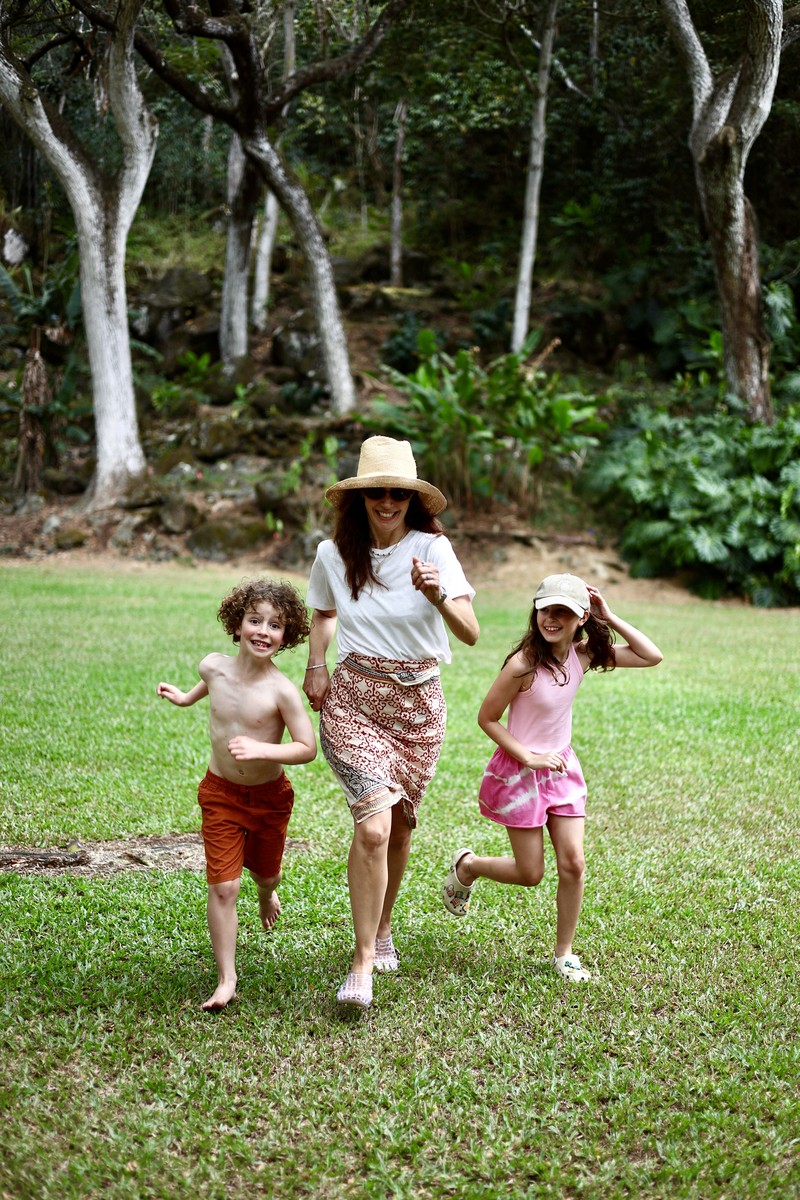
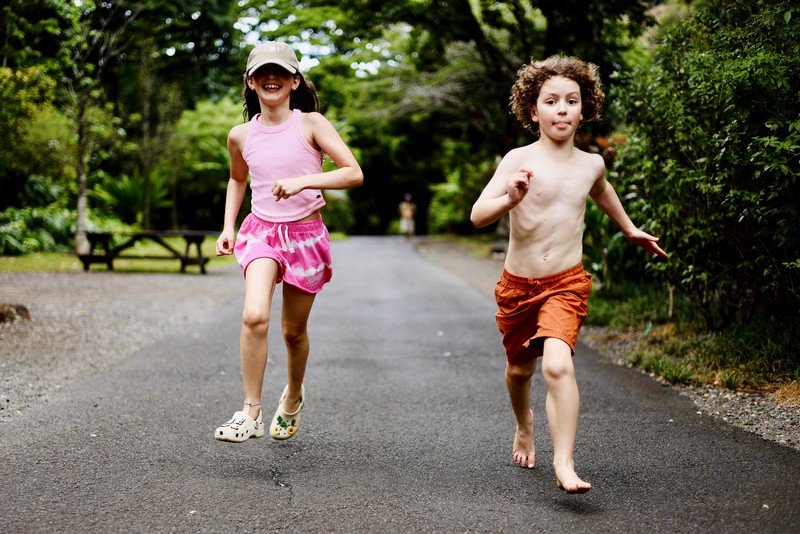
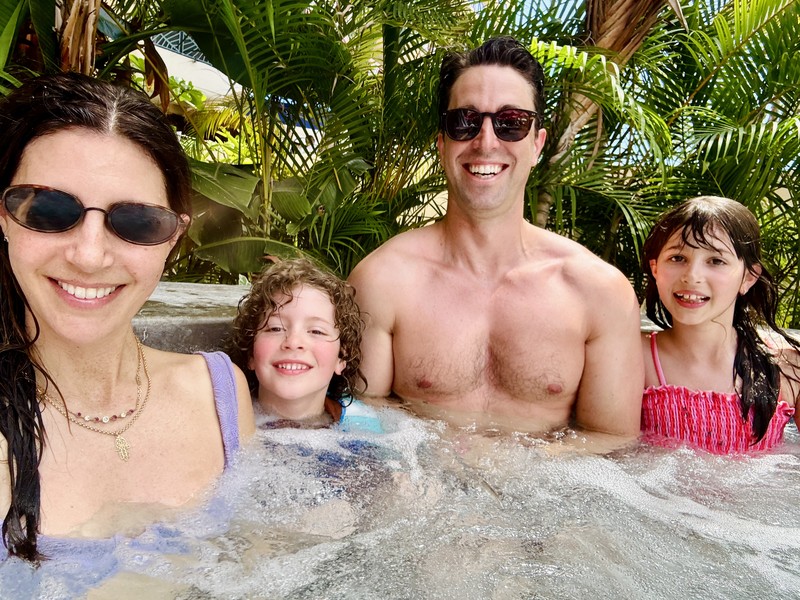
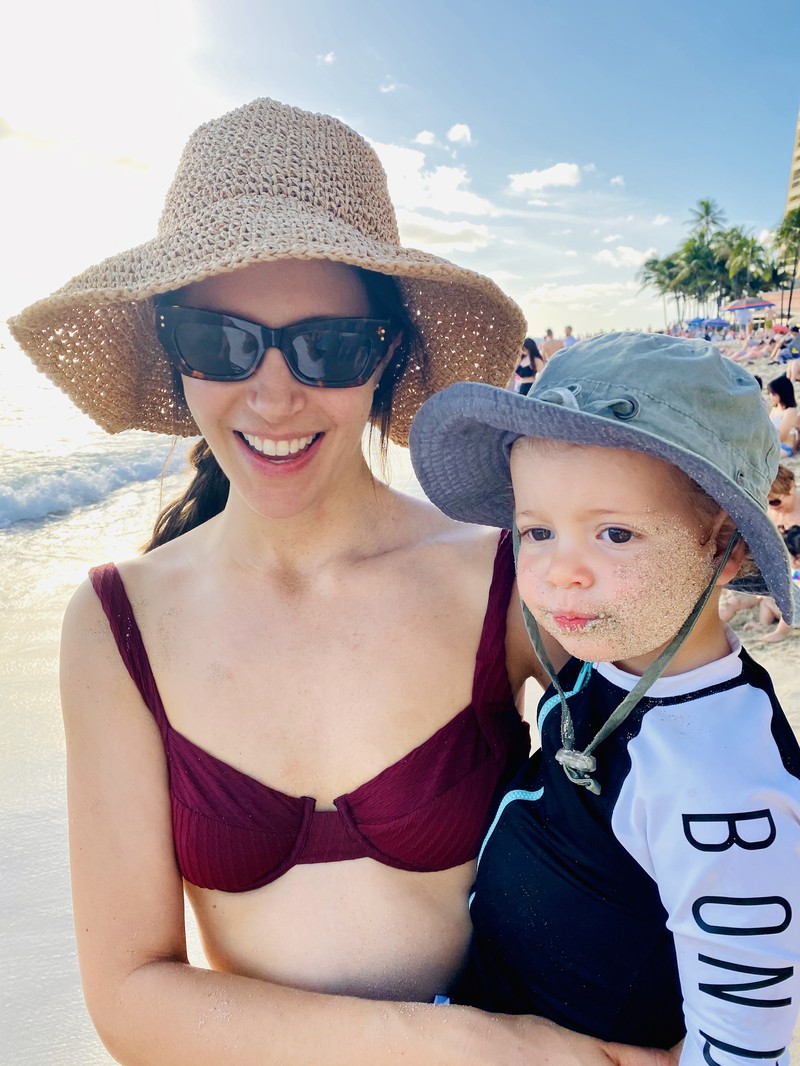
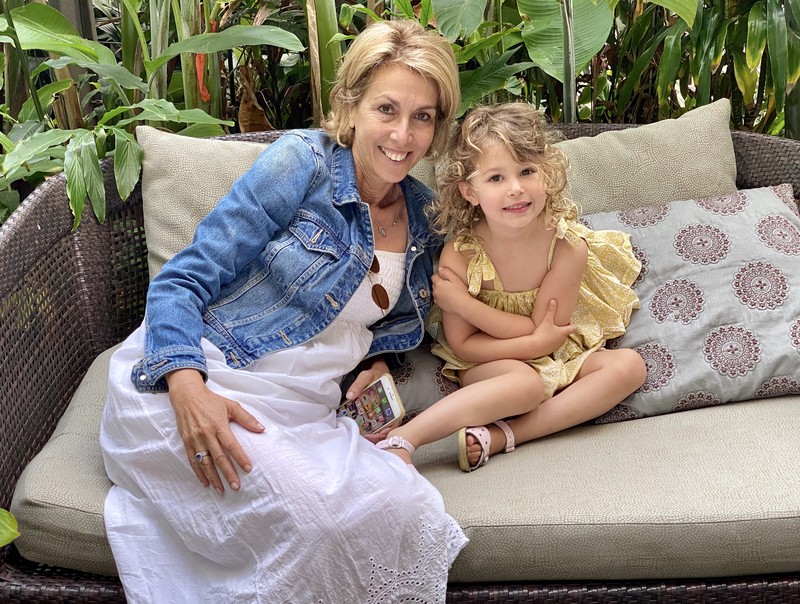
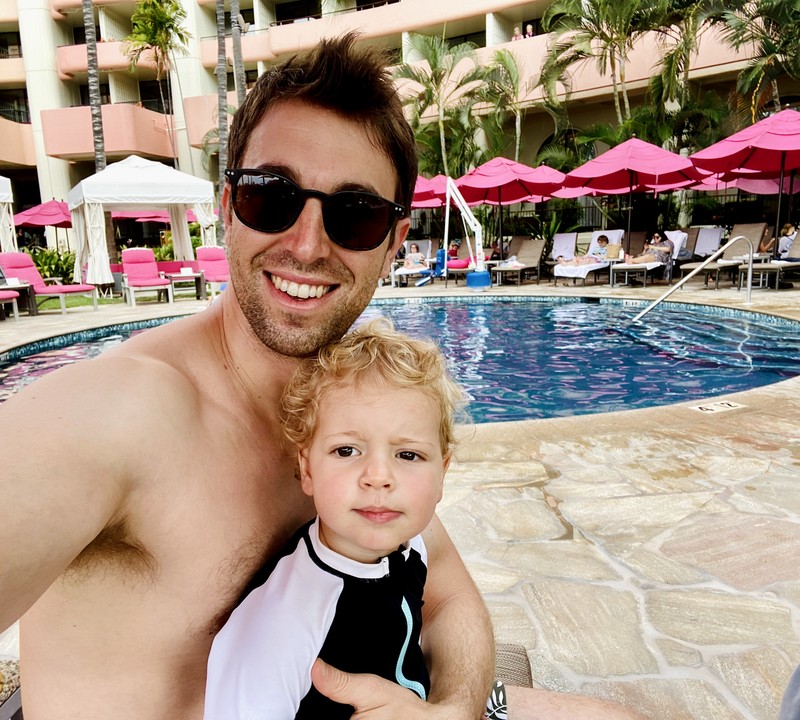
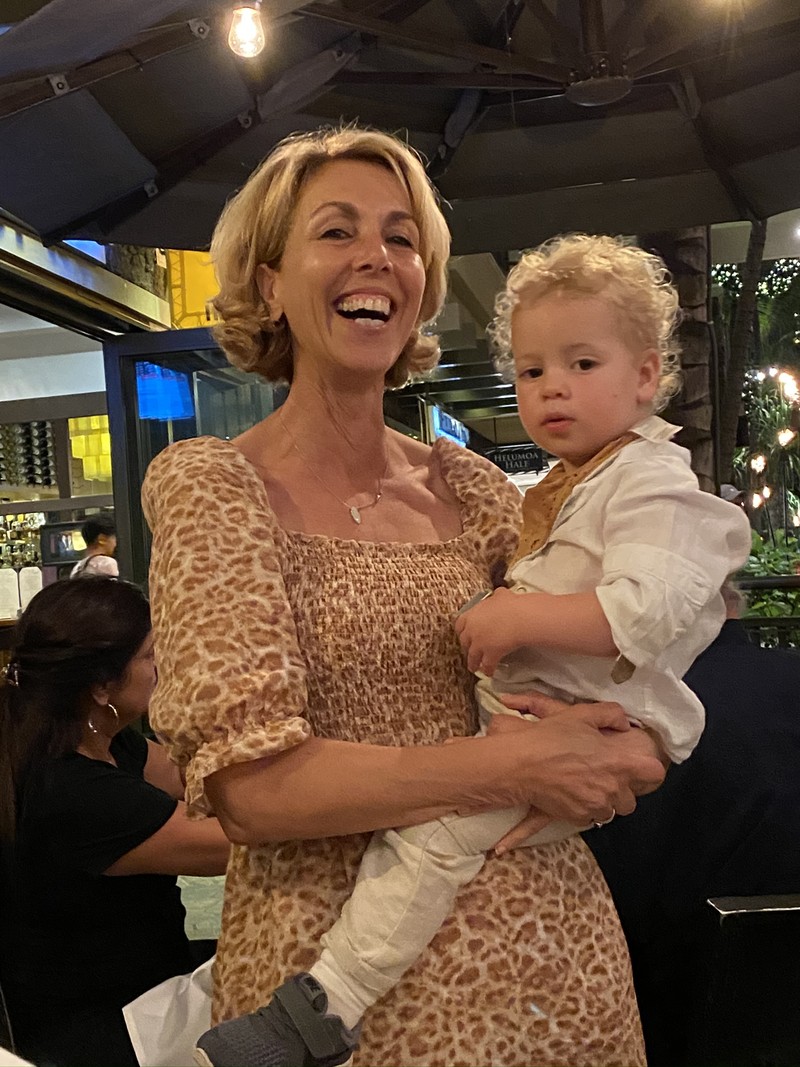
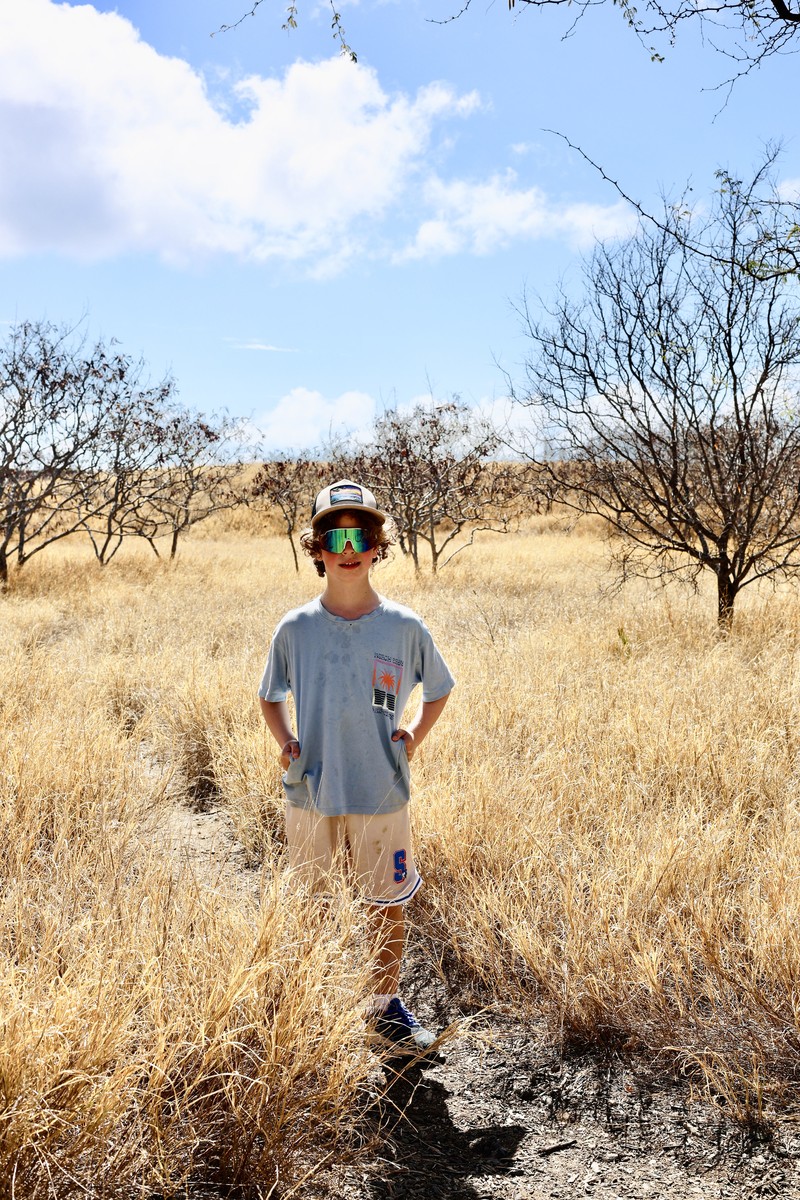
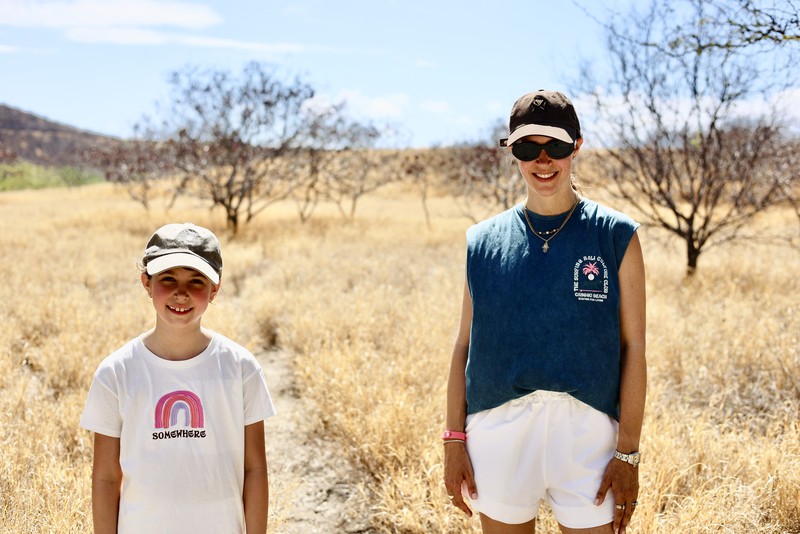
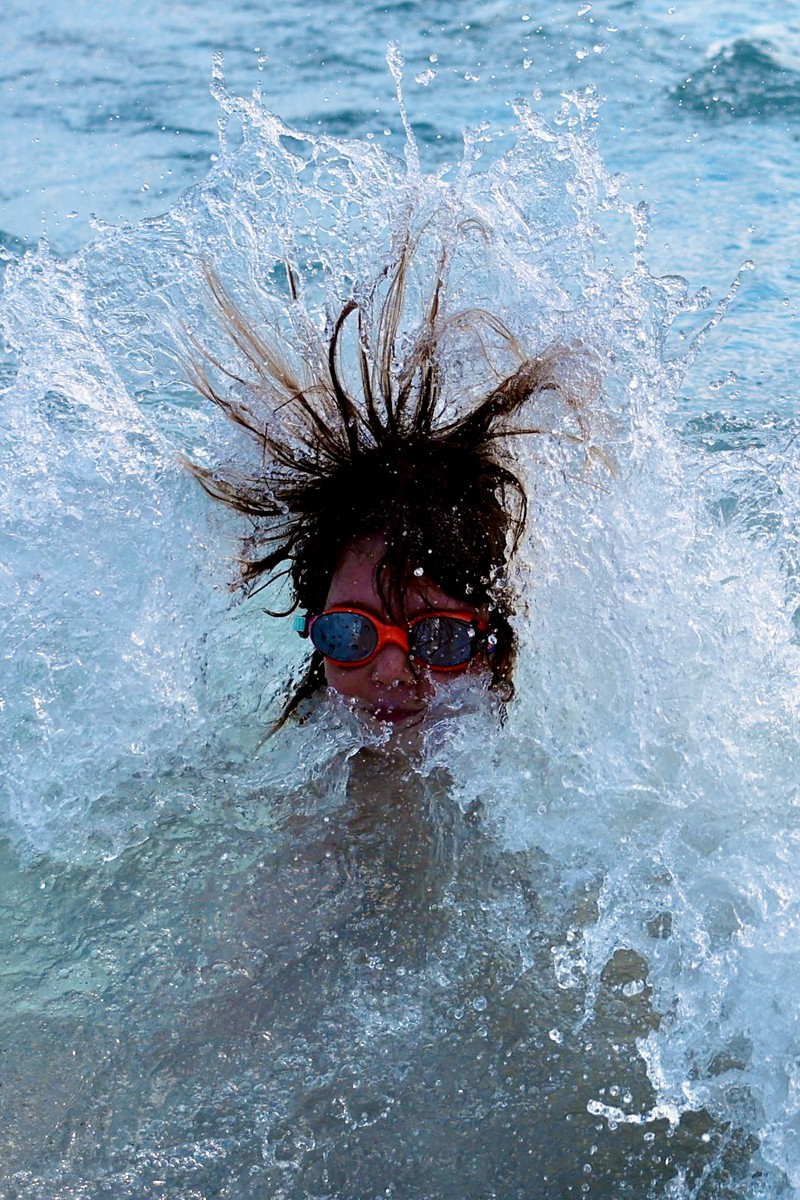
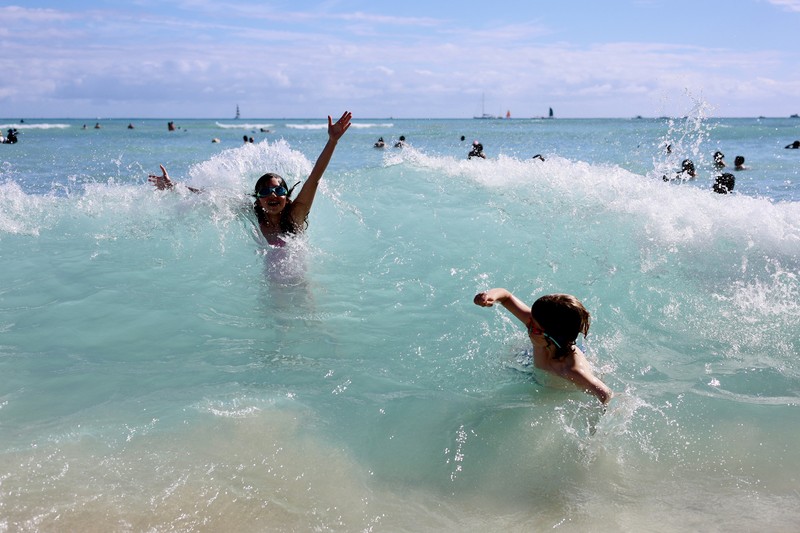
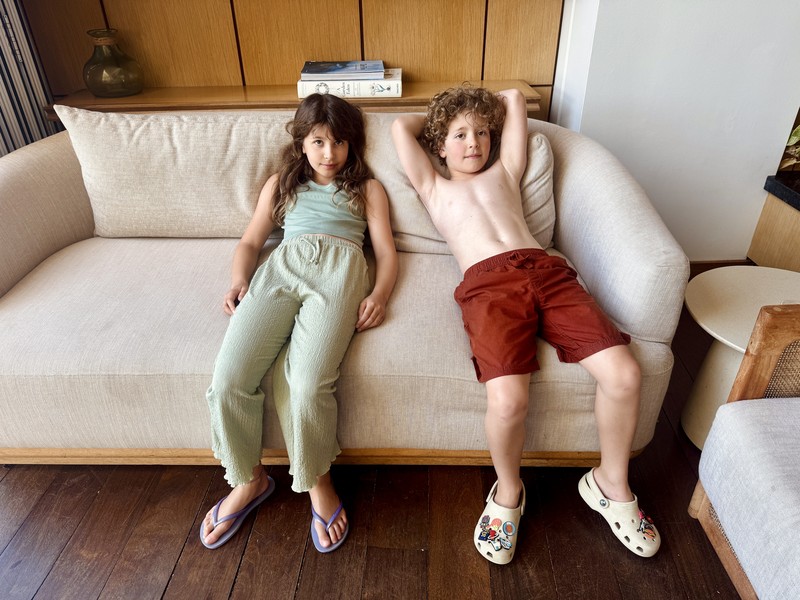
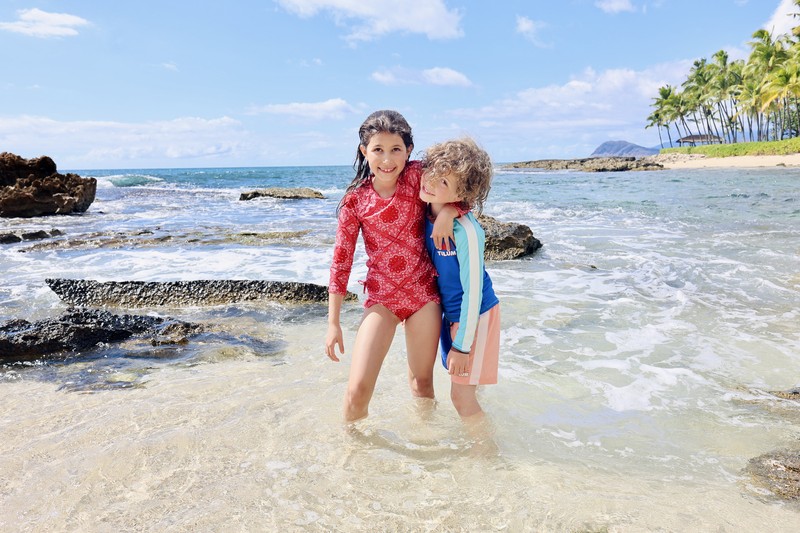
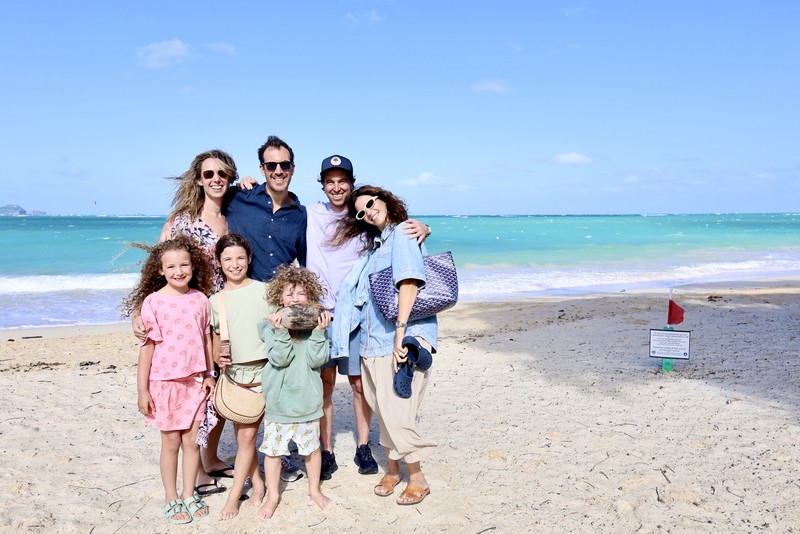
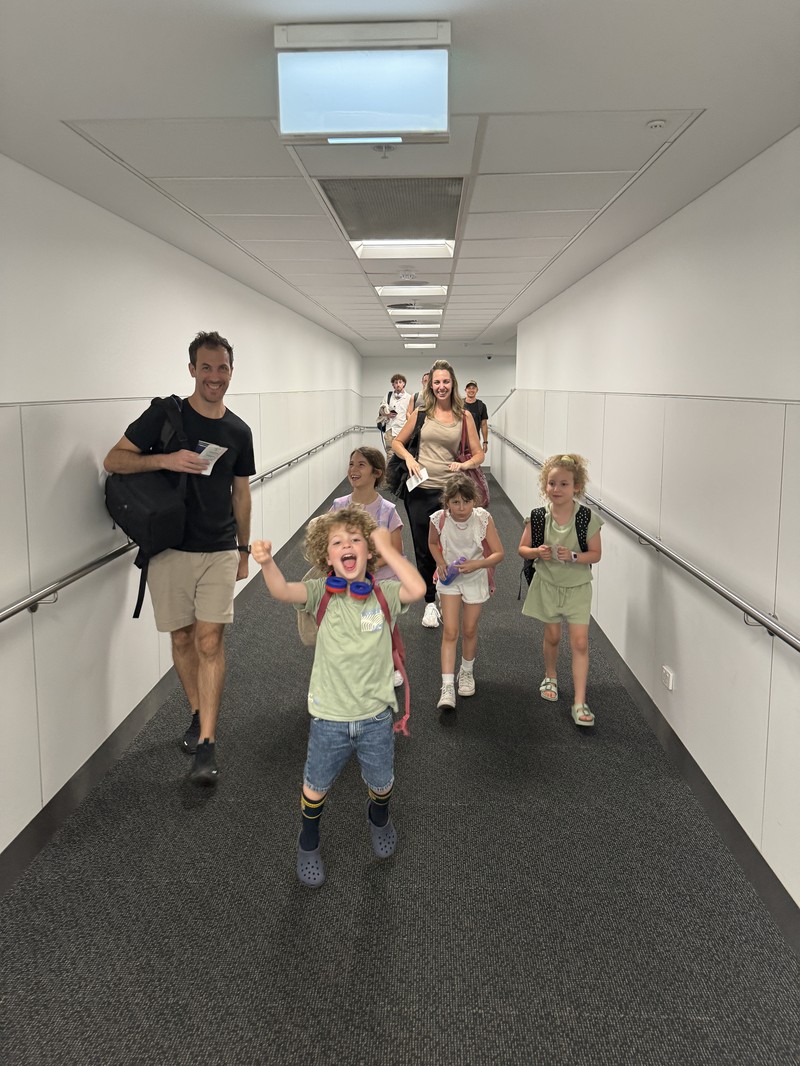
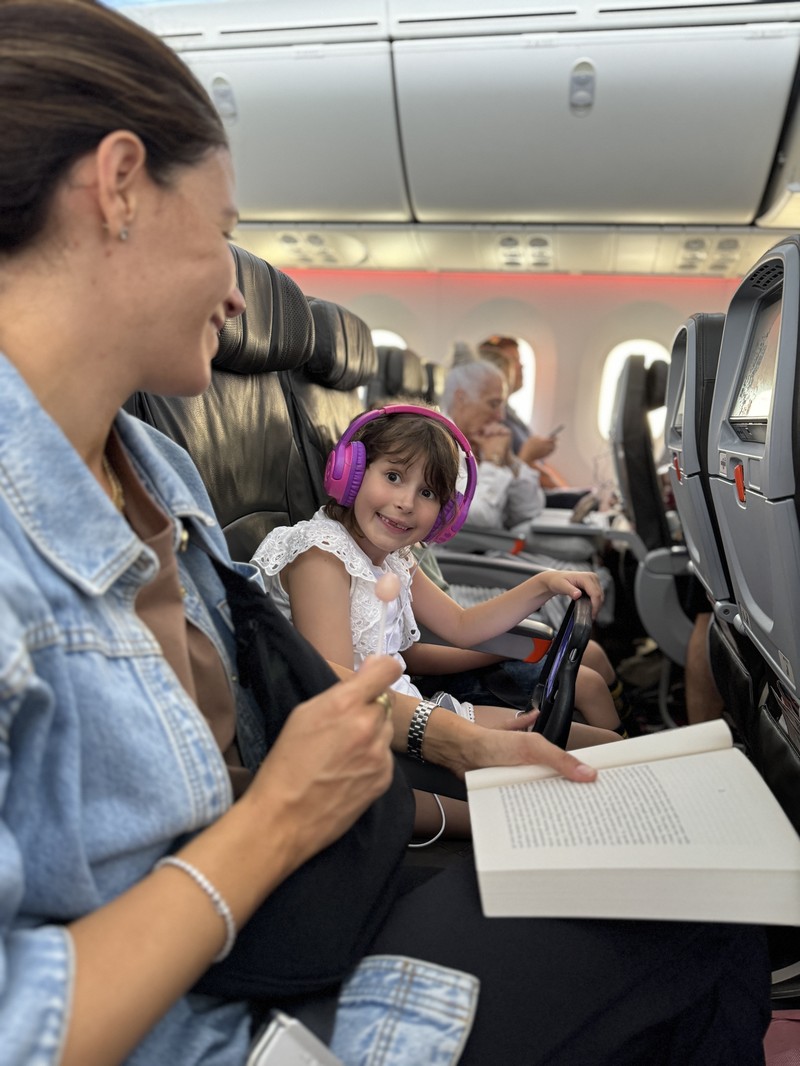
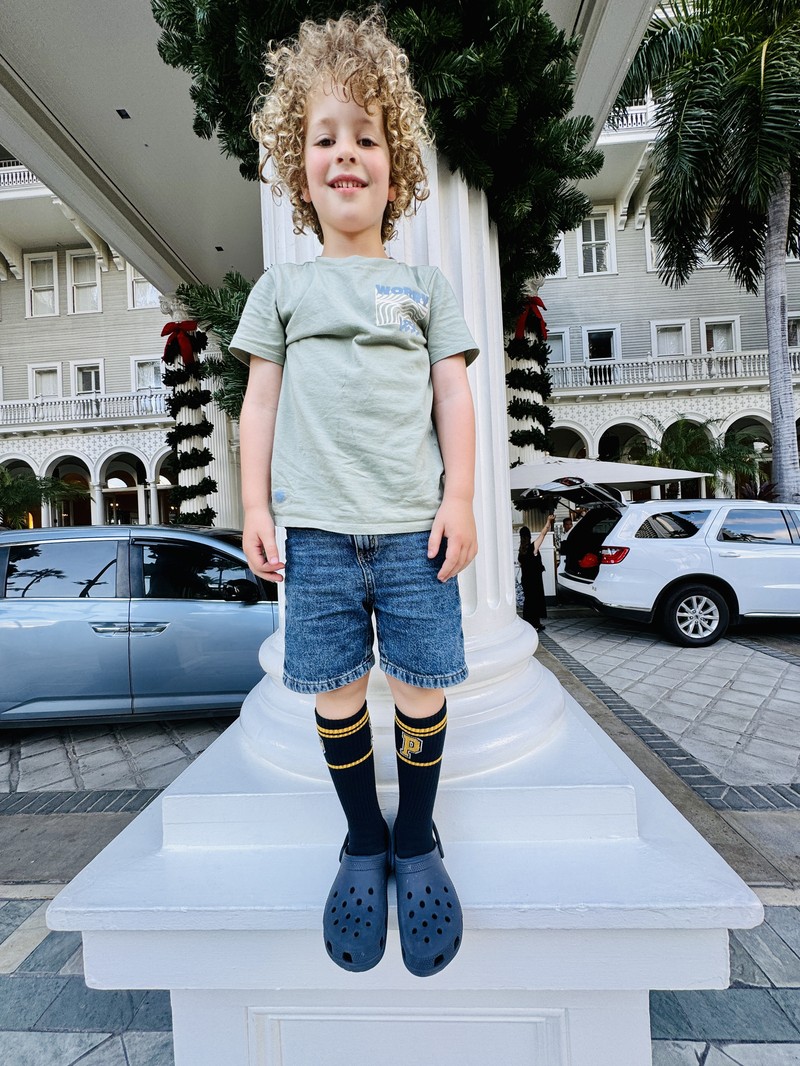
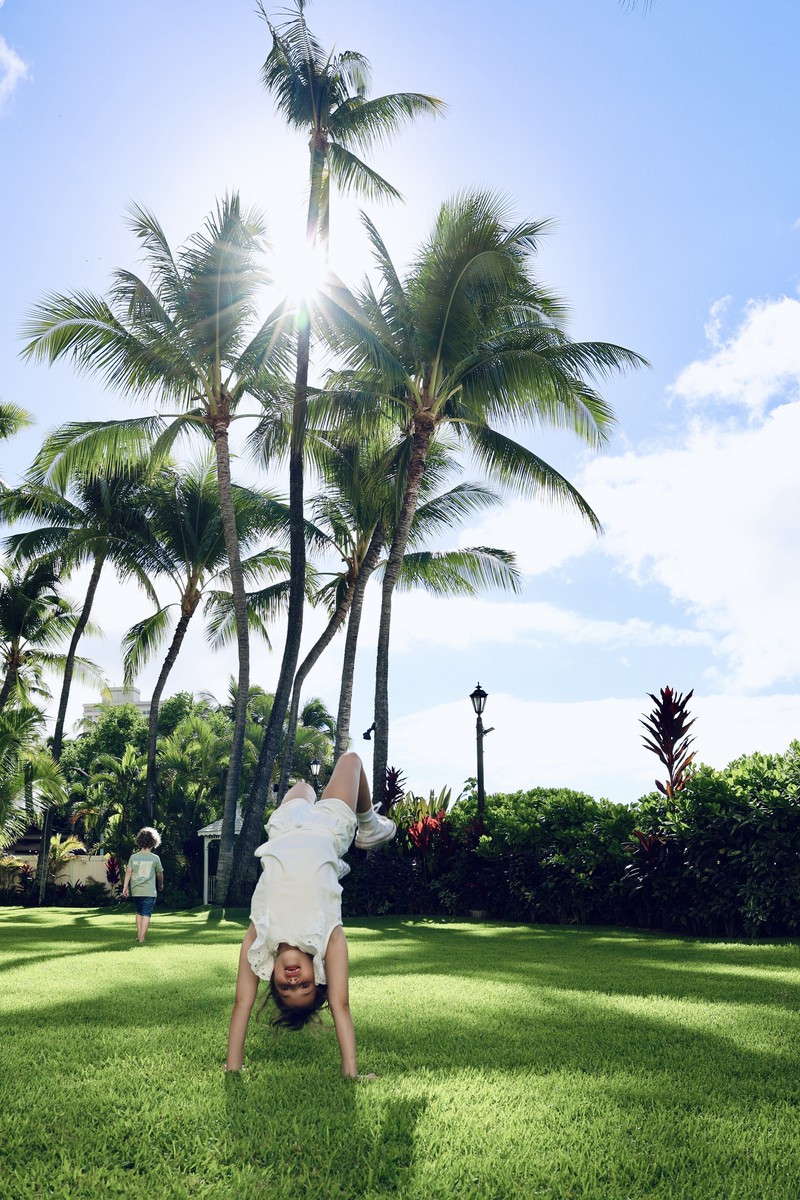
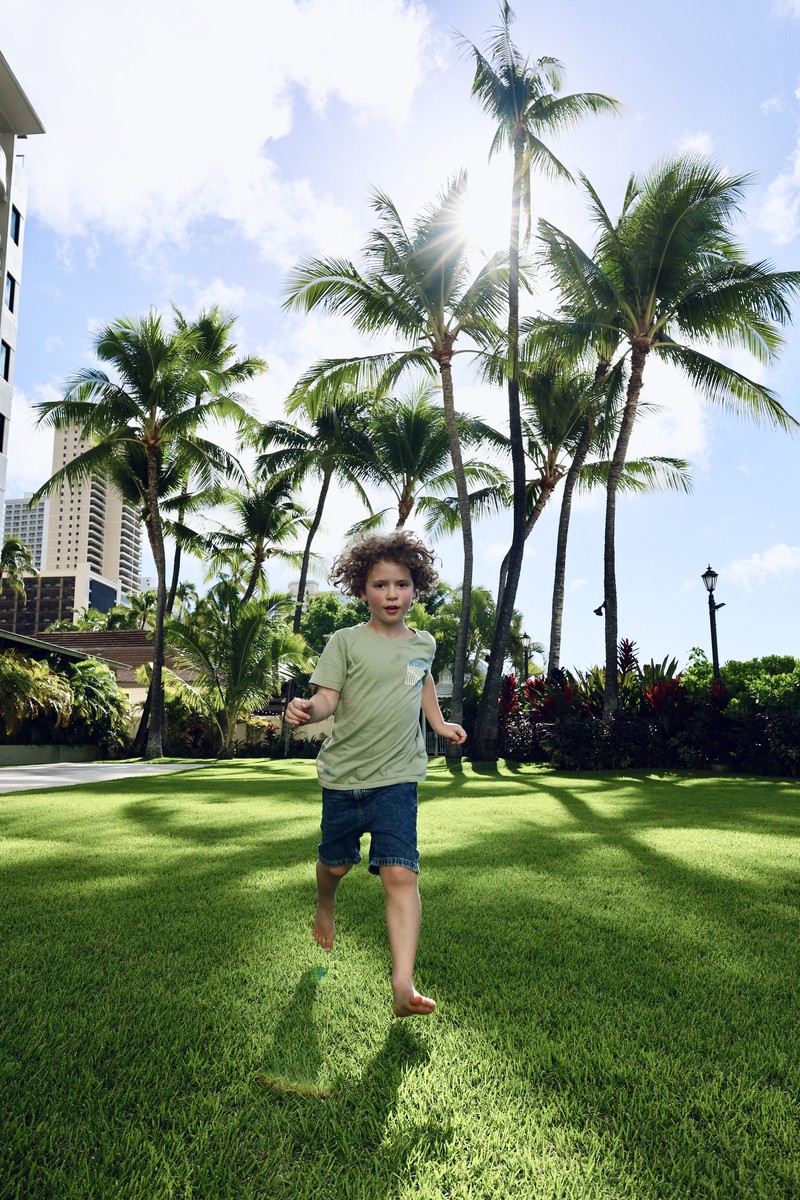
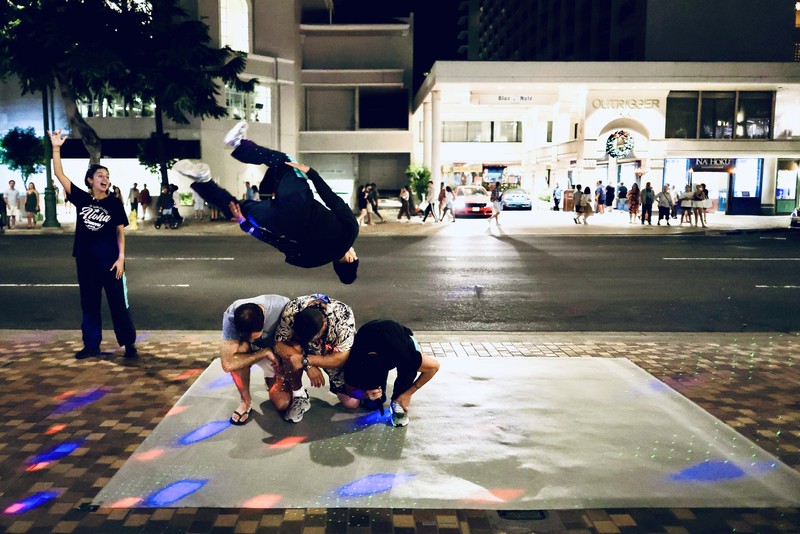
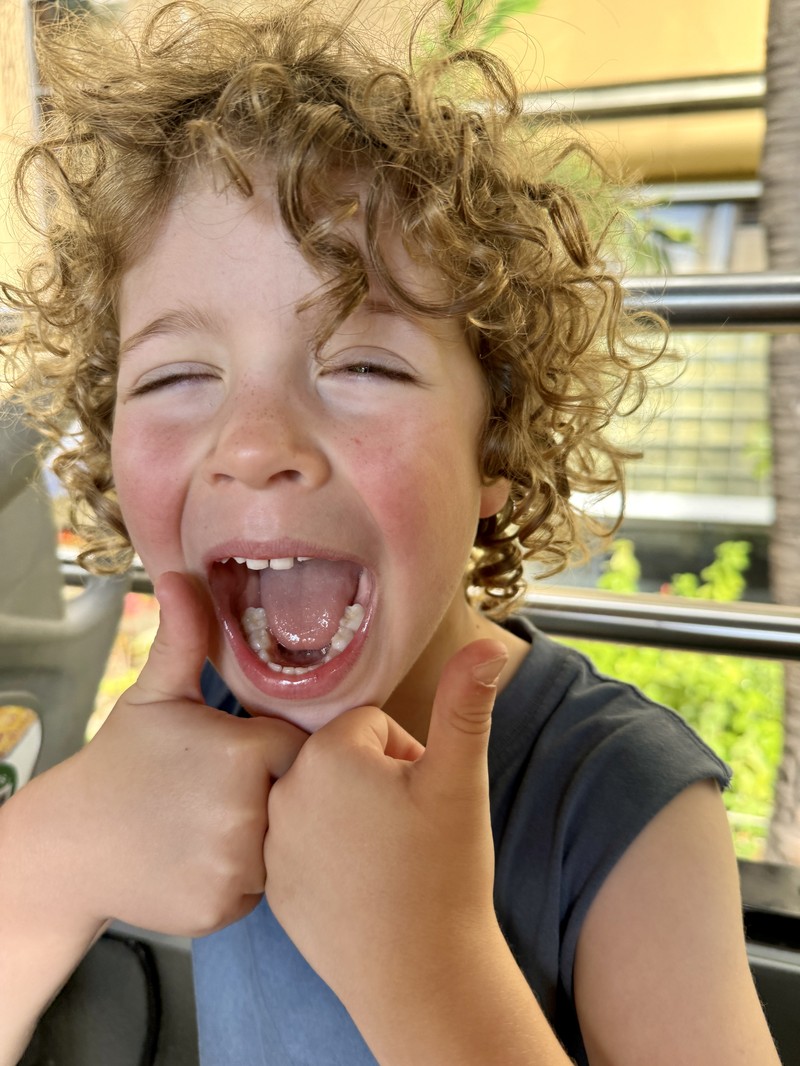
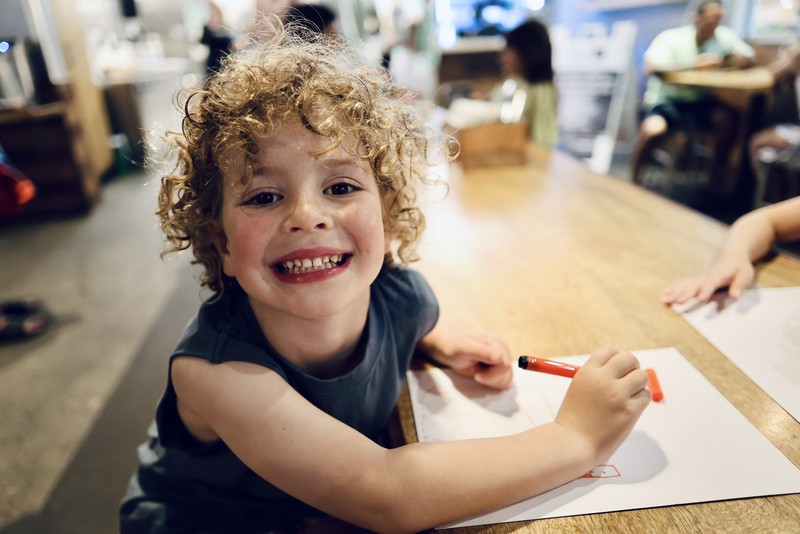
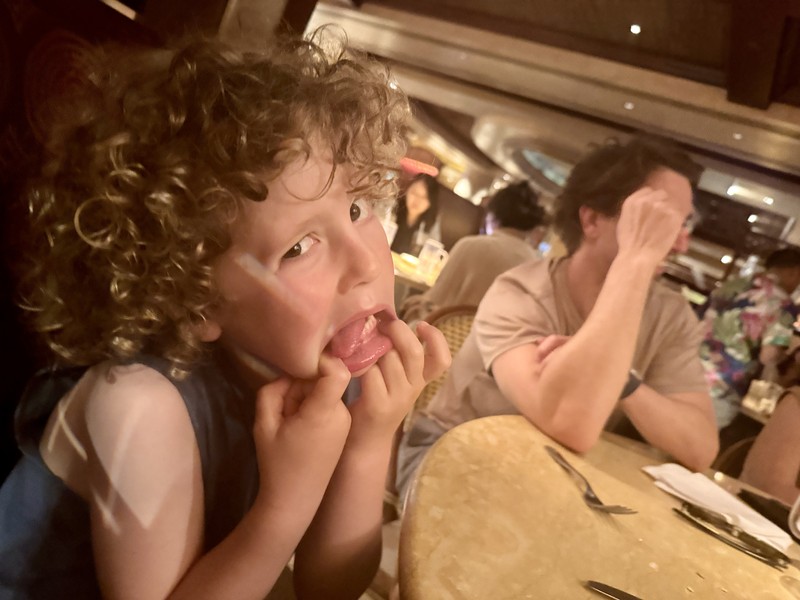
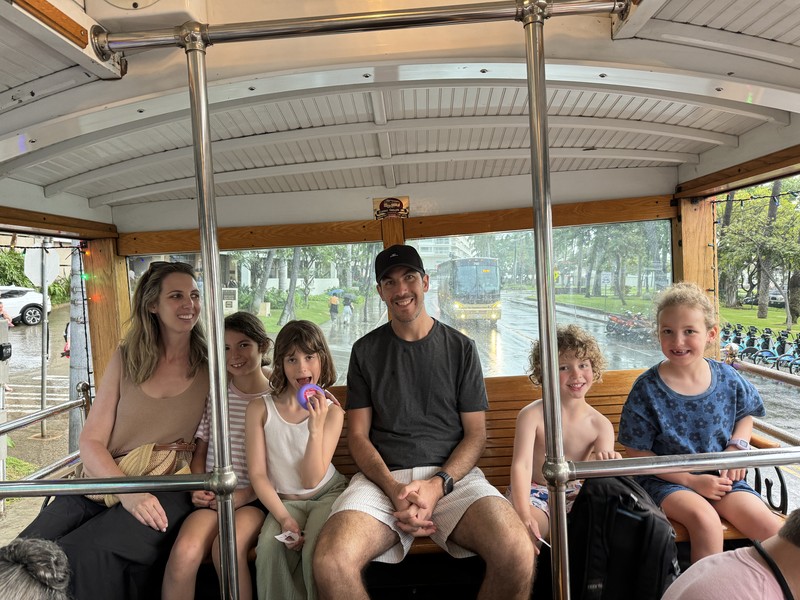
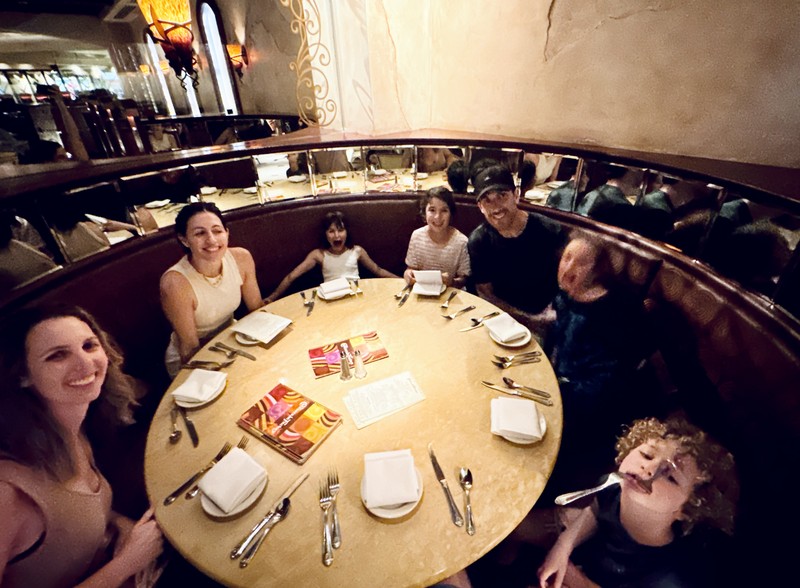
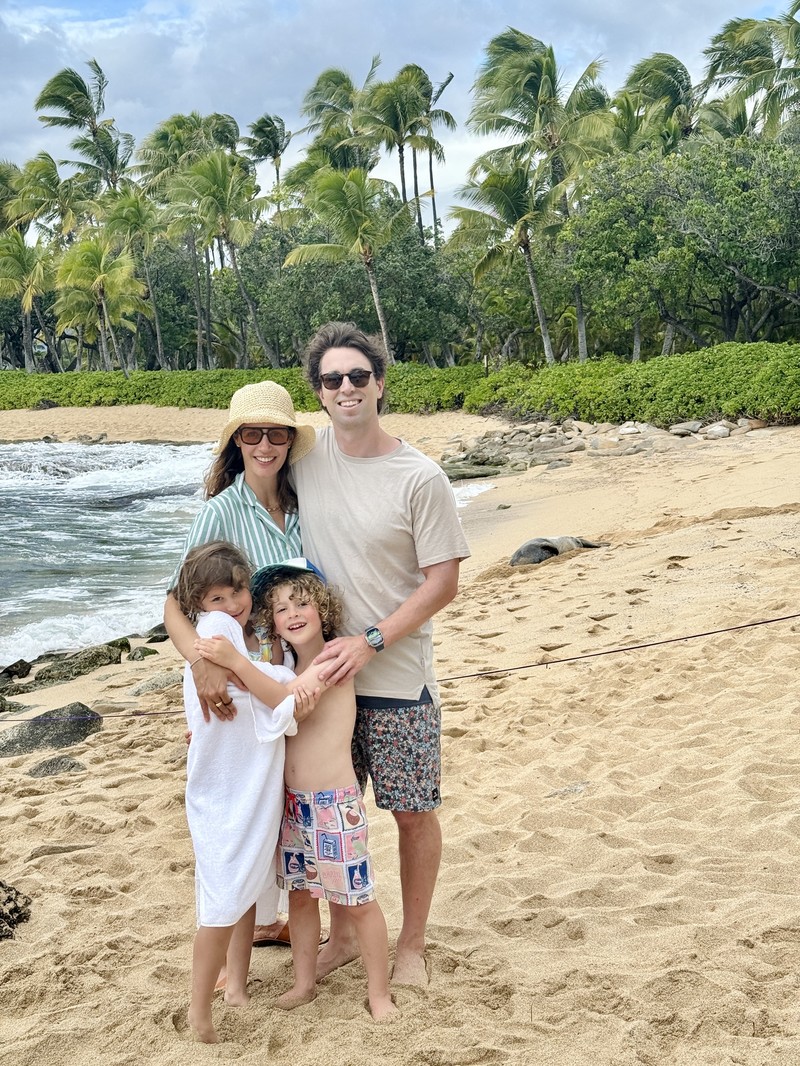
Familiar ground and still one of our favourite places in the world. In 2023, we return with Leyla and Eden, joined by the Ruiz family, for Waikiki, the North Shore and a few indulgent days at Ko Olina.
Bos Travels came about in 2012 as a haphazard way to share our World Trip while Jen and I were on the road. The photos always led, and in those early posts there were often only a few words around them. I returned to it later for our Honeymoon.
I’ve always enjoyed the creative outlet of writing and photography. Working in M&A occupies a different part of the brain, and as a kid my dream job was to be a photographer, ideally shooting for National Geographic – talent permitting. With Get Out Adventures, I took the writing much further, producing more substantial trip accounts. There is something cathartic about sifting through the photographs and memories afterwards, putting an experience into words and, in doing so, reliving some of it.
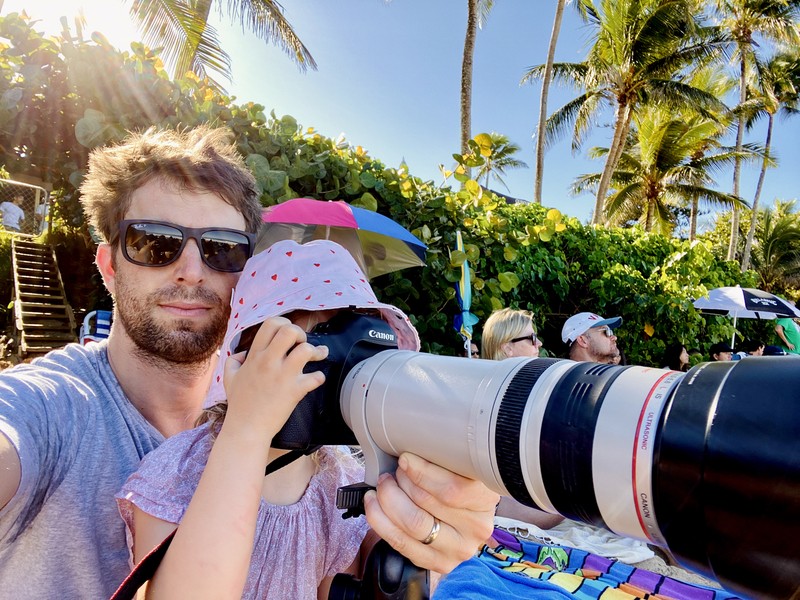
Recently, Leyla and Eden discovered Bos Travels and loved trawling through those two old adventures. It didn’t take long before they asked: where were all the trips with them?
Writing about our family travels had been on my mind for years, but thankfully the trips kept coming, the photo libraries kept expanding and I never quite turned any of them into Bos Travels posts. Their question was the nudge that finally spurred me into action. When we asked which family trip should make it onto the site first, they both singled out Hawaii and Japan. It was a big overseas adventure and, by then, they were old enough for much of it to have lodged in their own memories.
Hawaii was already an old favourite; Japan was entirely new territory, culturally distinct and full of unfamiliar sights, tastes and customs. The trip would also end in a way none of us could have anticipated: a magnitude 7.6 earthquake on New Year’s Day, a tsunami warning, an early departure from Japan and, eventually, a pet dog.
That comes later. First, Hawaii.
My earliest recollection of Hawaii goes back to the 1990s, when I visited with my brother Jason, Mum and Safta. Most of that trip has faded, but I still remember the macaws perched on our shoulders along the main Waikiki strip. Years later Dad and Nicole visited, loved it and came home with stories of their own, so by the time Jen and I went together in 2011, Hawaii already had a place in my imagination.
One of the things Dad and Nicole tried on their trip was scuba diving. Both went on to train with Global Underwater Explorers (GUE) and enter the more demanding reaches of the sport, including deep technical diving, shipwreck exploration and cave diving, where equipment, planning, mathematics, discipline and teamwork all matter and mistakes carry serious consequences. For Dad in particular, the combination of exploration, risk and precision was made for him. Knowing Phil, that mix was irresistible; recreational diving was never going to be enough.
Then there was my great uncle Arie. He was born in Berlin in 1932, came to Australia as a boy after his family fled Nazi Germany, and left again at only 14. According to my grandma Beverley’s detailed family chronicles, he had already managed a few youthful misadventures by then, including putting a lit firecracker into a postbox and appearing before the Children’s Court. His father, David, my Opa, subsequently introduced him to the captain of a freighter sailing for Indonesia, who took him on as a cook’s assistant. Different times. Arie joined the merchant navy and later described the experience as one of his saving graces. He learnt discipline and he learnt to cook, both of which proved useful during the remarkable and unconventional life that followed.
Arie eventually built a career working on major exhibitions and expos and later lived on Hawaii’s North Shore with his wife Karen. During my gap year after school in 2002, I headed to Biel/Bienne in Switzerland with three mates, Dan, Richie and Tal, to work for him at Expo.02.
It was a baptism of fire. We worked 14-hour days, five days a week, plus seven hours on Saturday, doing hard physical labour alongside Arie and his motley crew, who set a high standard. Coming straight from the protective cocoon of Sydney’s eastern suburbs and a final school year focused almost entirely on the HSC, the hard yakka was a valuable shock to the system. We learnt very quickly what hard work actually meant, and I think all four of us carried that lesson in work ethic and stamina with us. I can still feel the Swiss cold on my hands and the stubborn old grease on my fingers from scouring chicken rotisseries from Arie’s Hawaiian-themed Aloha restaurants at a previous expo. There was plenty of fun and mischief squeezed into whatever hours remained (including a trip to Interlaken for a cliff jump over a gorge, with a massive freefall before the rope snapped taut and swung us out across it), plus extra work guarding a half-constructed bar on overnight shifts that we rotated amongst ourselves, exactly the kind of job you agree to do only when you are 18. All of it fuelled by cheap microwaved pizza and pasta. And Hawaii was never far from the conversation, with Arie and Karen often talking about life on the North Shore.
Surfing was another connection. I did a fair bit of it, becoming reasonably competent without ever pretending to be especially good. There were plenty of camping trips up and down the east coast of NSW with friends searching for swell, uncrowded waves and quieter beaches, as well as surf trips further afield to places like Costa Rica and parts of Indonesia with my mate Dan. Like plenty of surfers of my generation, I also spent a lot of time watching surf films and documentaries like The Endless Summer and Riding Giants. Pipeline, Waimea and Sunset were sacred names to me long before I ever stood on those beaches. Hawaii was a surfing mecca in the middle of the vast Pacific, where, when everything aligns, the ocean produces perfectly formed waves.
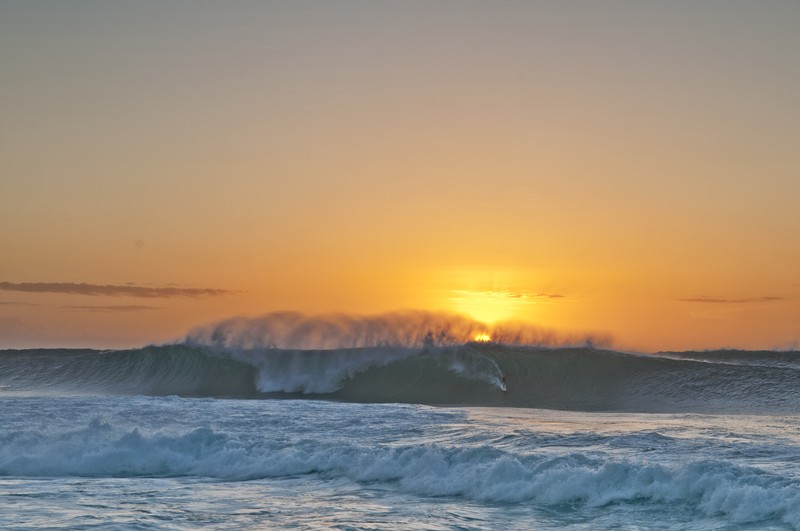
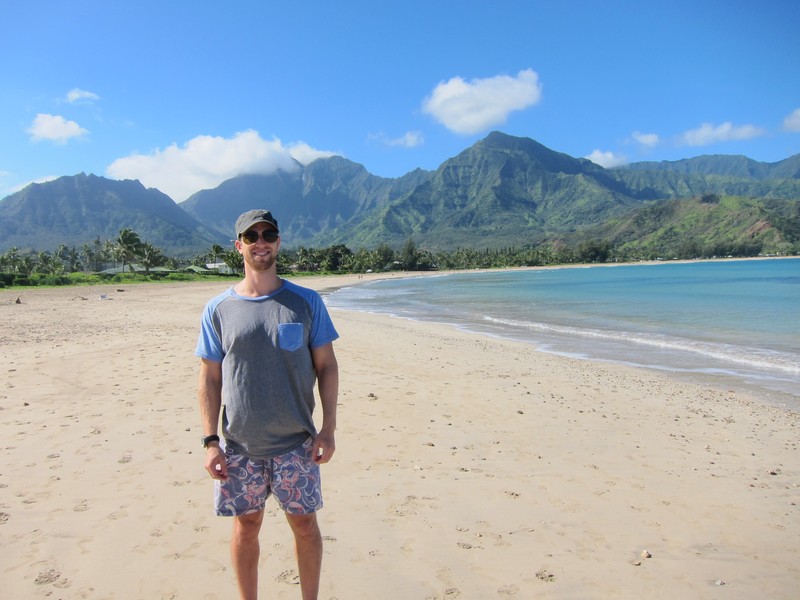
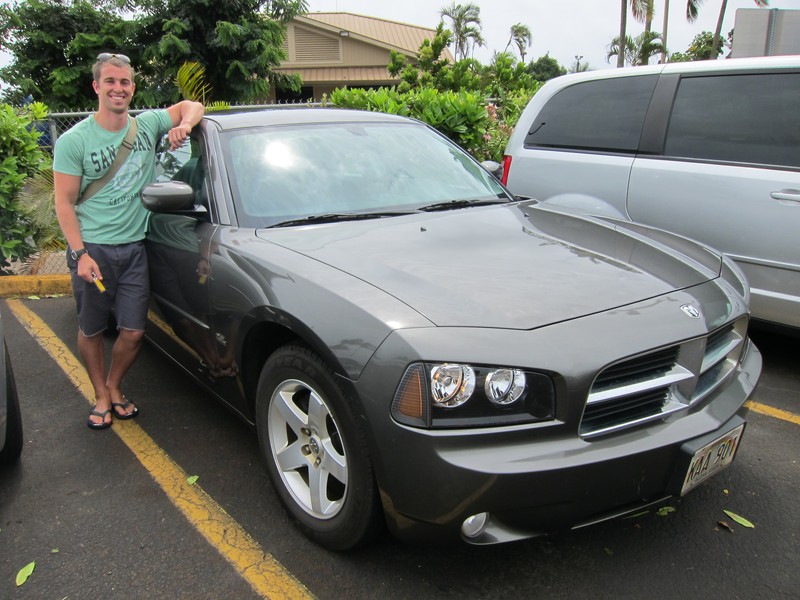
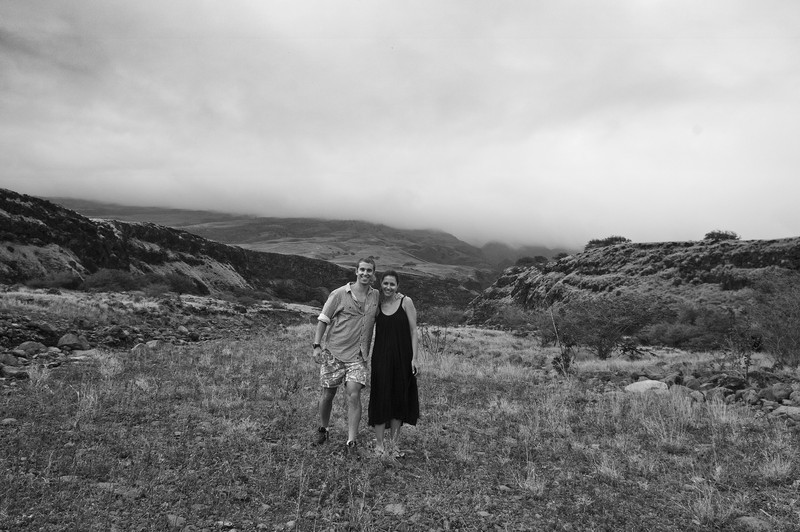
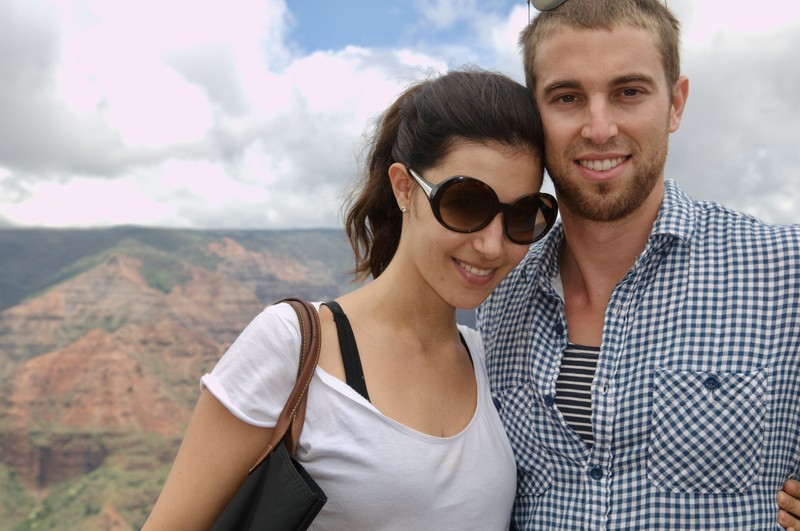
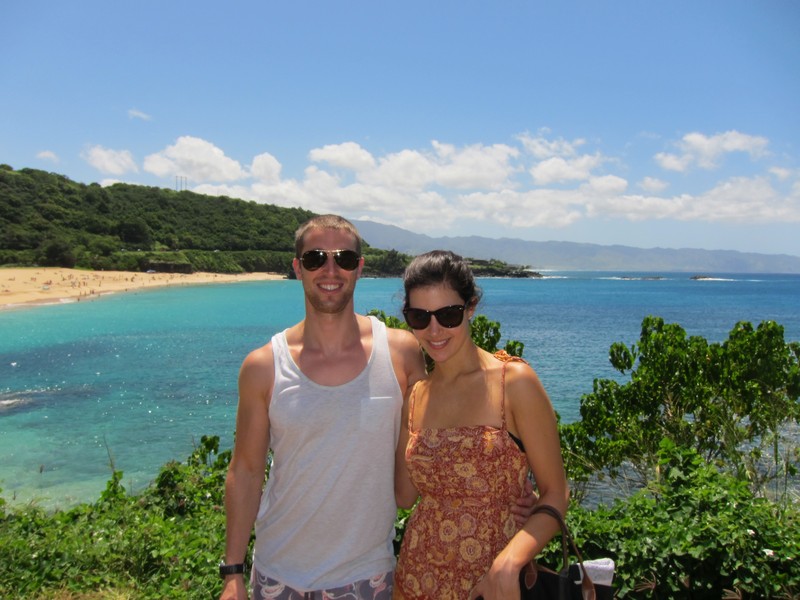
So, when Jen and I arrived together in 2011, we already felt a connection to the place. We travelled through Oahu, Kauai and Maui and quickly understood why people become so attached to it. On every trip since, I’ve found myself thinking I could happily live here.
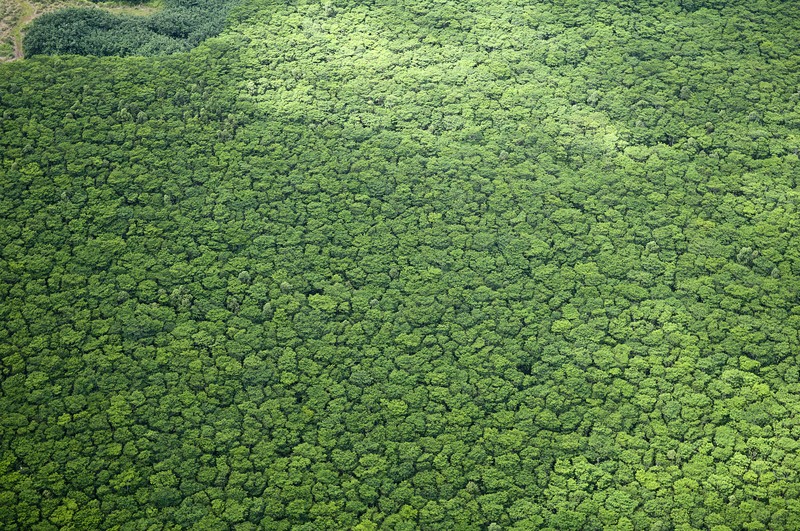
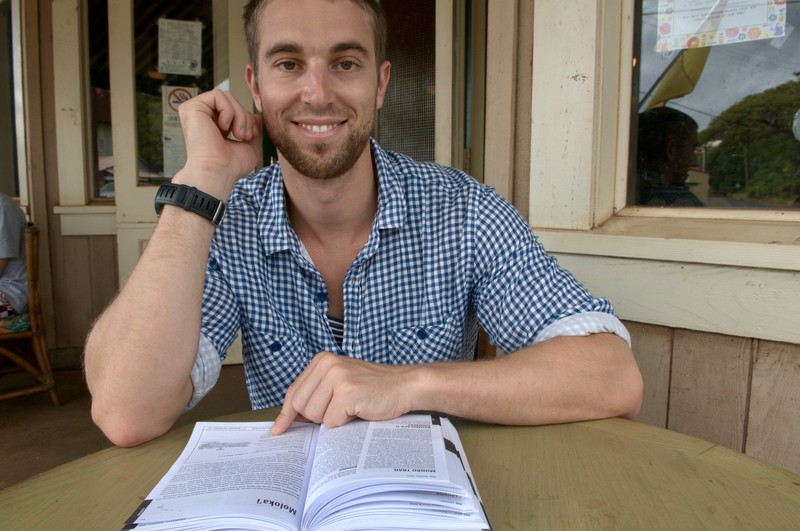
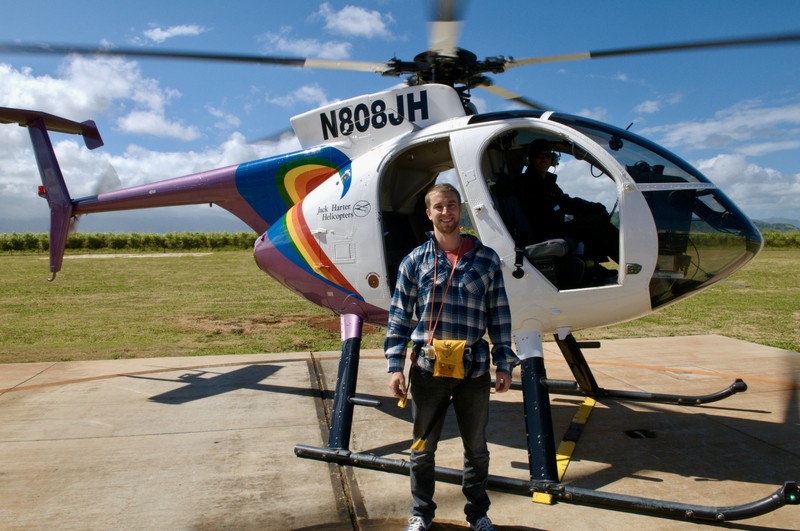
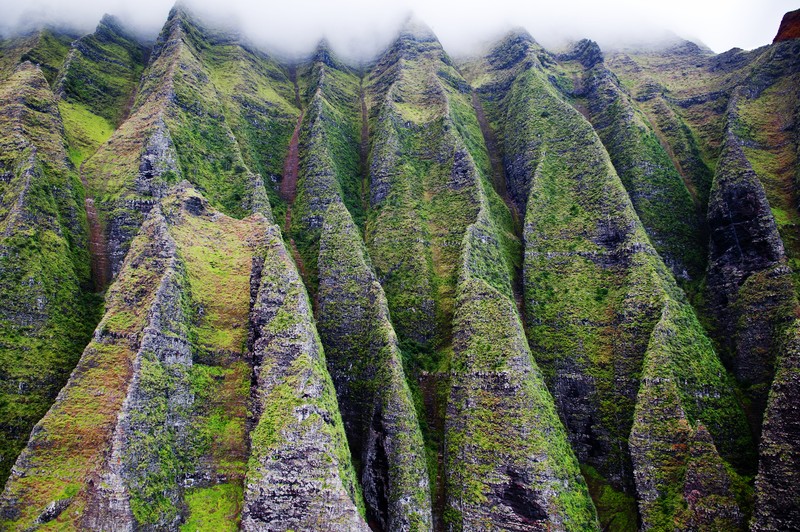
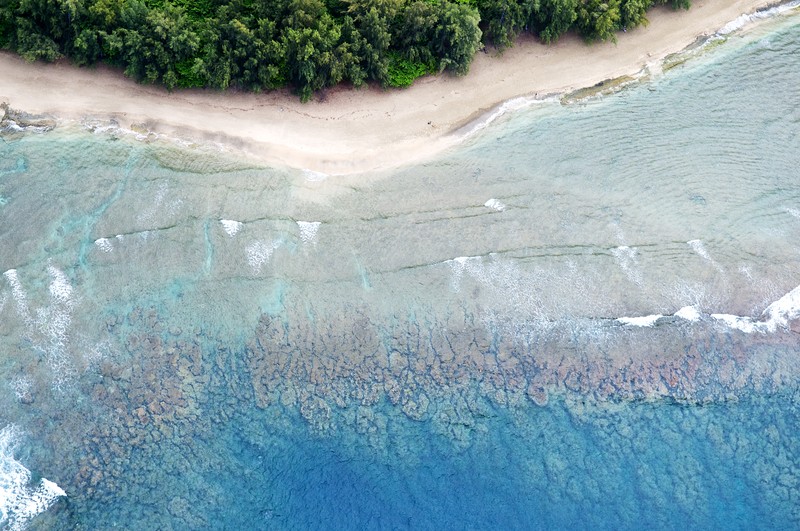
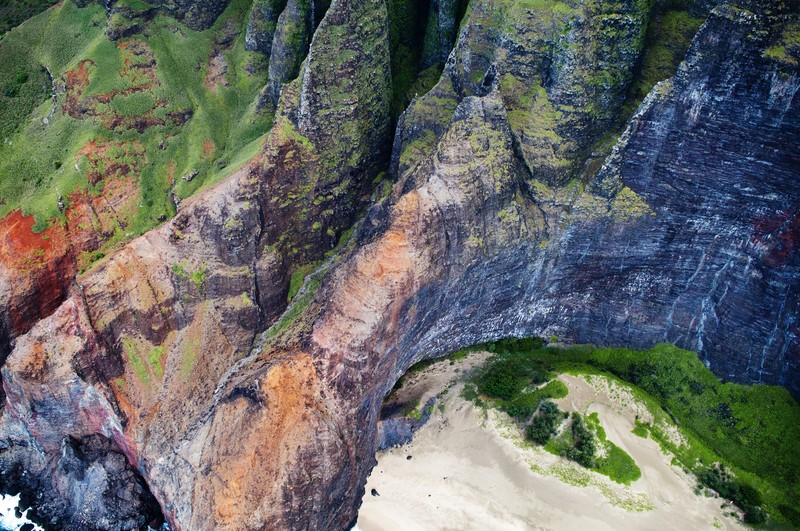
On Kauai I took my first open-door helicopter flight, flying in a Hughes 500 around the north of the island and across the remote and rugged Na Pali coastline. With no doors on the chopper and the air rushing through the cockpit, I later wrote that it felt like sitting in the abdomen of a giant mechanical insect. Below us were defiant mountains scarred from battles lost to the patience and power of erosion, with earthy reds, streaming blues and countless shades of green combining into patterns that became abstract from the air. I snapped hundreds of aerial photos, but they cannot capture the feeling of flying through that remote landscape. Something else from that trip has stayed with me: the hefty book I was reading. As Jen will attest, I’ve been recommending it relentlessly to anyone heading to Hawaii ever since, including to her on every return trip.
James A. Michener was famous for sprawling, meticulously researched historical fiction, and Hawaii is exactly that. It starts millions upon millions of years before people arrive, with the violent geological birth of the Hawaiian chain from the floor of the Pacific. The opening chapter unfurls in enormous passages of near-uninterrupted prose, tracing the emergence, growth, erosion and continual reshaping of islands over spans of time on which a human lifetime barely registers.
The book gave me a much richer sense of Hawaii: how the islands were formed, the fertility of the land and the epic ocean journeys of the Polynesians who navigated across the Pacific to reach and settle these remote islands. From there it moves through the arrival of missionaries and whalers, Chinese and Japanese plantation workers, the leprosy settlement on Molokai, the overthrow of the Hawaiian monarchy and, eventually, Pearl Harbor and the emergence of modern Hawaii. But it was also Michener’s way of writing about the earth that resonated with me. His landscapes feel alive; geological processes that normally seem static are suddenly in motion.
A few years later, when I wrote about a hiking trip to Mount Solitary in the Blue Mountains, I found myself trying to channel something similar: ancient sediments being compressed, geological pressure forcing rock upwards, sandstone bending, cracking and collapsing, magma pushing through the gaps, then wind, rain and gravity slowly carving everything back down again. I was obviously playing in a very different league to Michener, but I loved the idea of looking at a landscape on that timescale and trying, in my own way, to make geology move on the page.
Years later still, hiking through New Zealand’s Aoraki/Mount Cook National Park with mates Richie and Seb, those ideas came back. I kept saying that the earth felt alive. Landslides and unstable boulder fields made that movement visible everywhere.
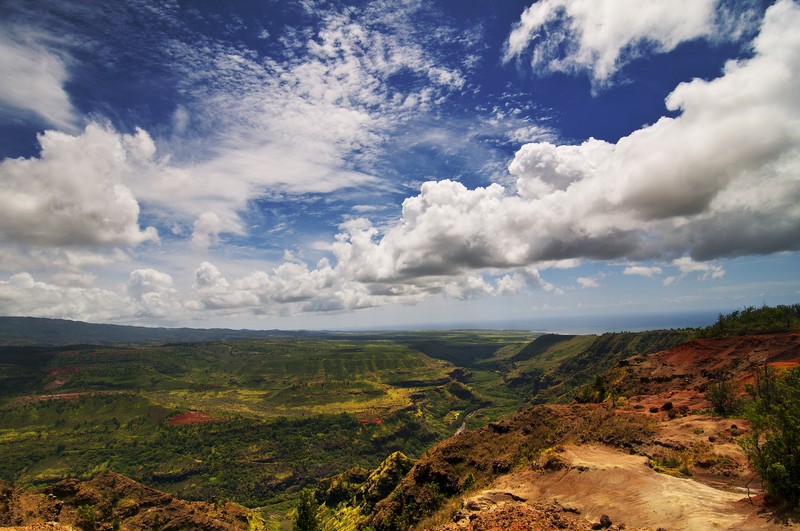
That improbable creation is part of what fascinates me about Hawaii too. These lush islands are tiny specks in the immense Pacific Ocean, thrust up from the ocean floor thousands of kilometres from continental shores, yet able to sustain rich ecosystems and civilisation.
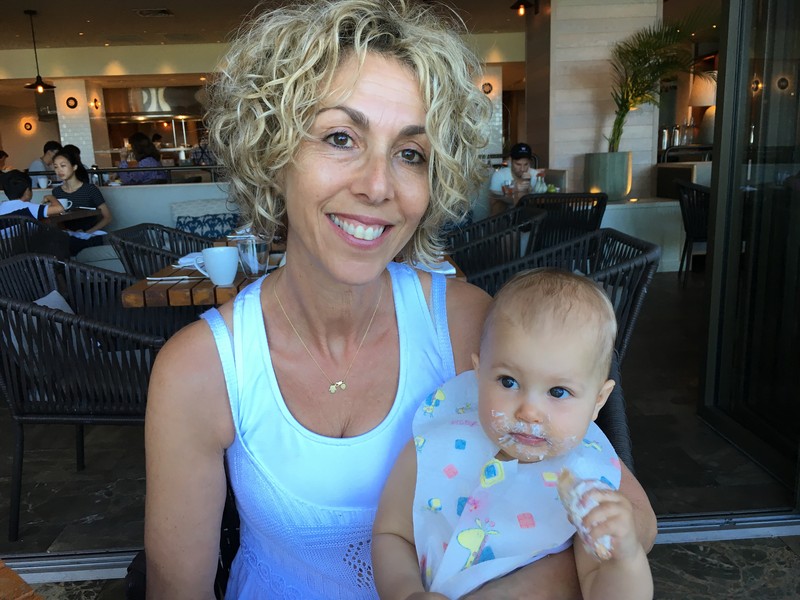
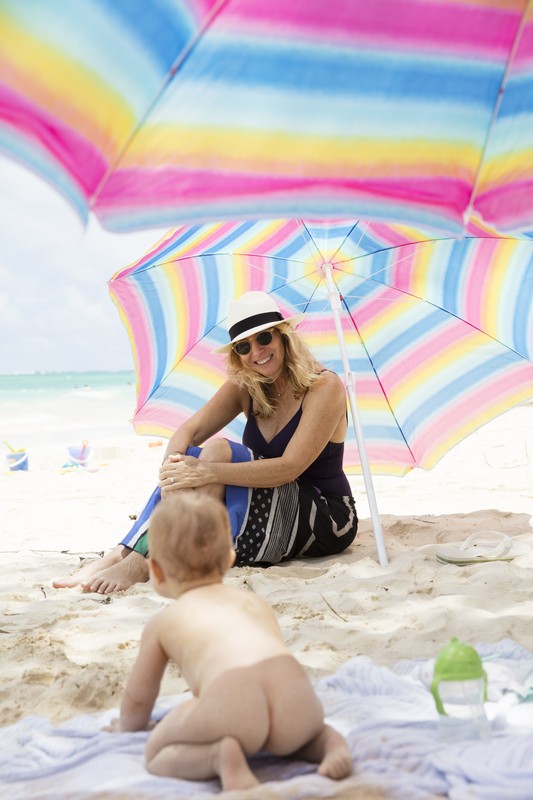
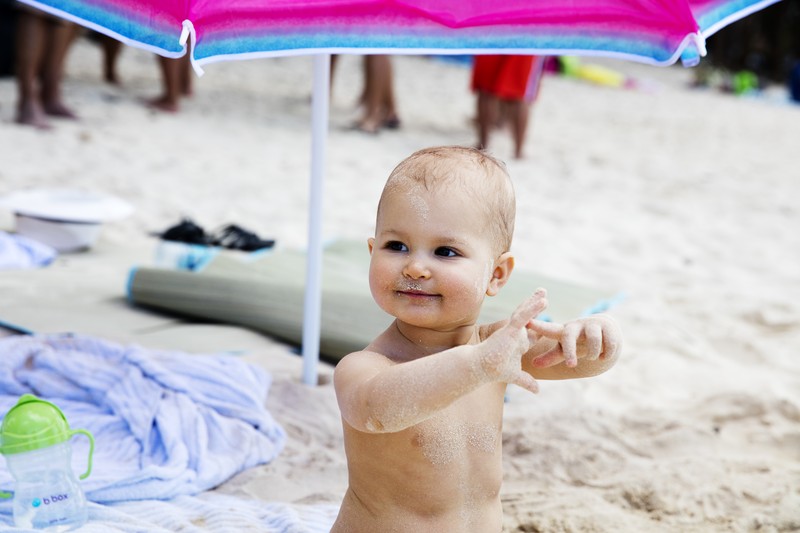
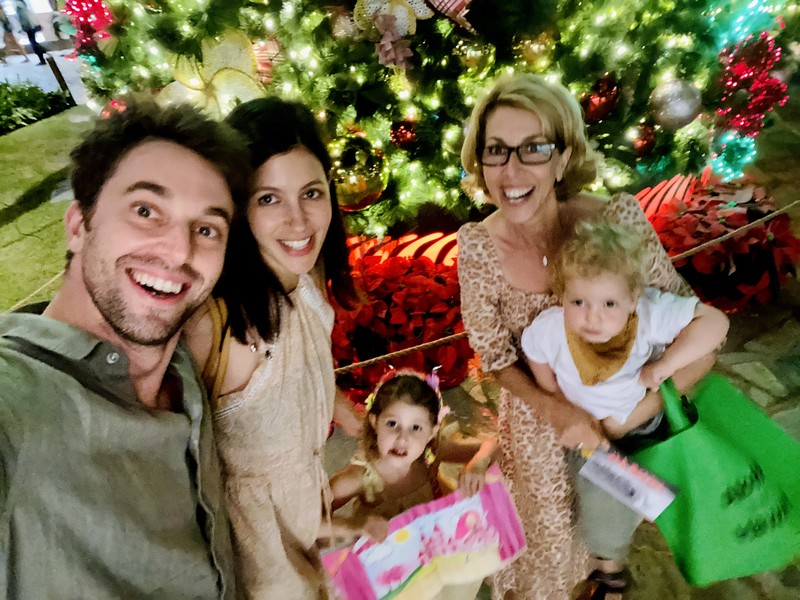
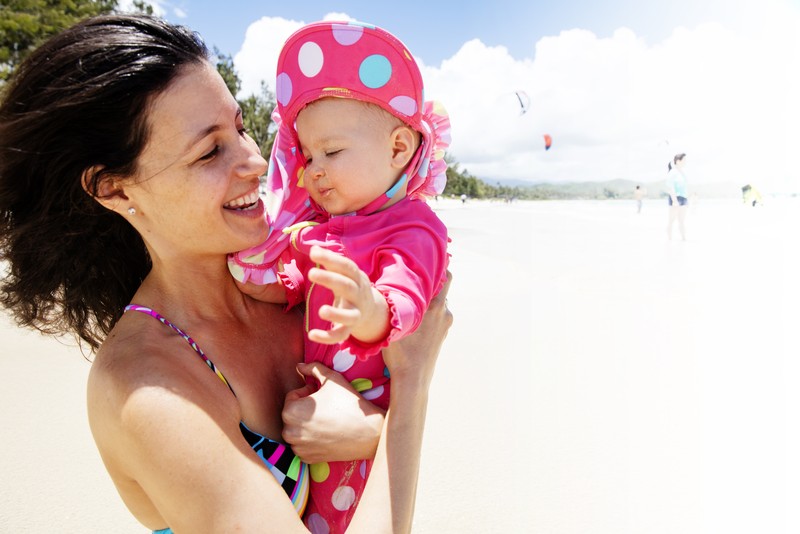
In 2016 we returned with Leyla, then around nine months old, joined by Jen’s parents, Merle and Jonny, and my mum, Sara. In 2019 we returned as a family of four, Eden now around 18 months old, with Mum joining us for half the trip. In 2023 we came back with our good friends Seb and Terri Ruiz and their girls Emma and Cami. Then in 2025 we returned again to celebrate Jen’s 40th birthday and finally met Arie’s daughter, Jennifer, and some of her children, adding another family connection to a place we had already come to know so well.
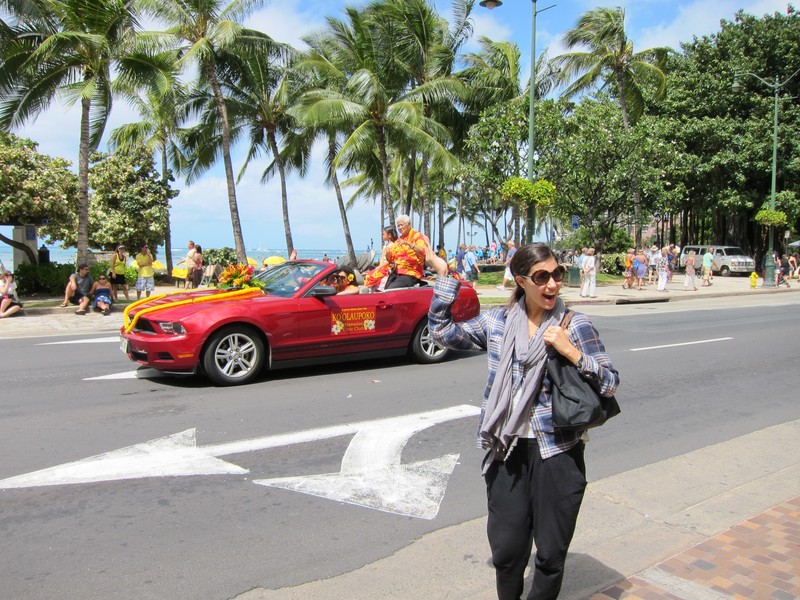
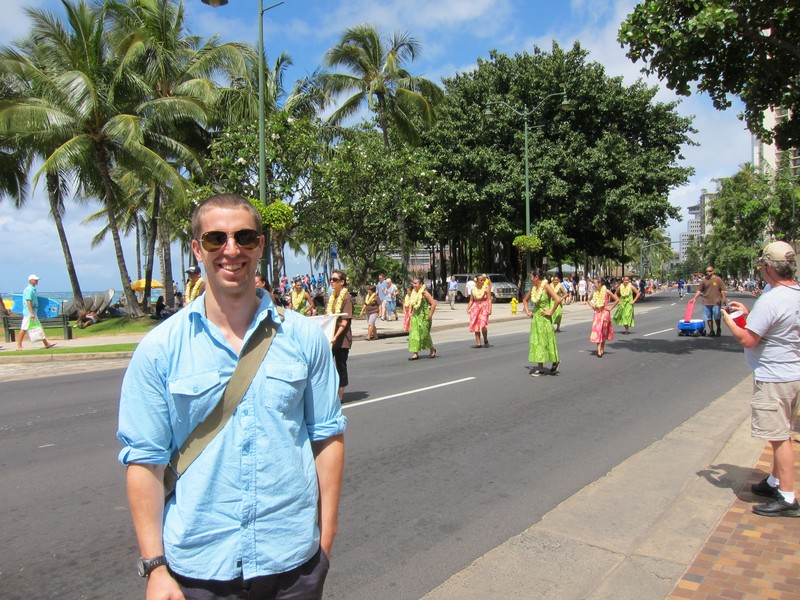
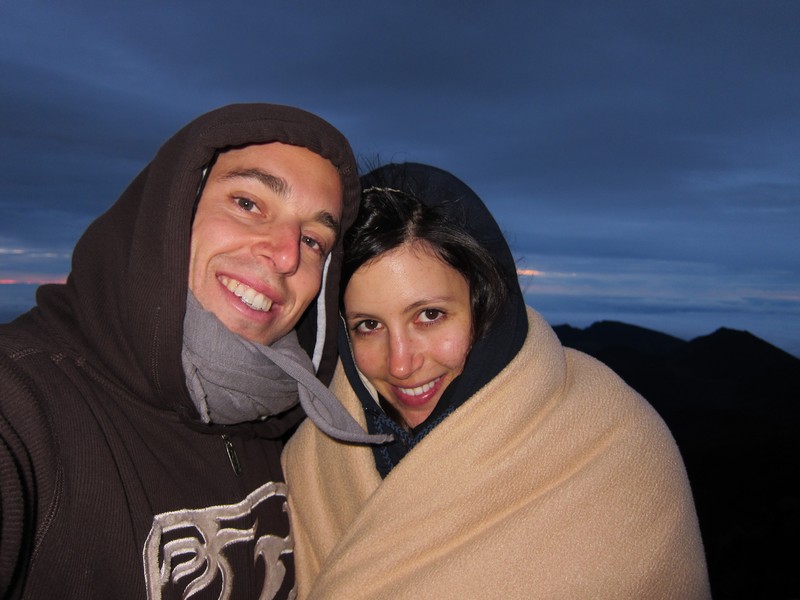
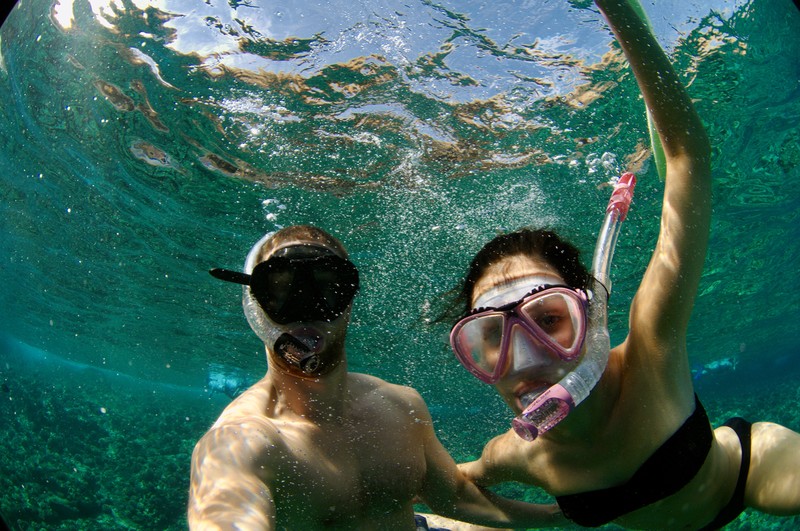
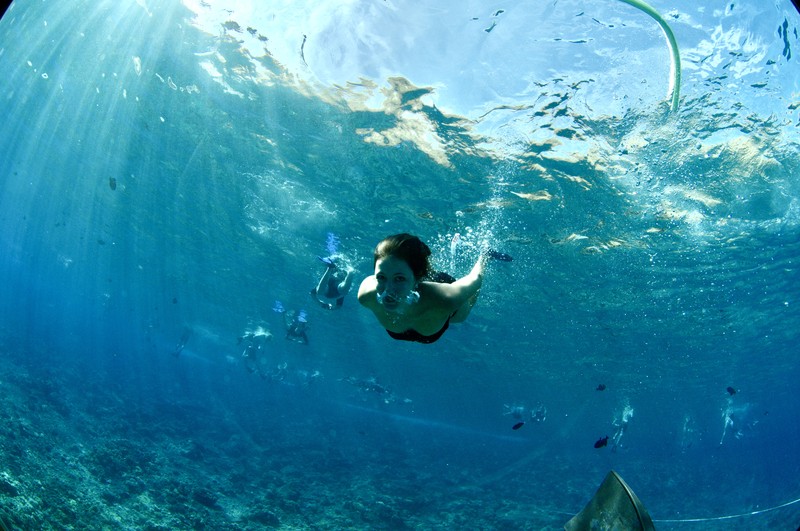
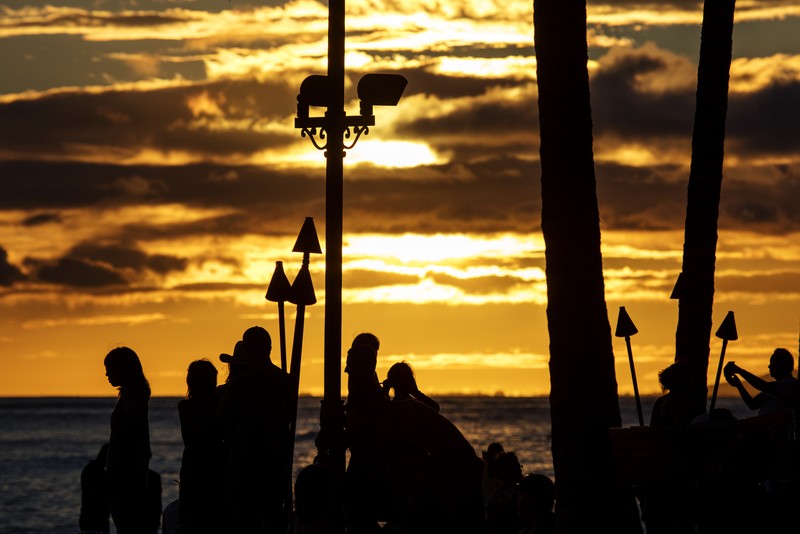
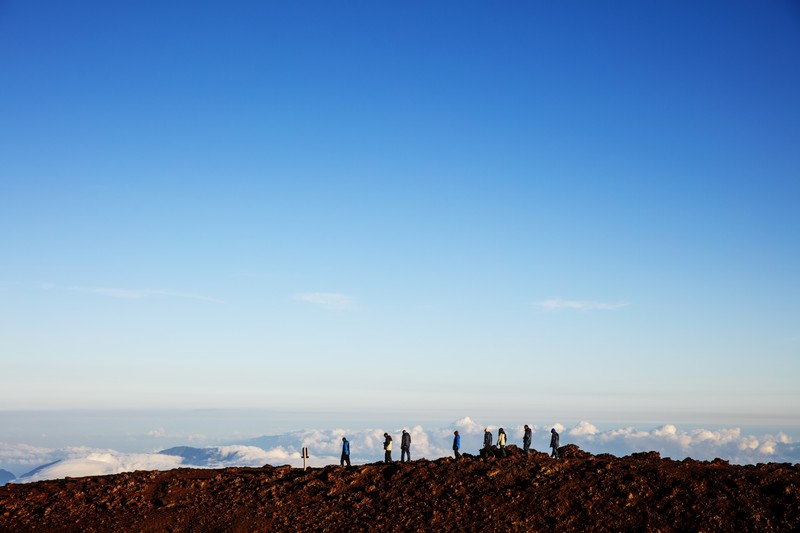
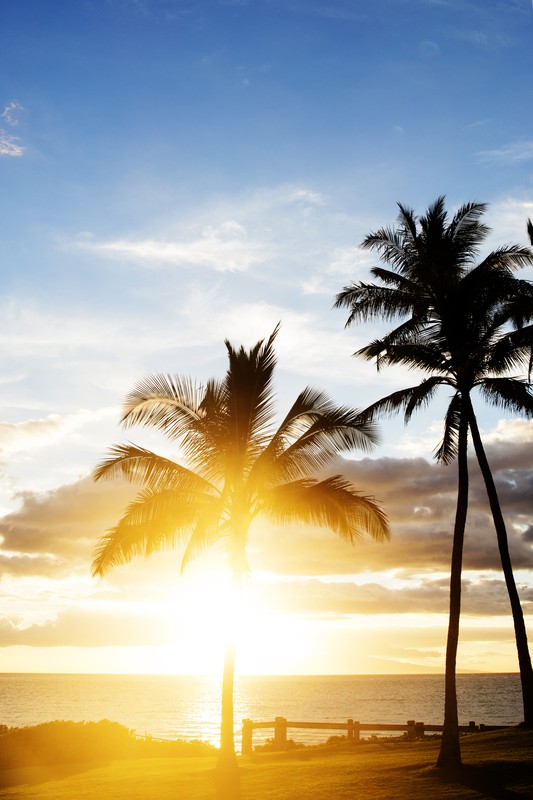
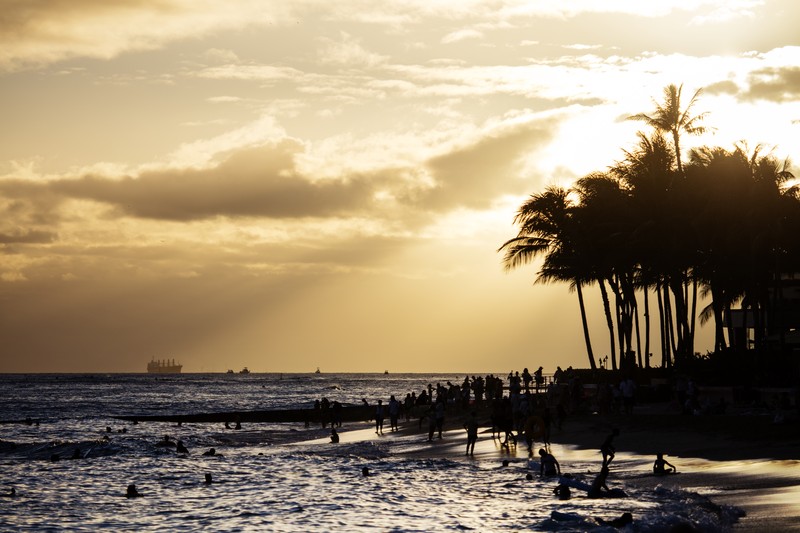
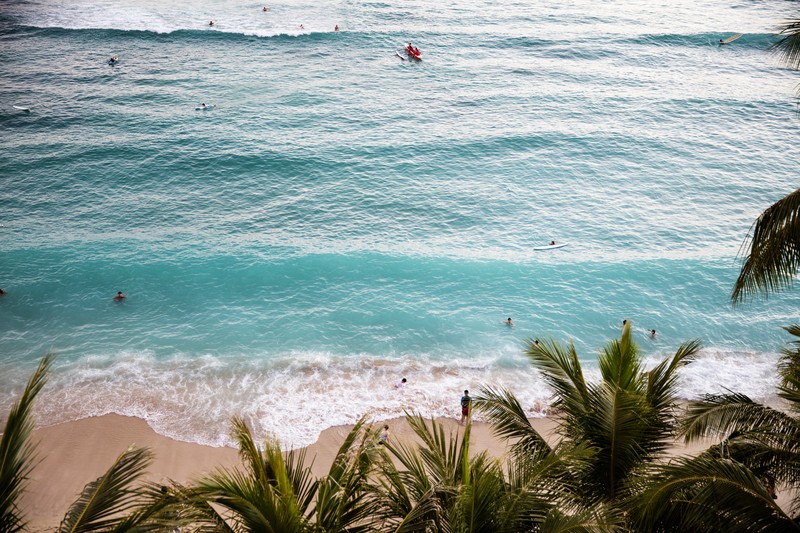
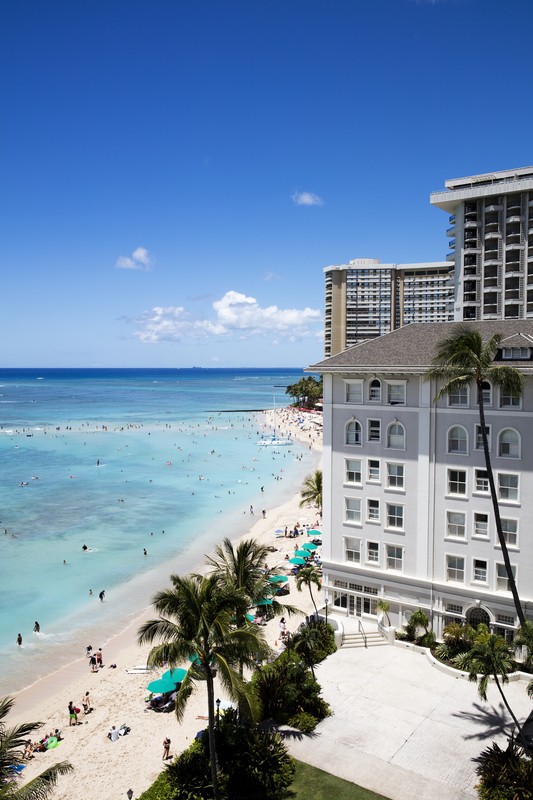
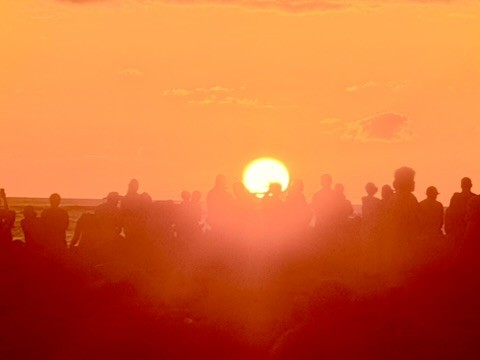
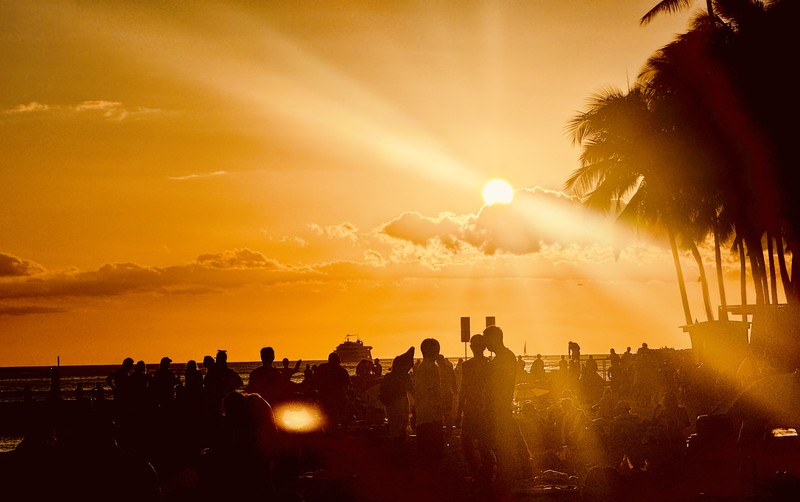
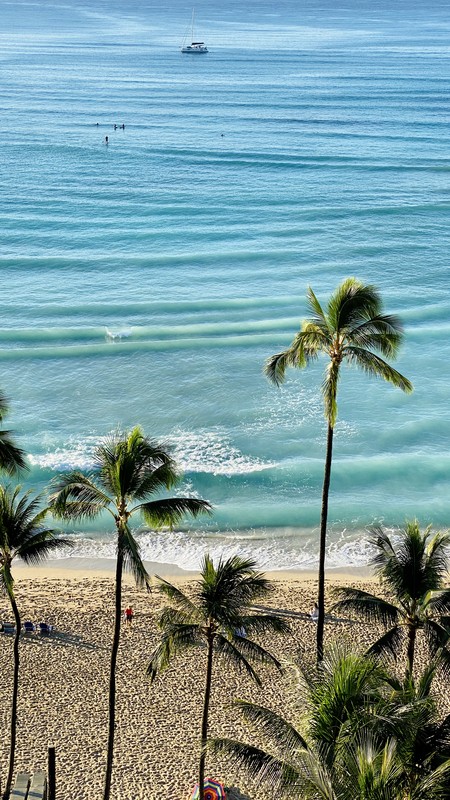
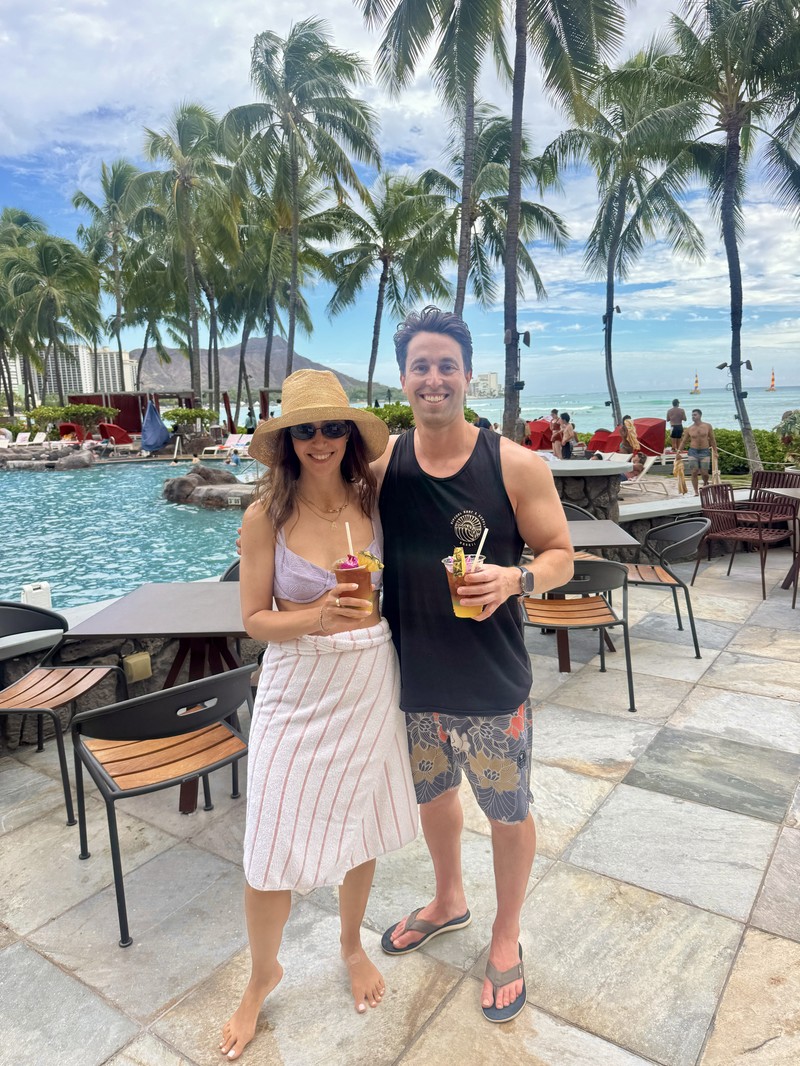
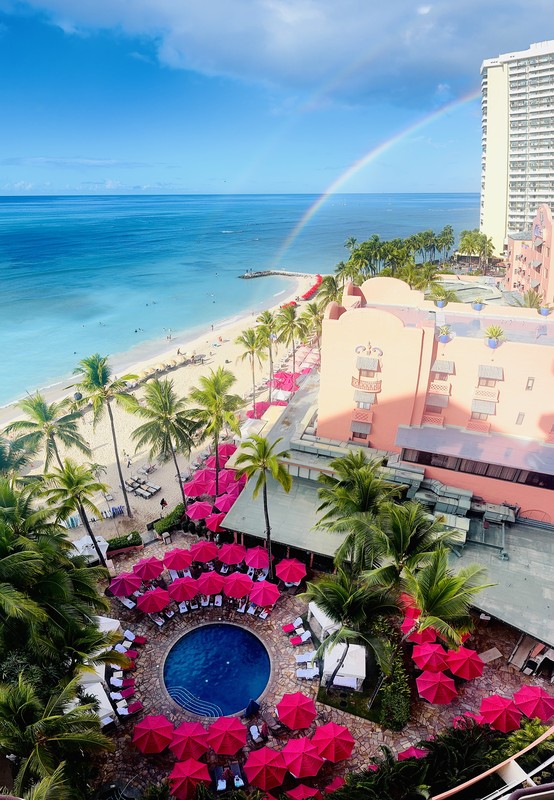
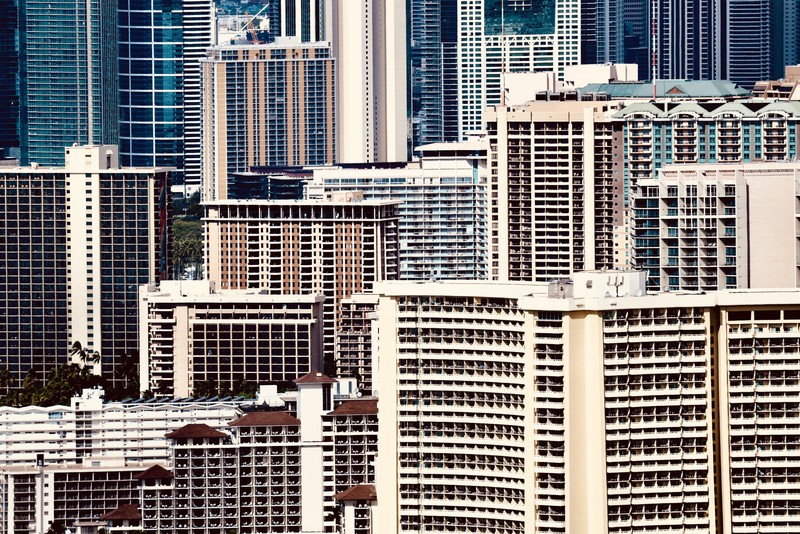
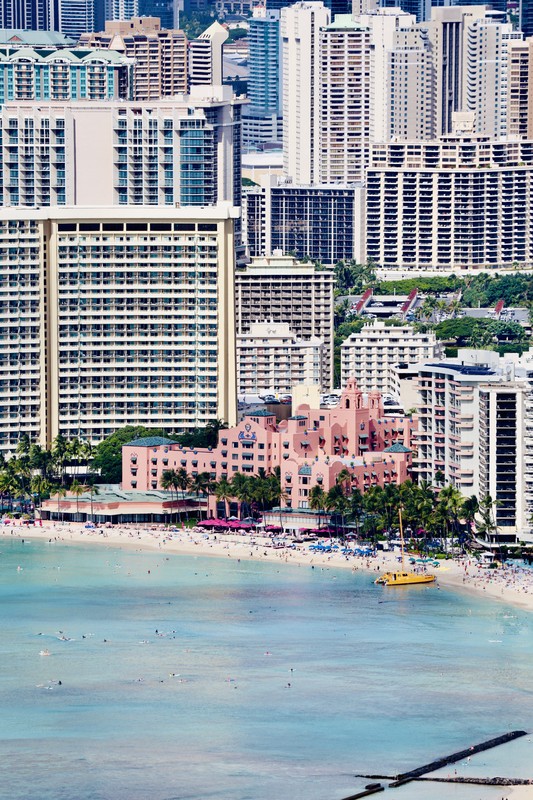
Across those trips so many different things stand out: cruising Waikiki’s long, gentle breaks on longboards; stand-up paddleboarding with turtles gliding beneath the clear water; the Road to Hana in an oversized American truck; watching Haleakalā’s moonscape emerge as the sun rose; snorkelling from a boat off Maui with Jen in clear blue water (the fainting episode afterwards, less fun); driving around Oahu in Jeeps and Mustangs; Diamond Head hikes; Kailua and the white sands of the windward side; food trucks and sleepy towns on the North Shore; walking through verdant Waimea Valley; the obligatory Cheesecake Factory, by now a Waikiki institution and a must-do; cocktails, salt air and Pacific sunsets. In Waikiki, I love the way the old hotels, lawns and verandahs seamlessly spill out onto the sand and milky-blue water, even with the high-rises, luxury shops and commercial excess crowded in behind them.
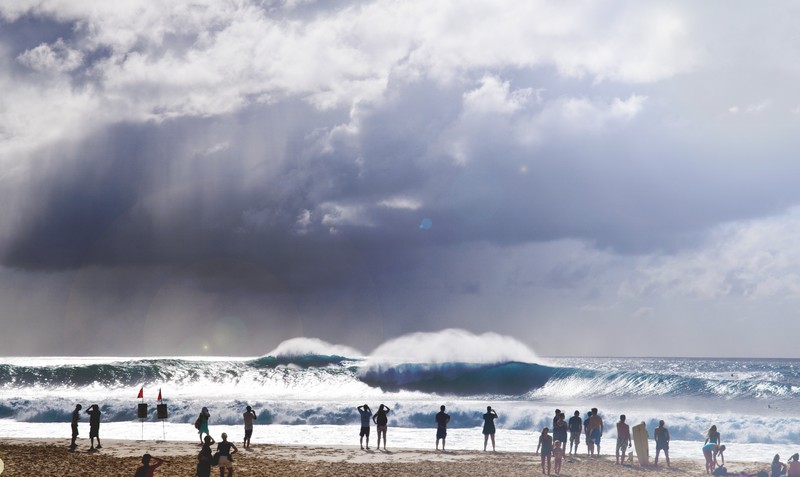
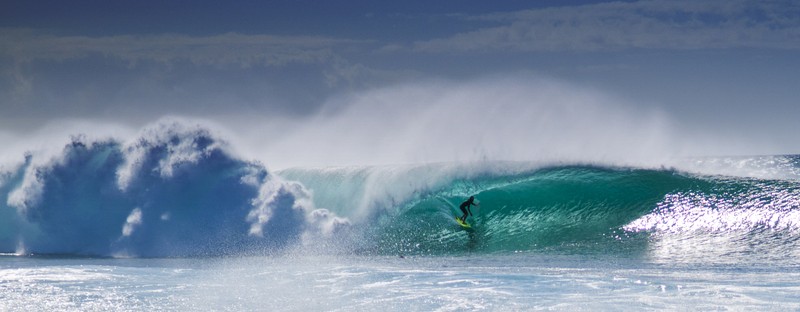
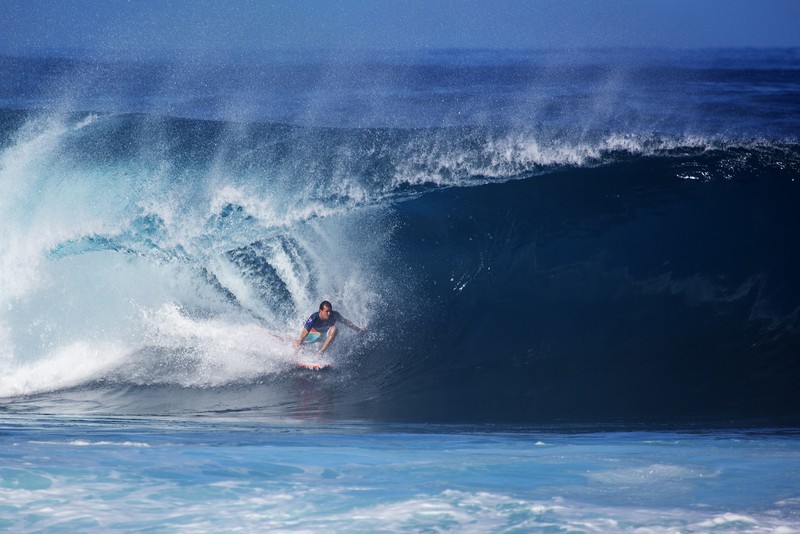
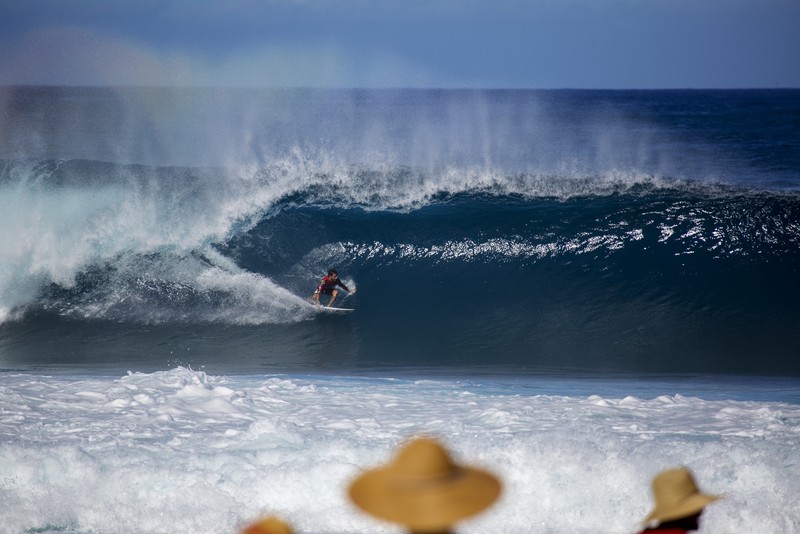
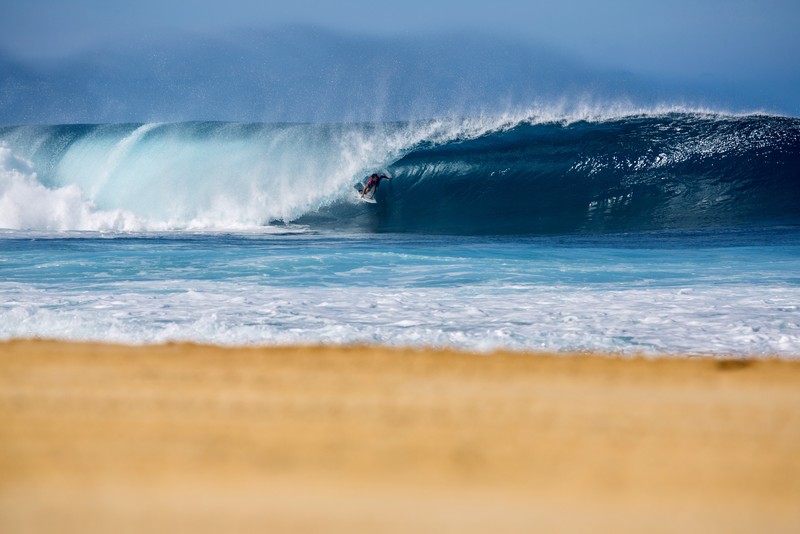
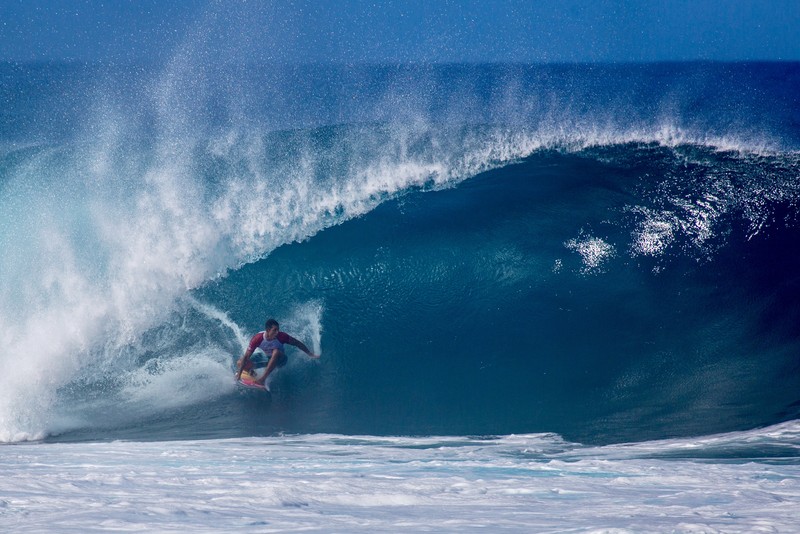
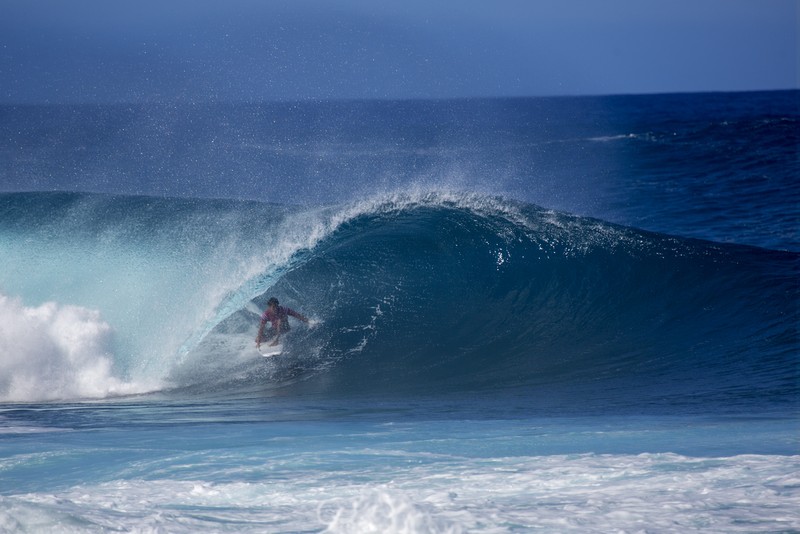
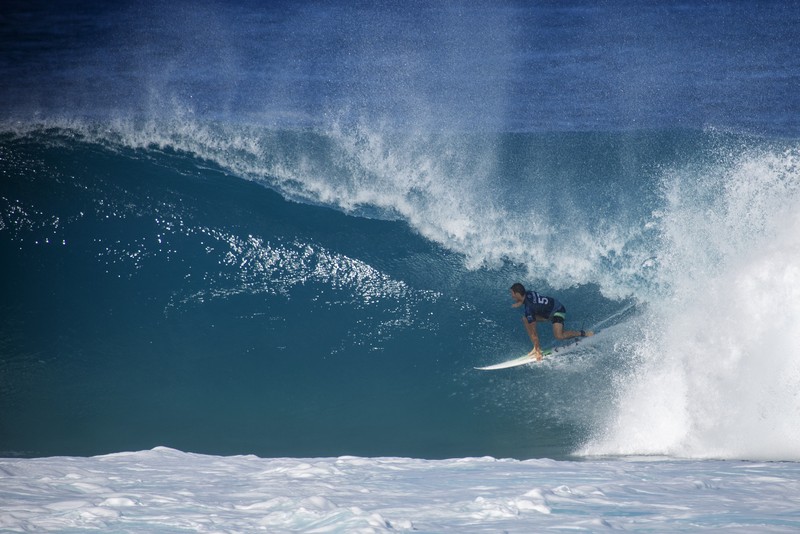
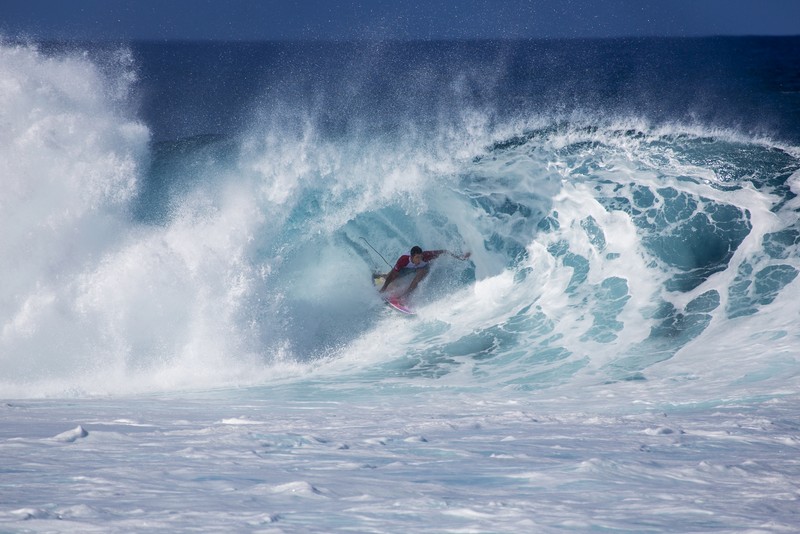
And, of course, the surf. On our 2019 trip we got lucky: a competition was underway on the North Shore and, for the first time, we saw Pipeline put on a show. Kelly Slater was there along with a host of other big-name surfers, and watching the pros take on waves of that size gave the whole thing scale and suspense.
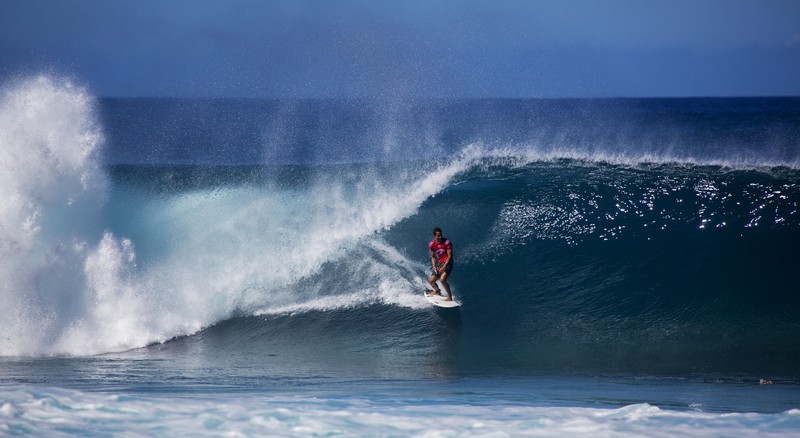
The surf was colossal. Sets marched in from the Pacific and detonated on the reef, throwing plumes of spray into the air and sending shudders through the sand beneath our feet. I had watched Pipeline for years flattened onto a screen, but seeing and feeling its raw power from the beach was something else entirely. It was my first real encounter with surf of that size, and I got to share it with Jen, Leyla and Eden.
Of course, we see Hawaii through the privileged lens of travellers on holiday, temporarily freed from work and ordinary responsibilities. The view is inevitably rose-tinted. But after five trips spanning more than a decade, we still find it hard to resist.
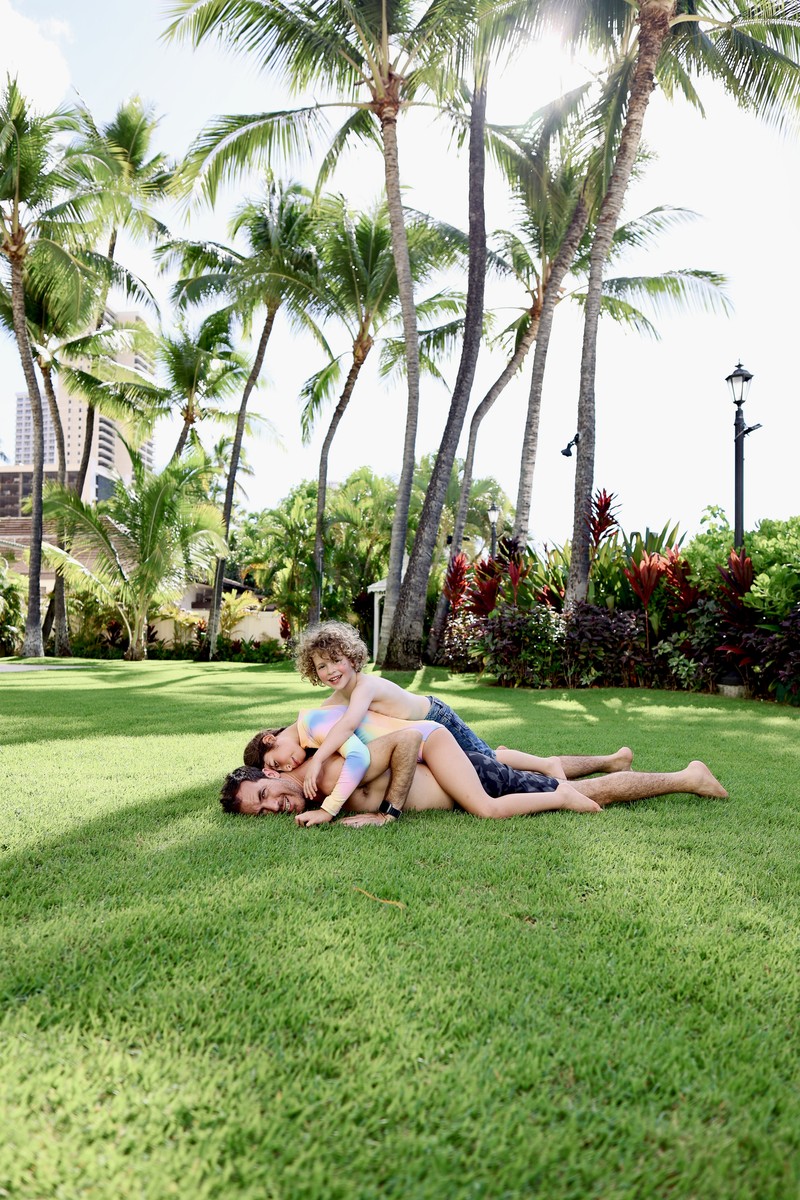
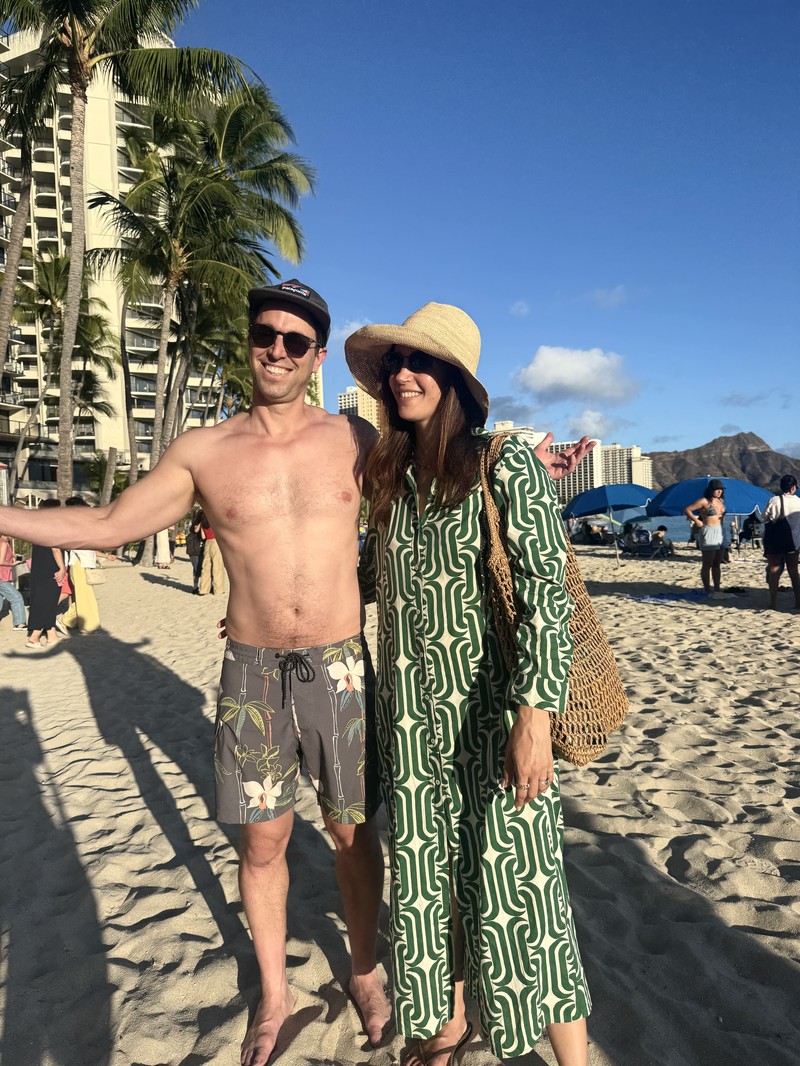
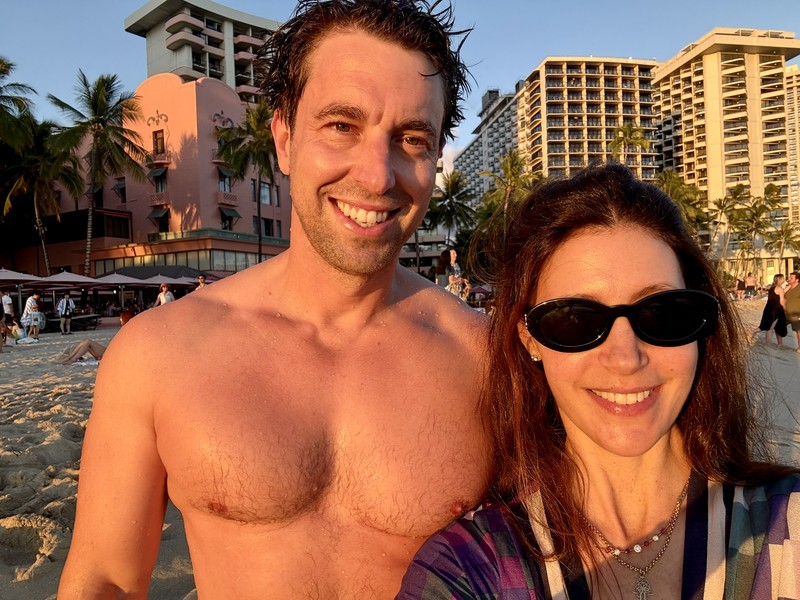
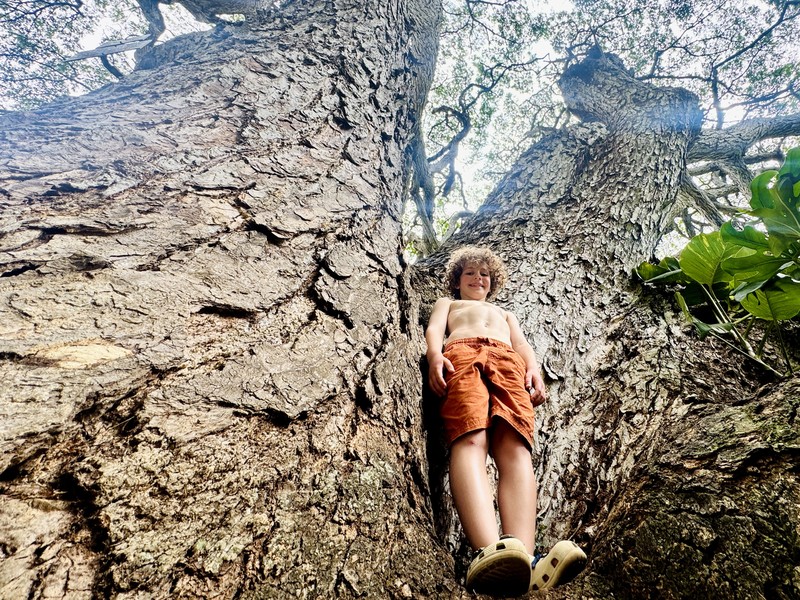
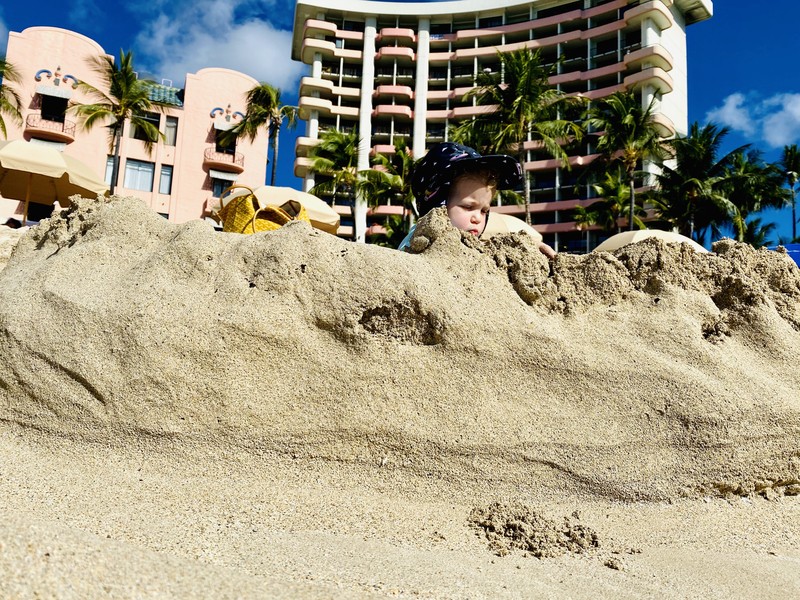
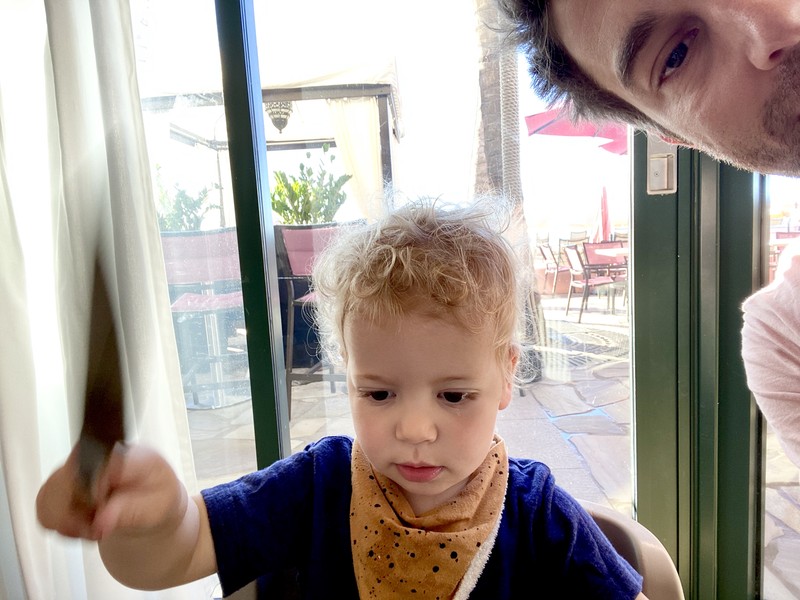
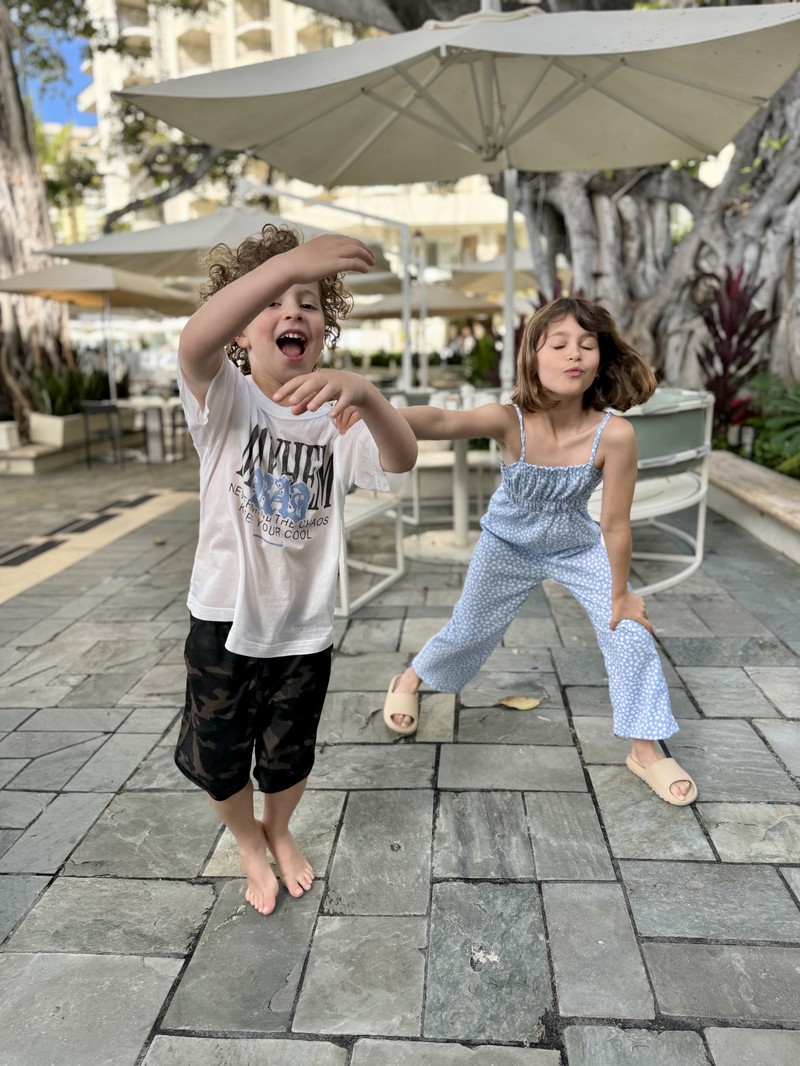
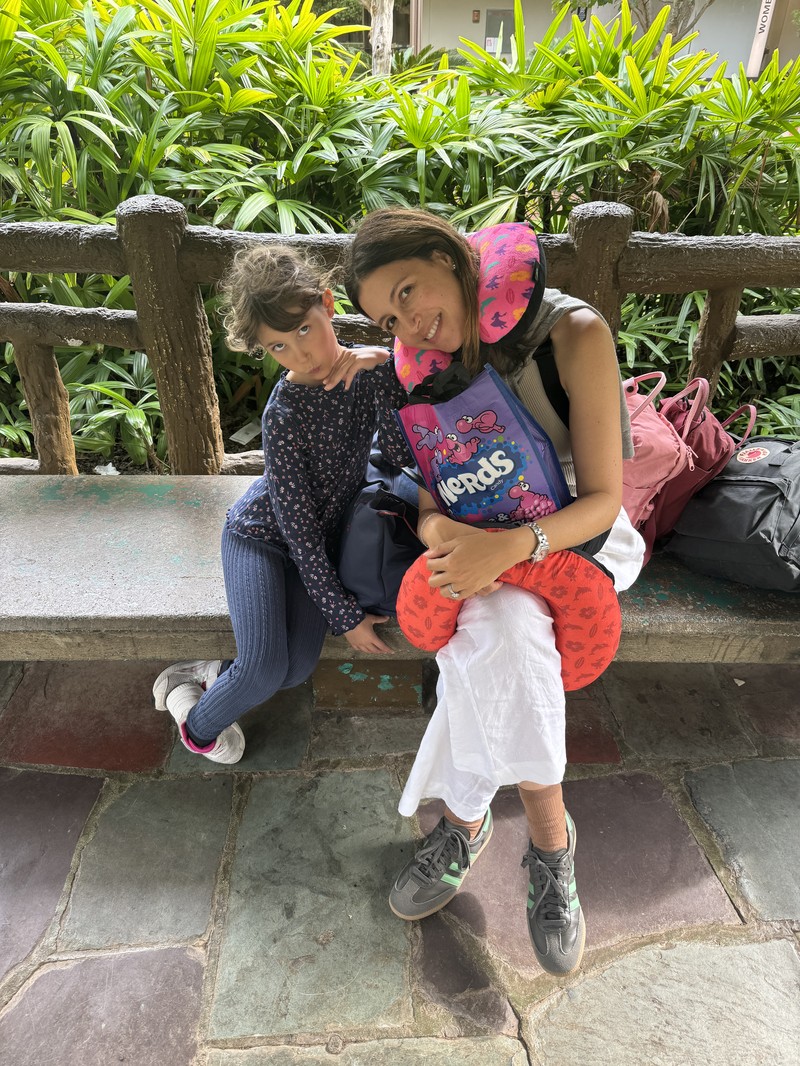
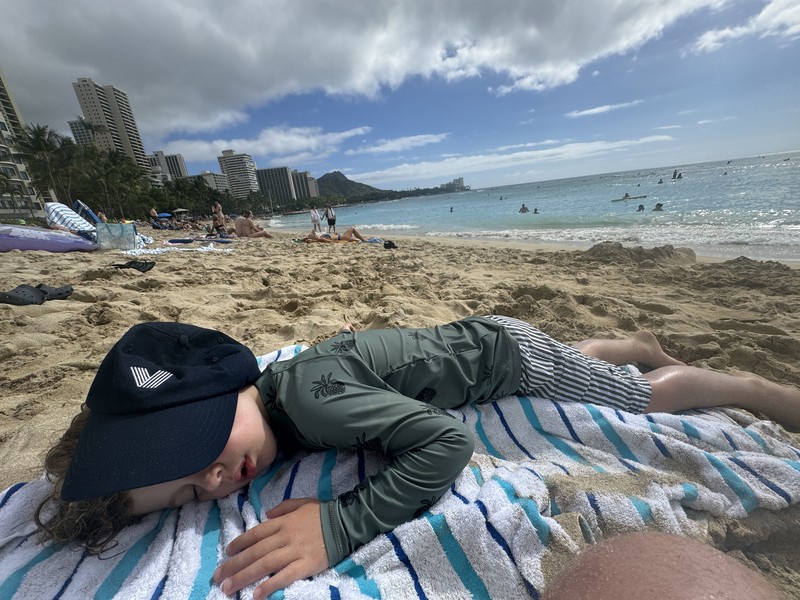
Our 2023 trip starts at the Moana Surfrider, where its famous old banyan tree spreads across the courtyard, aerial roots hanging down beneath its branches. We arrive jet-lagged like zombies and spend the first day trying to remember how to function as human beings. Overpriced coffee helps, as does getting down to the beach and letting the sea breeze and warm water reset the body clock.
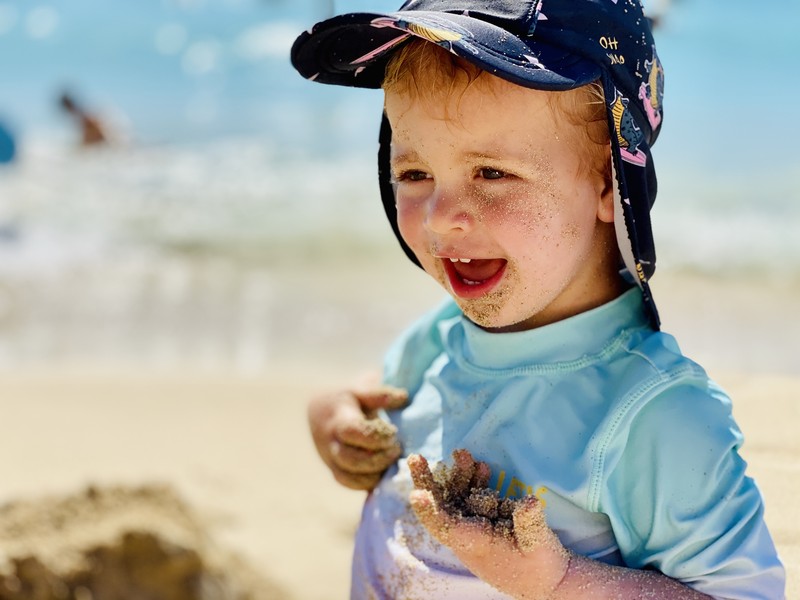
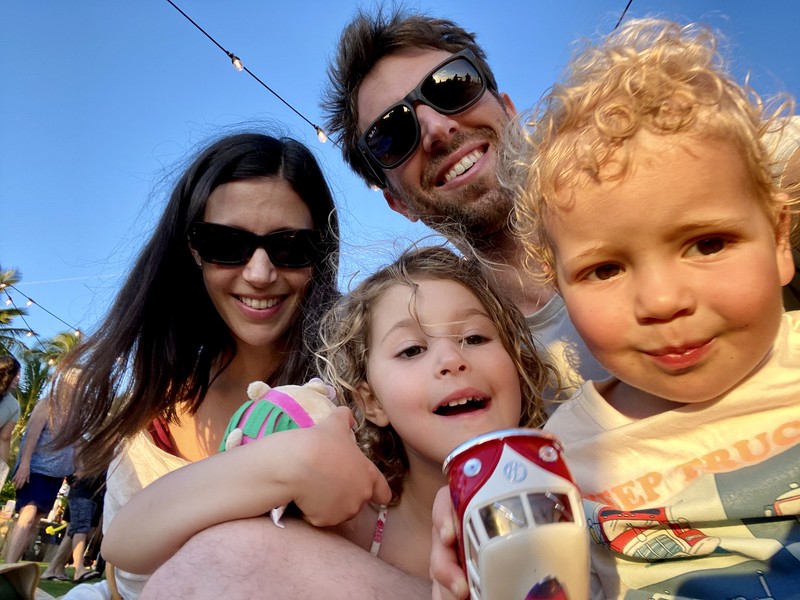
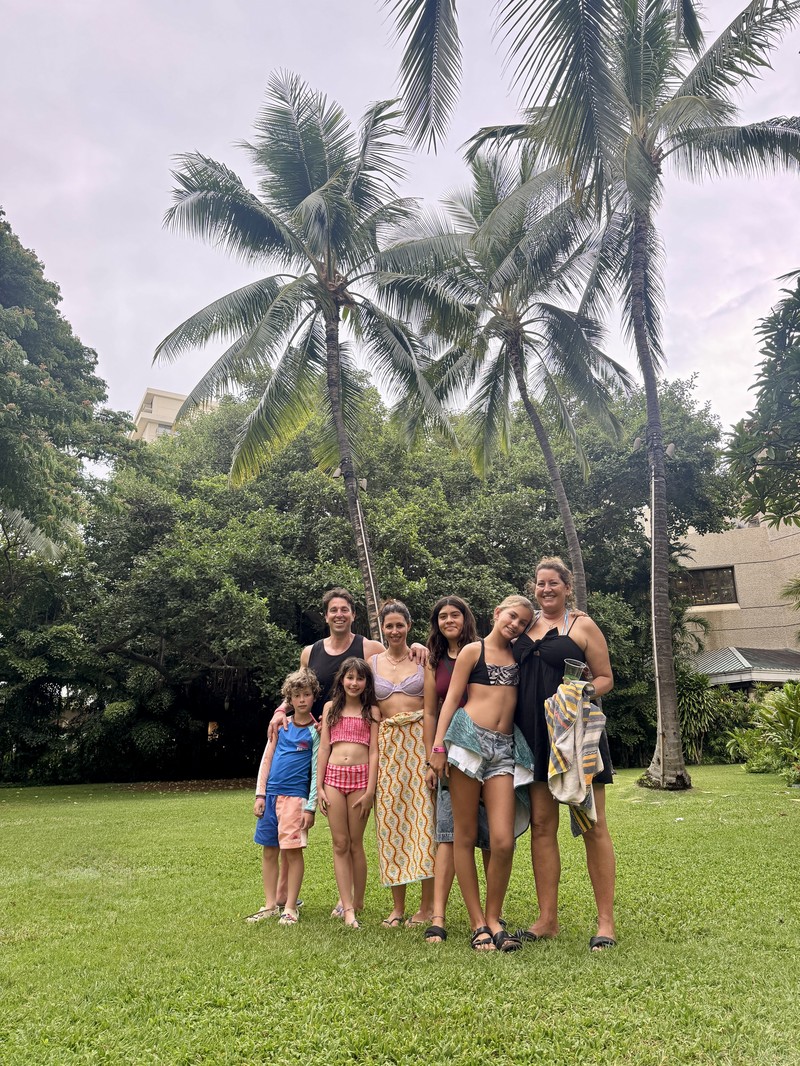
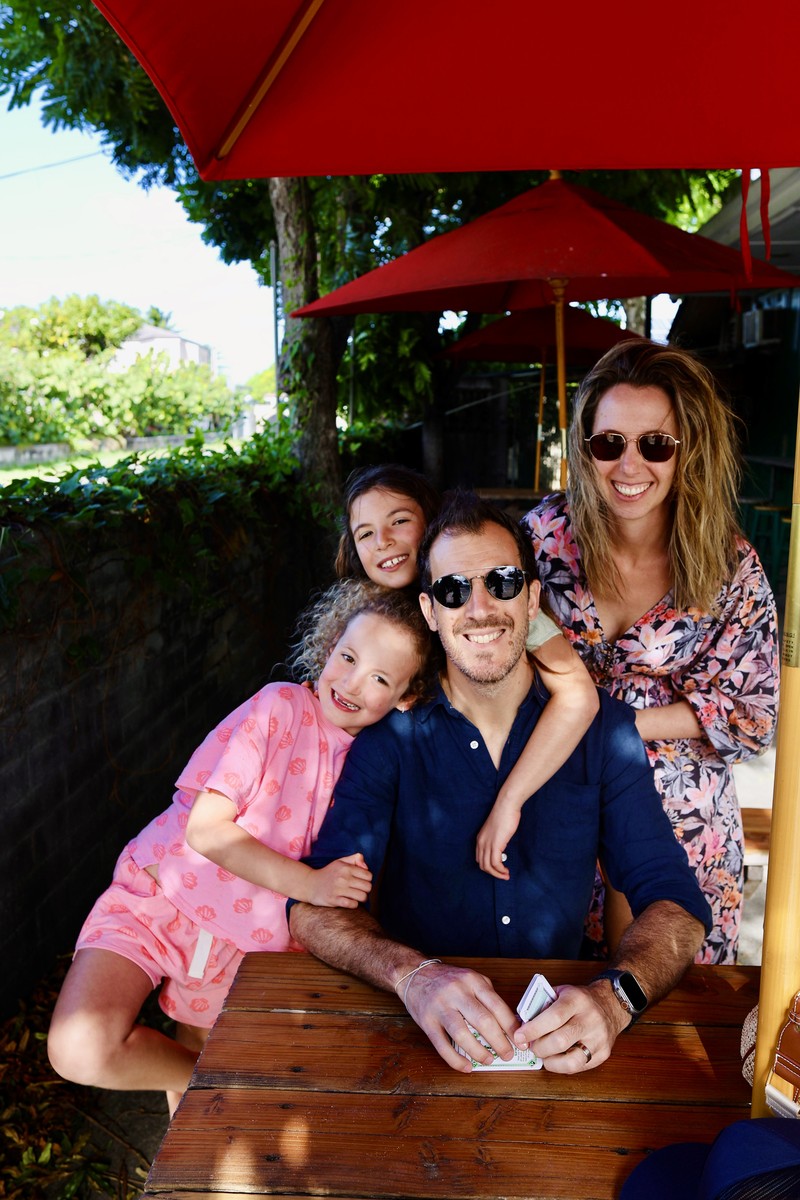
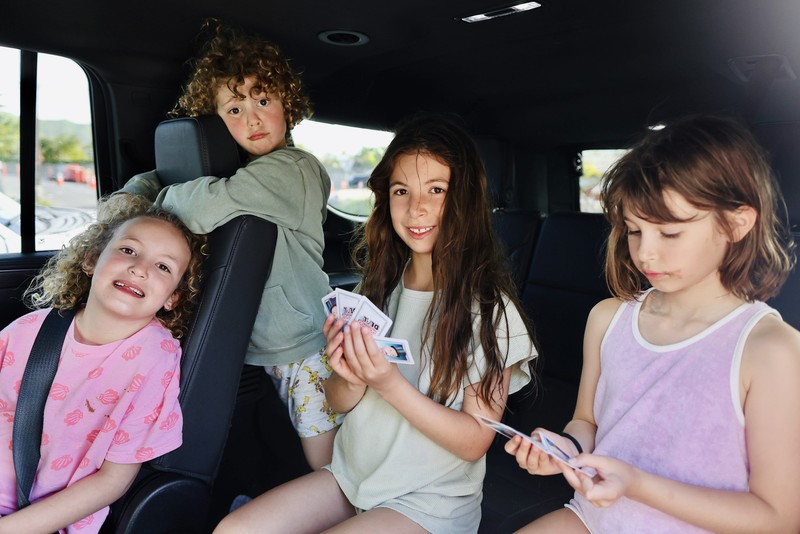
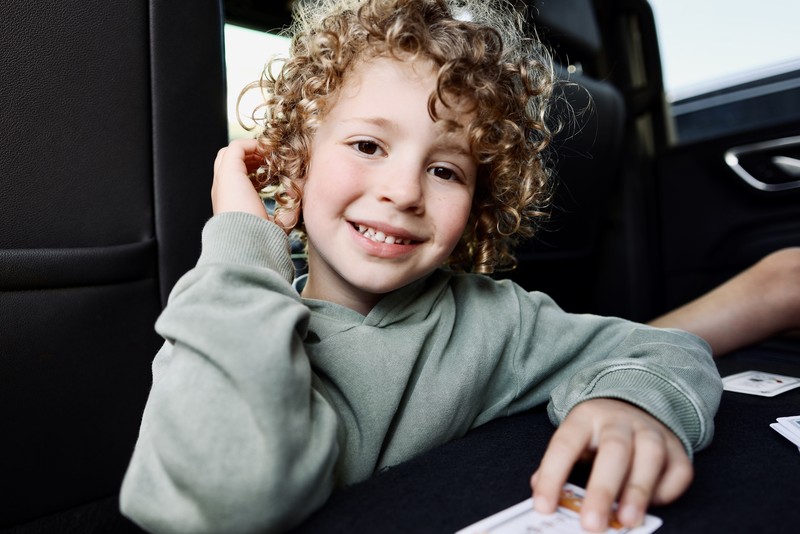
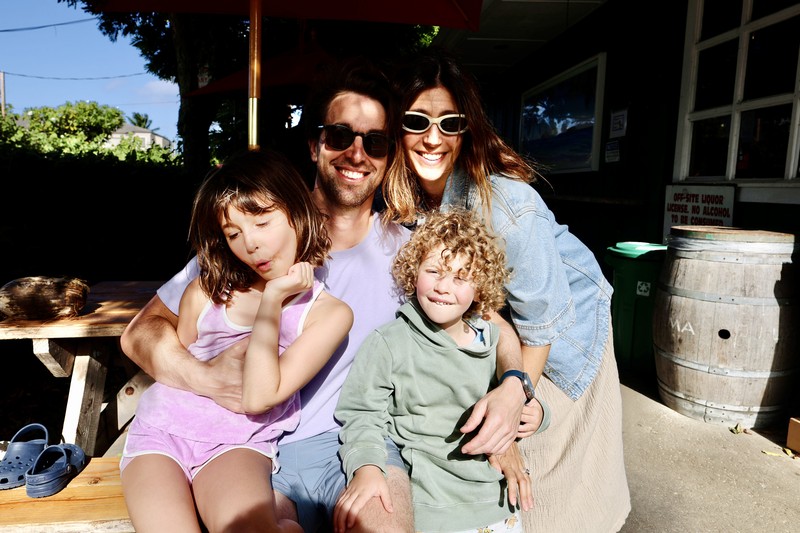
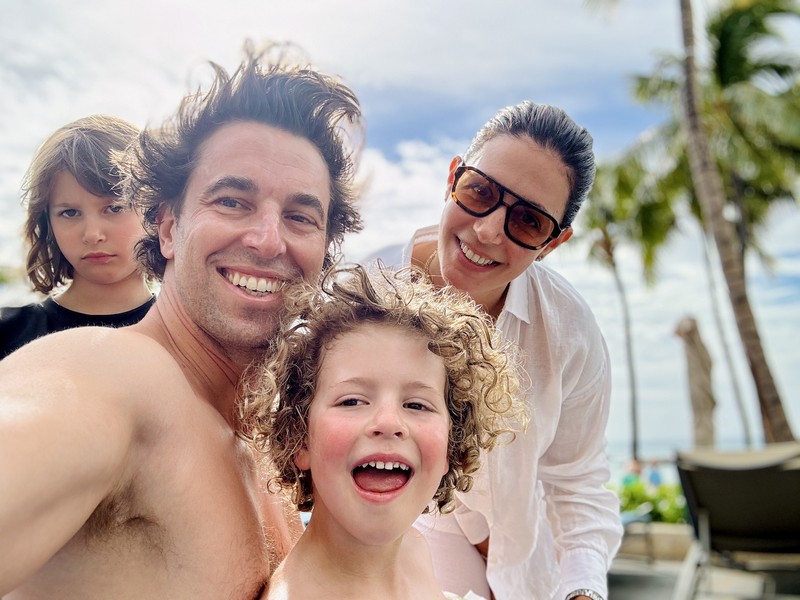
We are travelling with Seb and Terri Ruiz and their girls Emma and Cami. We had travelled together to Byron Bay during COVID, and it was great to do it again, this time across the International Date Line. The kids had each other and we quickly settled into the rhythm of a holiday with good friends, with games of Monopoly Deal, introduced by the Ruiz family, filling the in-between moments and becoming a favourite at home long after the trip.
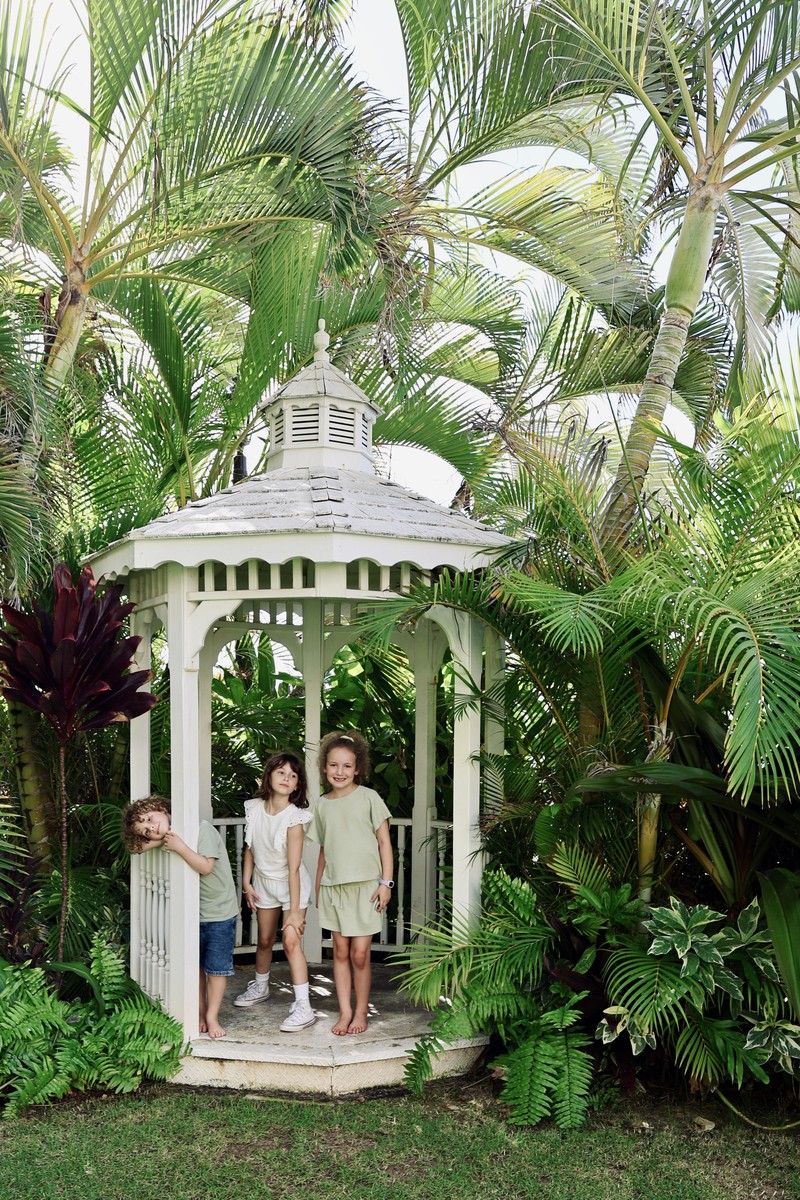
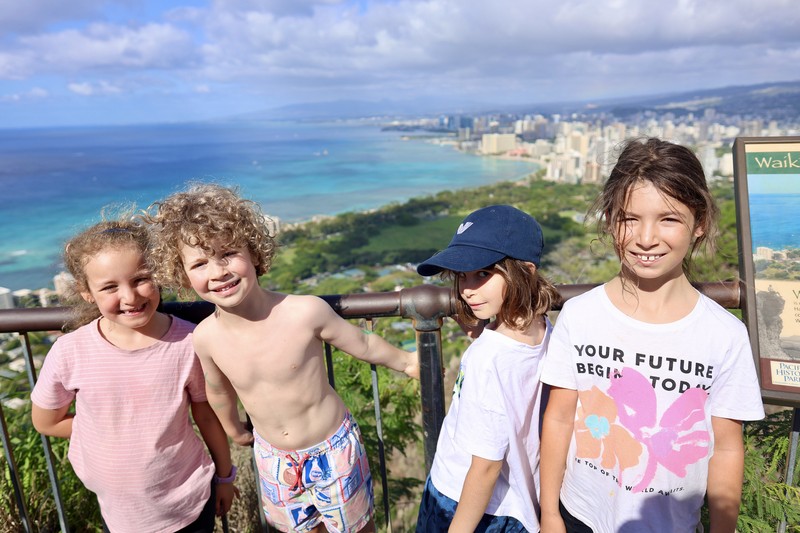
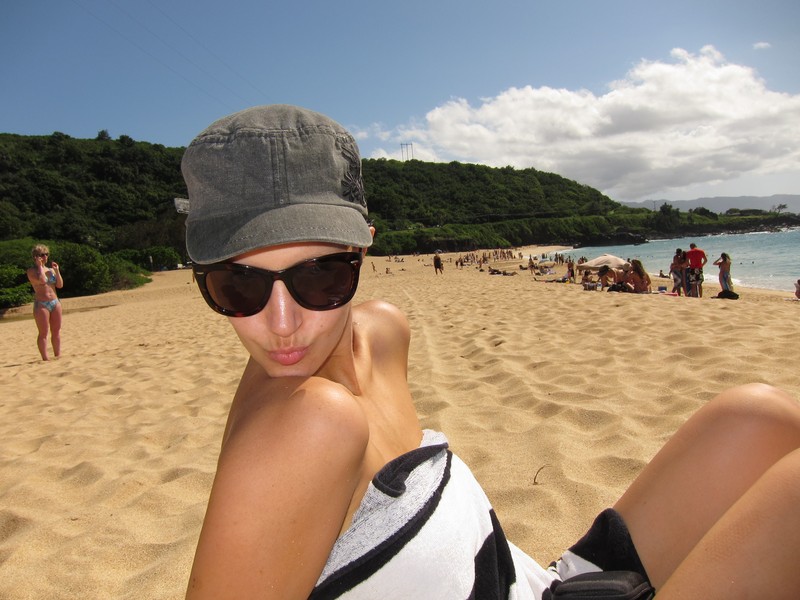
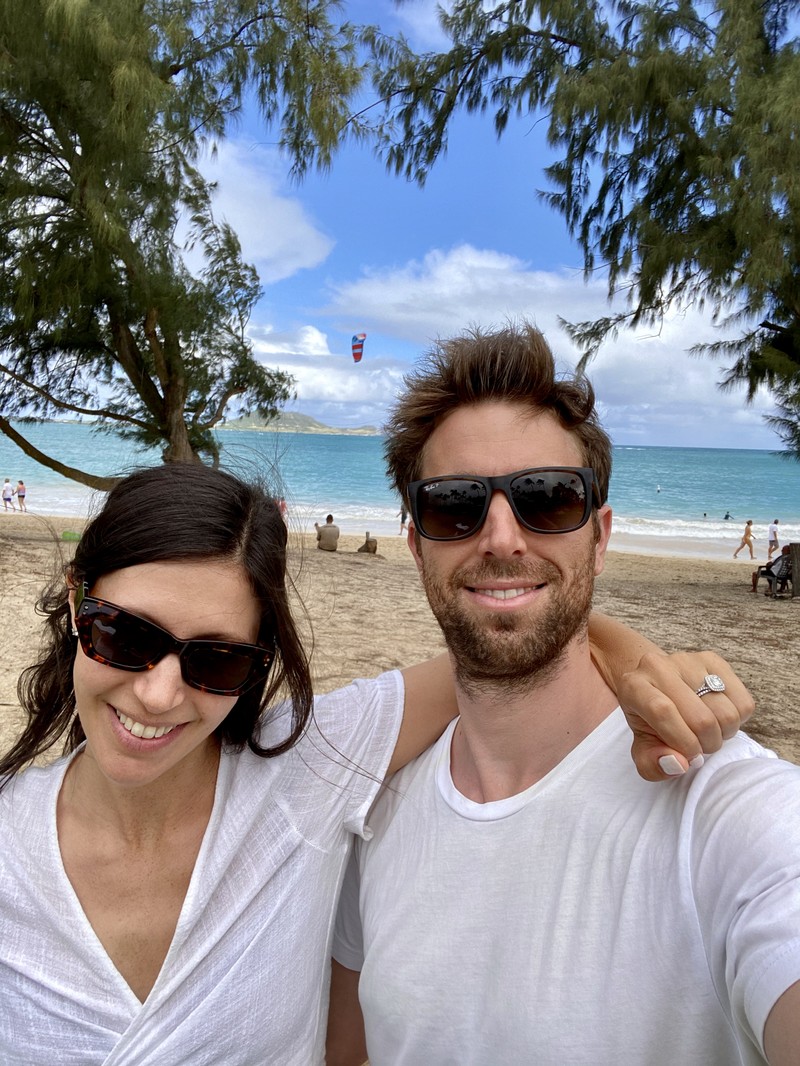
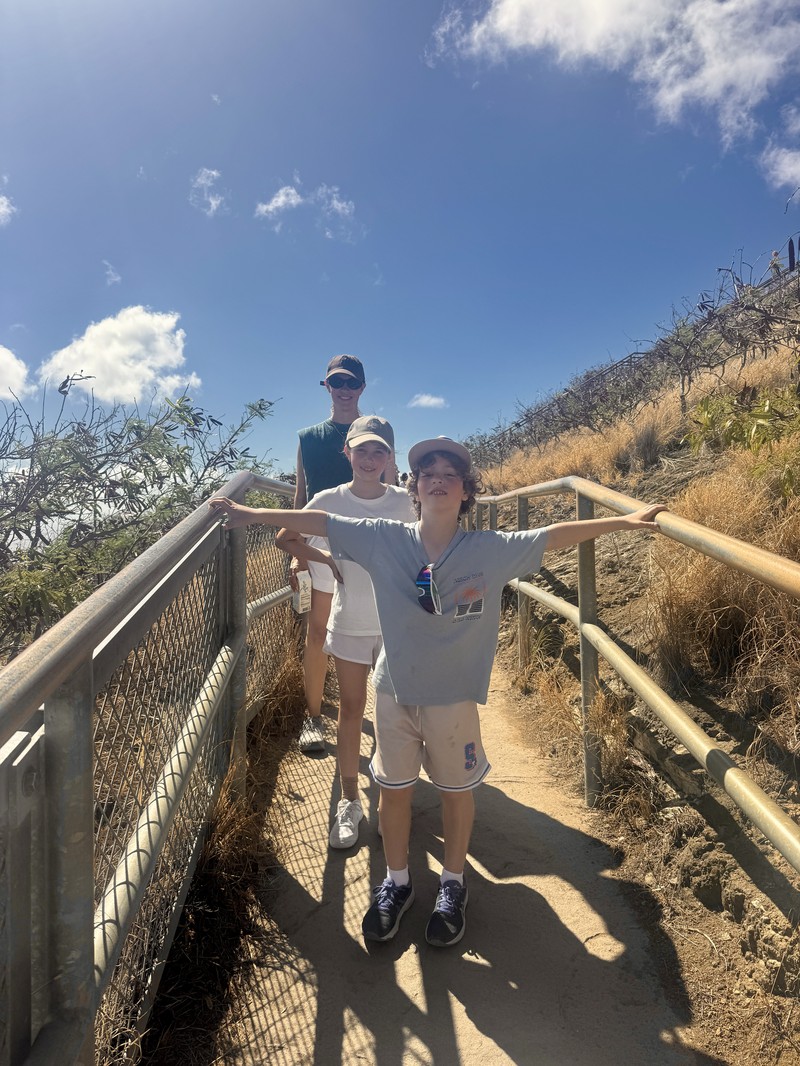
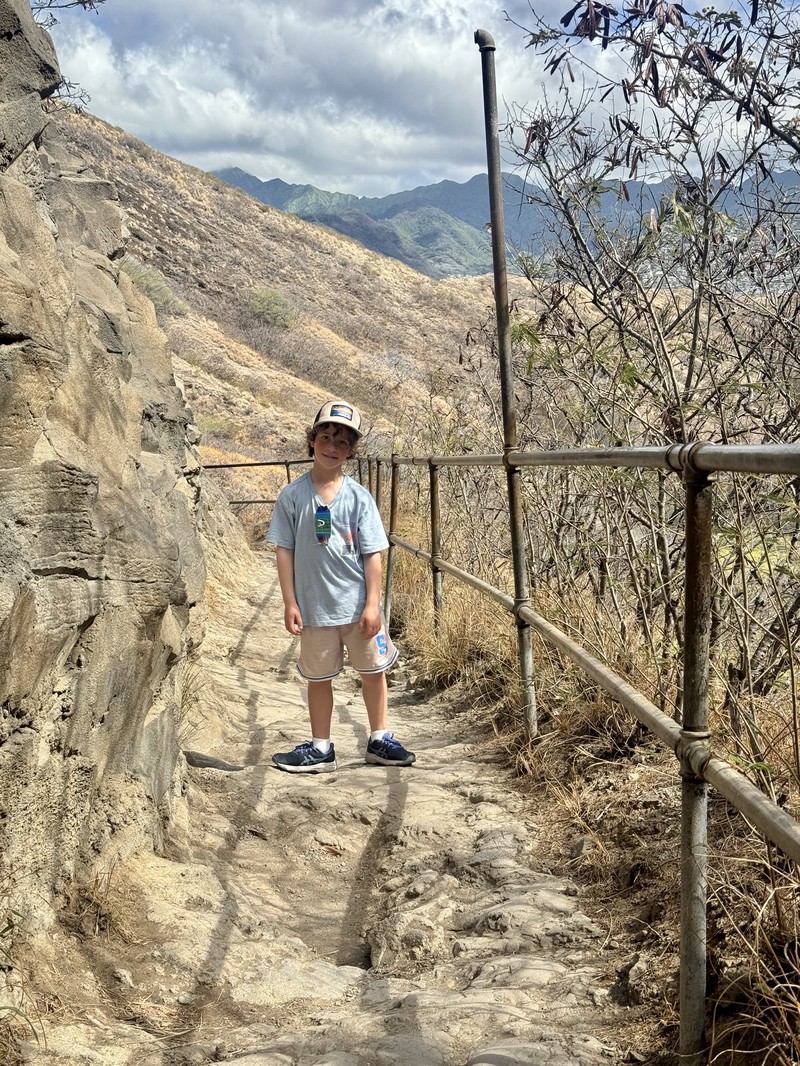
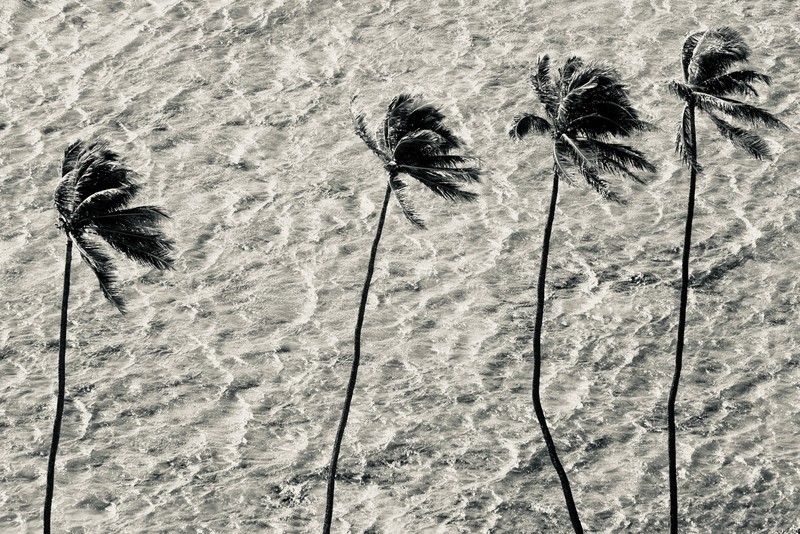
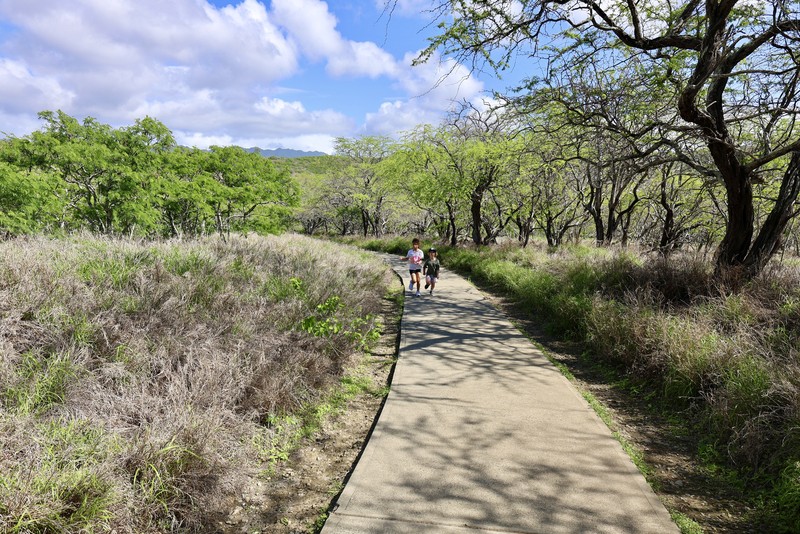
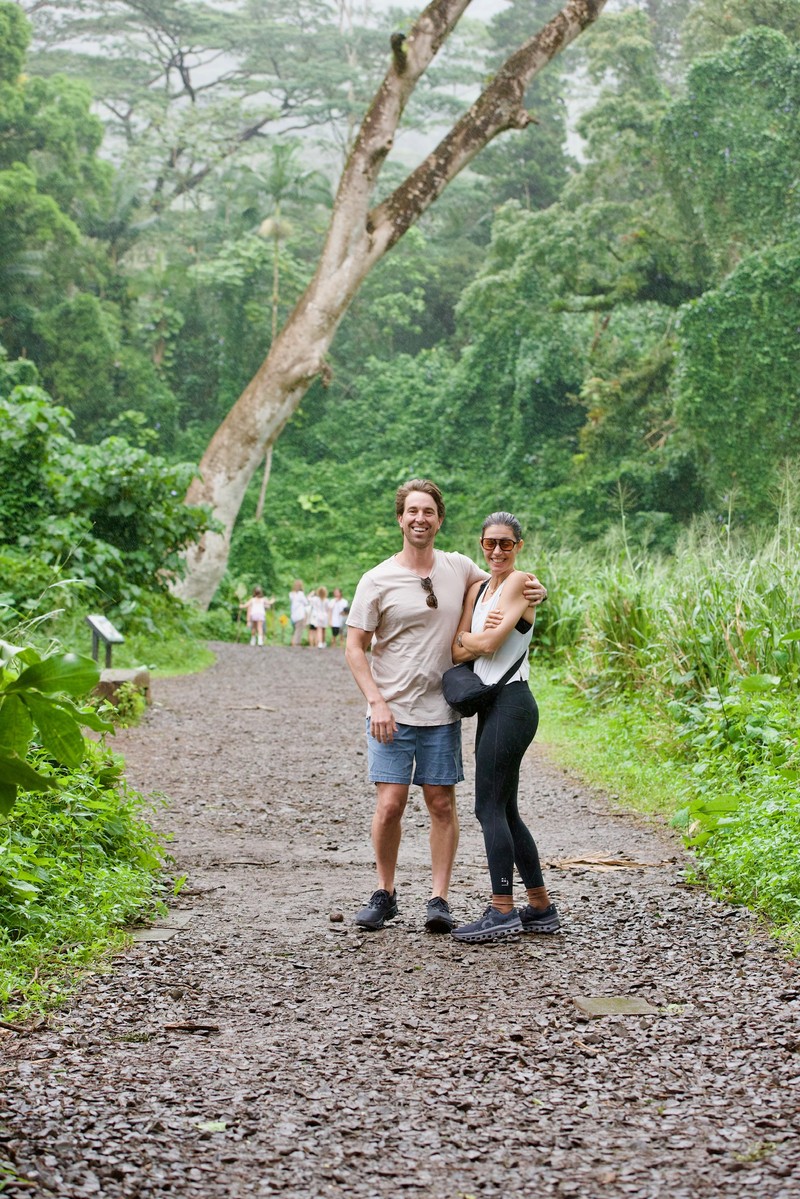
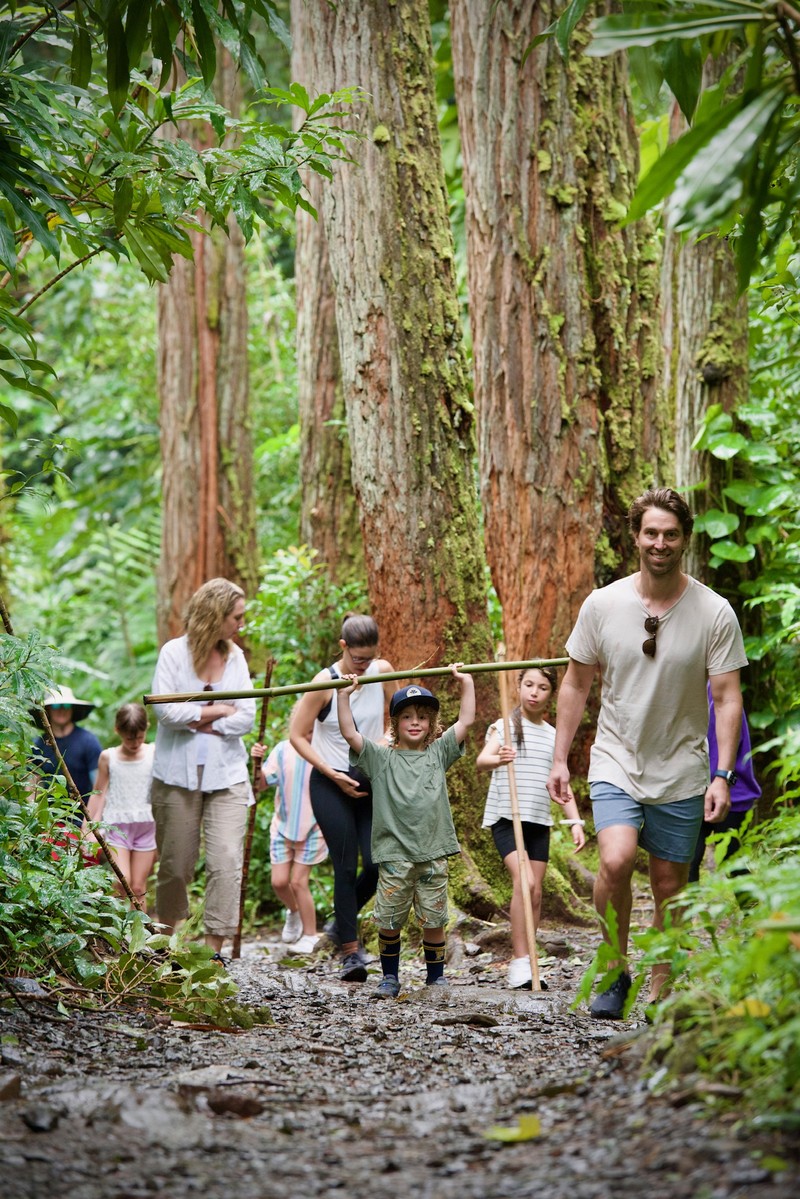
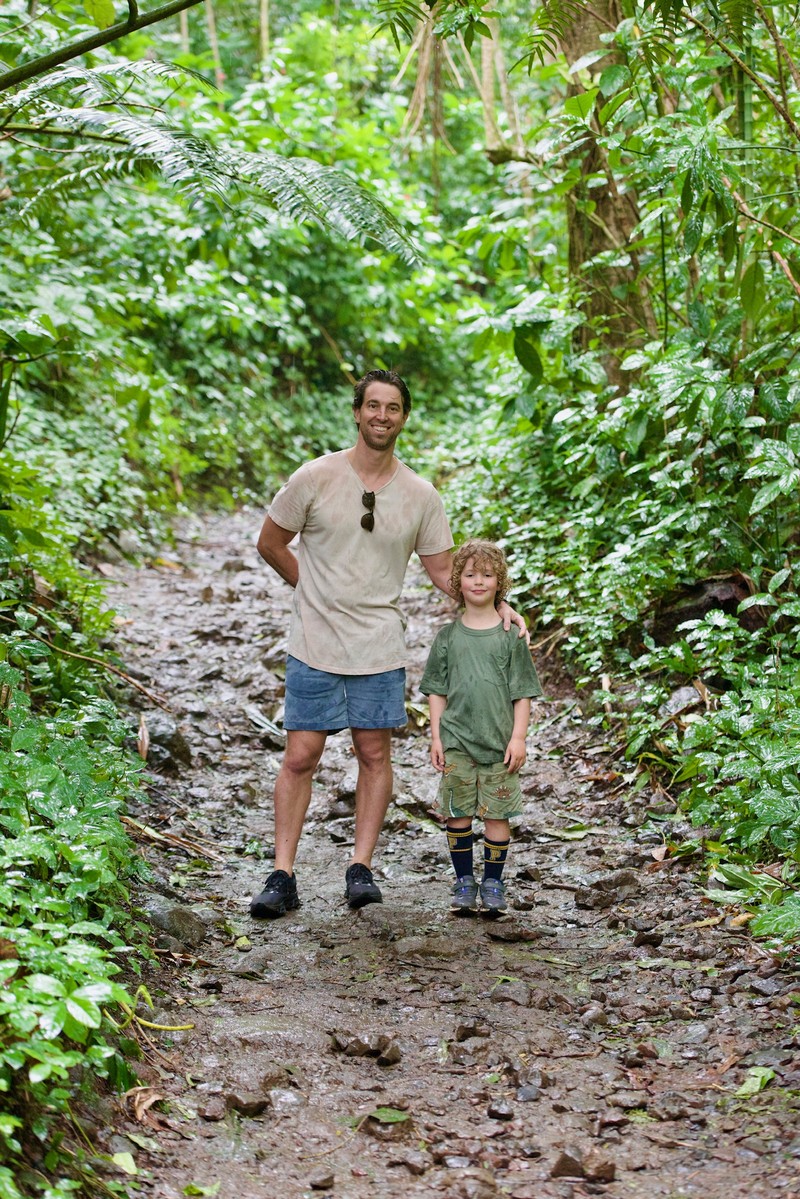
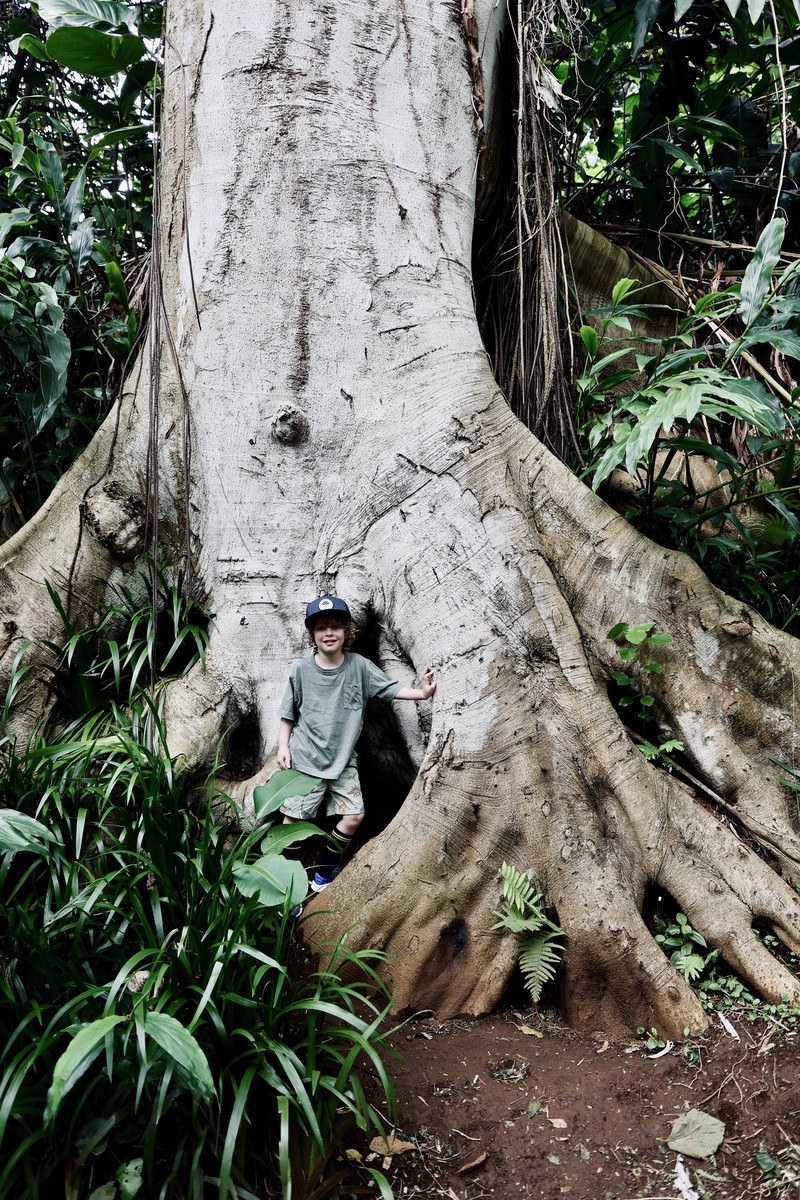
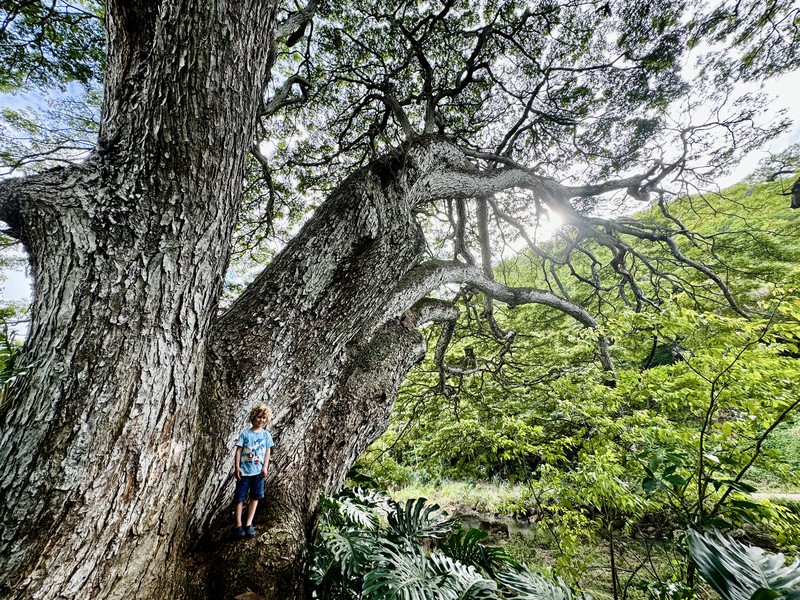
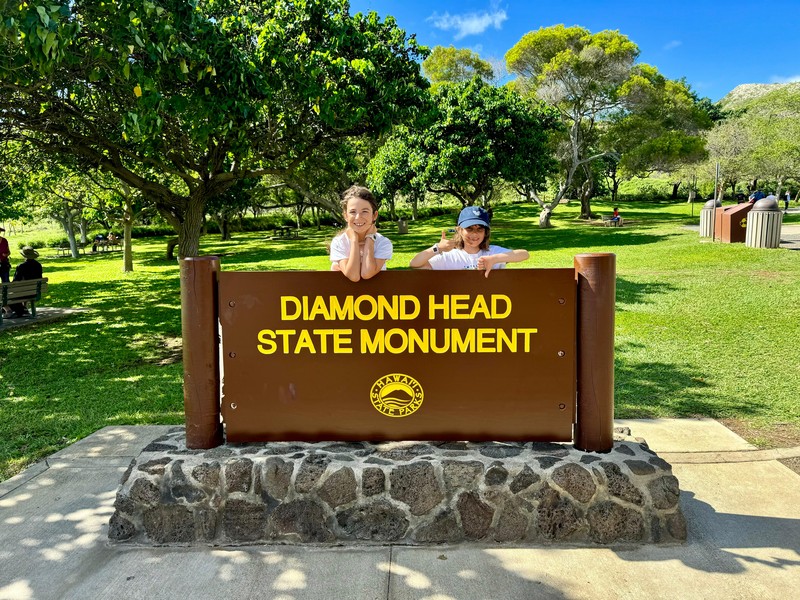
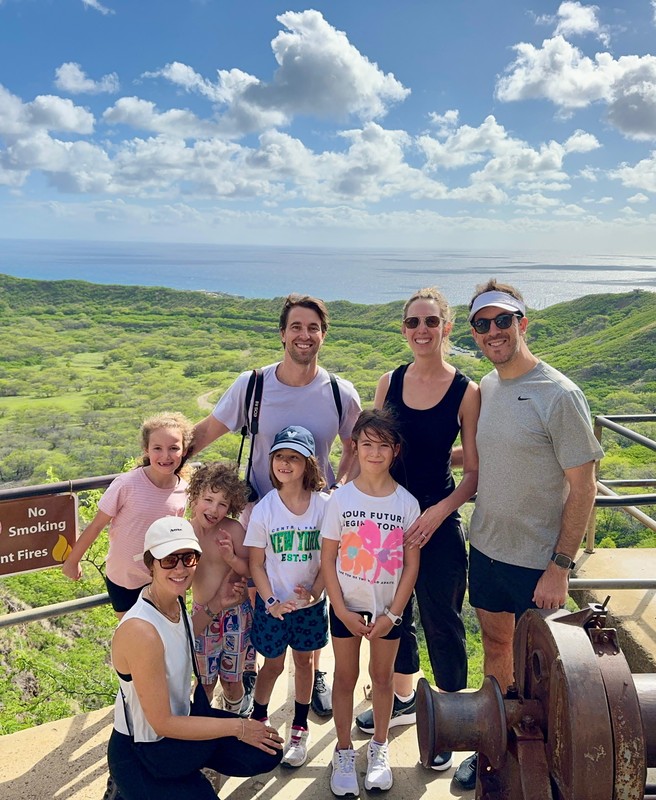
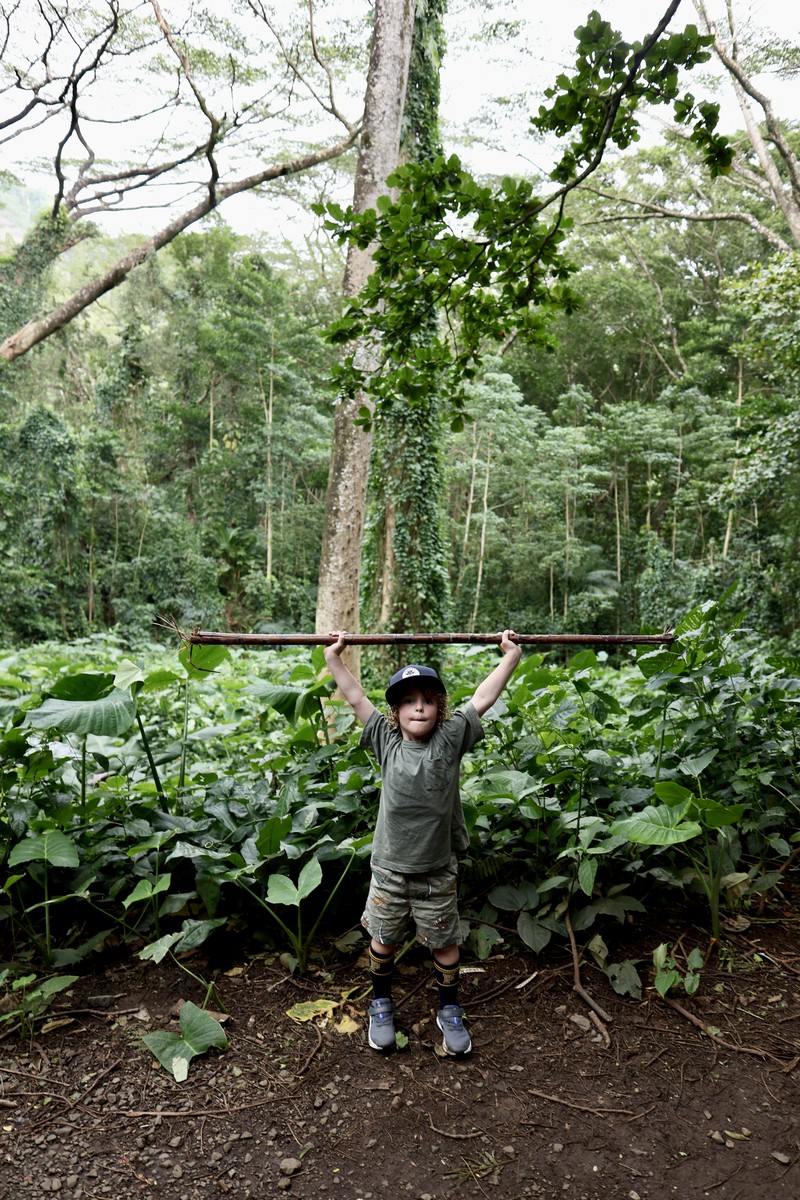
We climb Diamond Head and look back across Waikiki, its dense strip of high-rises pressed against the vast Pacific. We take a day trip to the white sands of the windward side, which lives up to its name on a particularly blustery day. We also attempt the Mānoa Falls Trail, eventually turning back when the rain becomes too heavy, but not before getting a taste of the Jurassic-like rainforest tucked into the mountains behind Honolulu.
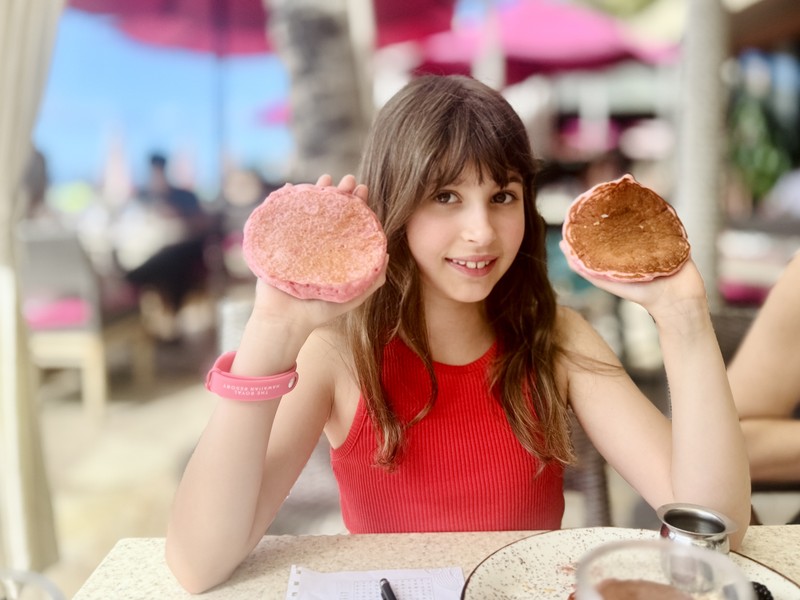
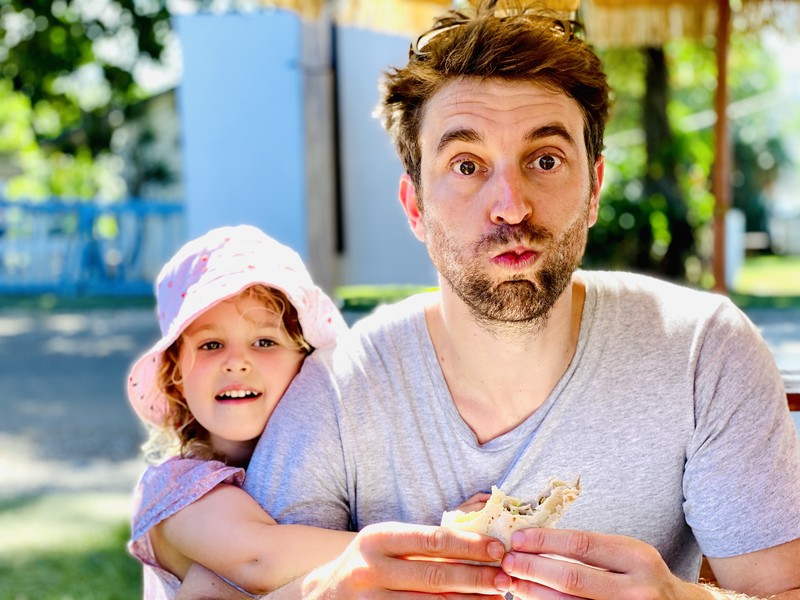
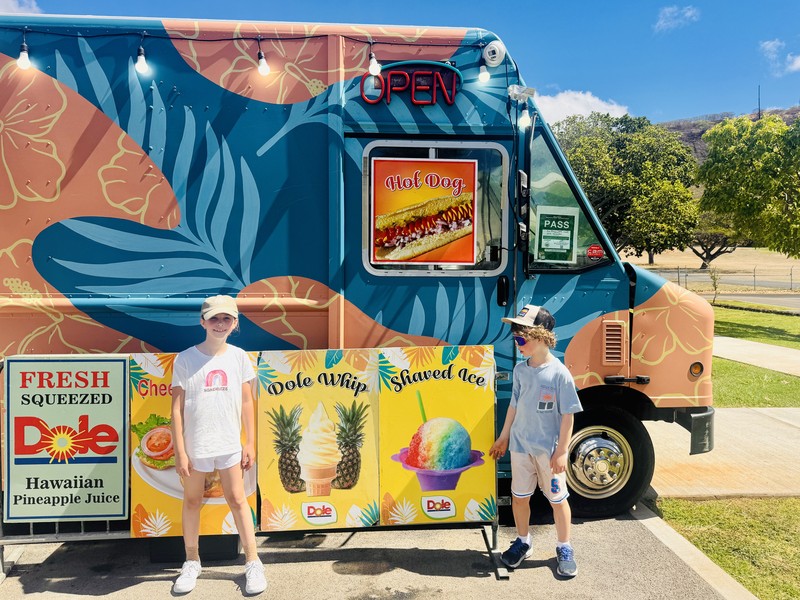
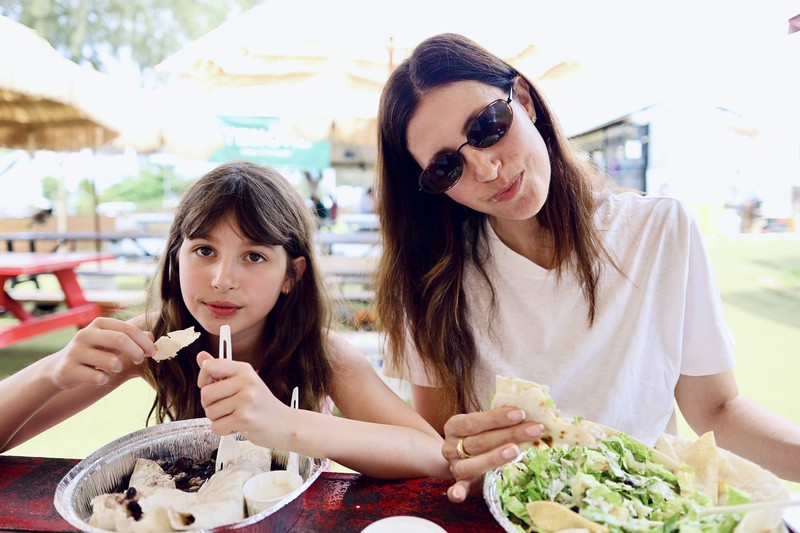
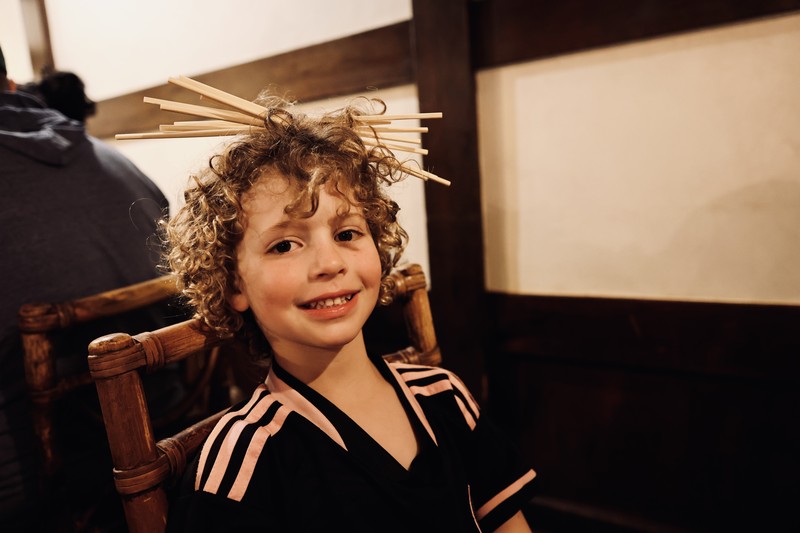
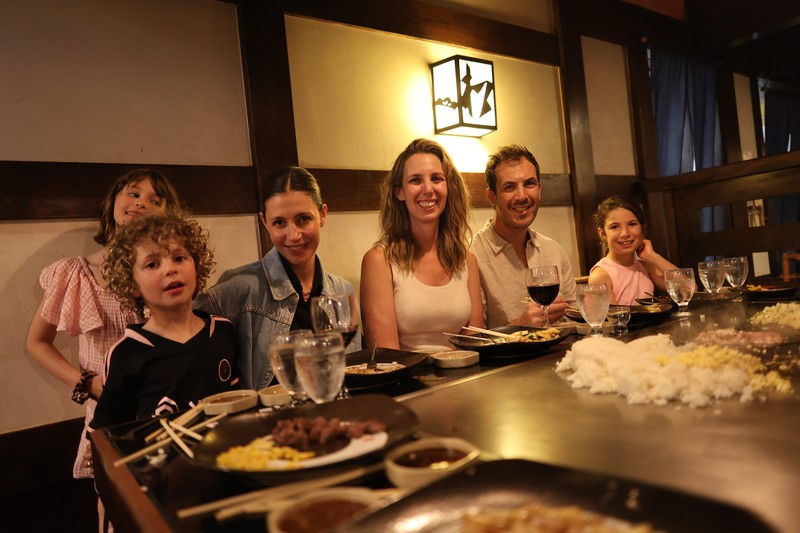
Closer to our hotel, Pai’s Deli, a tiny hole-in-the-wall sandwich shop, becomes our go-to lunch spot. We grab takeaway sandwiches and eat on the beach, occasionally changing things up with fresh poke bowls. At the other end of the dining spectrum, a teppanyaki night delivers all the flames, theatre and flying food that goes down well with the kids.
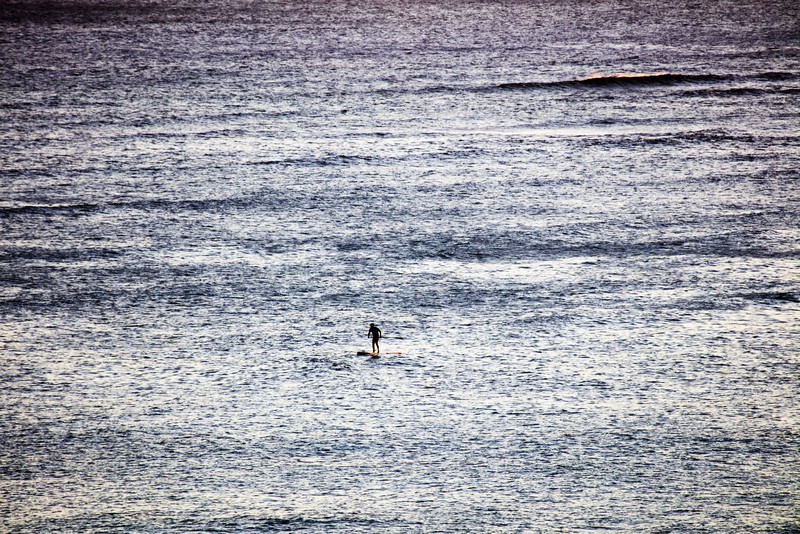
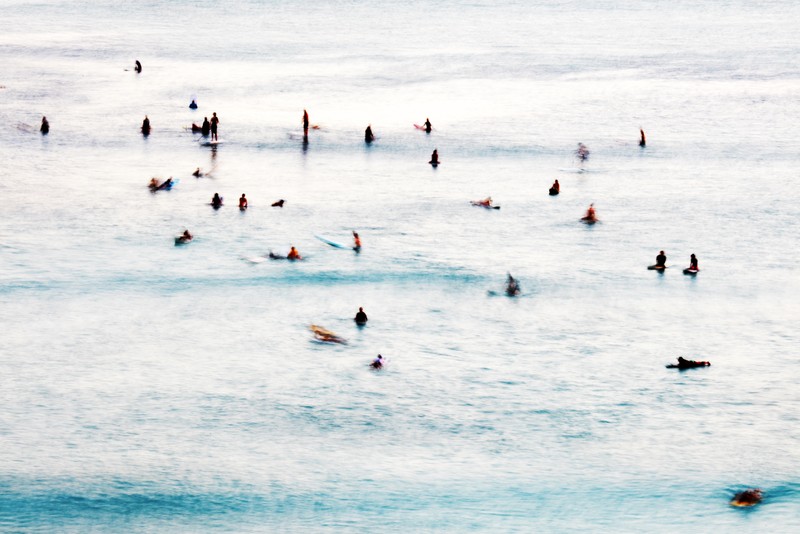
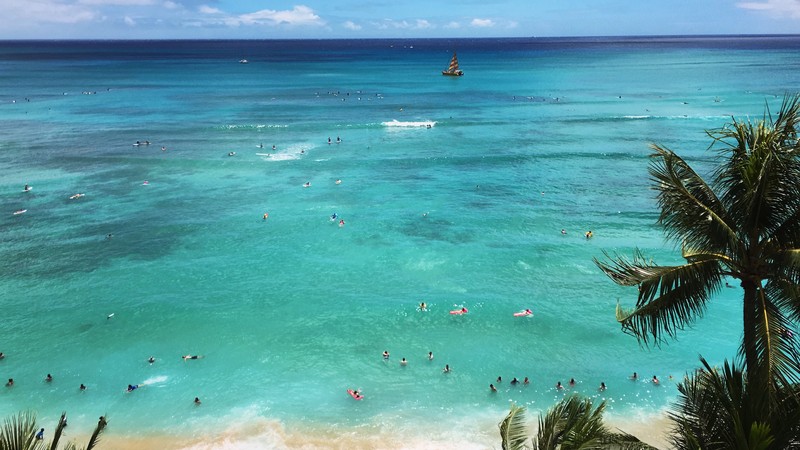
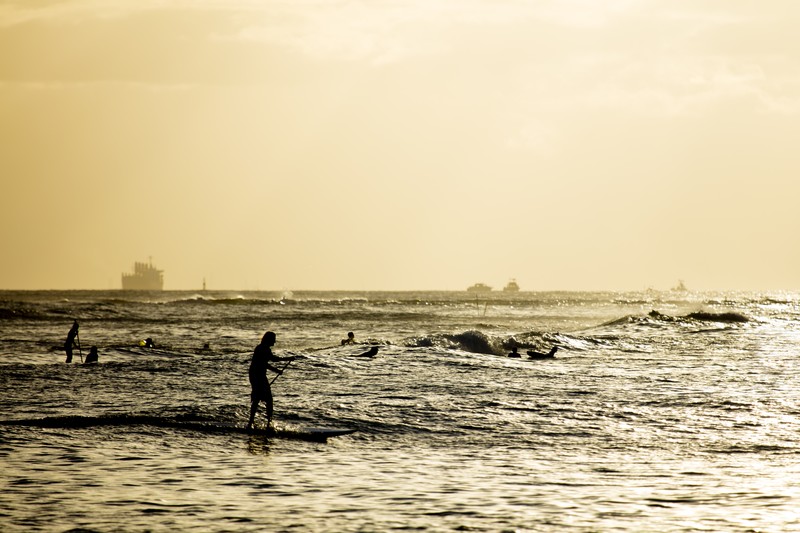
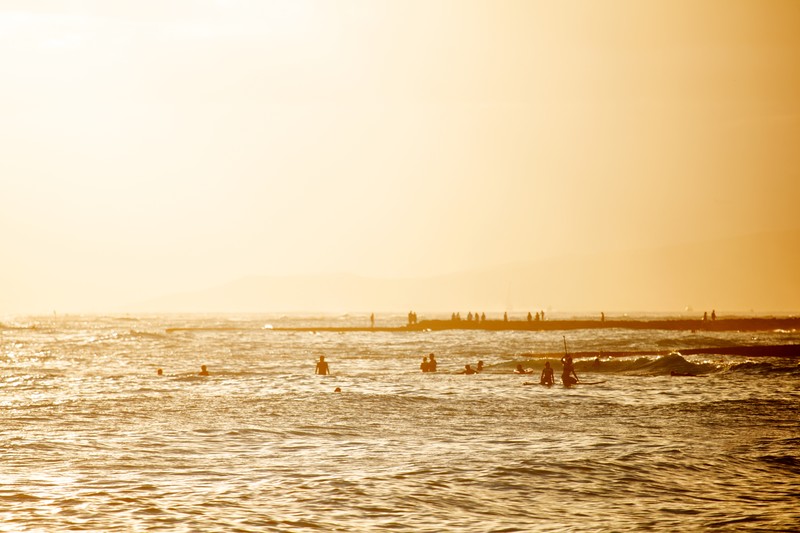
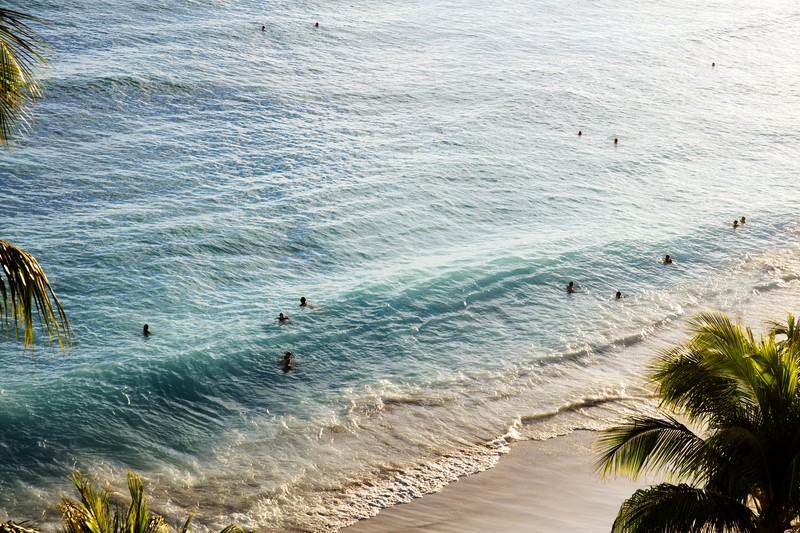
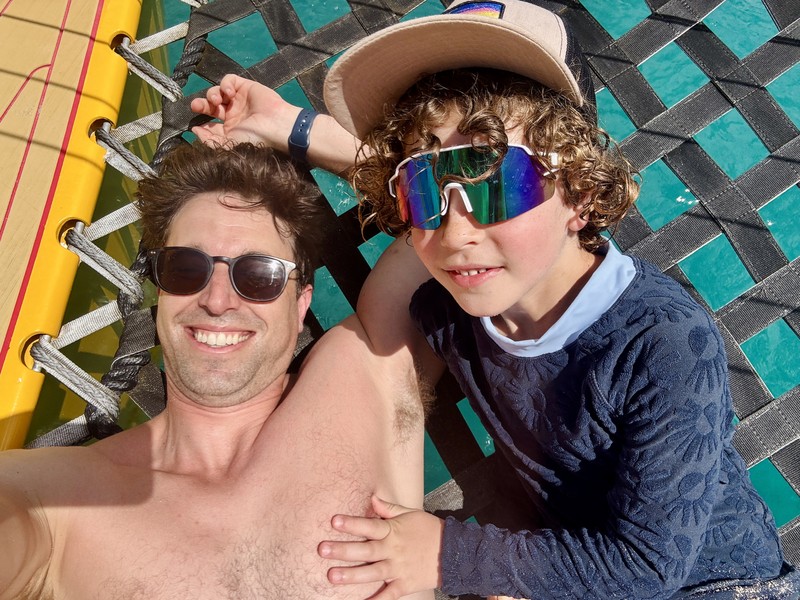
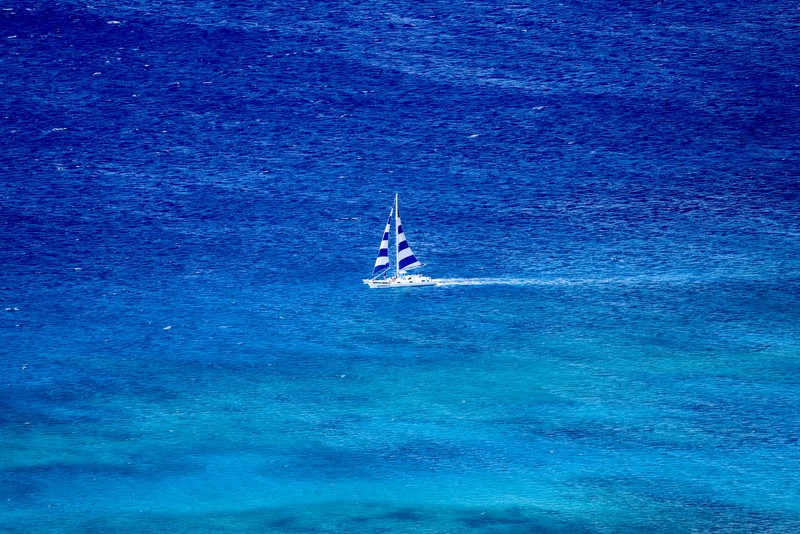
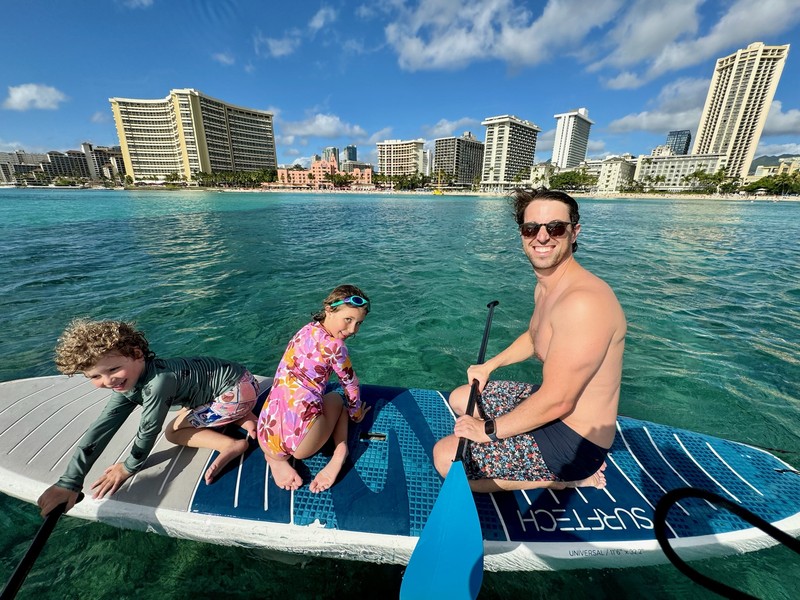
One of the experiences that stays with me most is paddling out over the reef with Seb and the kids. I have Leyla and Eden balanced on my board, while Seb has Emma and Cami on his. Three to a SUP, we paddle further from shore. Green sea turtles surface around us, tanned surfers glide across the breaks off to one side and Waikiki stretches out behind us, backed by the mountains. Idyllic, defined. Every so often the call of a conch shell carries across from the catamarans, and we jump off the boards into the water to cool down before hauling ourselves back on. The kids are awed by how far we’ve paddled out, and a little nervous too. They still talk about it today.
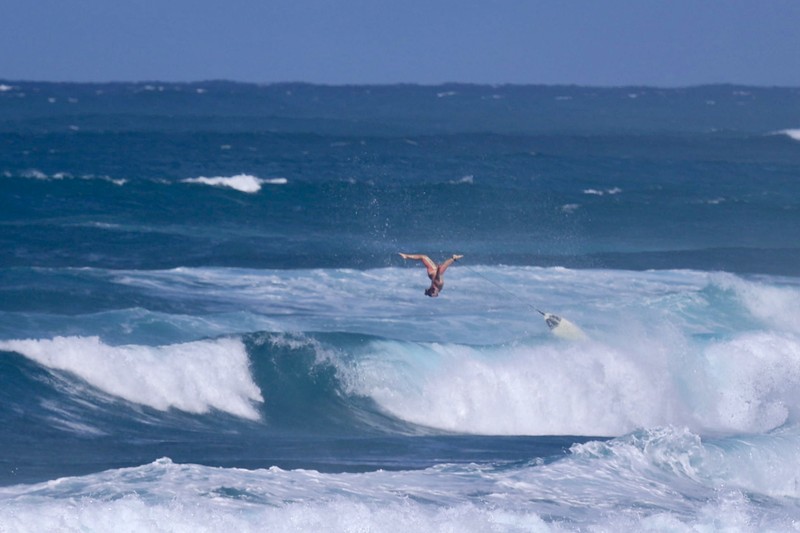
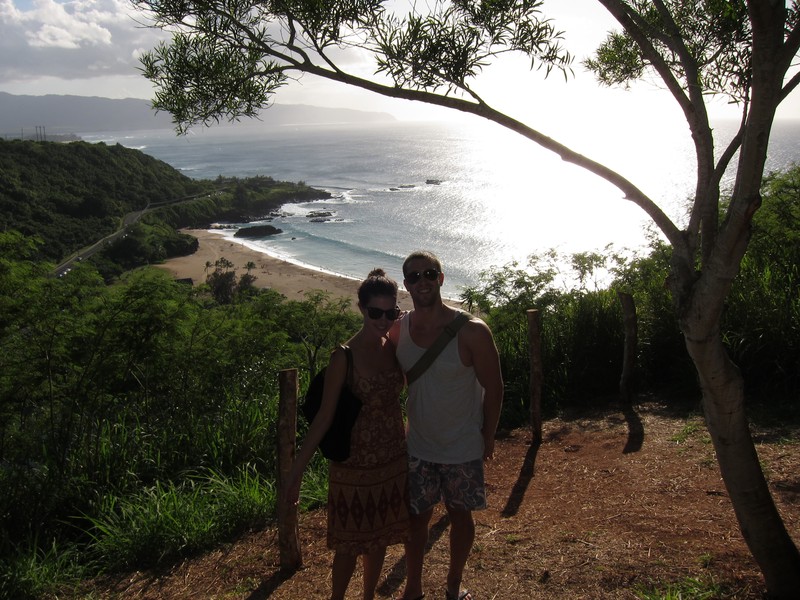
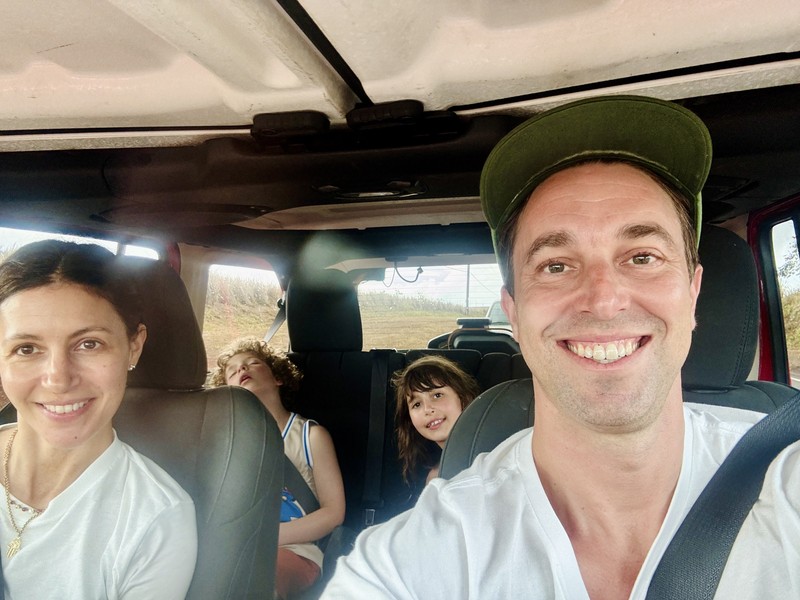
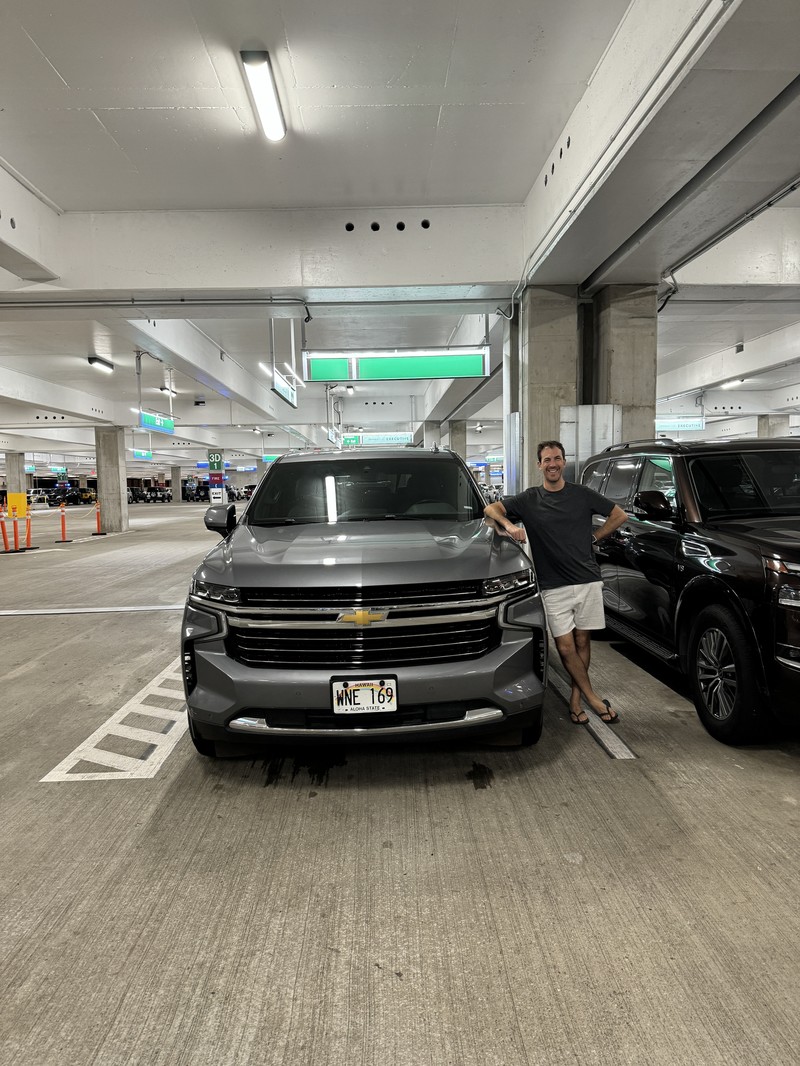
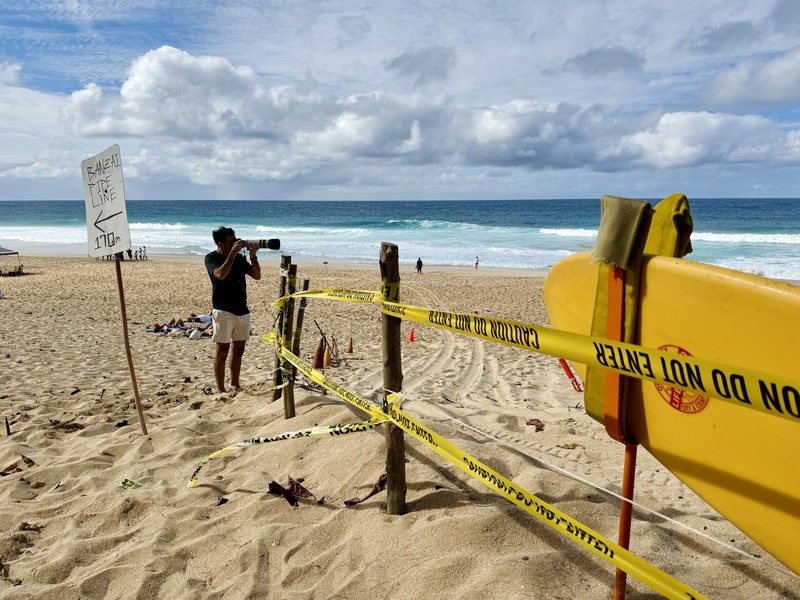
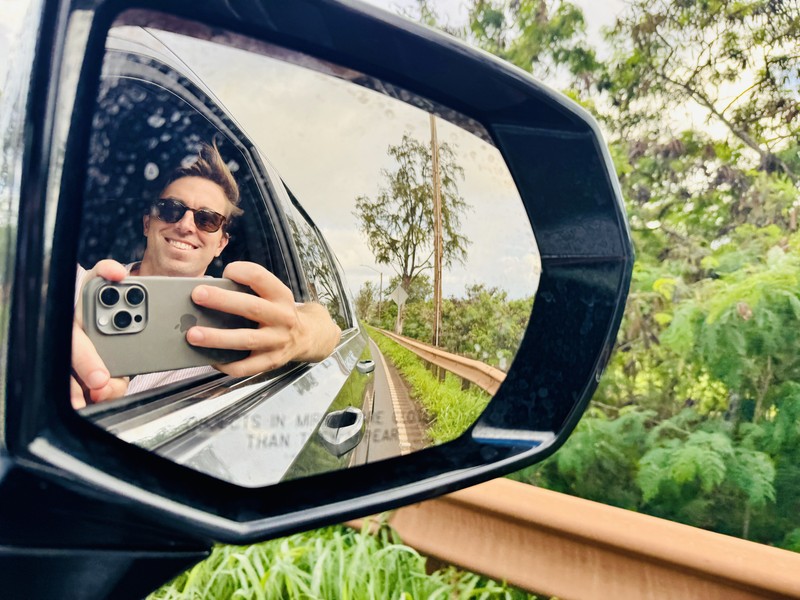
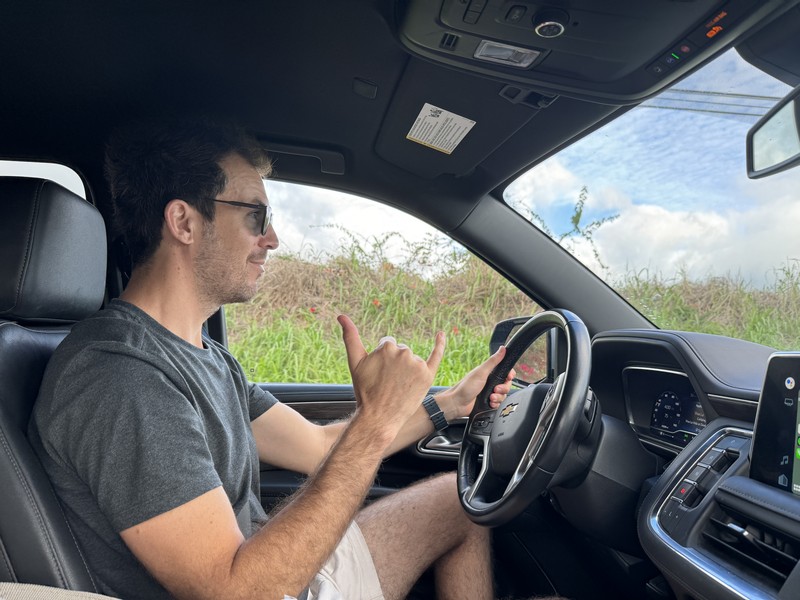
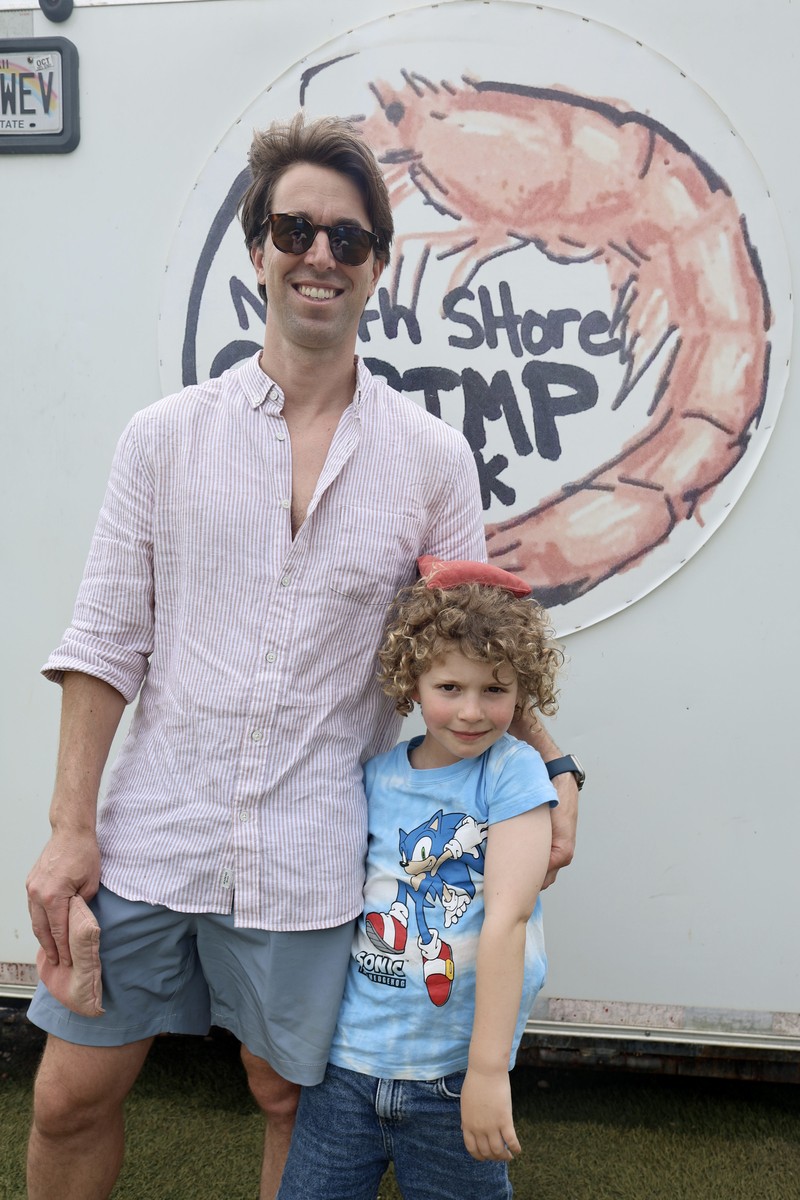
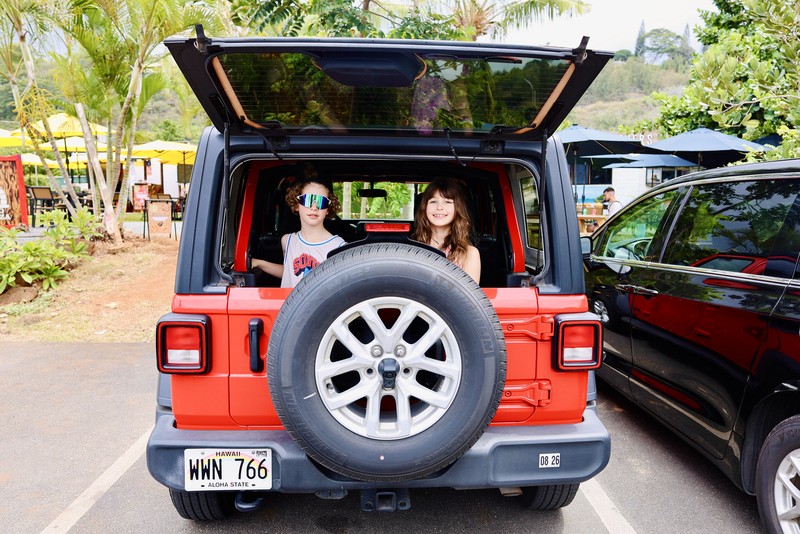
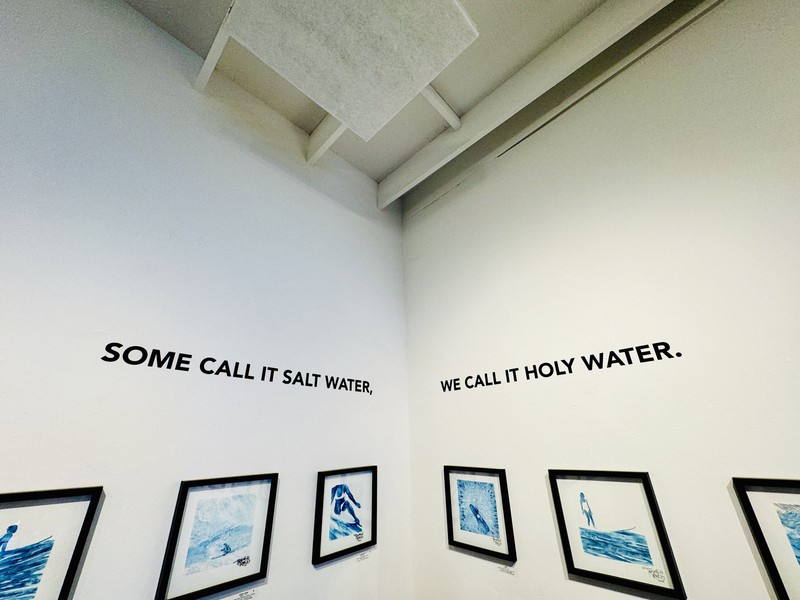
For our North Shore excursion, we hire an enormous seven-seat Escalade and Seb takes the wheel. We wander through Waimea Valley and stop in Haleiwa, where we pick up a few prints by local artists. But the real mission is to see the North Shore doing what it is famous for. At Pipeline, the surf is solid, with great slabs of water hitting the reef, but the onshore wind leaves it without enough shape to properly organise itself. That doesn’t stop a few optimistic surfers trying their luck, with some sent airborne in spectacular wipeouts. Even standing here feels like being on hallowed ground. Pipeline’s energy is ever-present; even when the waves aren’t barrelling cleanly, you can sense the power of this wave magnet.
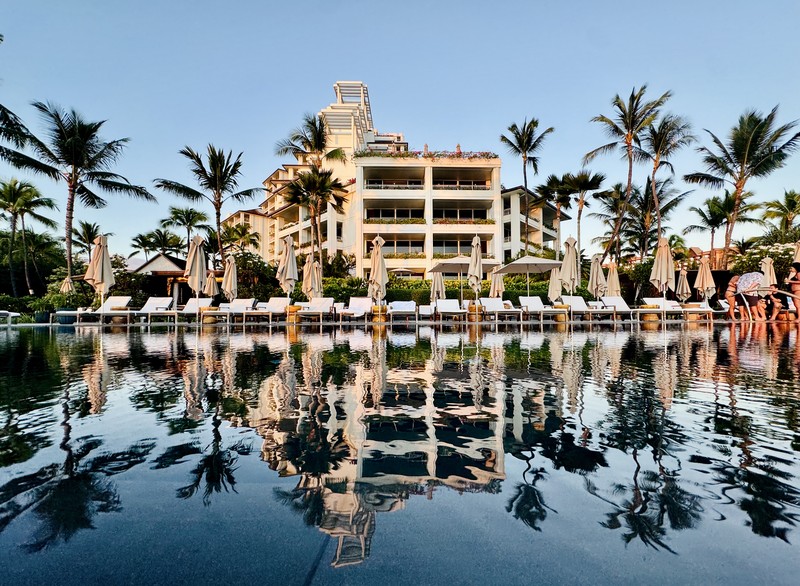
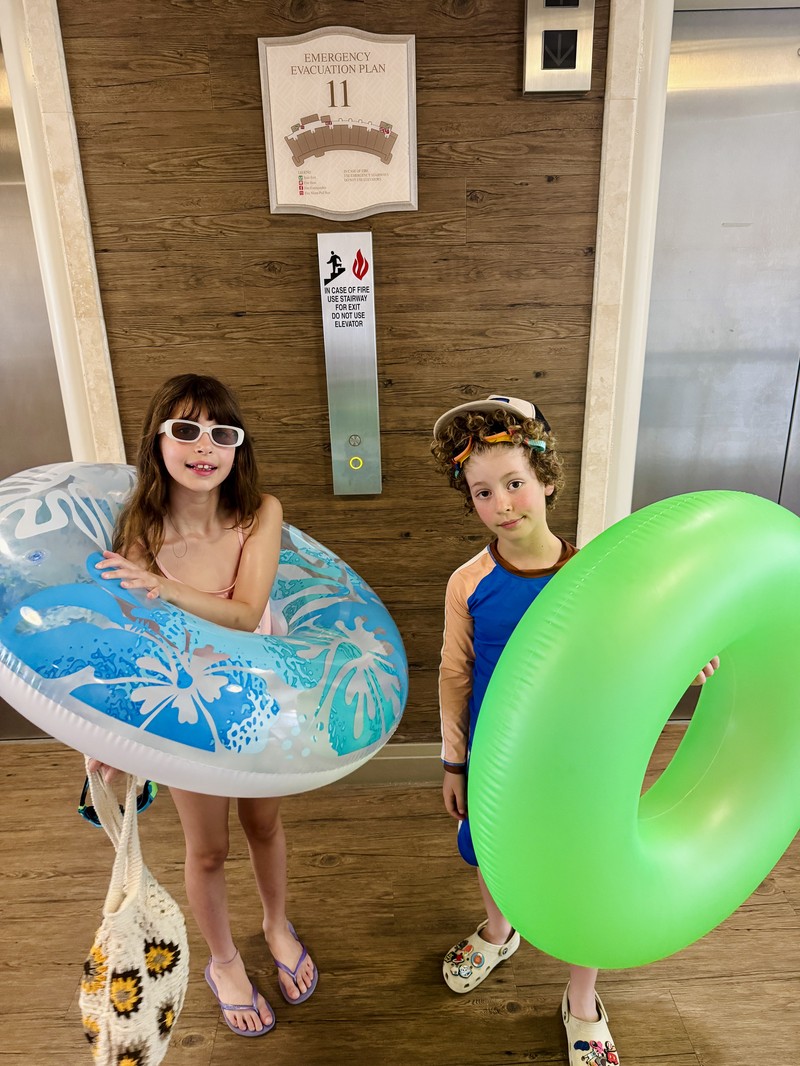
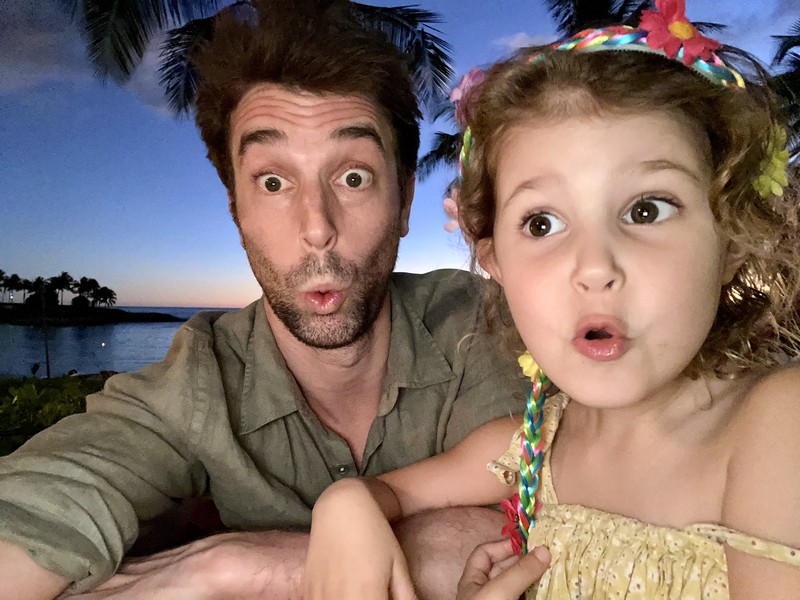
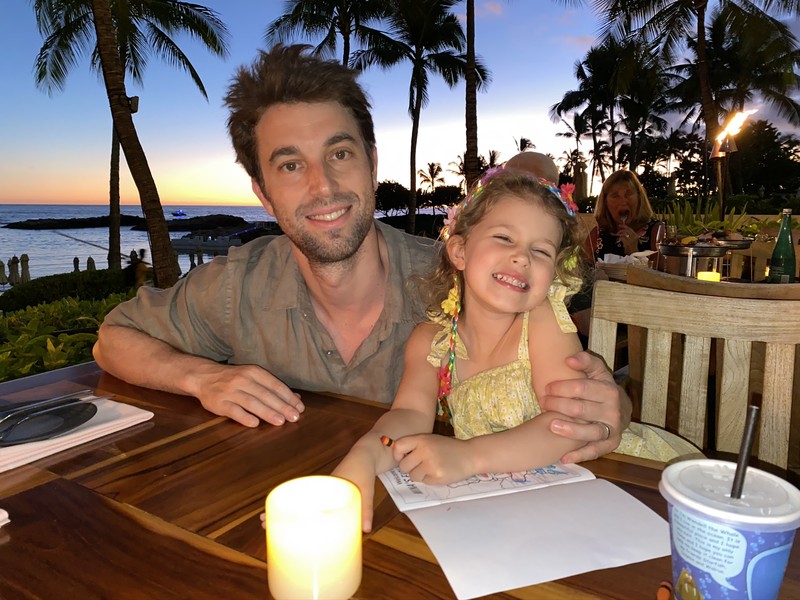
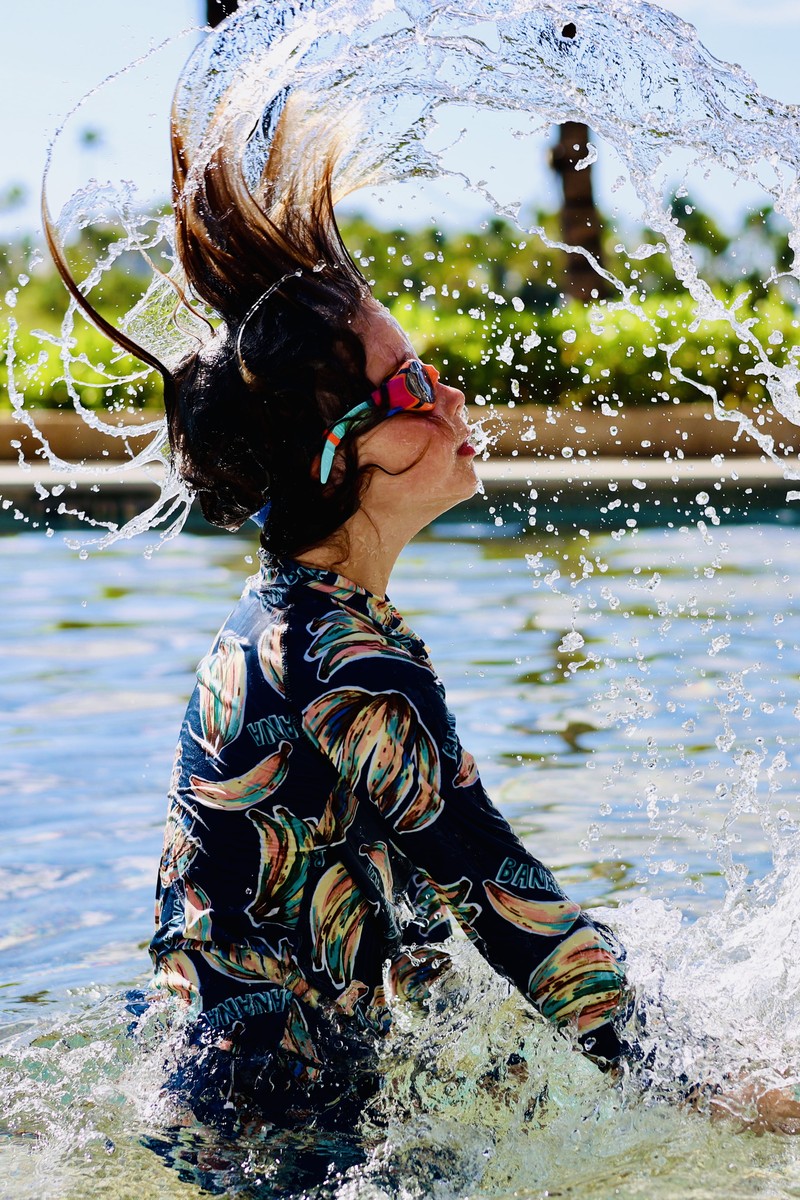
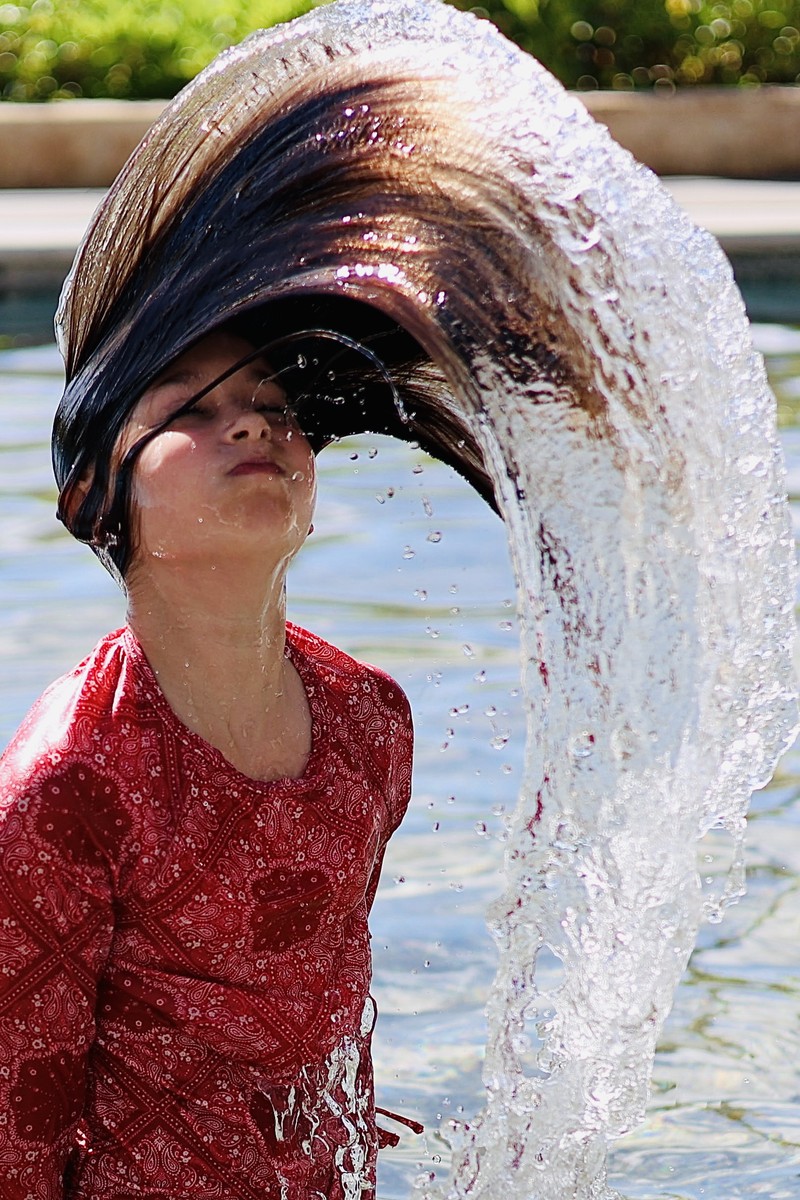
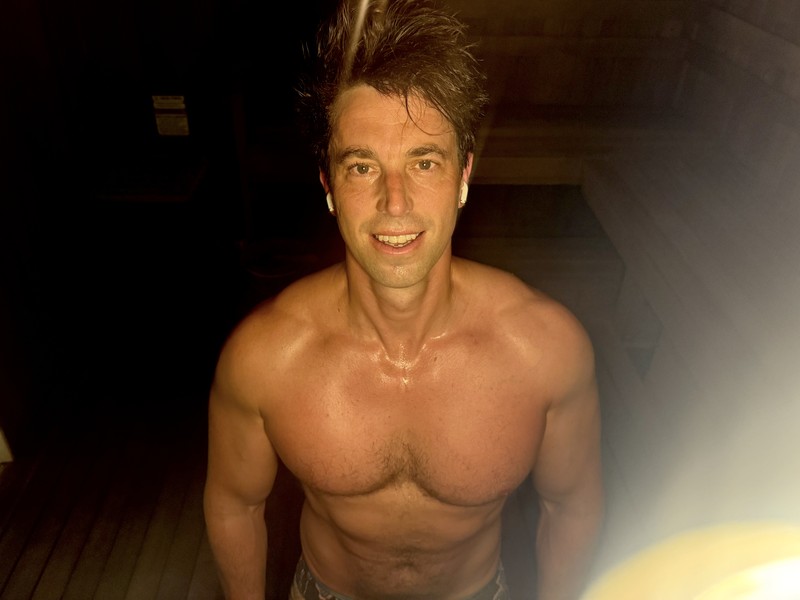
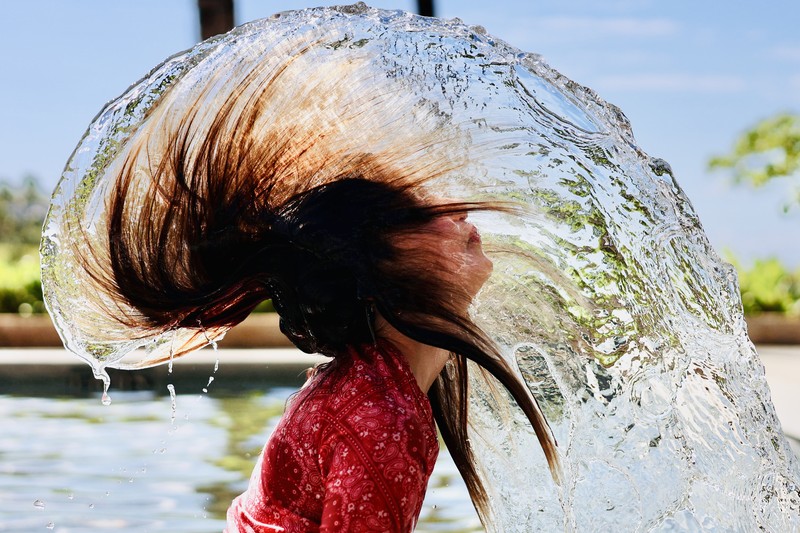
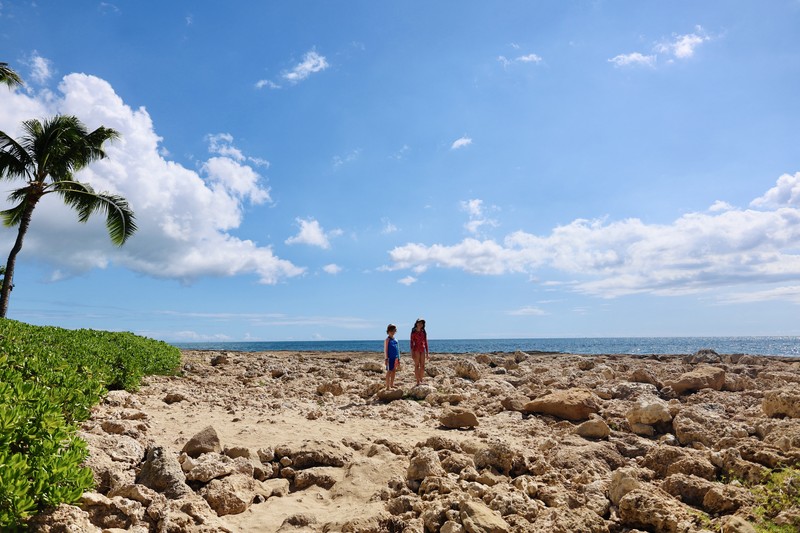
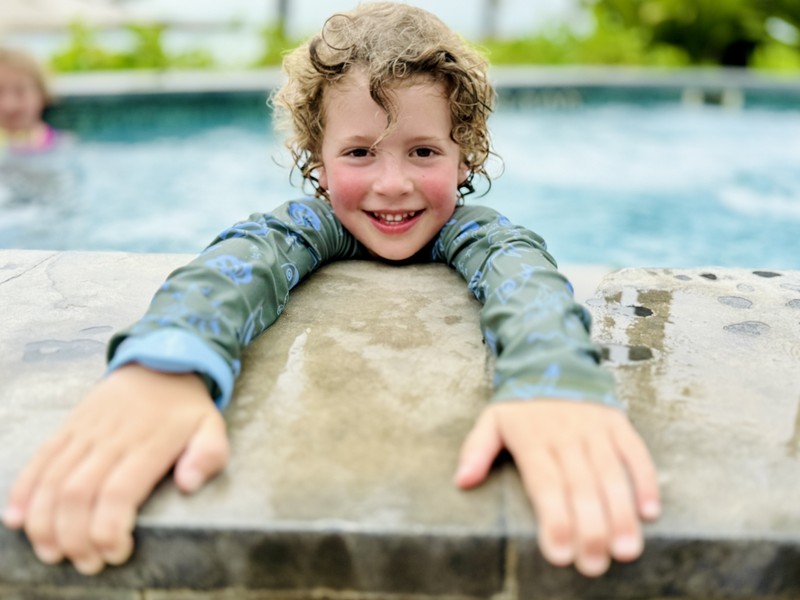
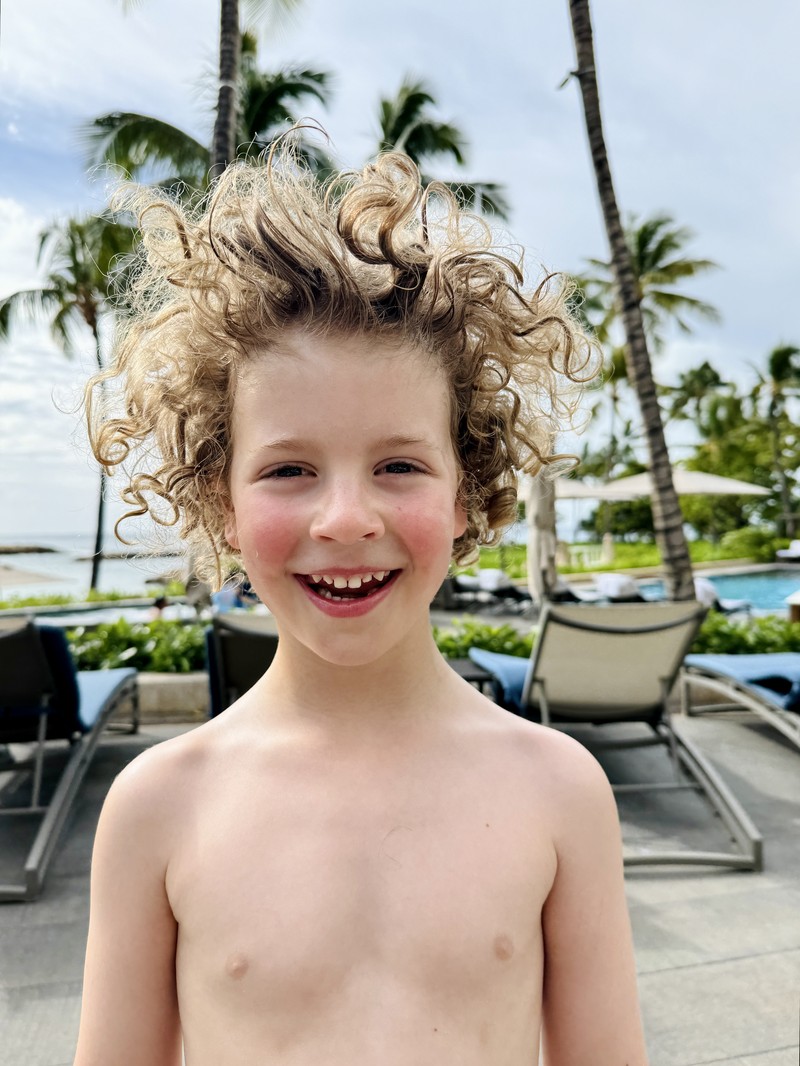
From Waikiki we move to the Four Seasons at Ko Olina and wholeheartedly embrace a few days of decadence. Long poolside lunches and equally long dinners, accompanied by an appropriate degree of inebriation, are countered, at least notionally, by swimming, gym sessions and repeated visits to the hotel’s super-luxe sauna, spa and wellness facilities.
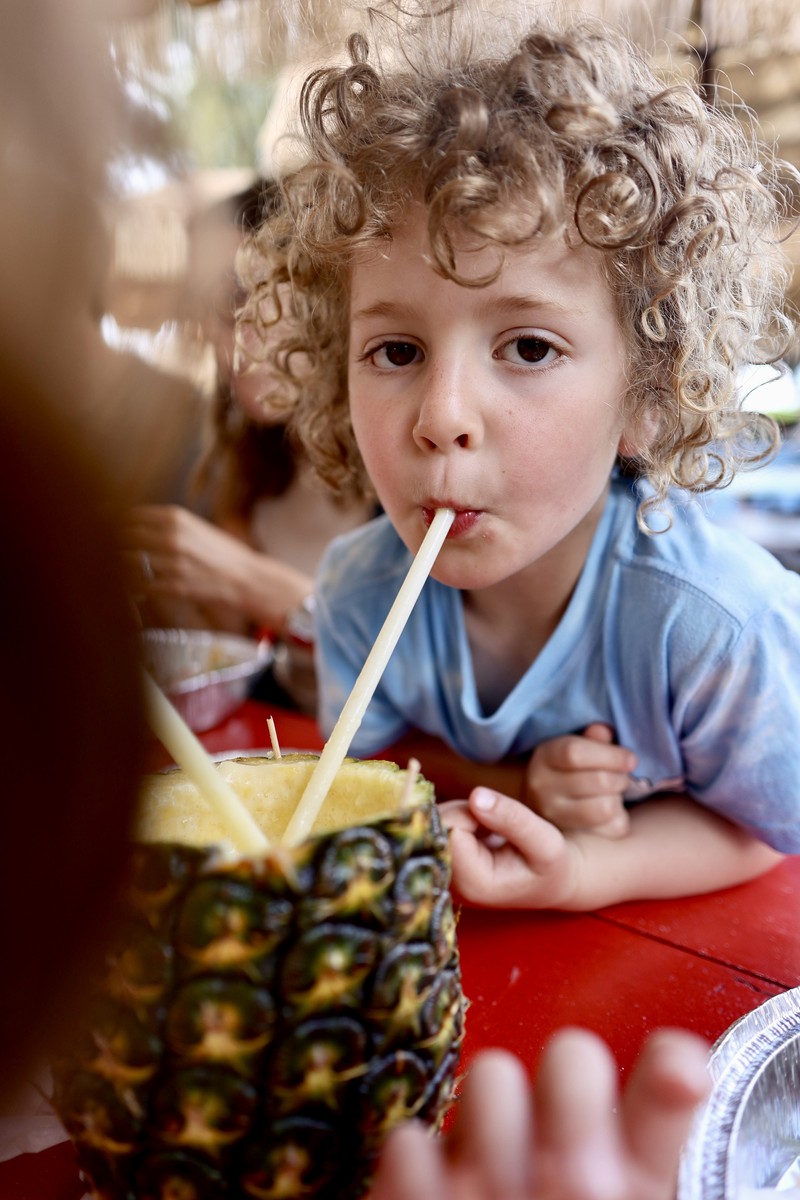
It is pure luxury and a change of gear from Waikiki: good food, good wine, pools, beach and absolutely no schedule to keep. With the Ruiz family alongside us, it is a very easy way to finish the Hawaiian leg on a high before leaving the familiar tropics behind and heading for Japan.
Mahalo, Hawaii. And mahalo to the Ruiz family for sharing it with us.