After Jen flew home, I carried on alone, swapping couple travel for hostel life. It began with the temples of Angkor, before Phnom Penh brought me face to face with the darkest chapter in Cambodia’s past.
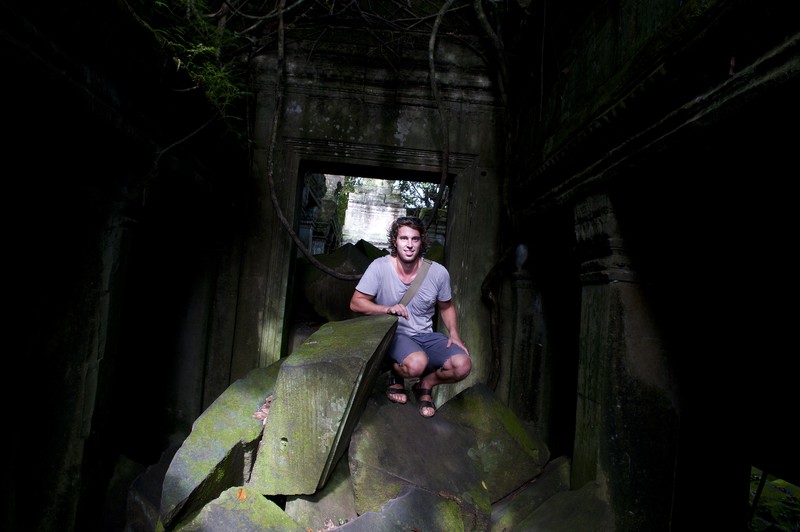
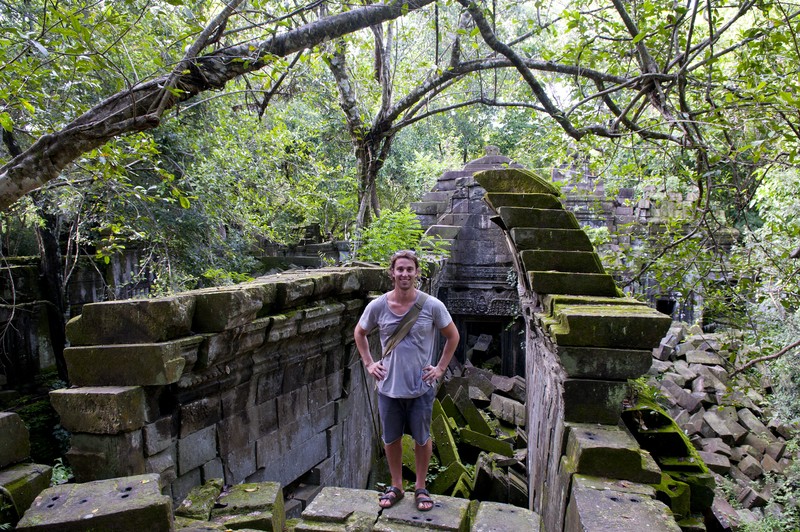
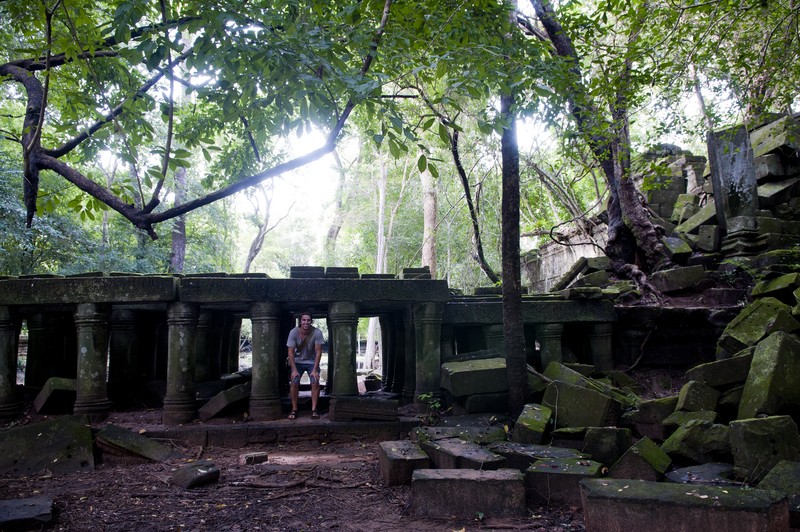
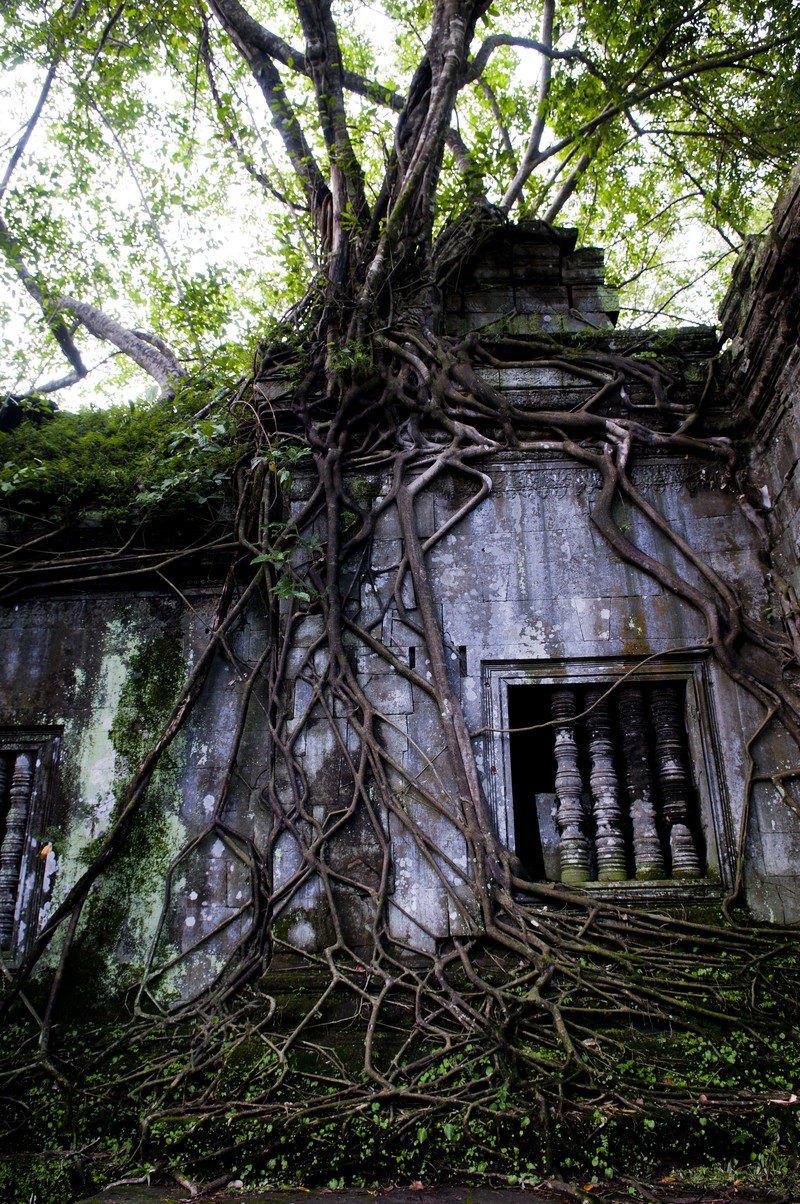
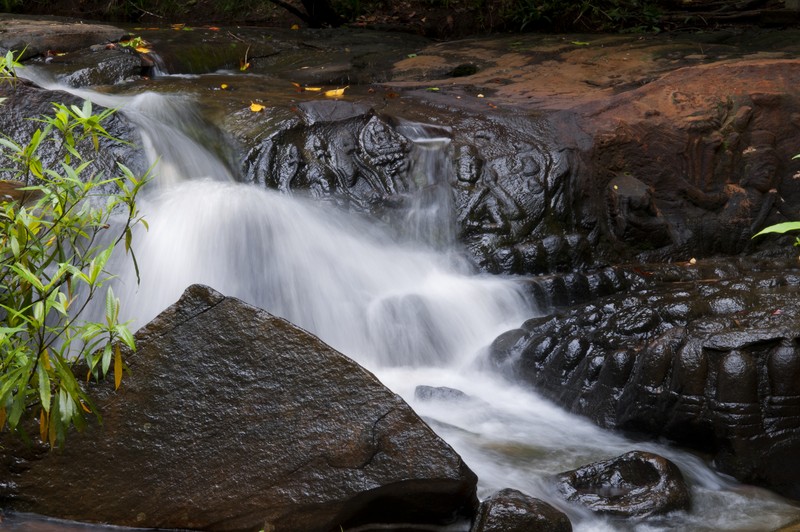
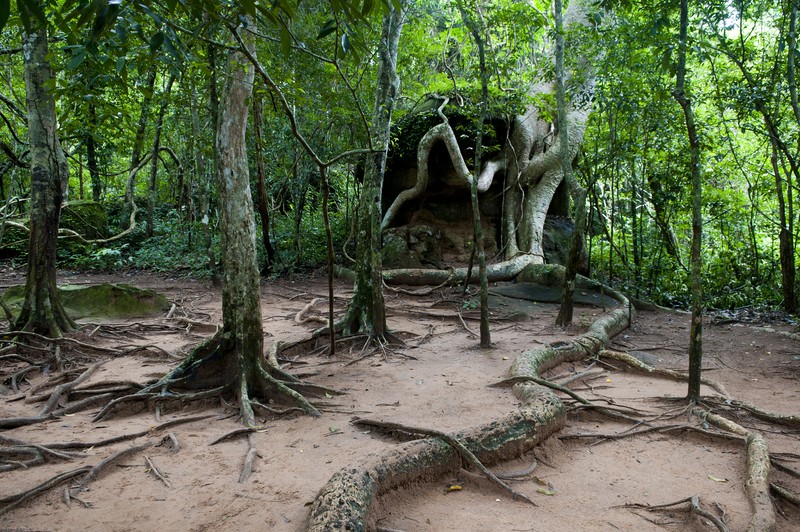
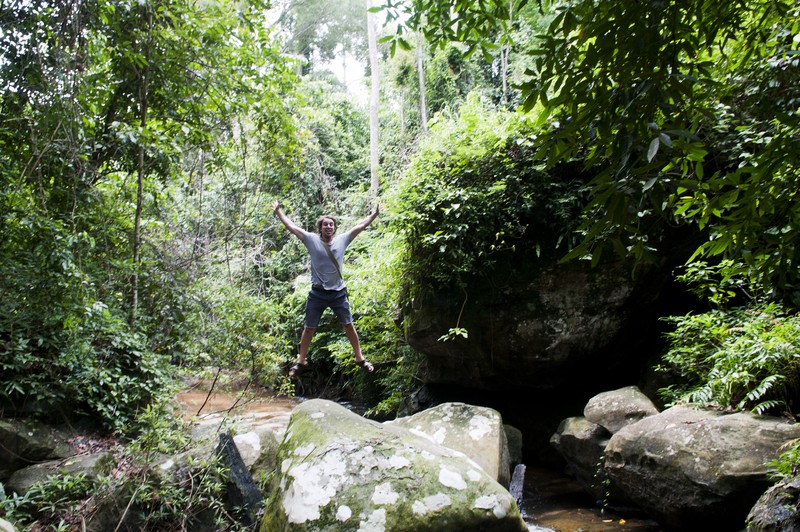
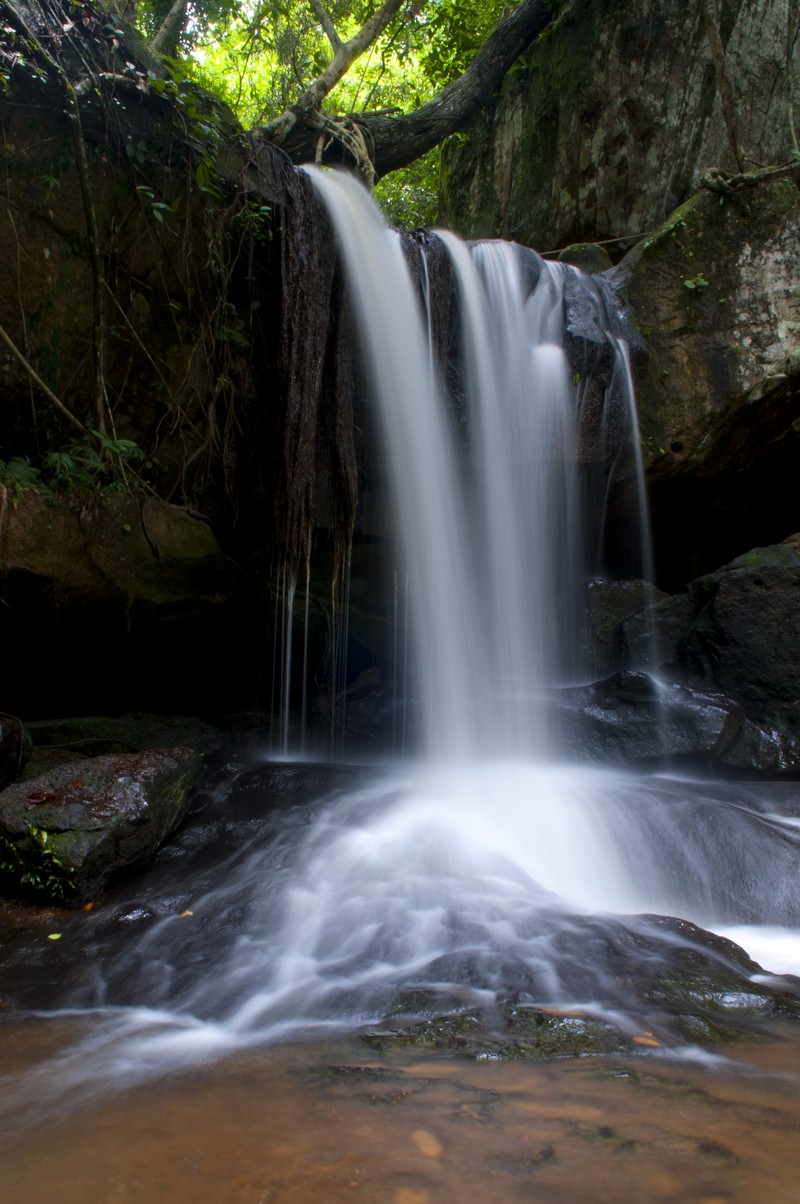
An invigorating and sweaty trek through the jungle to the rock carvings known as Kbal Spean, or the River of a Thousand Lingas. Discovered in 1969 and impossible to visit during the civil war, Kbal Spean has only been accessible again since 1998. Some areas around the temples remain mined, and it is advised to stick to the well-trodden paths.
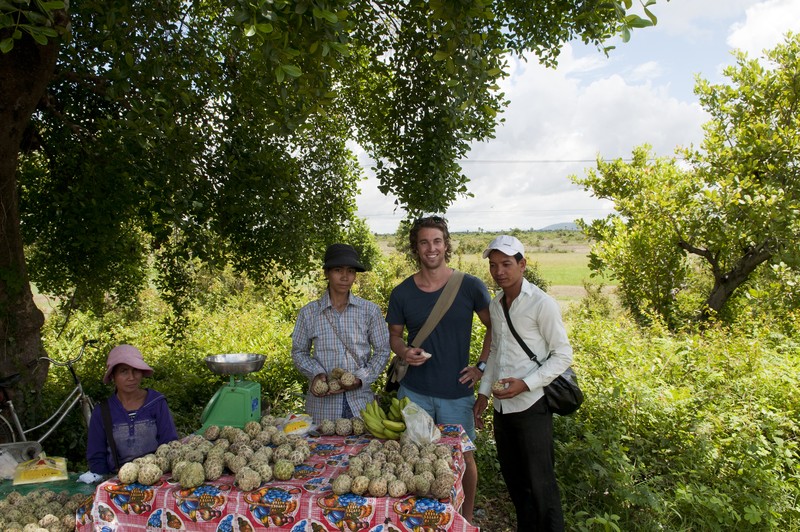
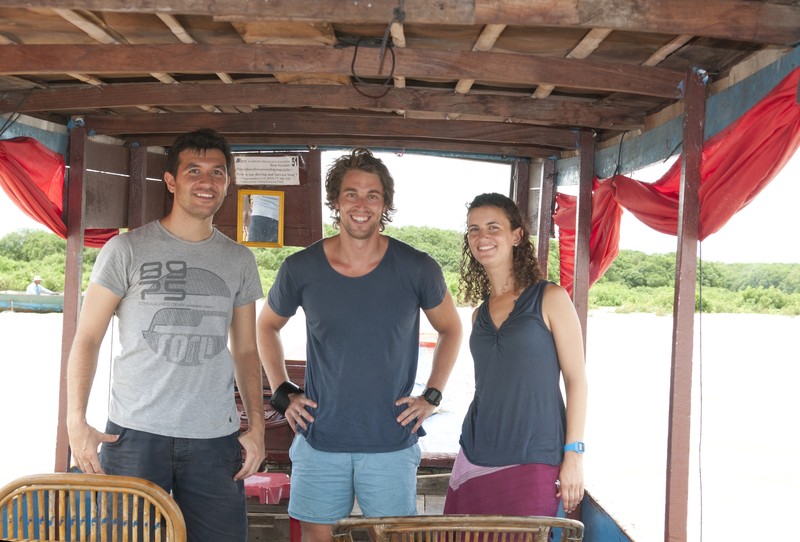
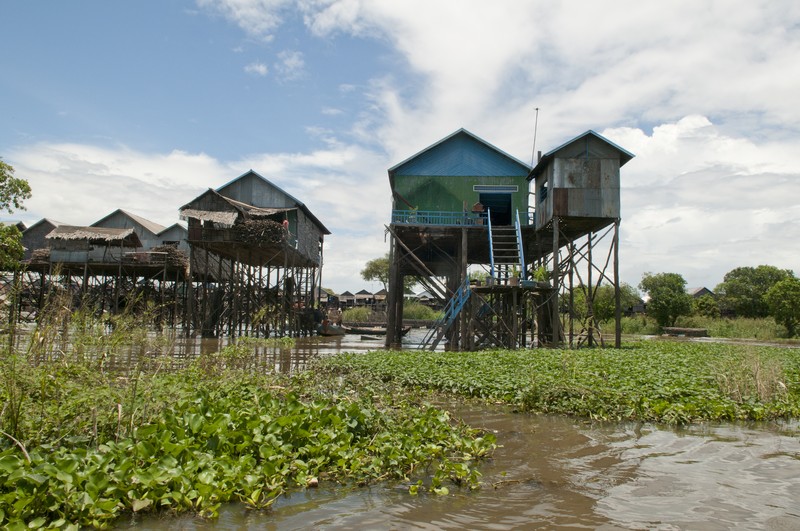
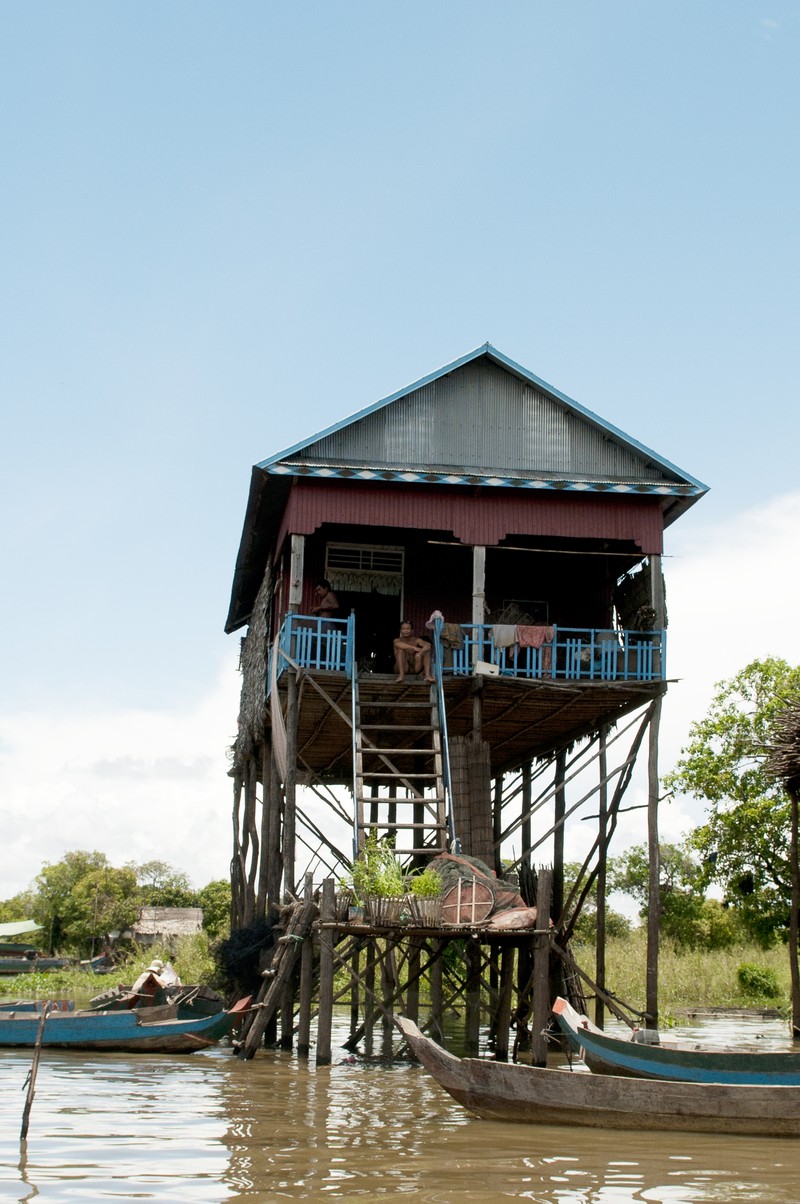
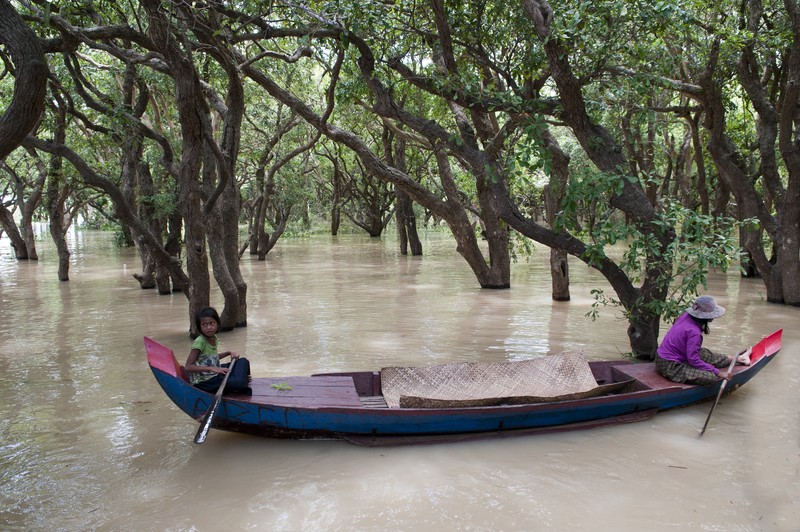
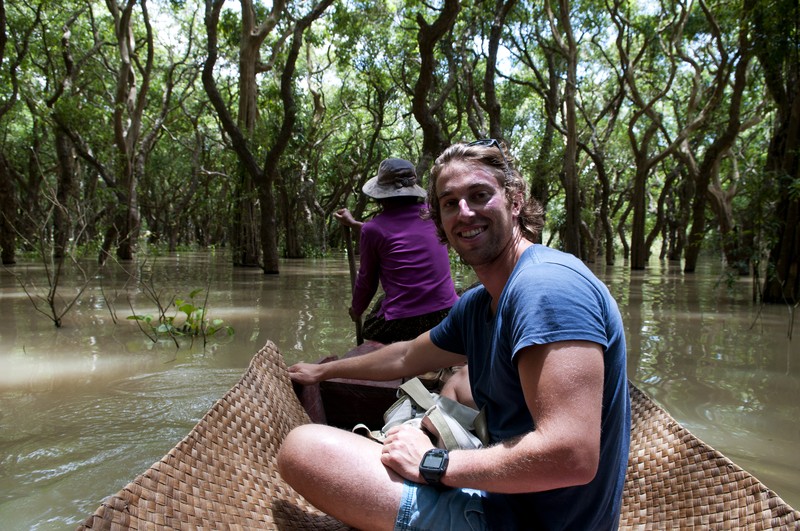
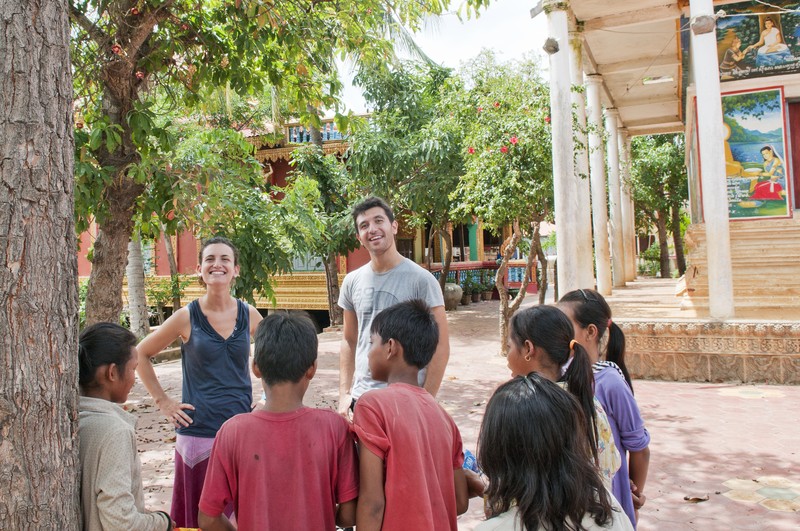

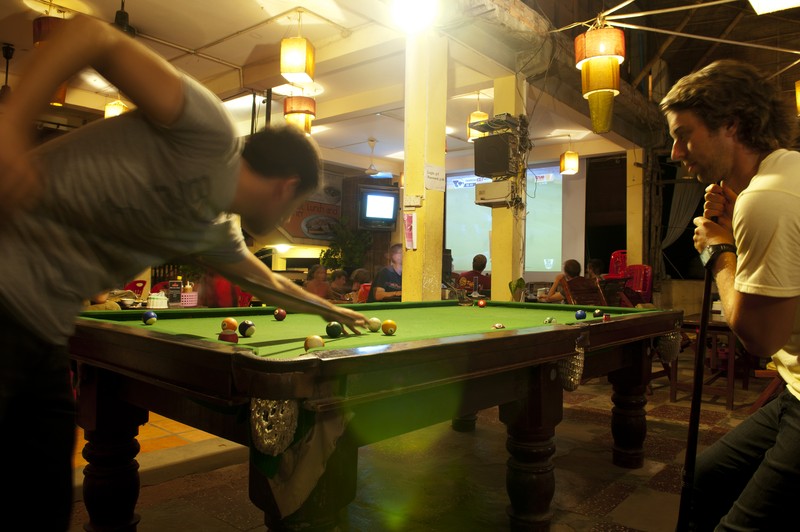
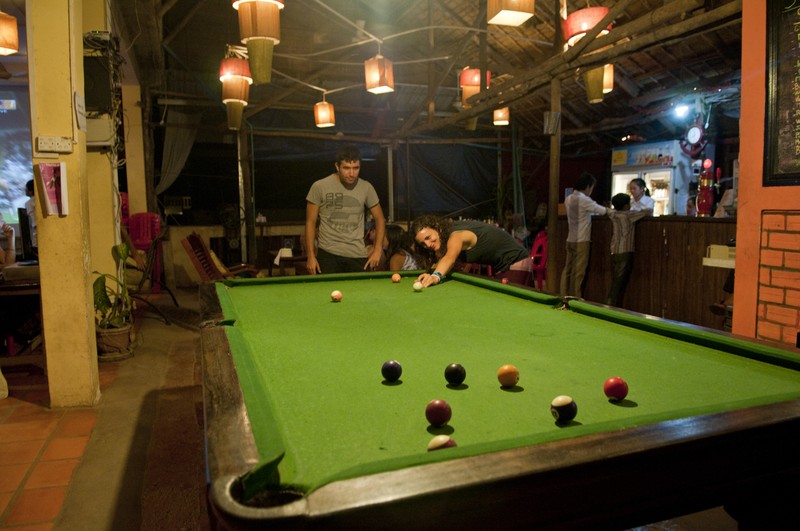
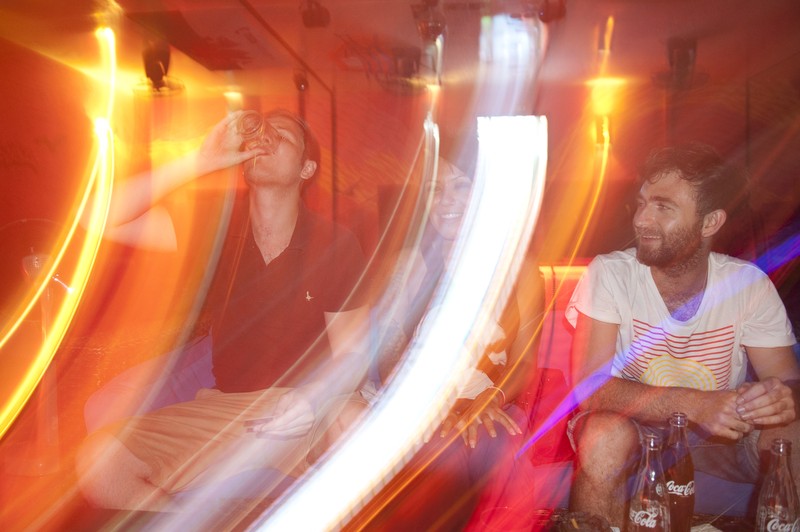
It was wonderful to meet you both – thank you for your company, your stories and sharing a great day and night with me.

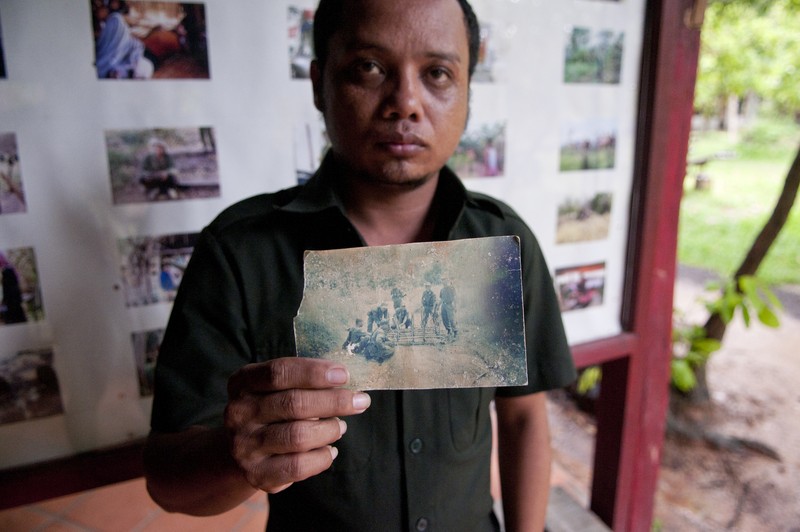
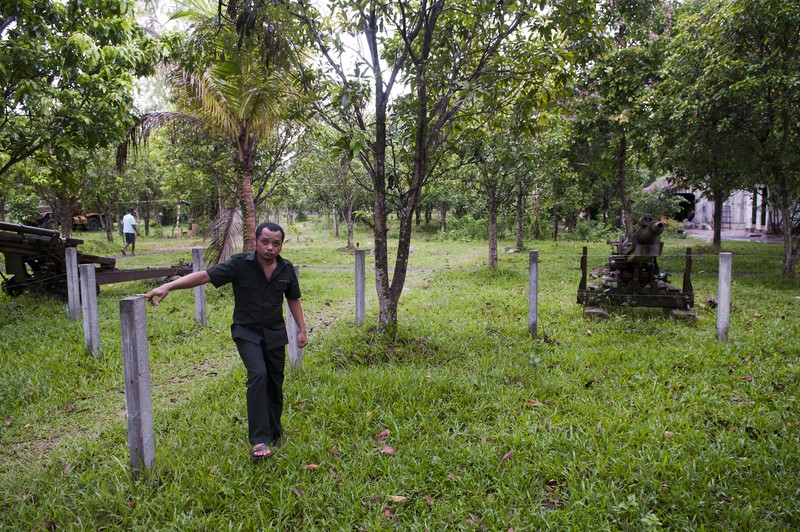
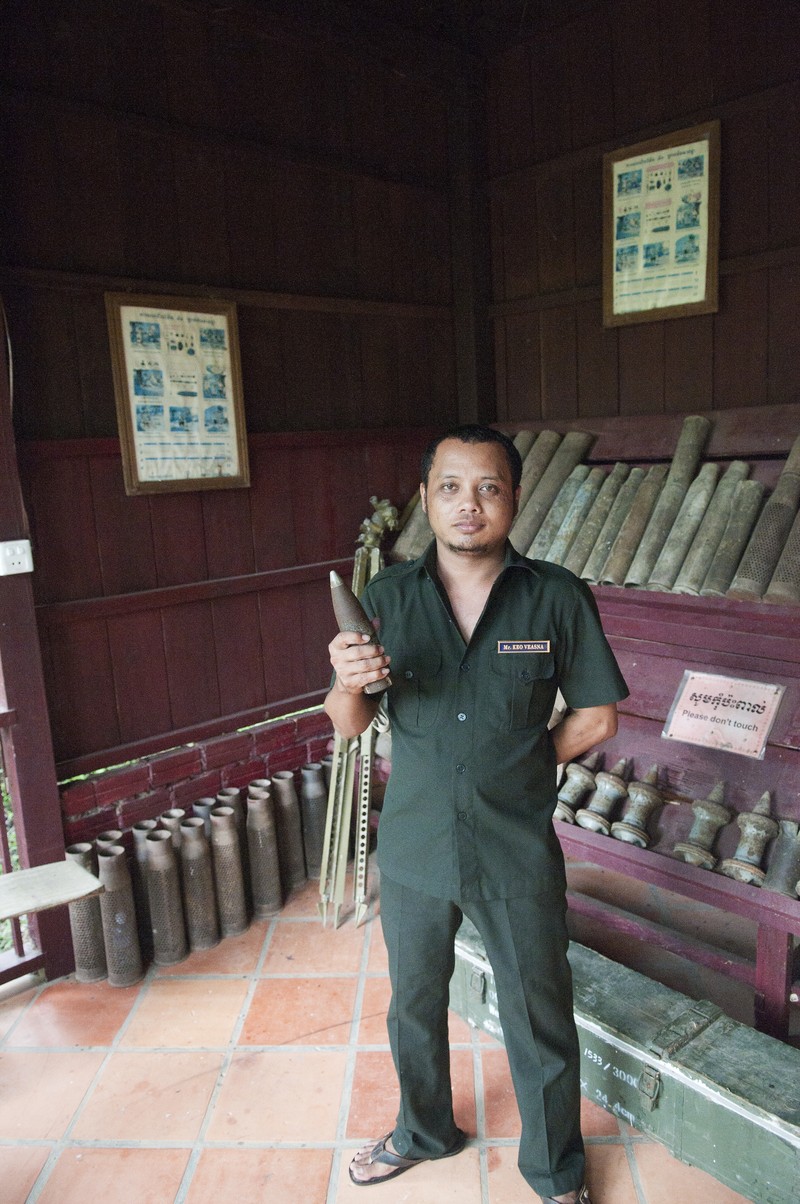
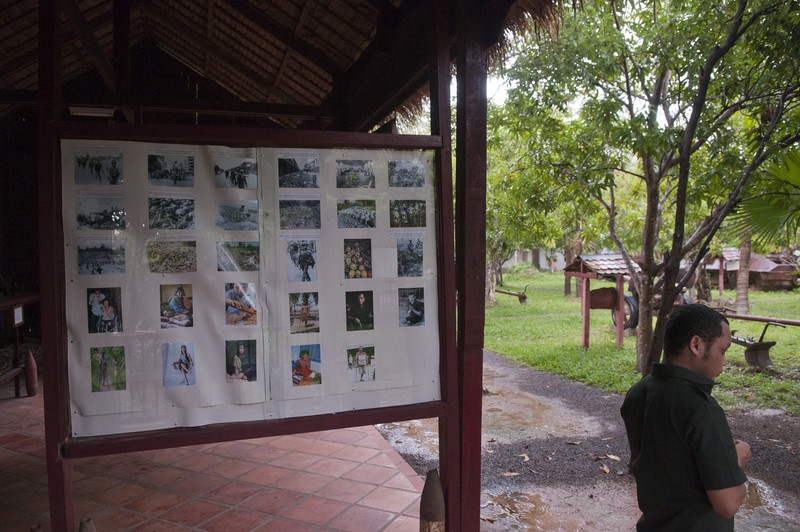
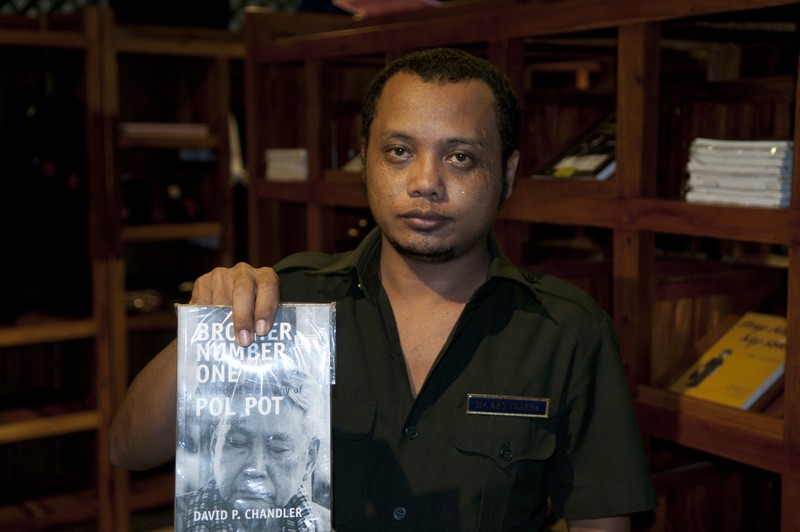
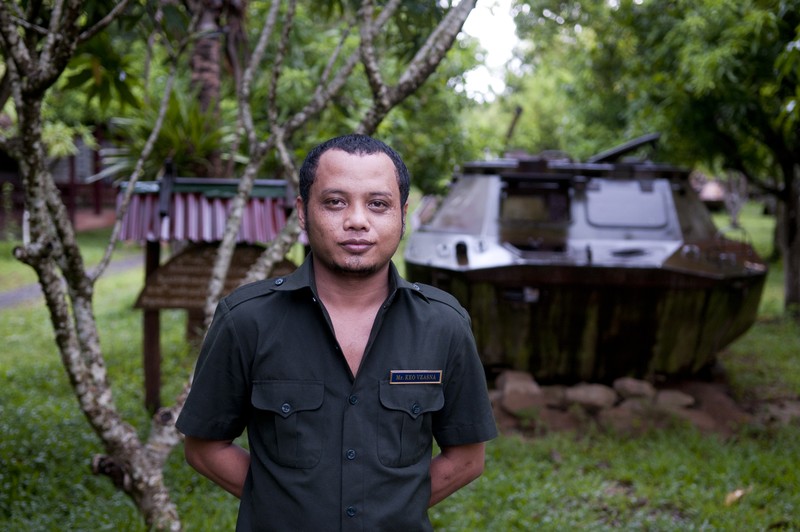
Mr Vaesna Keo shows an original photo of himself and fellow soldiers setting up a bamboo booby trap. He was 16 at the time the photo was taken and spent a total of six years fighting.
Vaesna was born in 1977 during the time of Pol Pot's regime. His chances of survival were grim. In 1979, both his parents died at the hands of the Khmer Rouge and he was taken in by his godfather. In 1991, his godfather died and Vaesna entered the army at the age of 14, fighting against the Khmer Rouge. As a teenager, he was older than many other soldiers, some of whom were as young as six.
Sadly, his story is not unique. In a sombre tone, with no embellishments, he describes a number of his experiences in combat: the loss of friends and his own close encounters with death. In his attempt to defuse a mine, the trigger exploded in his left hand, severing his fingers and damaging his left eye.
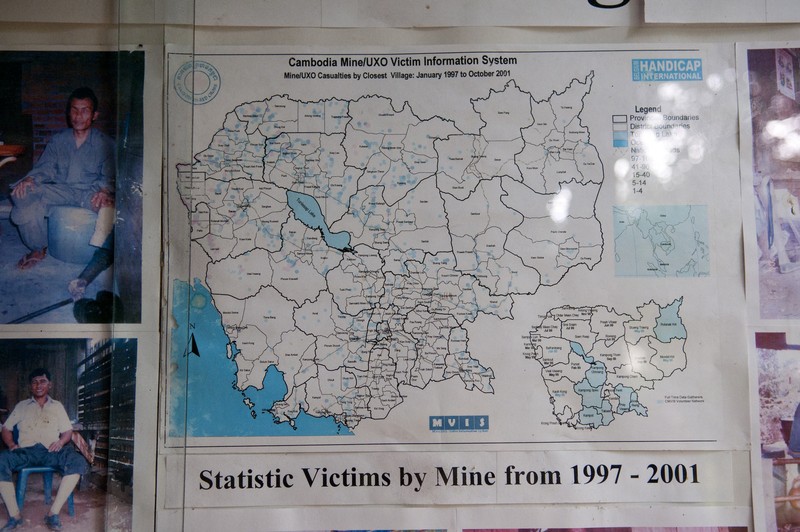
In a separate incident, he witnessed the loss of a fellow soldier when a Jumping Jack detonated, launching itself to waist height and severing the man’s body in half – Vaesna was only steps behind his compatriot. Escaping the mines was an impossible mission, with daily interaction with the grisly devices all but guaranteed. The mines featured in many of his stories and I will not recount them all here; suffice to say, they caused much bloodshed and mutilation, the effects of which are still visible on the streets today. His stories brought tears to my eyes, but it felt wrong to be so weak in front of him when he’d been to hell and back.
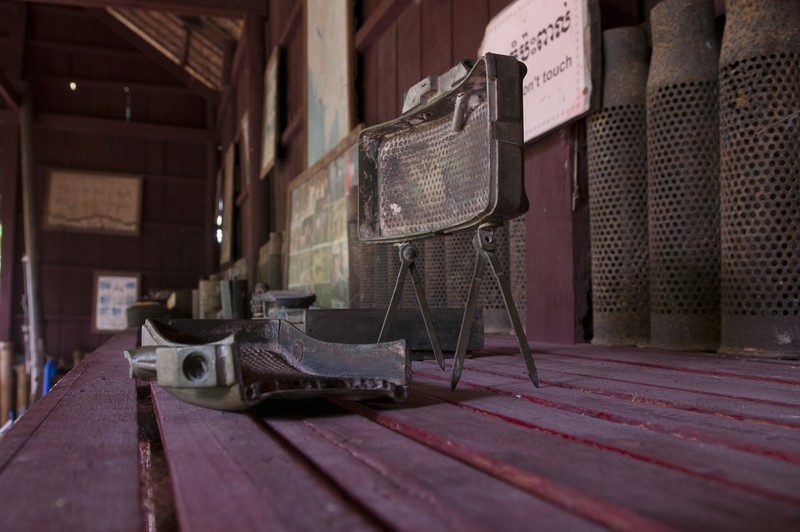
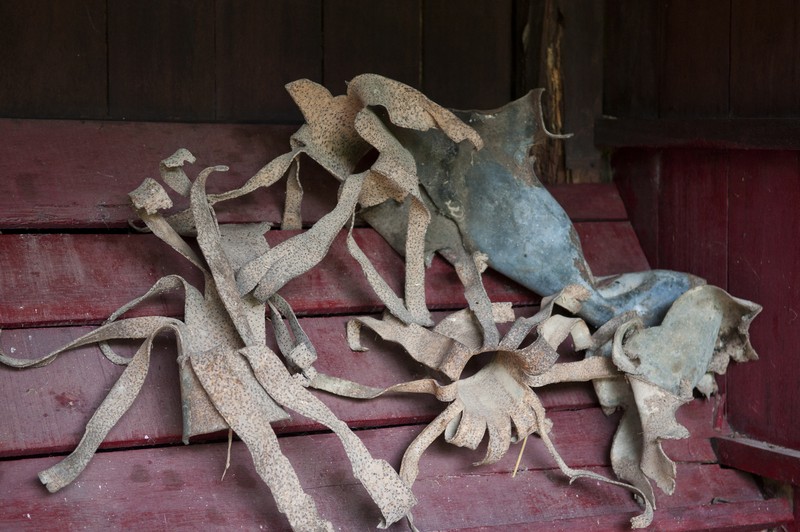
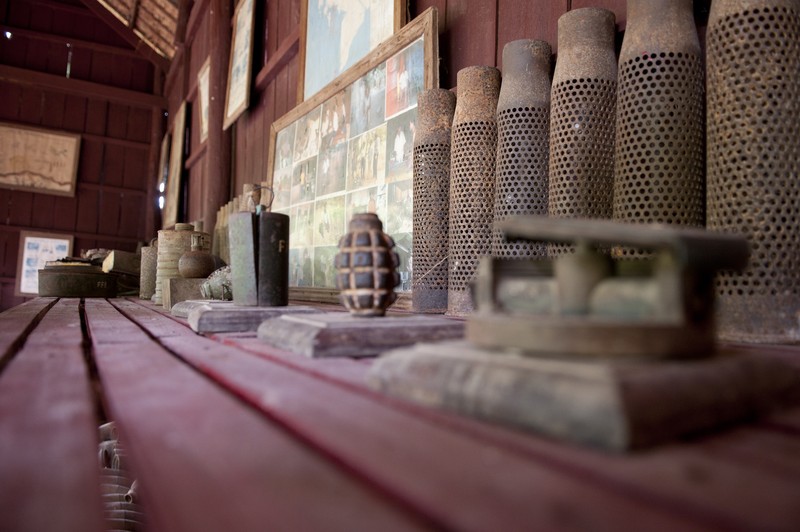
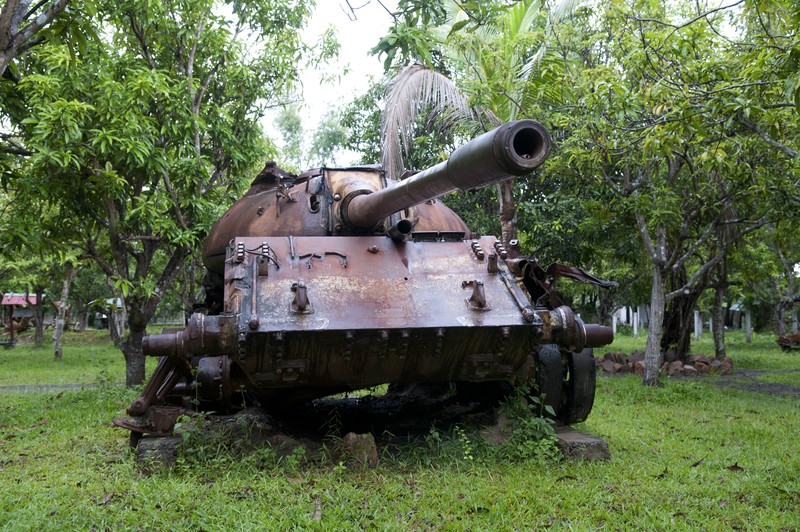
Vaesna started working at The War Museum as a cleaner and slowly started to learn English from visitors. His English developed and now he volunteers there, taking visitors through the outdoor museum and bringing the war relics and photos to life with his stories of the not-too-distant past, when war ravaged this country.
During our walk through the museum and the accompanying drizzle, I couldn’t help but notice the lack of visitors: I was the only person there. With Siem Reap literally crawling with tourists, how is it possible that more people aren’t visiting this area? There is so much more to Siem Reap than Pub Street and even Angkor Wat.
Vaesna managed to escape death but still bears the scars of the war, with shrapnel lodged in his shoulders and legs, lost fingers and damaged eyesight. Millions suffered a far worse fate. The population declined by a quarter: statistics vary, but the number of lives lost during Pol Pot's reign stands at about 3 million as a result of murder, starvation and their policies in general.
Justice remains elusive. Too many of the perpetrators continue to avoid trial, accountability and punishment, just as their leader, Pol Pot, did when he died of a heart attack in 1998. Even in death, he was able to deprive the Cambodian people one last time.
The experience was overwhelming. At its conclusion, I made a donation, an amount I hope to be meaningful. Vaesna and I shook hands and he said, "God bless you" and "Peace". My throat was tight. Lost for words, I waved goodbye and left.
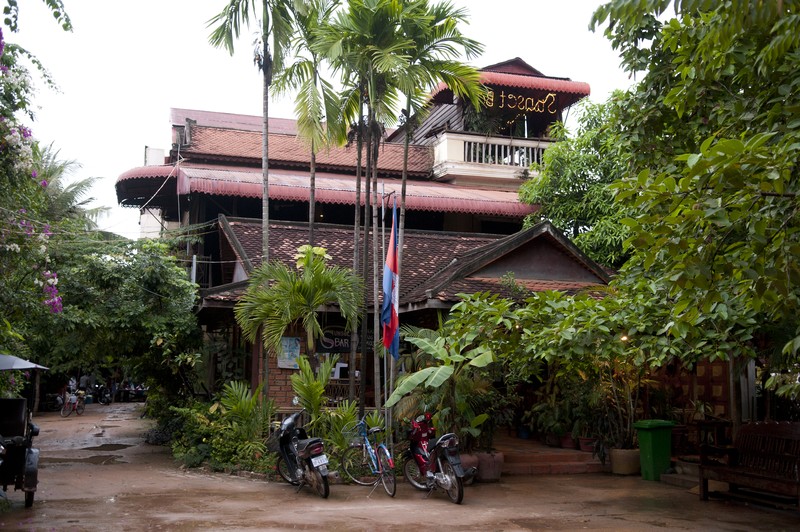
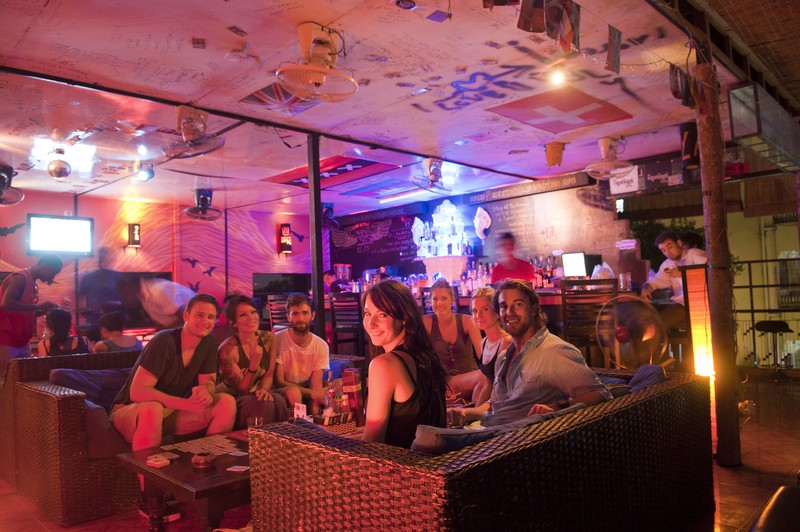
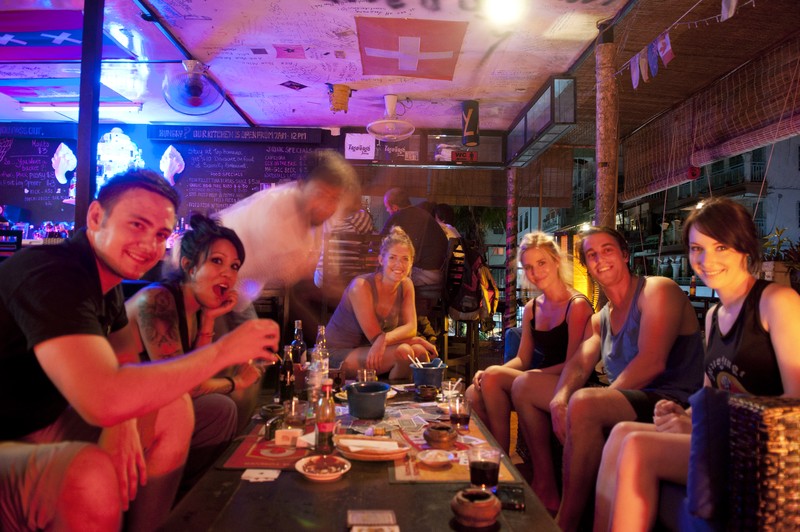
Welcome to Garden Village Guesthouse, with Sunset Bar perched above. Cheap accommodation, a great atmosphere and wonderful people. Here I met so many people, from the downright mad (a wacky French traveller) to the pure genius (a chess master from the US who could have been mistaken for a computer), and everyone in between: youth workers, volunteers, philosophers and psychologists.
Outside the hostel, I also met two university professors from the US, a civil engineer from Italy, Spaniards, Frenchies, Germans and more. The list goes on. Suffice it to say, I've loved meeting people from different backgrounds and with fresh mindsets.
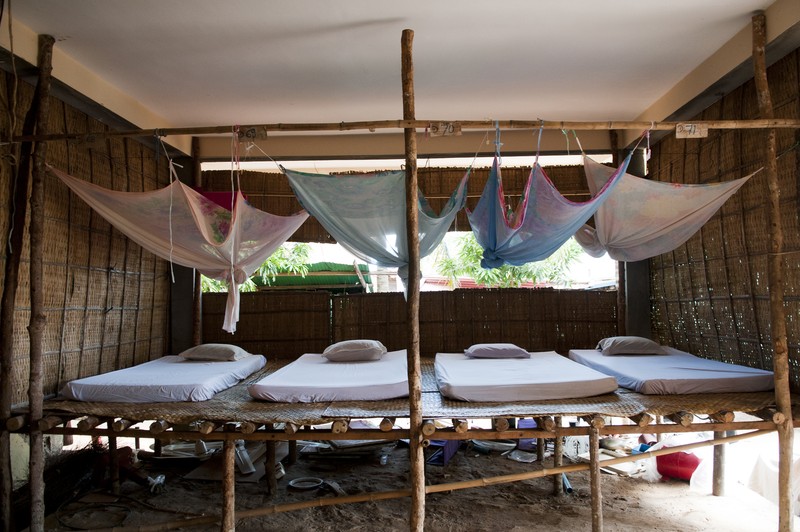
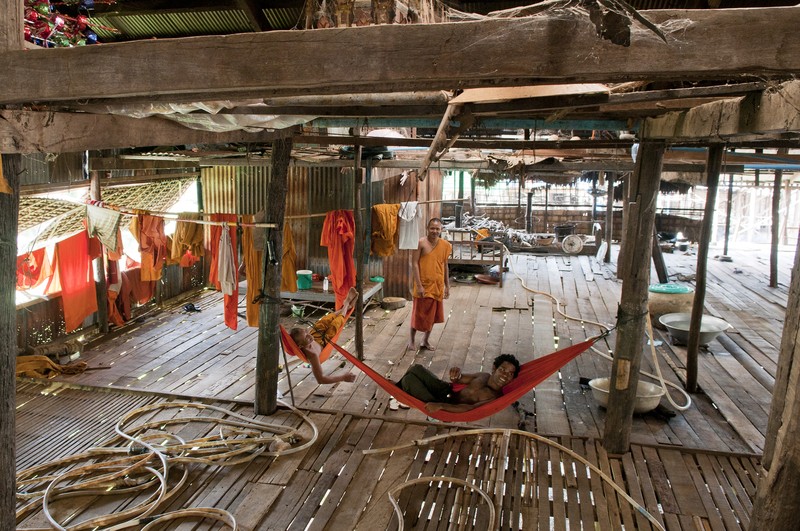
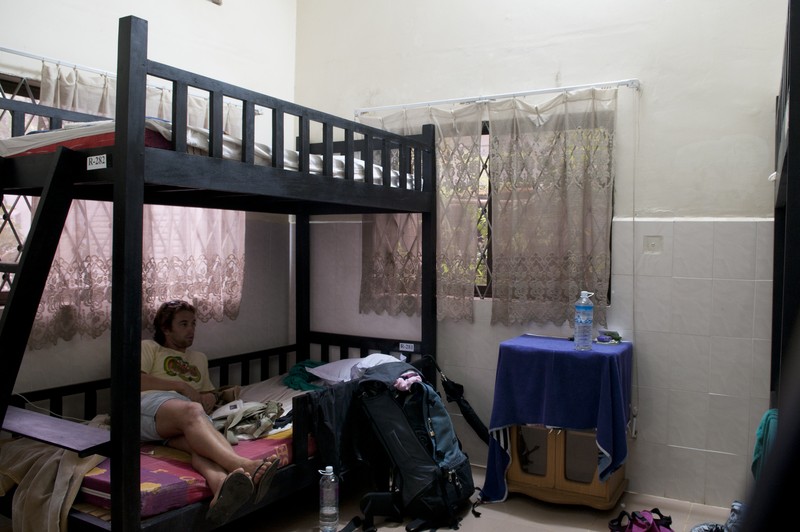
Only US$1 per night! Since Jen returned home, I've been staying in hostels to meet people. Accommodation prices don't get much lower than this. Garden Village offers private bungalows without AC for $3 or dorms with AC for just $4. I splurged and stayed in a dorm (see second photo below), which was a great way to meet new people. So far on my independent travels, I haven't paid more than $5 per night, with my lowest rate being a mere $3.50. Bargain!

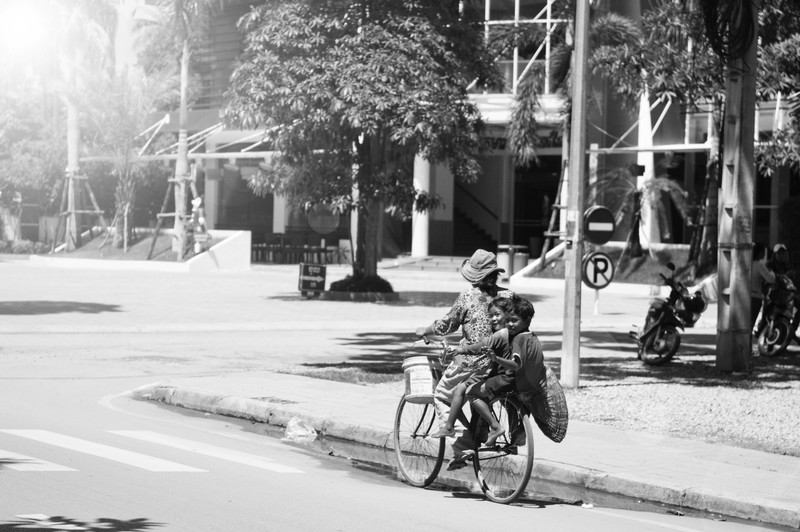

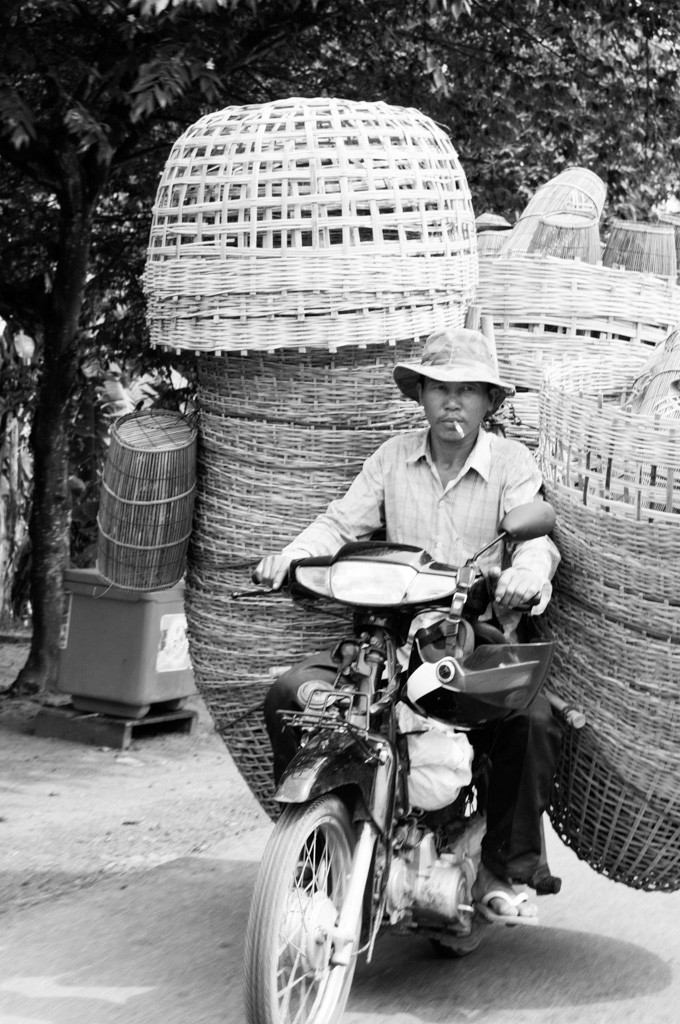
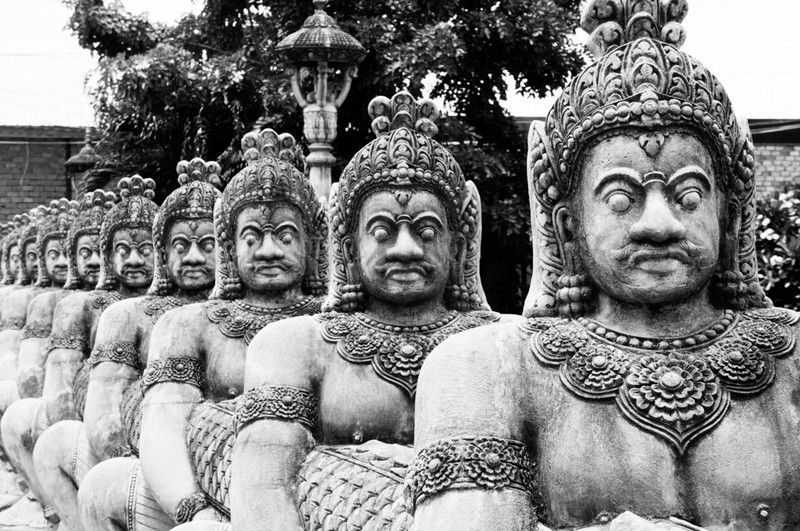
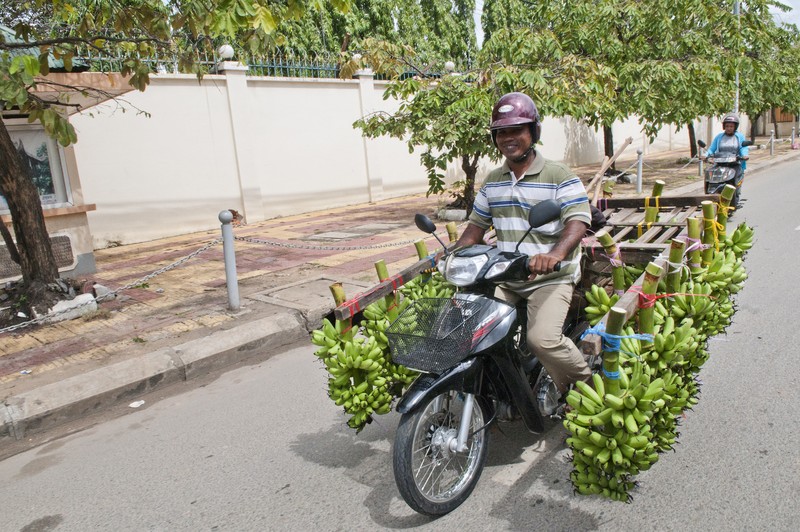
The Killing Fields
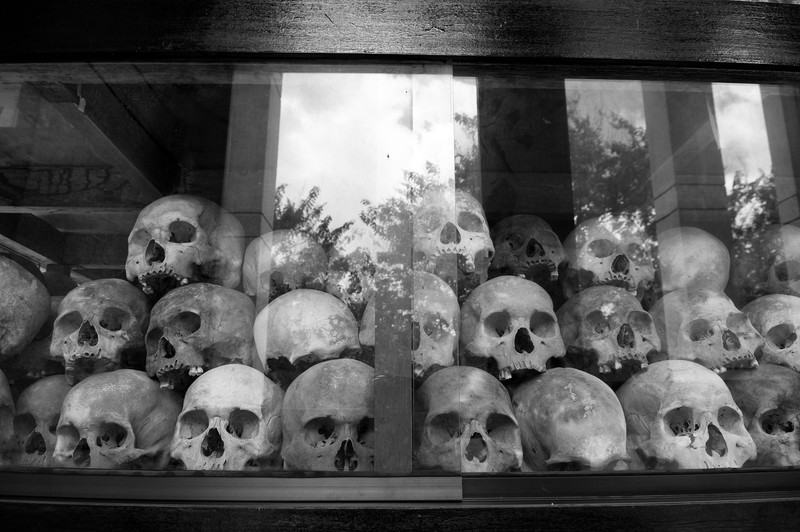
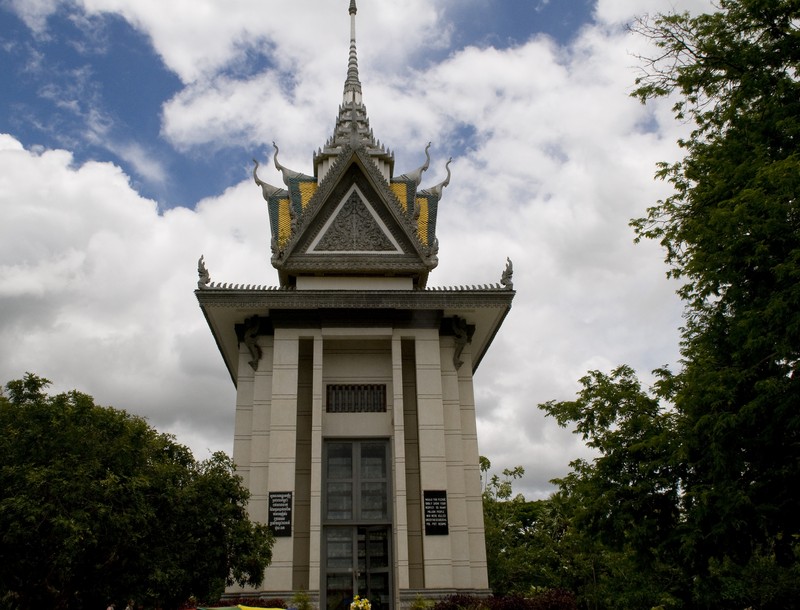
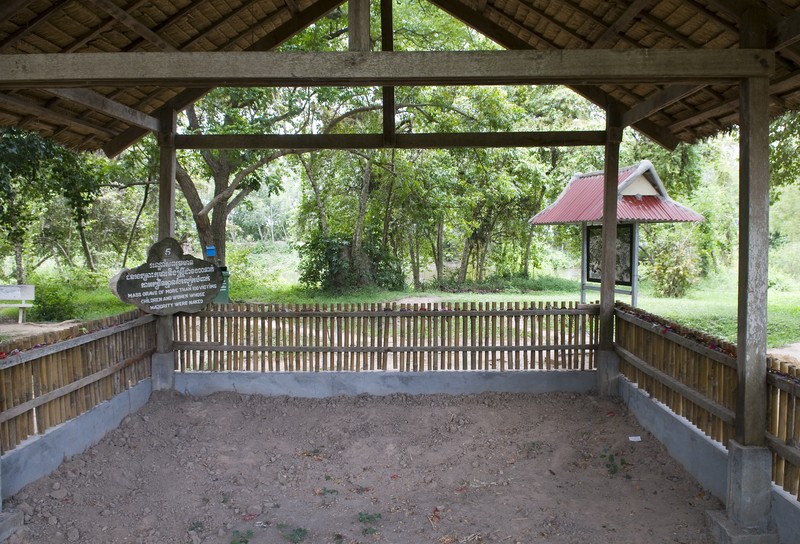
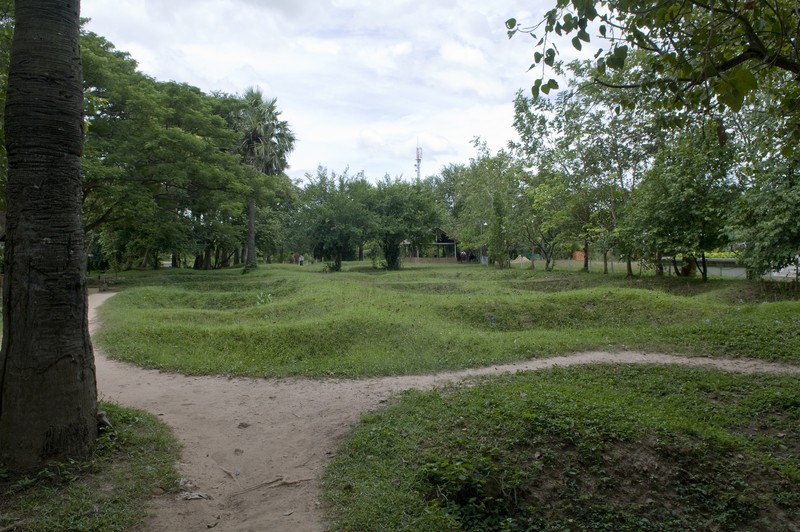
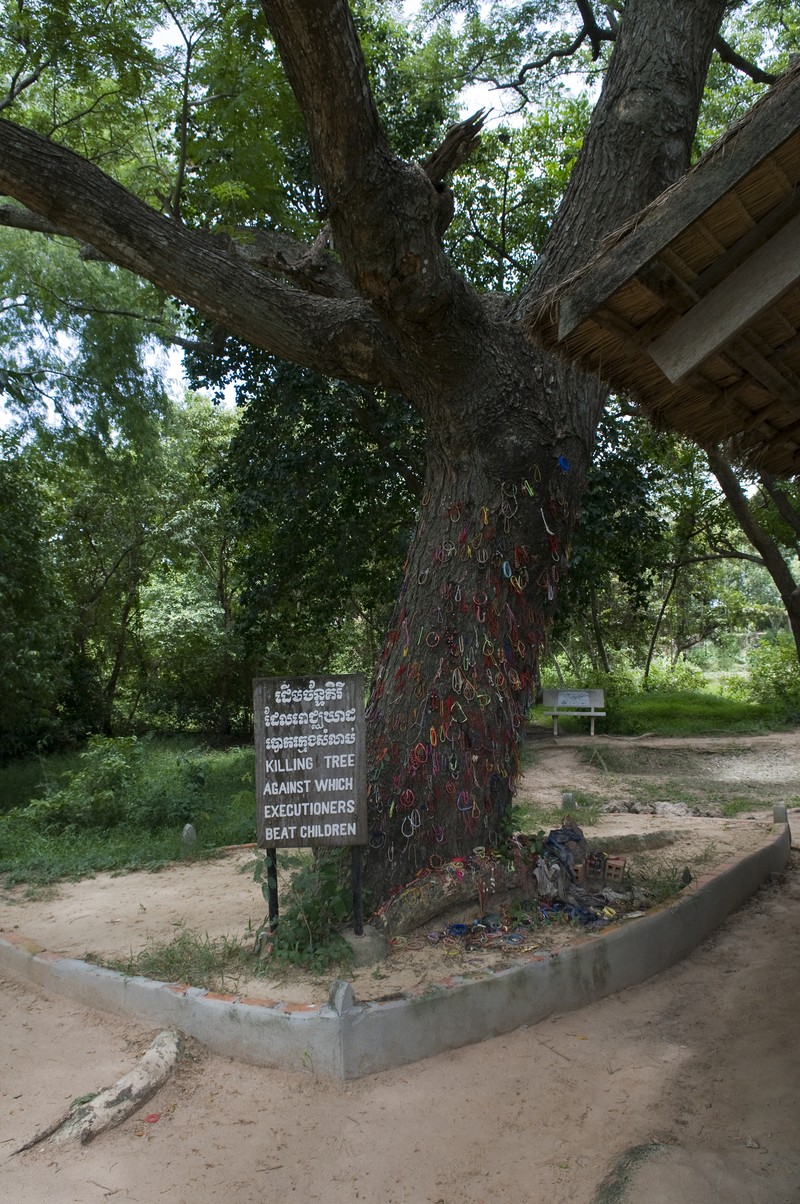
The Killing Fields in Phnom Penh are now largely a peaceful, quiet site, with many of the buildings having been dismantled so many years ago. But listening to the audio guide quickly reminds visitors of the atrocities perpetrated right underfoot.
The agent of death and evil – the Khmer Rouge – once stalked this place, sparing no one: not children, not women and not even their own comrades. Even praying for a clean, merciful death was futile, for the Khmer Rouge dispensed with bullets in favour of agricultural tools – hoes, axes, spades and picks – to brutally murder their own people.
Tuol Sleng
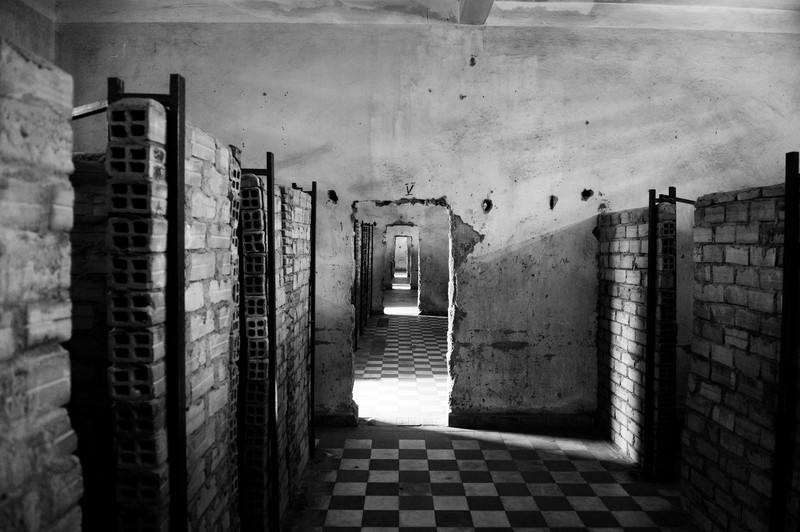
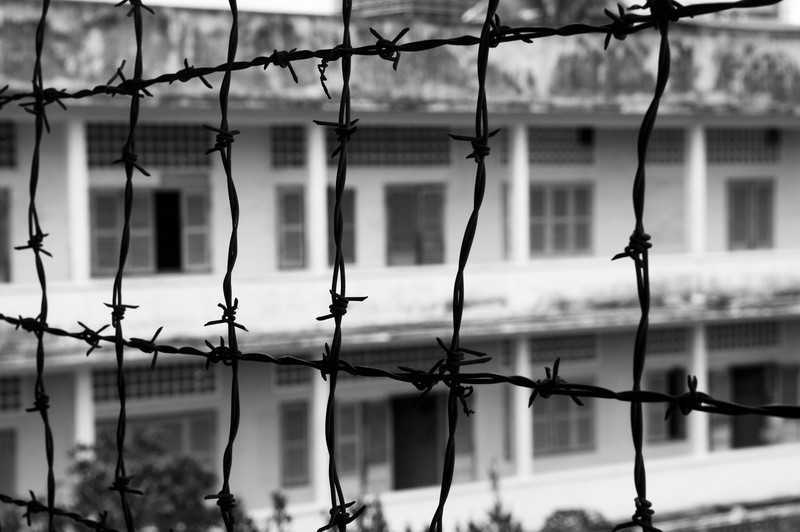
This prison saw about 17,000 people pass through its doors into a world of torture, decay and death. Most of the prisoners were driven the short 15km to Choeung Ek and executed after having 'confessed' to their crimes at S21.
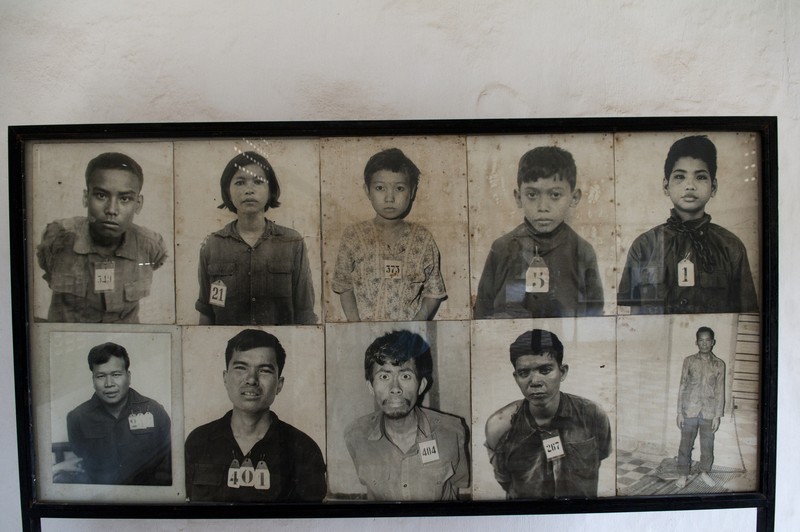
The Khmer Rouge meticulously photographed each of the prisoners, and now thousands of those portraits hang on the walls. The faces stare back – men and women, young and old – full of fear and agony, but rarely defiance, as this place broke everyone. There are only seven known survivors.
In 2010, the prison head, Duch (Kaing Guek Eav), was finally found guilty of crimes against humanity, murder and torture. Initially, he was sentenced to a jail term of 35 years, but on appeal, his sentence was increased to life imprisonment.
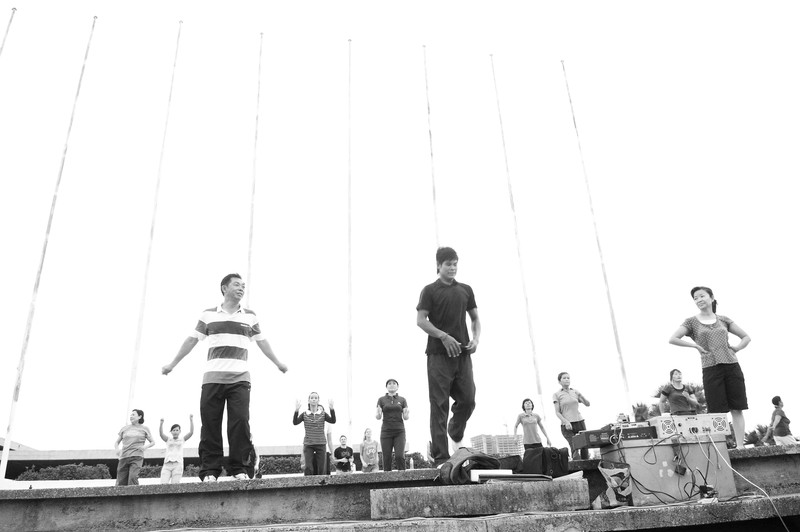
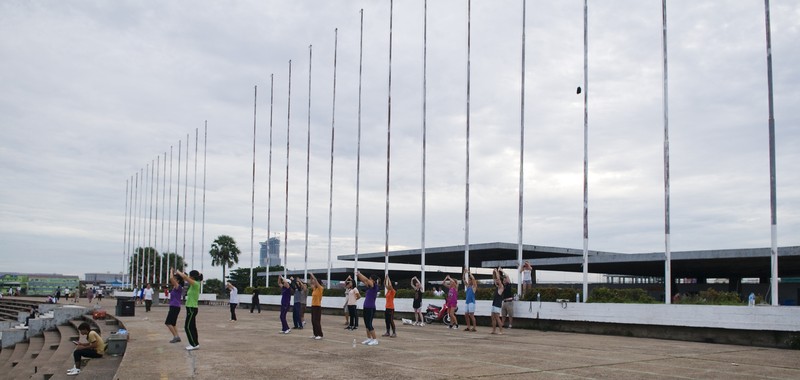
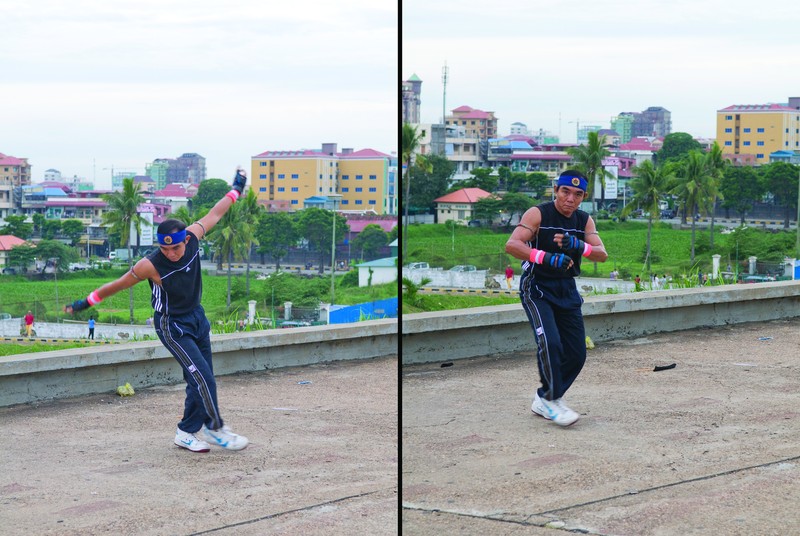
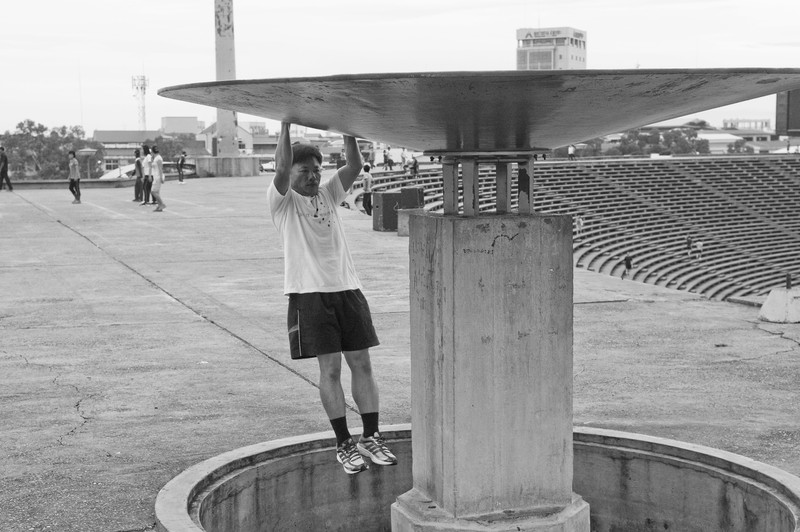
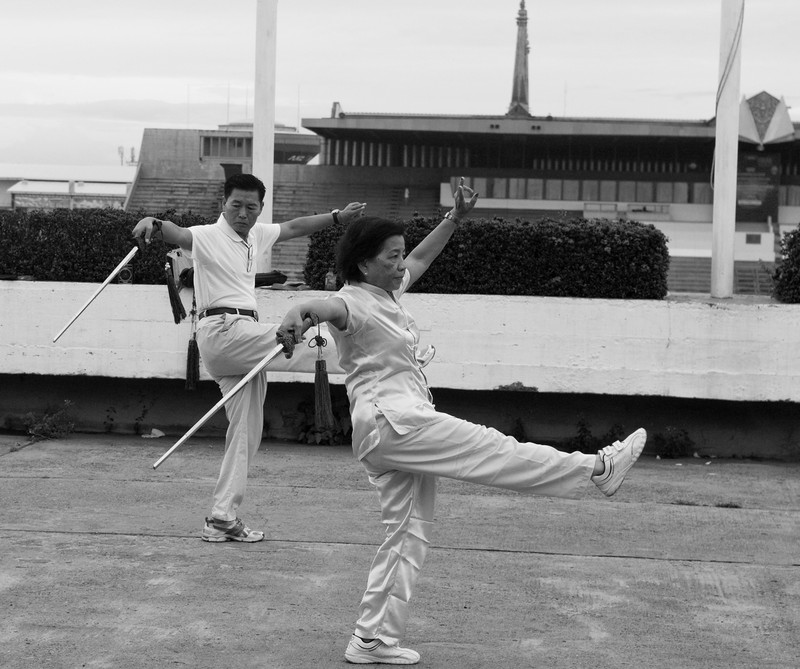
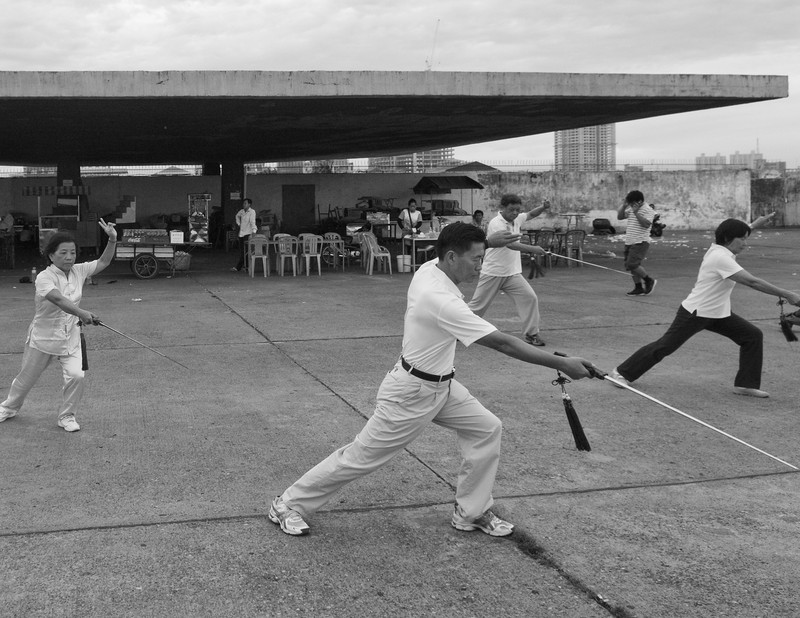
Olympic Stadium at 5.30am bustles with sporting activity. Take your pick of Tae Kwon Do, running, Tai Chi, aerobics or body work:
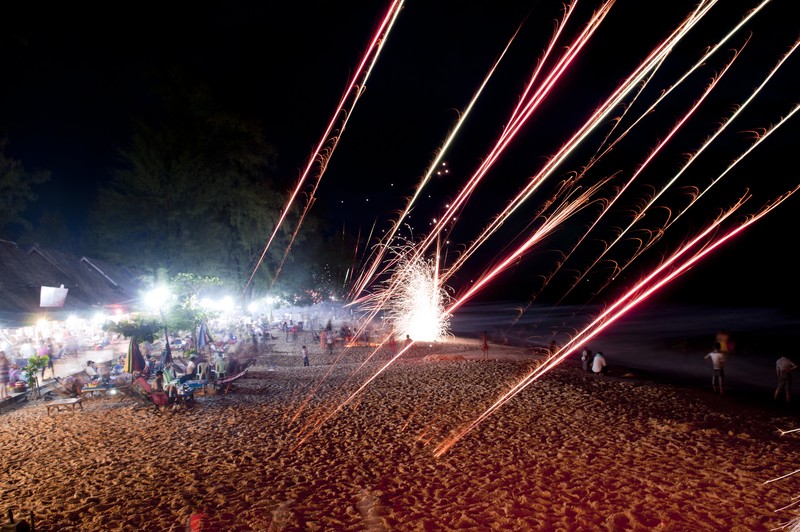
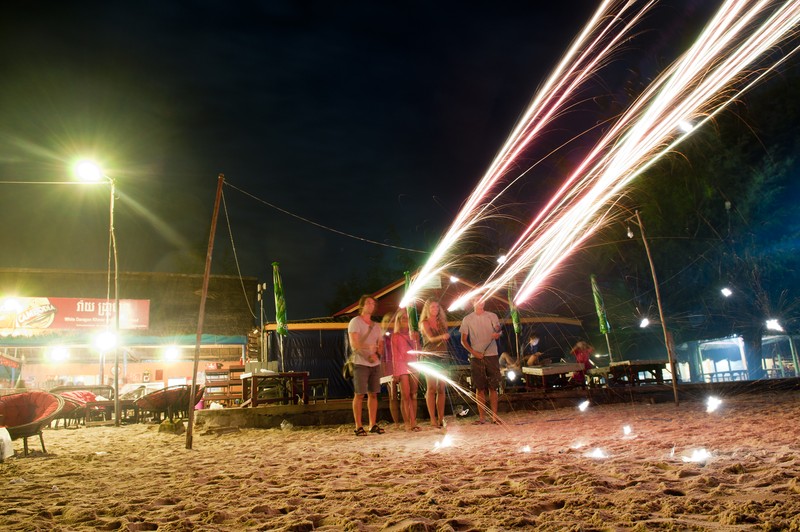
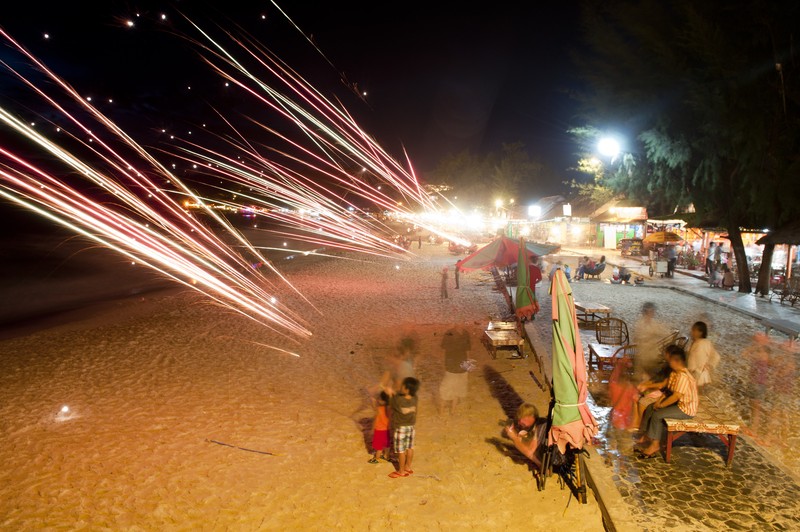
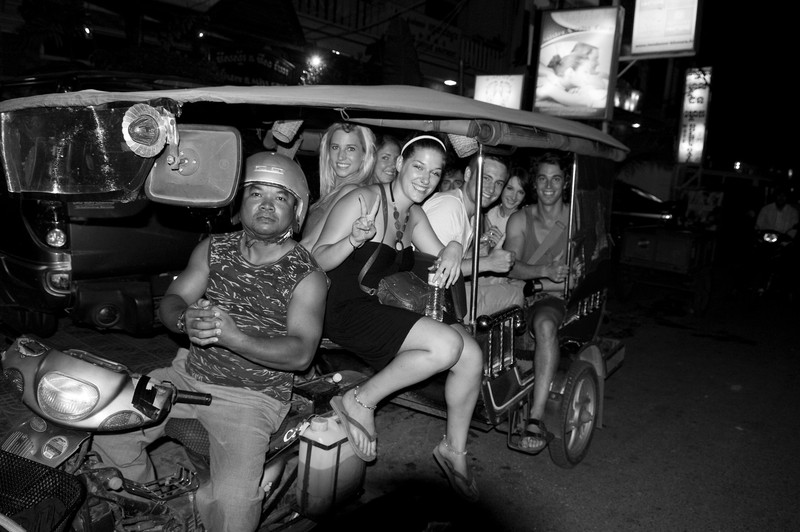
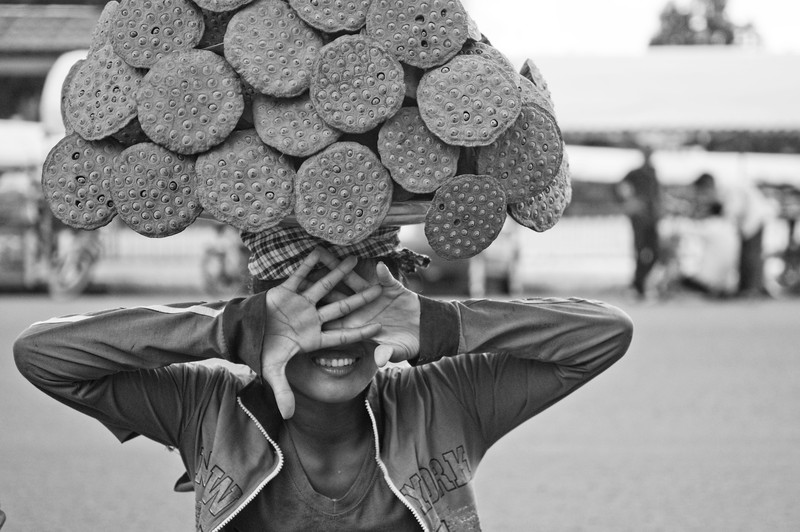
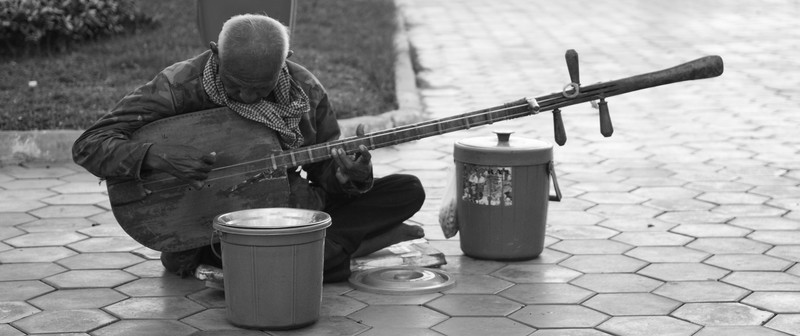
Whilst walking the streets of Phnom Penh ...
Prepared and ready to visit Myanmar but it is not meant to be for now ...